



Classical Terracotta Bust
These classical terracotta bust sculptures capture the enduring fascination with antiquity through modelled earth and expressive portraiture.
Classical Terracotta Bust
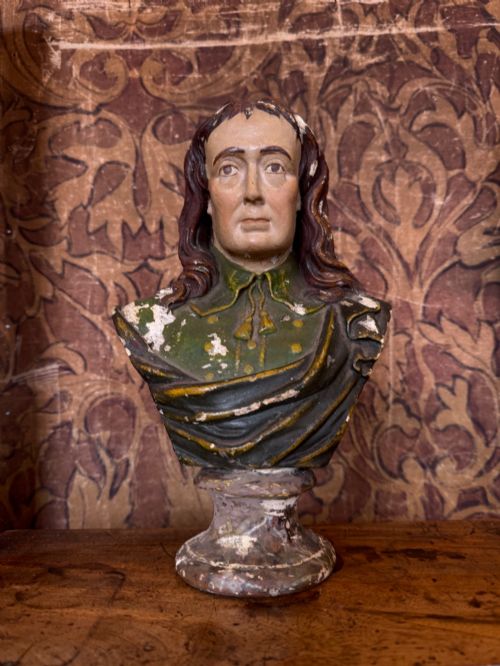
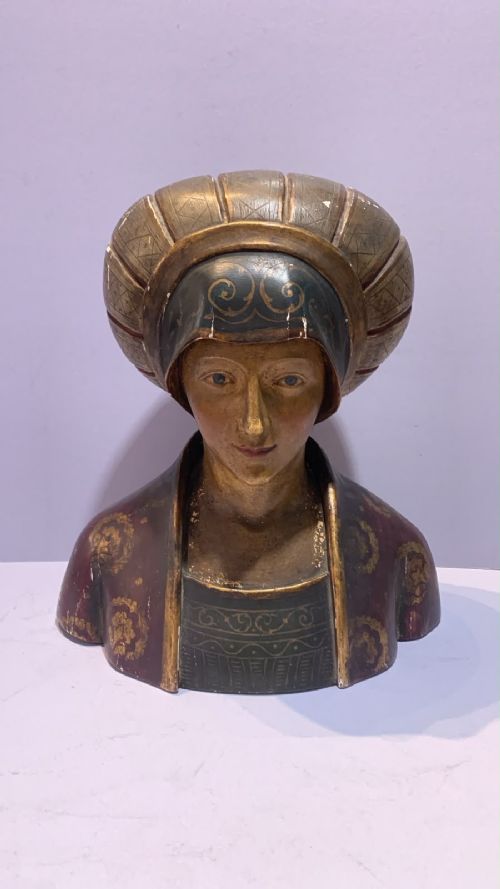
A classical terracotta bust represents historical figures, noblewomen, emperors, and mythological subjects modelled in baked clay. When you search for a classical terracotta bust, you encounter sculptural works spanning the Georgian era, the nineteenth century, and the early twentieth century. Many pieces draw direct inspiration from antique sculpture, ranging from Grand Tour souvenirs to Renaissance Revival interpretations.
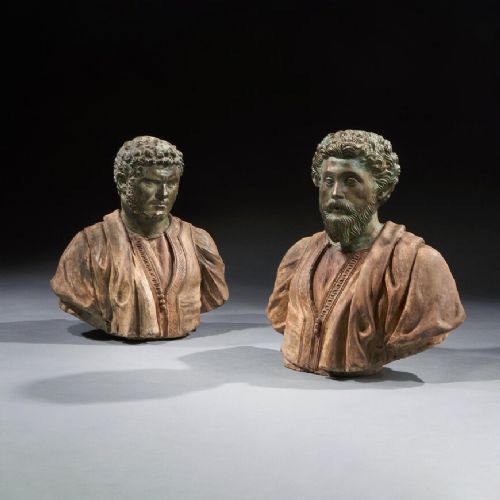
The forms on this page include portraits of Caesars such as Marcus Aurelius and Caracalla, female figures like the Venus de Medici, and youthful studies of athletes. Alongside portrait busts, the selection incorporates related display columns and pedestals designed to elevate the sculpture. These pieces primarily reflect Neoclassical, Classical Revival, and Italian aesthetic traditions.
How they were made
Makers shaped these sculptures primarily from terracotta, a porous earthenware clay fired to achieve a durable ceramic body. Artisans frequently enhanced the surfaces with paint, polychrome pigments, gesso, or gold leaf to emulate bronze, stone, or lifelike skin tones. Some works integrate materials such as wood or incorporate a verdigris patina to simulate aged metal.
Techniques varied from direct hand-modelling to casting from moulds, often following famous antique prototypes seen on the Grand Tour. While terracotta remains the defining material, related pieces utilise alternative media such as plaster or glass paste to achieve similar sculptural detail.
Classical Terracotta Bust Retail Price Guide 2026
Typical asking prices for classical terracotta bust among the pieces listed under this phrase on Sellingantiques today, from the lower quarter to the upper quarter. They describe what is for sale here now, not the wider market.
The inventory spans multiple eras, including Georgian, nineteenth-century, Edwardian, and mid-century Italian periods.
What varies in quality
The treatment of the material also distinguishes the work, as finely graded polychrome surfaces, delicate gilding, or convincing patination demonstrate superior craftsmanship. The depth of historical reference - whether following specific antique models or produced by notable workshops - further elevates the standing of a piece.
Antonio Rossellino·HL Blasche·Reps & Trinte·Goldscheider
The Classical Terracotta Bust Glossary
- Terracotta
- A porous, unglazed or glazed baked earthenware clay used extensively for sculptural modelling. Its warm reddish-brown tone forms the foundational material for these busts.
- Neoclassical
- An artistic movement reviving the styles and subjects of ancient Greece and Rome. This aesthetic prioritises restraint, classical drapery, and heroic or mythological subject matter.
- Grand Tour
- A traditional cultural journey through Europe undertaken by upper-class scholars and collectors during the eighteenth and nineteenth centuries. Tourists frequently acquired classical sculptures and portrait busts as mementos.
- Verdigris patina
- A green or bluish encrustation formed naturally on copper or bronze over time. Makers applied this effect to terracotta surfaces to simulate aged metallic sculpture.
Classical Terracotta Bust: Frequently Asked Questions
What is a classical terracotta bust?
A classical terracotta bust is a three-dimensional ceramic portrait or sculptural study modelled in baked clay, depicting historical figures, deities, or fictional personages from antiquity.
These pieces range from small Grand Tour souvenirs to substantial nineteenth-century revival works intended for interior display.
How were these busts displayed?
Historically, collectors placed these sculptures on mantelpieces, libraries, dedicated wooden display columns, or classical pedestals to showcase their aesthetic and educational value.
Their substantial weight and sculptural presence made them focal points in nineteenth-century domestic interiors.
Are all terracotta busts ancient?
Most pieces available today date from the nineteenth and early twentieth centuries rather than classical antiquity. They were created during revivals such as the Neoclassical period and the Renaissance Revival.
Artists frequently worked after the antique, meaning they copied famous Roman or Greek sculptures known from European collections.
Why do some terracotta busts look like bronze?
Many makers applied specialised paint, gesso, or verdigris patina over the fired clay to imitate the appearance of cast bronze or aged stone.
This finishing technique allowed sculptors to achieve the prestige and visual weight of metalwork using accessible ceramic materials.
How should I care for a terracotta bust?
Terracotta is a porous and relatively fragile material that requires gentle handling and protection from moisture. Dusting should be performed dry with a soft brush rather than liquid cleaners.
Displaying the sculpture away from areas of high humidity or heavy vibration preserves both the clay body and any surface paint or gilding.