

Antique Bust Sculpture
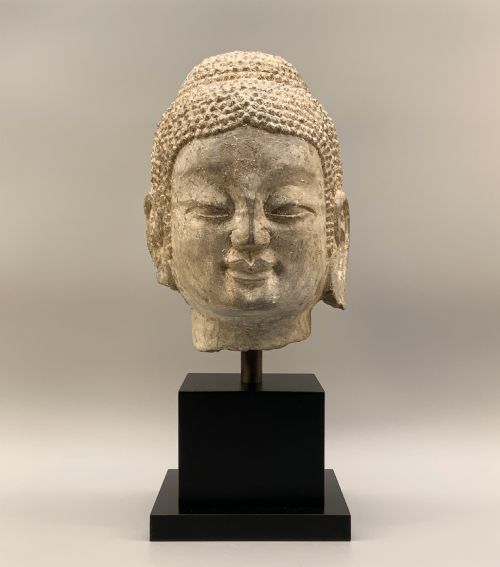
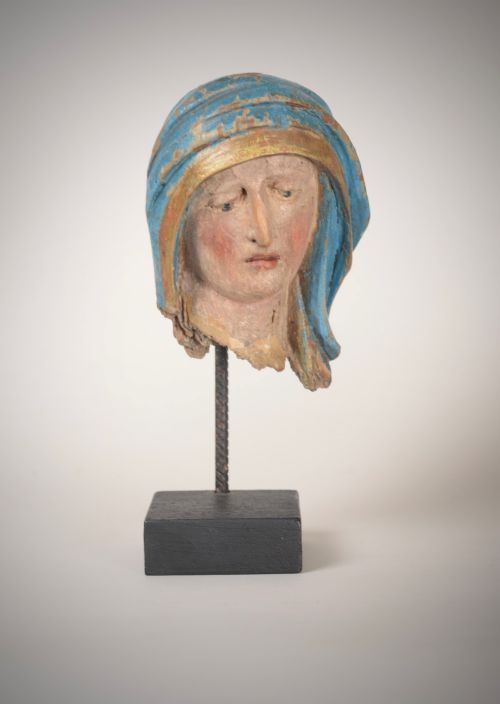
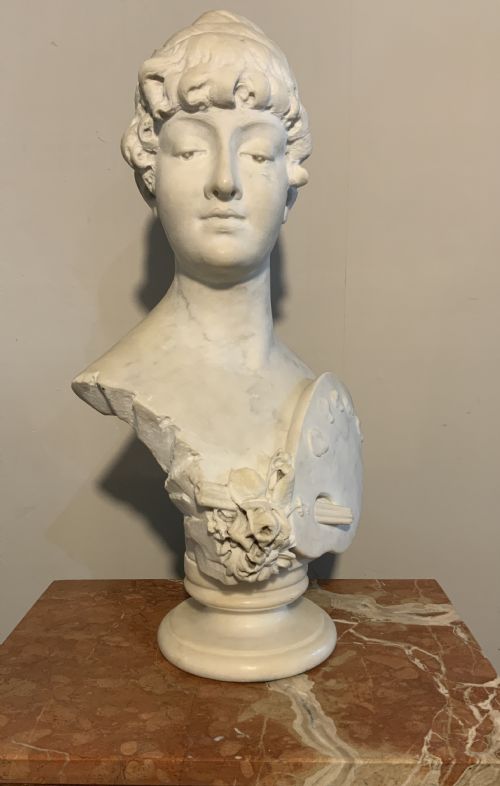
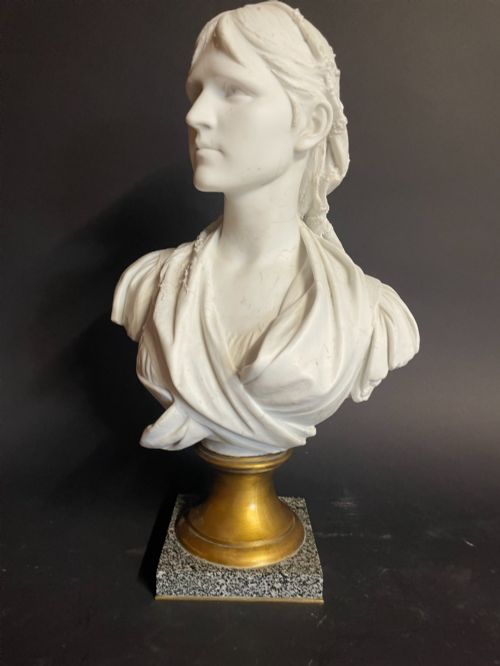
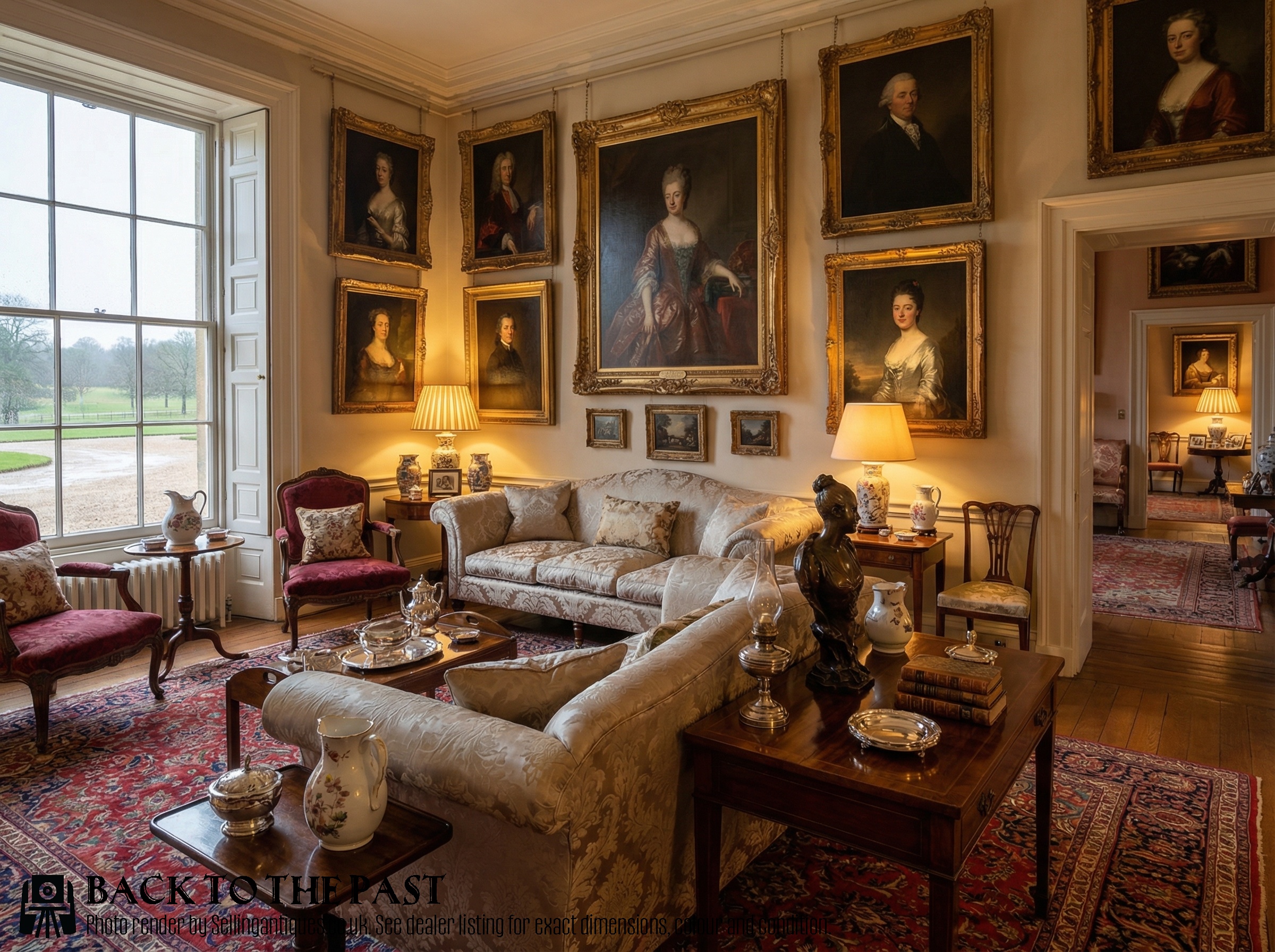
These antique bust sculpture pieces bring physical presence and character to a room, ranging from classical portraiture to expressive late nineteenth century works.
Understanding antique bust sculpture
An antique bust sculpture focuses on the head, shoulders and upper chest of a subject, capturing both likeness and character. When exploring antique bust sculpture, buyers encounter works that span the nineteenth century up to the early twentieth century.
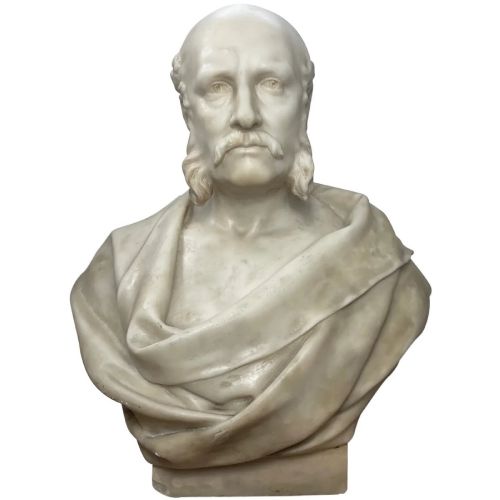
The selection includes portrait busts of gentlemen, historical figures such as William Ewart Gladstone, and classical subjects like the Venus de Medici. These pieces draw on neoclassical traditions as well as French nineteenth century tastes and Art Nouveau styling.
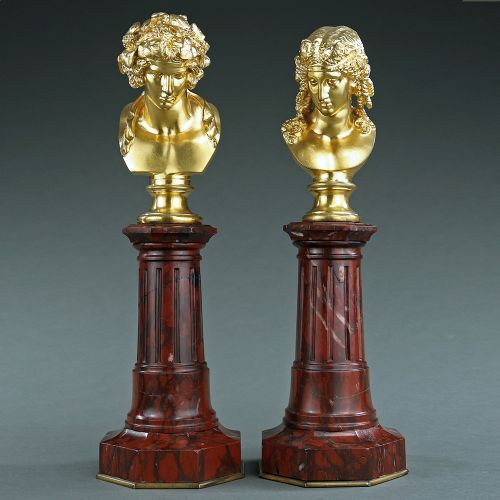
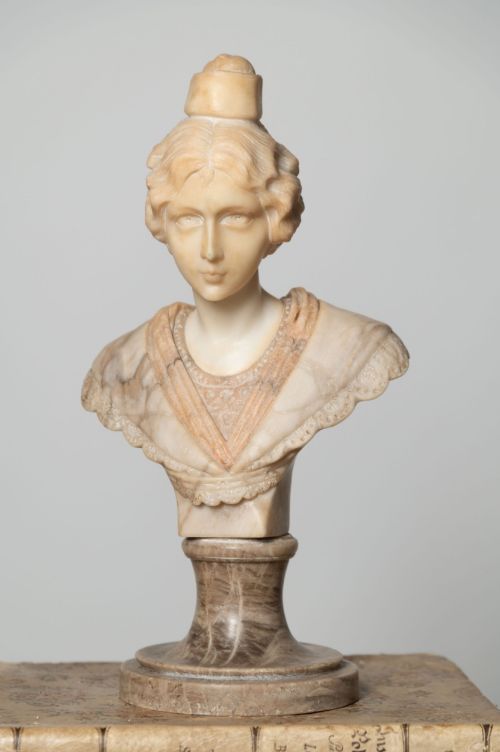
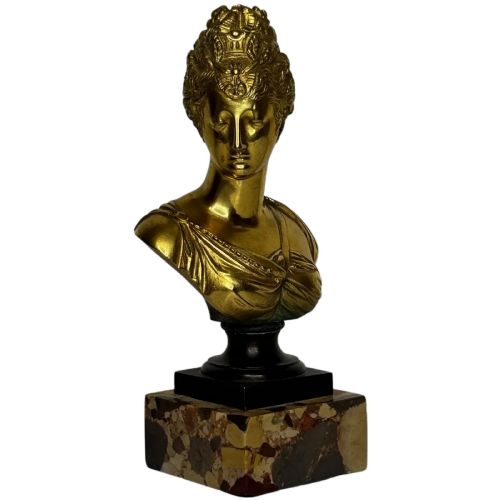
Forms vary from grand carved alabaster and marble to cabinet pieces in parian ware, terracotta and cast bronze with gilt highlights. Continental workshops and named sculptors produced these varied expressions of portraiture and allegorical figure work.
Materials and construction
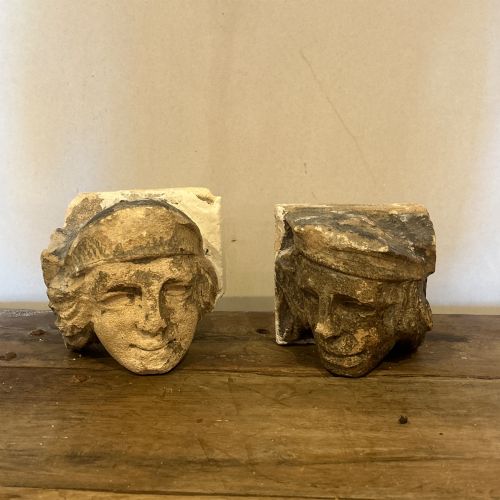
Sculptors carved direct from solid blocks of white marble and alabaster, achieving smooth flesh tones and fine details in drapery and hair. Terracotta was modelled and fired, capturing the immediate touch of the maker before hardening.
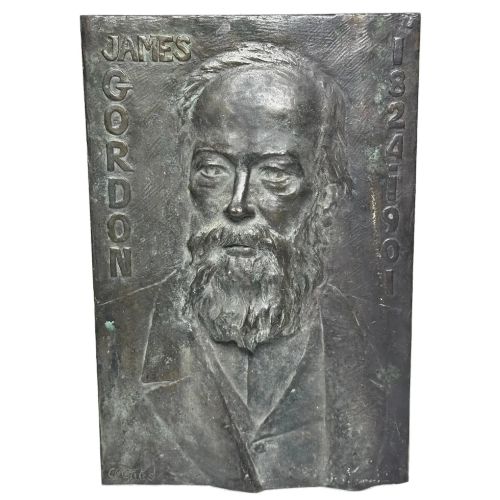
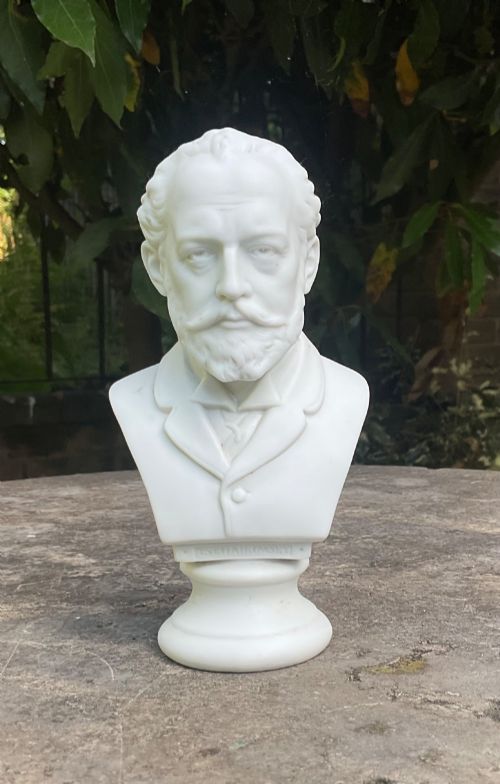
Metal versions utilised the lost-wax or sand-casting methods in bronze, sometimes enhanced with gilt finishes or patination. Parian ware and porcelain pieces relied on slip casting in moulds, producing fine-grained ceramic surfaces popular in the Victorian era.
Retail Price Guide 2026
Typical UK retail prices for bust sculpture, calculated from the Sellingantiques database of over a million retail prices indexed since 2003. This retail price guide relies exclusively on Sellingantiques data; no external sources or auction records are used, so the figures do not describe the wider market.
William Ewart Gladstone stares out from a parian portrait bust, quietly bringing Victorian parliamentary intensity to the mantelpiece.
Judging quality and execution
Signatures of known makers or foundry marks elevate a piece above anonymous studio work, showing master execution in the chiselling or patination. The handling of drapery and hair distinguishes skilled portraiture from repetitive commercial production.
Affortunato Gory·Emile Laporte·R. Lusili
The Antique Bust Sculpture Glossary
- Bust
- A sculpture depicting a person from the chest up. This format focuses attention entirely on the facial expression and headwear.
- Parian ware
- A fine-grained unglazed porcelain resembling white marble. Victorian manufacturers used this material extensively for affordable portrait busts.
- Terracotta
- Baked red or buff clay used for sculptural models. This material preserves the direct touch of the modeller's hand.
- Neoclassical
- A style drawing inspiration from classical antiquity. Pieces in this manner emphasise restraint, proportion and historical subjects.
Frequently Asked Questions
What is a portrait bust?
A portrait bust is a three-dimensional sculpture representing a specific individual from the chest or shoulders upward. These works historically recorded the likenesses of statesmen, family members or literary figures.
Craftsmen used materials ranging from marble and bronze to terracotta and plaster to achieve lifelike presence. The format concentrates entirely on facial expression and character without the distraction of a full figure.
How do I date a marble bust?
Dating relies on stylistic clues, costume details, hair styling and the method of working the stone. Nineteenth-century pieces often reflect revival styles such as neoclassical purity or Art Nouveau fluidity.
Signatures, foundry marks or inscriptions on the reverse or socle provide further chronological anchors. Comparing the patination and tool marks with known dated examples confirms the period.
Where should I display a heavy stone bust?
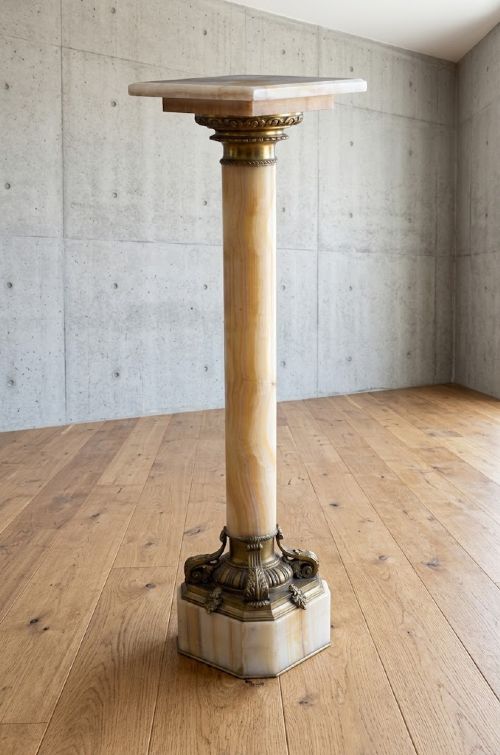
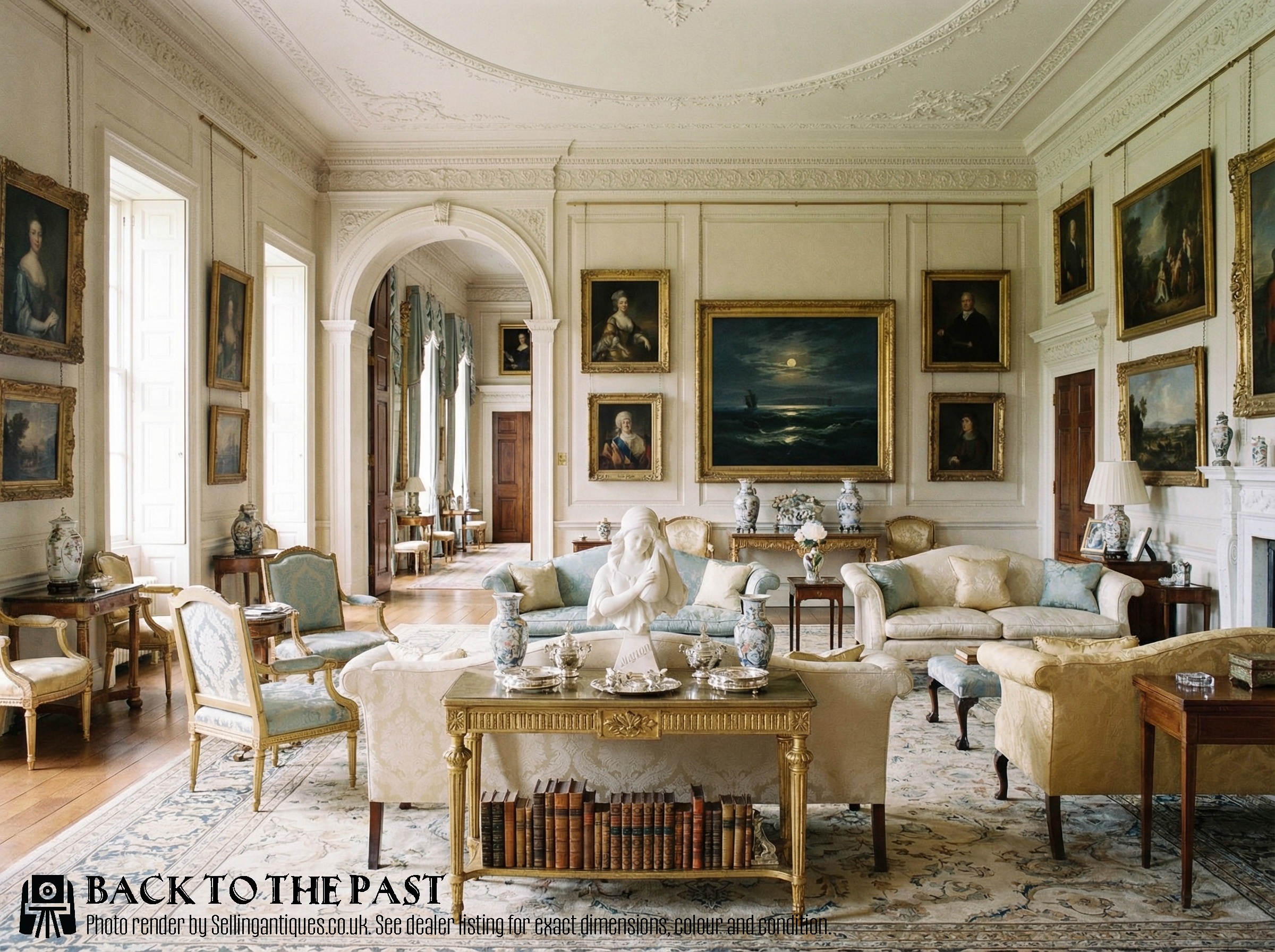
Heavy marble and alabaster pieces require a sturdy column, console table or dedicated plinth capable of supporting substantial weight safely. Placing the sculpture at eye level allows proper appreciation of the facial modelling and carved details.
Ensure the support stands on level flooring away from high-traffic zones where the piece might suffer accidental knocks. Good directional lighting enhances the contours and depth of the carved stone.
What is parian ware?
Parian ware is a type of dense, fine-grained biscuit porcelain developed in the nineteenth century to imitate carved marble. Its matte, off-white surface made it popular for affordable portrait busts of famous Victorians.
Named after Parian marble from the Greek island of Paros, the material captured fine detail from moulds. It offered homes a durable and elegant alternative to costly carved stone sculpture.