








French Bronze Bust
A french bronze bust captures nineteenth-century portraiture and mythological subjects with enduring metalwork.
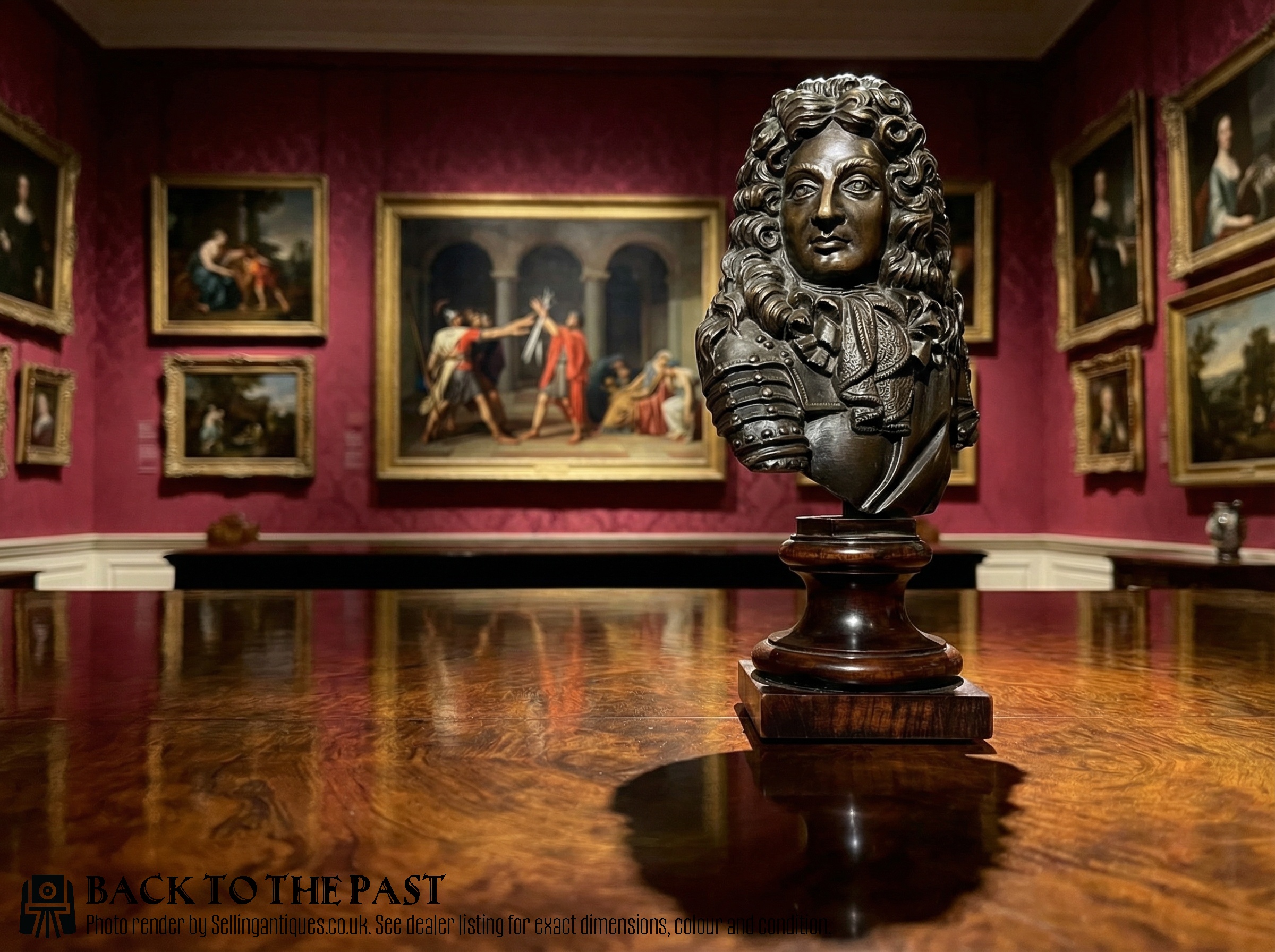
French Bronze Bust
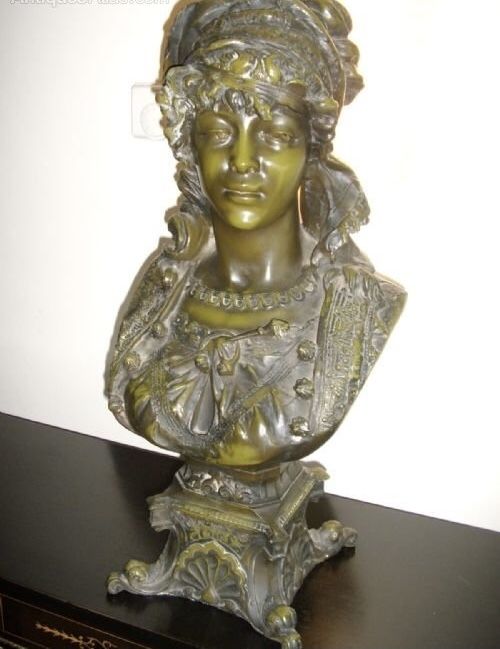
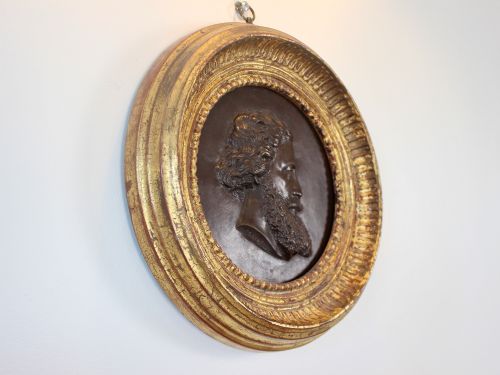
A french bronze bust focuses upon historical figures, literary characters, classical deities, and idealized female portraits spanning the nineteenth and early twentieth centuries. Collectors encounter works originating from the Victorian era, the Art Nouveau movement, and the Art Deco period.
Moulage and casting techniques yield cabinet-sized studies as well as monumental cabinet pieces, frequently mounted upon integral socles or stone plinths.
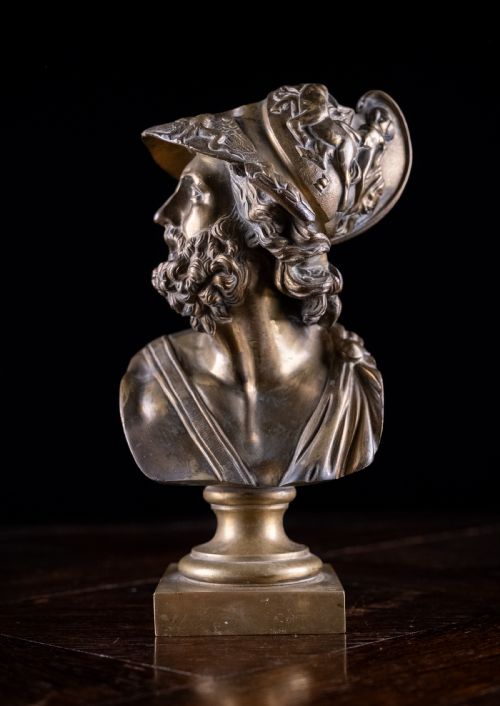
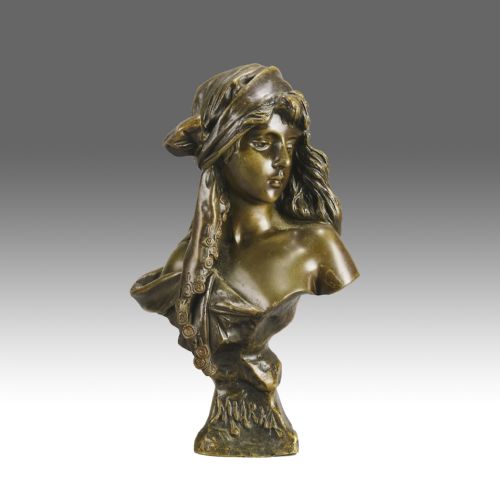
The selection ranges from anonymous foundry casts to signed artistic editions depicting classical heroes like Ajax alongside allegorical female figures.

How they were made
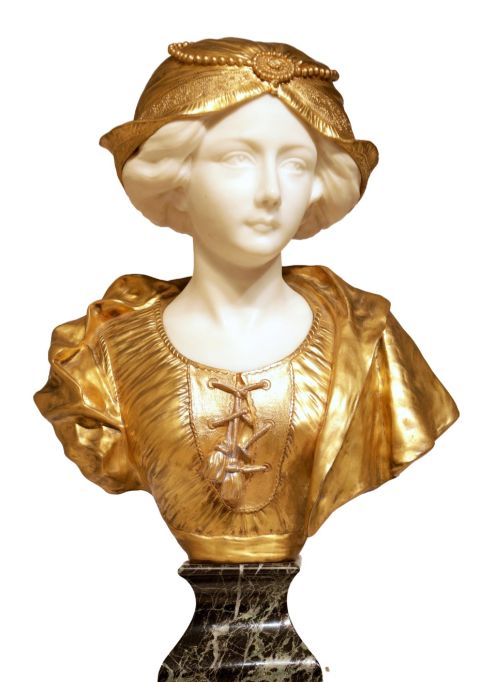
Foundries utilised the lost-wax method or sand-casting techniques to shape molten metal into intricate sculptural forms, capturing fine details in hair, drapery, and facial expression. Artisans applied chemical patination or gilding to achieve deep brown, black, or lustrous golden surface tones.
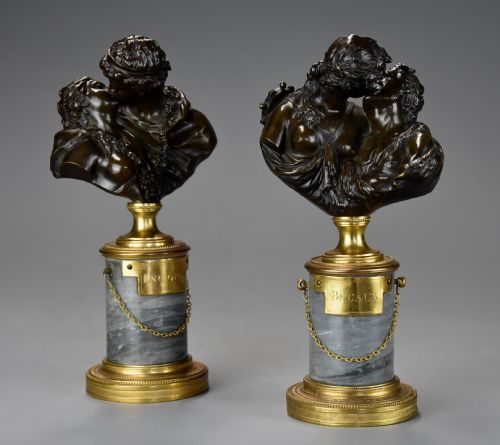
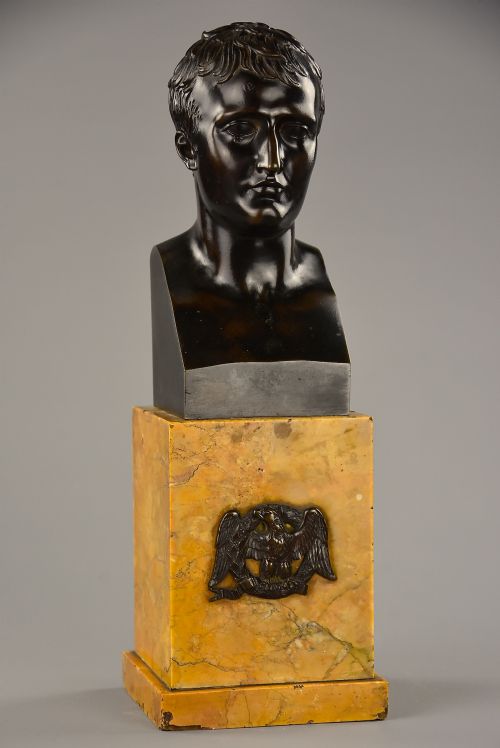
Many sculptures incorporate mixed media bases and integral supports fashioned from carved marble, onyx, alabaster, or polished ormolu collars.
French Bronze Bust Retail Price Guide 2026
Typical asking prices for french bronze bust among the pieces listed under this phrase on Sellingantiques today, from the lower quarter to the upper quarter. They describe what is for sale here now, not the wider market.
Listings feature 19th-century and early 20th-century sculptures in bronze, patinated bronze, and gilt bronze, frequently mounted upon marble, onyx, and ormolu plinths.
What varies in quality
Quality rests upon the crispness of the chase work, where skilled hands refined the raw metal casting to preserve facial nuance and textural depth. Superior examples display subtle patination transitions and bear legible signatures from recognised sculptors or established foundries.
The integration of supportive materials such as veined marble and gilt bronze mounts contributes to the overall presence of the sculpture.
Emmanuel Villanis·Georges-Charles Coudray·Henri Godet·Mathurin Moreau·George Van Der Straeten·Ernest-Eugène Hiolle·Adolphe Jean Lavergne·Ernest Rancoulet
The French Bronze Bust Glossary
- Patina
- A chemical surface coloration applied to bronze through oxidation or heat treatment. This layer protects the metal and provides the characteristic dark brown or green tone seen on antique sculptures.
- Ormolu
- Gilded bronze produced by applying a mercury and gold amalgam to the metal surface and firing it to drive off the mercury. The technique creates a rich, lasting golden finish characteristic of nineteenth-century decorative arts.
- Lost-wax casting
- A process where a wax model is encased in a mould, melted out, and replaced with molten bronze. It allows for high fidelity and intricate detail reproduction in sculptural works.
- Socle
- A short plinth or pedestal supporting a bust or statue. It provides visual stability and elevates the sculptural subject.
- Grand Tour
- Cultural travel undertaken by nineteenth-century elites who acquired small-scale bronze copies of classical antiquities. These souvenir busts frequently depicted Roman and Greek mythological figures.
French Bronze Bust: Frequently Asked Questions
How do I identify a cast?
Inspect the surface texture and seams to determine whether the piece was produced through sand-casting or lost-wax methods. Finer details and absence of heavy grinding marks typically indicate careful foundry work.
Signatures or foundry stamps located near the base often provide further clues regarding the origin of the casting.
What is patination?
Patination is the artificial or natural coloration of the bronze surface achieved through chemical applications. It ranges from warm brown tones to deep black or greenish hues.
This layer acts as a protective barrier while enhancing the visual depth of the sculptural details.
Where should I display a bust?
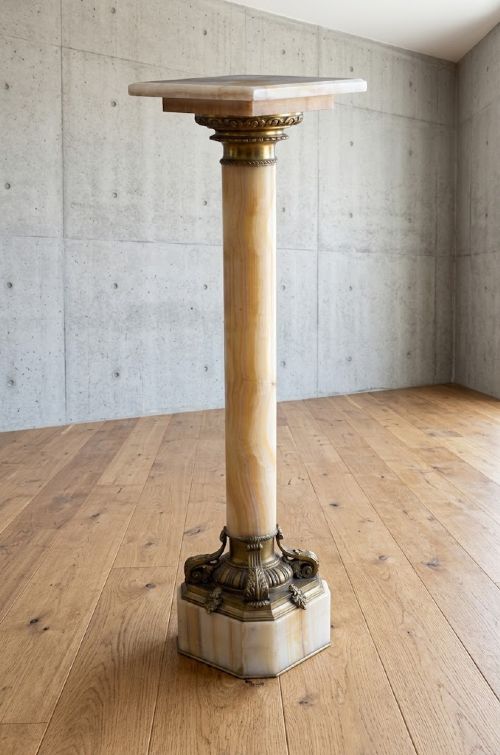
These sculptures suit stable, flat surfaces away from direct sunlight and damp environments to protect the metal patina and stone bases. Placing them on dedicated pedestals or sturdy mantelpieces offers proper viewing height.
Ensure the weight of the marble or onyx base is adequately supported by the furniture.
How do I clean bronze?
Dust the sculpture regularly with a soft, dry cloth to prevent particulate accumulation on the metal and stone surfaces. Avoid using liquid cleaners, abrasives, or polishes that might strip the historical patina.
Professional conservation advice should be sought if deeper cleaning becomes necessary.