

Antique Bronze Bust
An antique bronze bust brings the quiet weight of classical sculpture and nineteenth-century foundry work directly onto a desk or mantelpiece.
The Nature of the Pieces
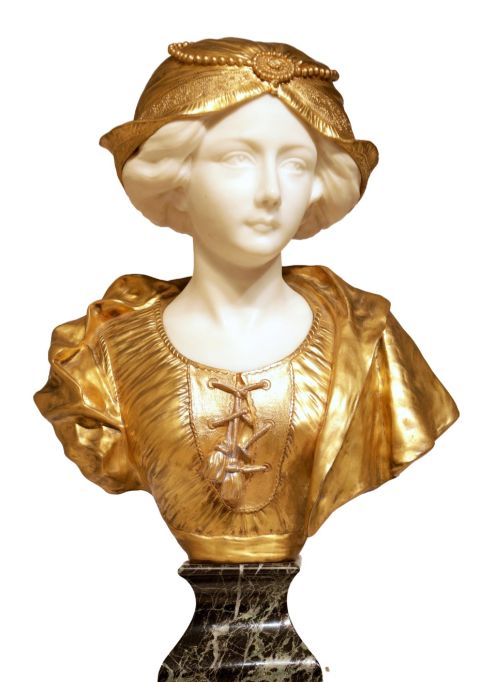
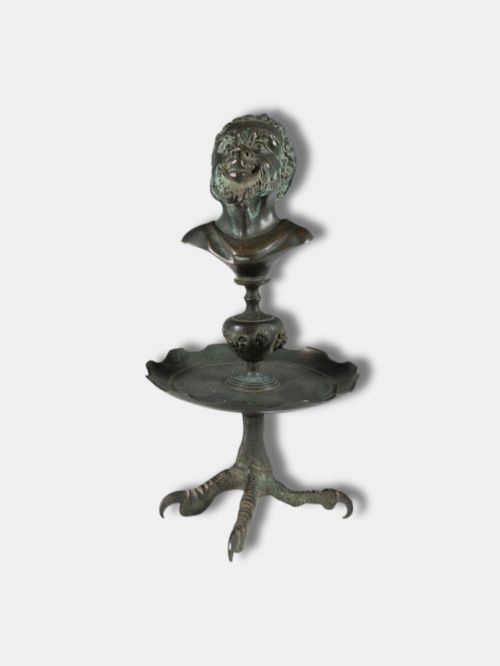
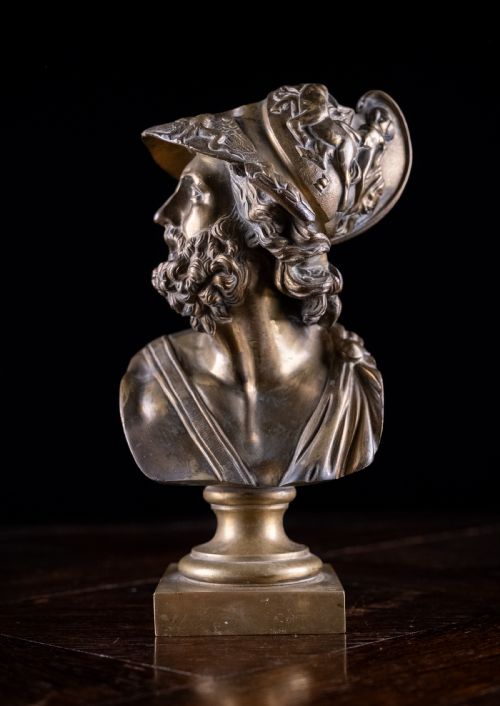
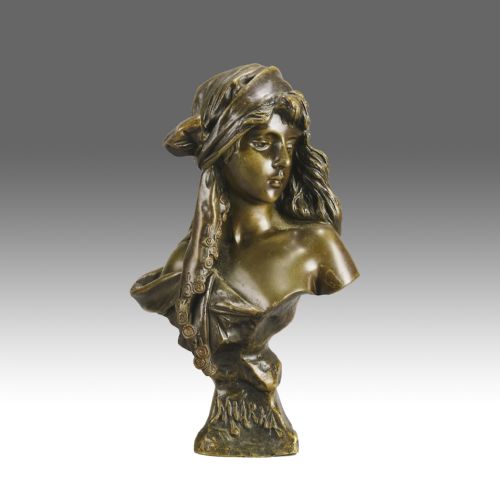
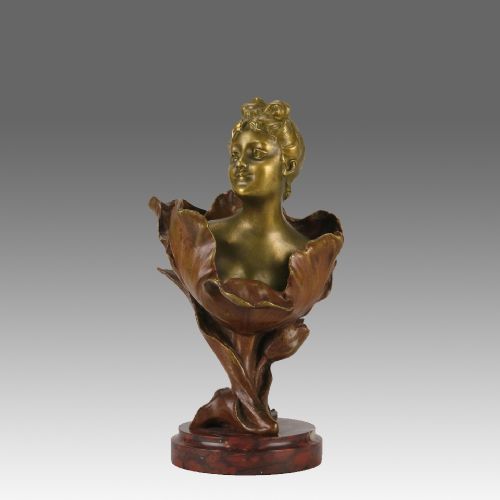
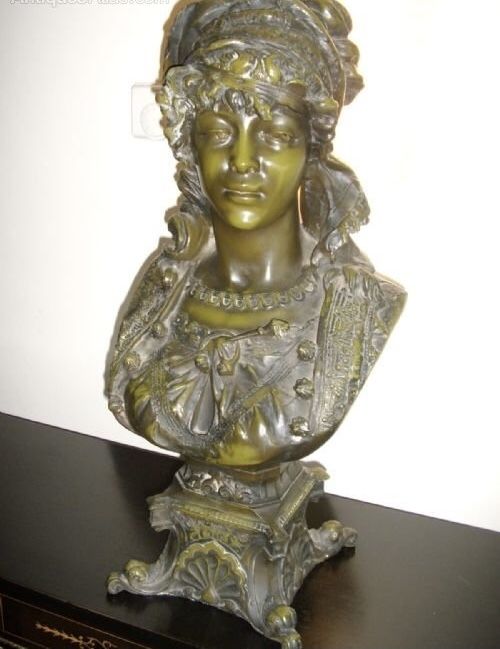
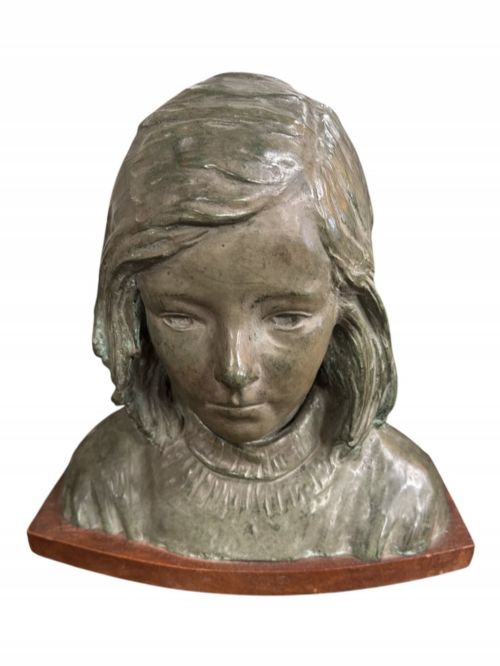
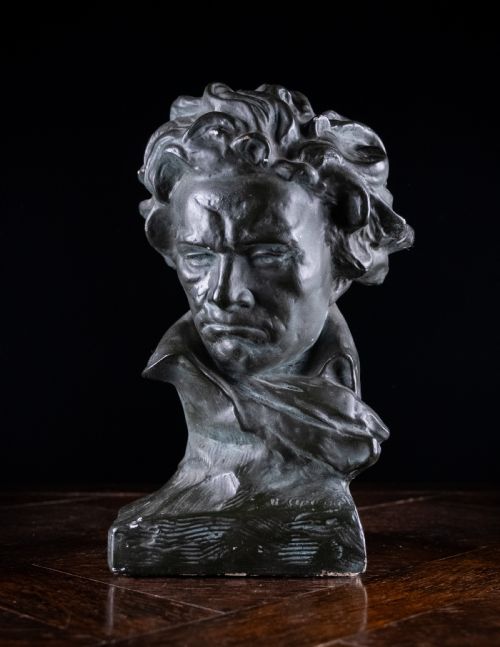
An antique bronze bust captures historical figures, literary characters, classical deities, and unknown sitters through the skilled eye of nineteenth-century and early twentieth-century sculptors. These portrait pieces record the likeness of emperors, philosophers, and mythological subjects with striking individual character.
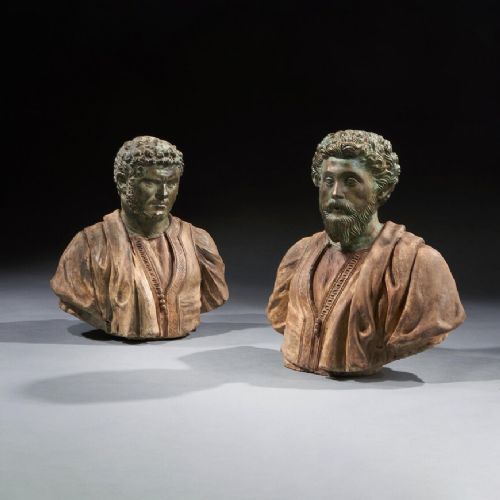
The versions most commonly met on this page originate from French and Italian foundries, spanning the nineteenth century up to the early twentieth century. Many take the form of Grand Tour souvenirs, bringing classical antiquity home to European drawing rooms through reduced-scale studies of famous ancient marbles.
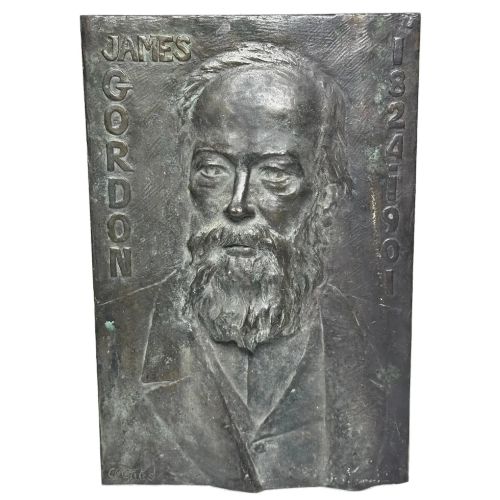
Makers and sculptors range from celebrated French and Hungarian artists to Italian workshops producing careful studies after the antique. Portrait subjects vary widely, moving from Roman emperors and Greek poets to named historical personalities and allegorical figures like Cinderella or Diana.
Materials and Technique
Foundries cast these portrait heads primarily in bronze, sometimes turning to brass or bronzed spelter for alternative production lines. The metal receives surface treatments ranging from dark patination to polished highlights, while terracotta and polychrome paint occasionally appear in the medium.
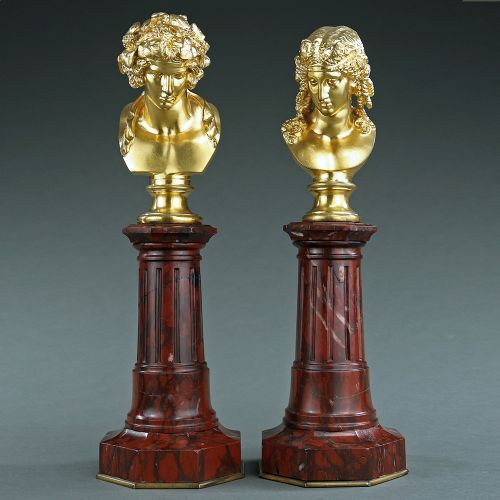
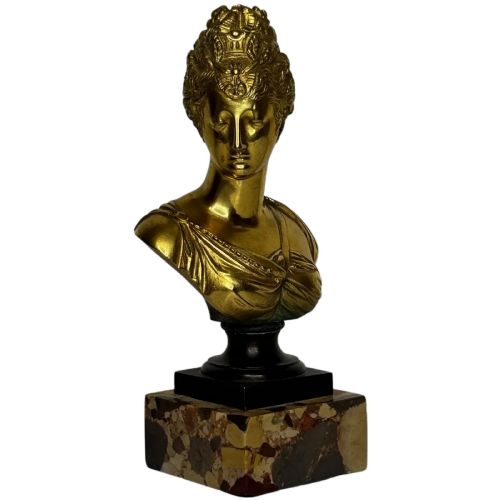
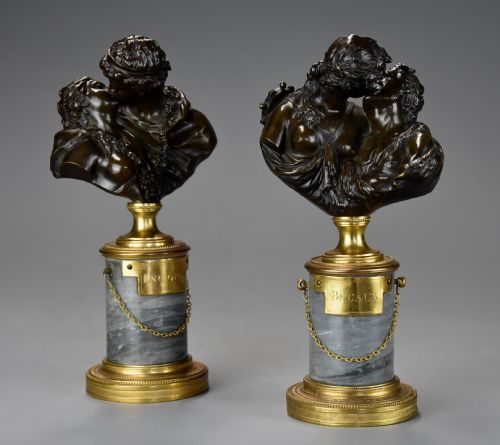
Sculptors frequently mounted their cast metal portraits onto integral or separate pedestals made from marble, with green marble appearing among the support materials. Bases often combine varied stone plinths to elevate the bronze work and provide visual stability.
Retail Price Guide 2026
Typical UK retail prices for bronze bust, calculated from the Sellingantiques database of over a million retail prices indexed since 2003. This retail price guide relies exclusively on Sellingantiques data; no external sources or auction records are used, so the figures do not describe the wider market.
Even Roman emperors and philosophical poets need dusting, preferably with a soft brush rather than a toga.
Distinctions in Quality
The definition in the cast separates the finest works from ordinary commercial output, revealing the sensitivity of the sculptor's hand in hair, drapery, and facial expression. Crisp chiselling after casting preserves the sharpness of the original model.
The integration of the bronze with its marble base and the depth of the patination dictate the overall presence of the piece. Superior examples display thoughtful patination that highlights the facial contours rather than flattening them beneath a uniform dark coating.
Giuseppe Moretti·Alajos Strobl·Mathurin Moreau·Willems·Georges Van Der Straeten·Eutrope Bouret·Emmanuel Villanis·Alexandre Falguière·Clodion·Susse Frères
The Antique Bronze Bust Glossary
- Patina
- The surface skin or coloration developed on bronze over time or applied by the foundryman through chemical treatment. This finish protects the metal and defines the visual texture of the portrait.
- Grand Tour
- A traditional journey through Europe undertaken by nineteenth-century travellers who collected small bronzes and antiquities as souvenirs. These reduction casts immortalise famous classical sculptures.
- Lost-wax casting
- A historic method where a wax model is melted out of a mould to leave a cavity for molten bronze. This technique allows for high fidelity to fine sculptural detail.
- Spelter
- A zinc-based alloy often used as a less expensive substitute for bronze during the nineteenth century. Finished with a bronze-look coating, it offers a lighter alternative to true metal casts.
- After the antique
- A descriptor for a sculpture copied from a well-known classical Greek or Roman statue. Nineteenth-century artists frequently revisited these ancient archetypes in bronze.
Frequently Asked Questions
What is an antique bronze bust?
An antique bronze bust is a three-dimensional sculptural portrait of a head and shoulders, cast in metal during the nineteenth or early twentieth century. These pieces record historical figures, mythological characters, and classical deities.
Foundries in France and Italy produced them as mantel ornaments, desk studies, and Grand Tour souvenirs. They combine cast metal with stone bases such as marble.
How do I care for bronze?
Bronze requires very little maintenance beyond occasional dusting with a soft, dry cloth. Avoid using liquid cleaners, polishes, or abrasive cloths that can strip the original patina.
Keep the sculptures away from damp environments and direct heat sources to preserve the metal surface and the integrity of the marble base.
What is a Grand Tour bronze?
Grand Tour bronzes are small-scale souvenir sculptures purchased by nineteenth-century travellers visiting classical sites in Italy. They typically reproduce famous ancient statues housed in museums.
These pieces allowed collectors to bring classical art and culture back to their domestic interiors across Europe.
How do I tell bronze from spelter?
Bronze feels heavy, cold to the touch, and displays a rich metallic grain beneath its patina where wear occurs. Spelter is noticeably lighter and softer, often showing a greyish metal beneath chips in the dark surface coating.
Magnetic testing can help, as neither material is strongly magnetic, but spelter items may reveal iron threaded rods or screws inside the mounting.