



Bronze Desk Sculpture
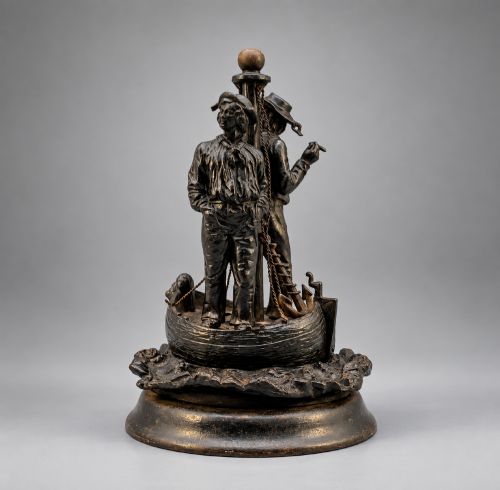
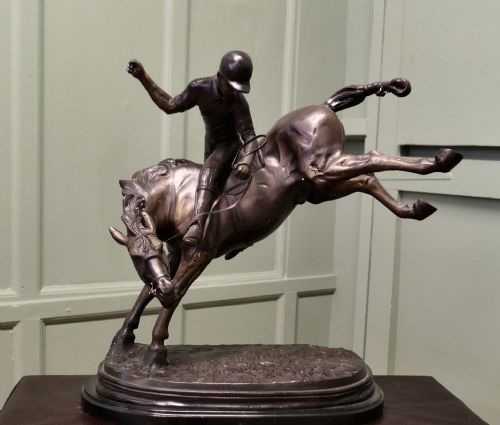
A bronze desk sculpture brings classical form and tactile weight to a workspace, offering small-scale figures and animals cast to sit directly amongst papers and ink.

Bronze Desk Sculpture
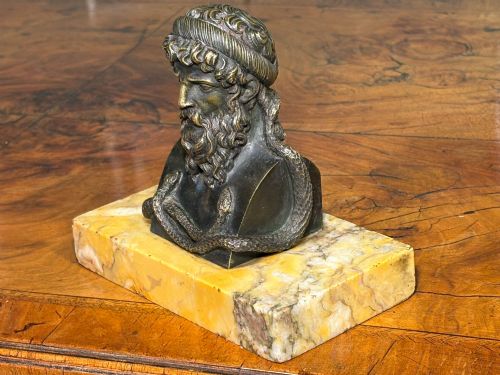
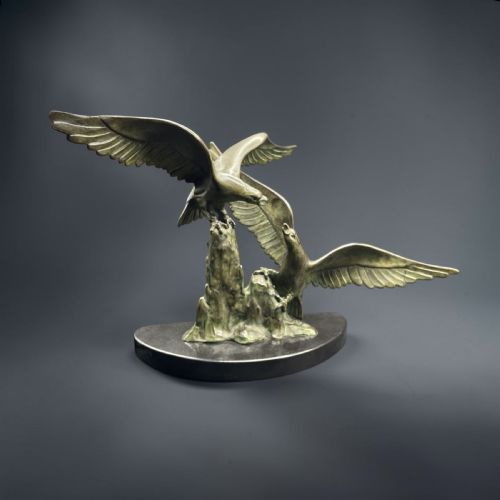
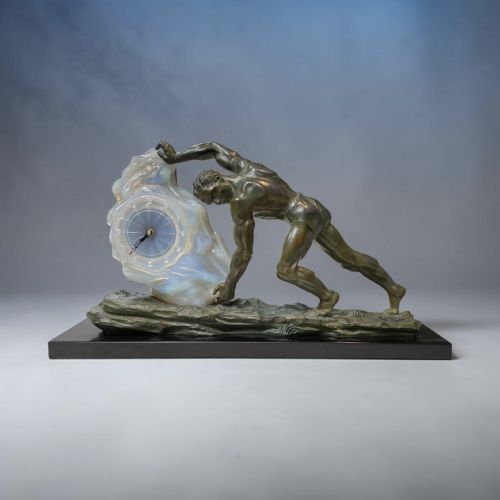
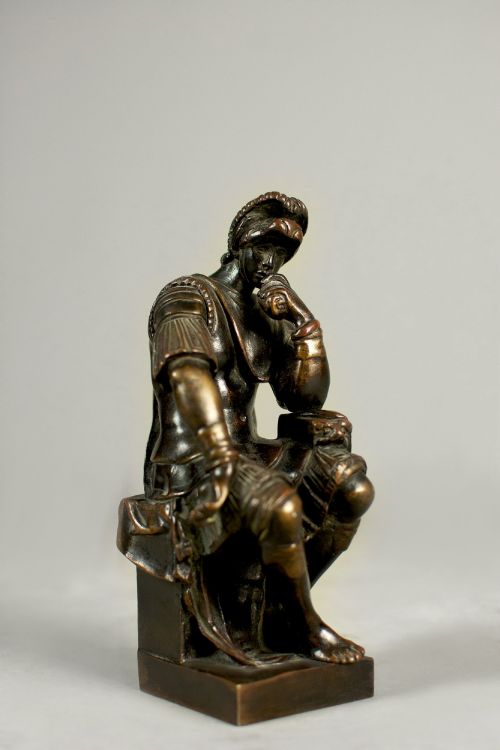
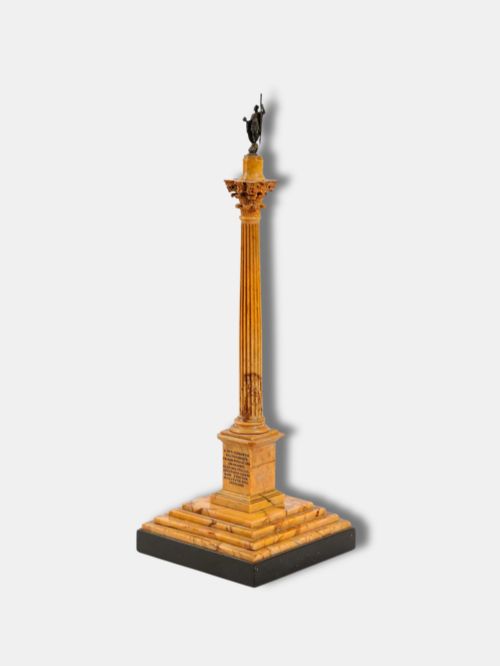
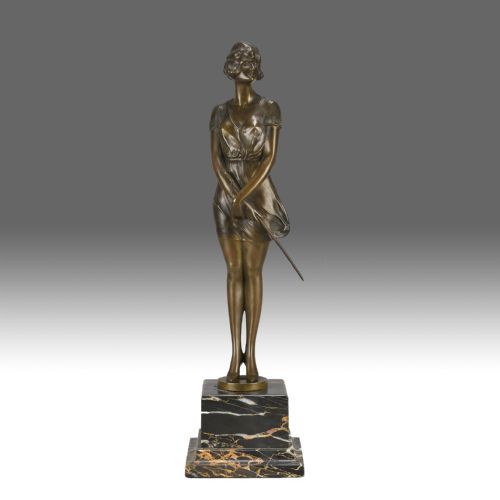
When searching for a bronze desk sculpture, buyers encounter a diverse selection of small decorative objects designed for functional or ornamental use on a table or writing surface. These pieces span the nineteenth and twentieth centuries, encompassing styles from the classical Grand Tour tradition to Art Nouveau and Art Deco designs.
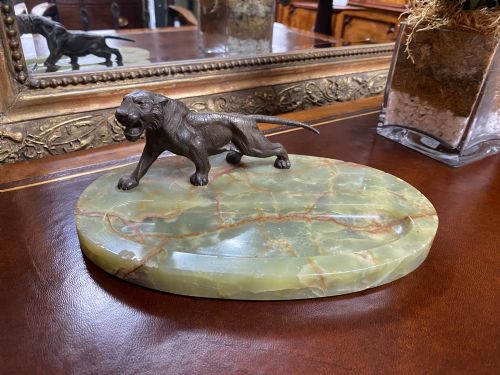
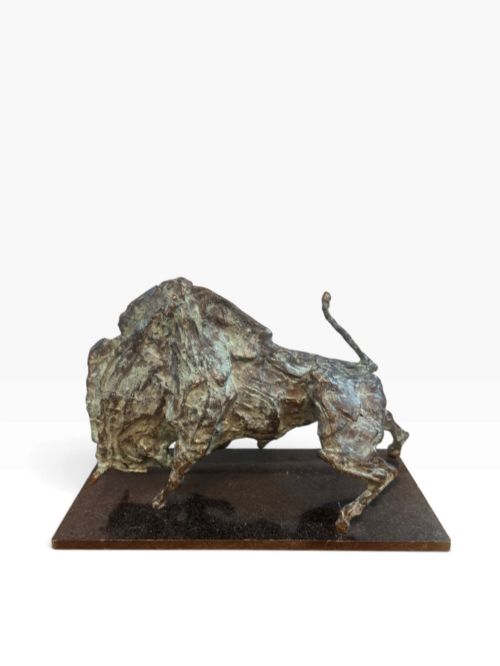
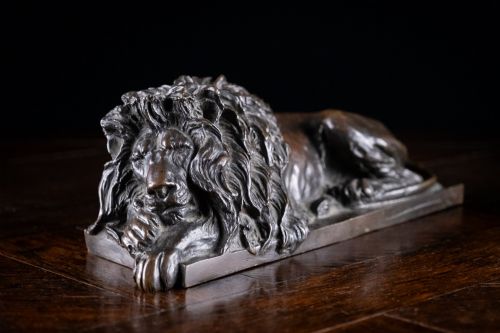
The inventory on this page ranges from utilitarian items such as inkwells, paperweights, and bookends to pure animalier studies and human figures. Originating primarily from European and Asian workshops, these works frequently incorporate bases of marble, onyx, or brass to complement the central metal casting.
How they were made
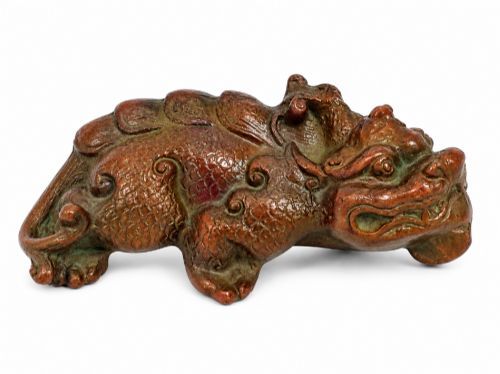
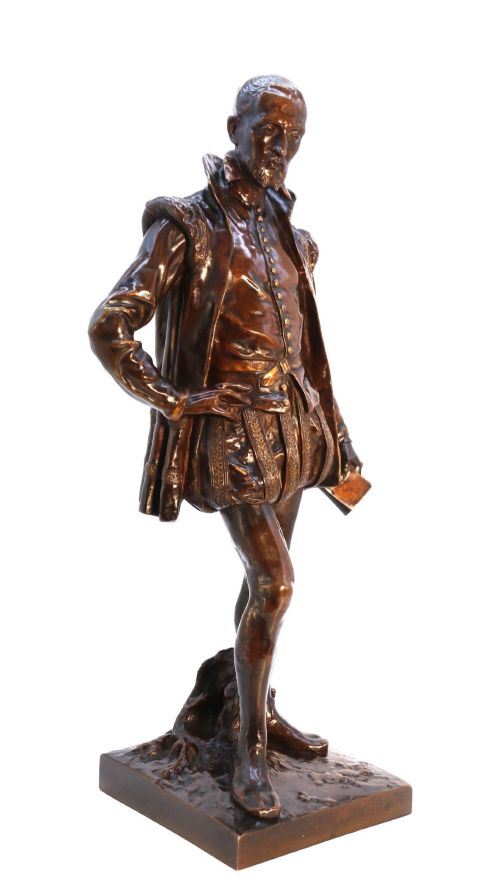
The pieces documented in the evidence are primarily produced through bronze casting, utilising both solid-cast and hollow techniques depending on the scale and period. Artisans often applied patinated finishes, ranging from dark brown tones to cold-painted polychrome colours, to achieve visual depth and texture.
Many sculptures are mounted on integral or secondary plinths of contrasting natural materials like marble, onyx, or slate. Select pieces also display fire-gilt highlights or hand-painted details that accentuate the intricate chasings and tool work on the metal surface.
Bronze Desk Sculpture Retail Price Guide 2026
Typical asking prices for bronze desk sculpture among the pieces listed under this phrase on Sellingantiques today, from the lower quarter to the upper quarter. They describe what is for sale here now, not the wider market.
Listings feature works from the 19th Century, 1900, 1910, 1920, and 1930 periods in bronze, marble, onyx, and brass.
What varies in quality
The choice and execution of the patina also dictate quality, with nuanced multi-layered patination outperforming flat or uniformly painted surfaces. Furthermore, the integration between the bronze figure and its stone or marble base reveals the maker's overall standard of construction.
Rudolf Küchler·Bruno Zach·Franz Bergman·Pierre Jules Meme·Émile Louis Picault·Christophe Fratin·Antoine Louis Barye
The Bronze Desk Sculpture Glossary
- Animalier
- A nineteenth-century artistic genre dedicated to the realistic portrayal of animals. Sculptors in this tradition focused closely on anatomical accuracy and natural behaviour.
- Grand Tour
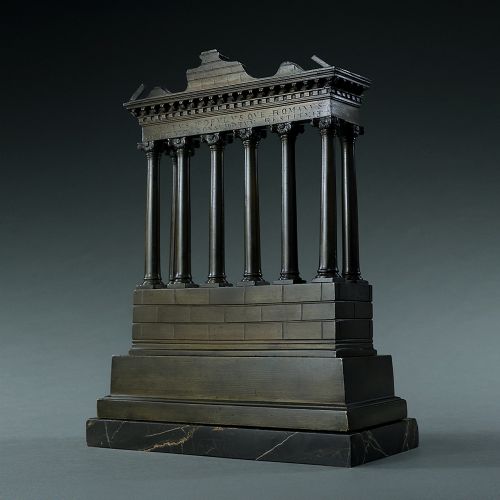
- A cultural tradition of European travel that inspired the production of miniature bronze copies of classical antiquities and Renaissance masterpieces. These souvenirs were popular among nineteenth-century collectors.
- Patina
- The surface coloration and sheen developed naturally over time or applied chemically by the artisan. It protects the metal and adds visual complexity to the sculpture.
- Cold-painted
- A decorative technique where paint is applied to a cold bronze object rather than fired in a kiln. This method is particularly characteristic of Austrian workshops from the early twentieth century.
- Bookends
- A pair of heavy supports designed to hold upright rows of books on a desk or shelf. They frequently feature figural or animalier bronze casts on sturdy bases.
Bronze Desk Sculpture: Frequently Asked Questions
What is a bronze desk sculpture?
A bronze desk sculpture is a small-scale metal casting created to sit upon a writing table, combining decorative artistry with practical forms like paperweights or bookends.
These pieces reflect diverse periods such as the nineteenth century or the Art Deco era, featuring subjects ranging from animals to classical figures.
How do I care for my bronze sculpture?
Maintenance requires gentle dusting with a soft, dry cloth to prevent the accumulation of grit in the recesses of the casting. Avoid harsh chemical cleaners or abrasive polishes that can strip the original patina.
Keeping the piece away from excessive moisture and direct sunlight preserves the stability of both the metal and any attached stone bases.
Were these pieces meant for writing desks?
Many items in this category served dual purposes as ornamental art and functional desk accessories such as inkwells, seals, and pen trays. Wealthy writers and scholars utilised them to organise correspondence and embellish their workspaces.
Other works were created purely as cabinet bronzes or miniature monuments for display.
How can I identify the period of a bronze?
Dating relies on stylistic markers, such as the flowing lines of Art Nouveau or the geometric styling of Art Deco, alongside the casting technique and material composition. Examining signatures, foundry marks, or inscriptions also provides direct evidence of origin.
Comparative analysis with documented historical examples helps narrow down the era of production.