






Vintage Bronze Head
A vintage bronze head brings classical presence or ritual gravity to a room, ranging from imperial portraits to divine figures.
Vintage Bronze Head
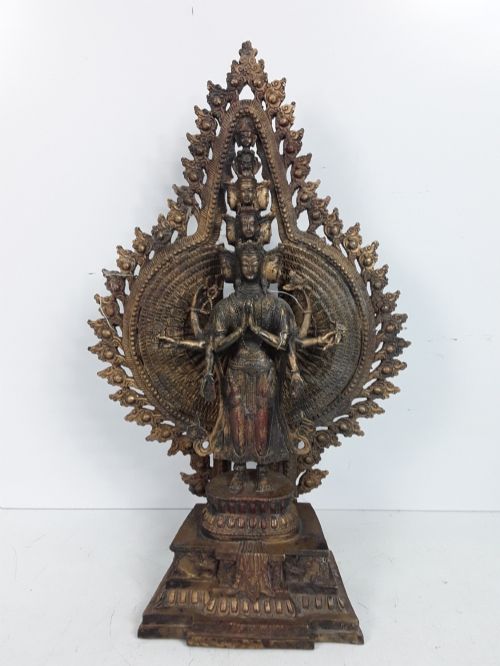
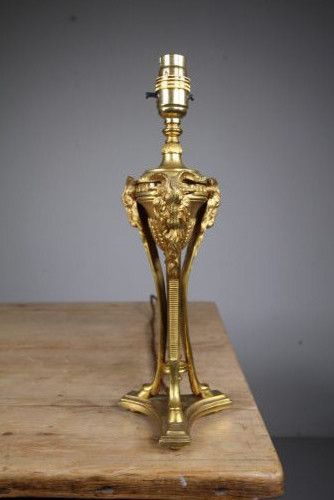
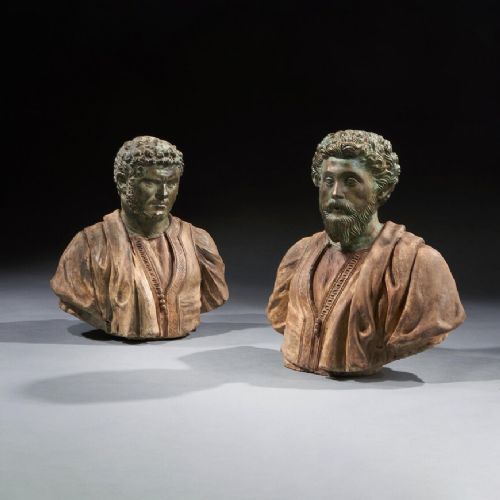
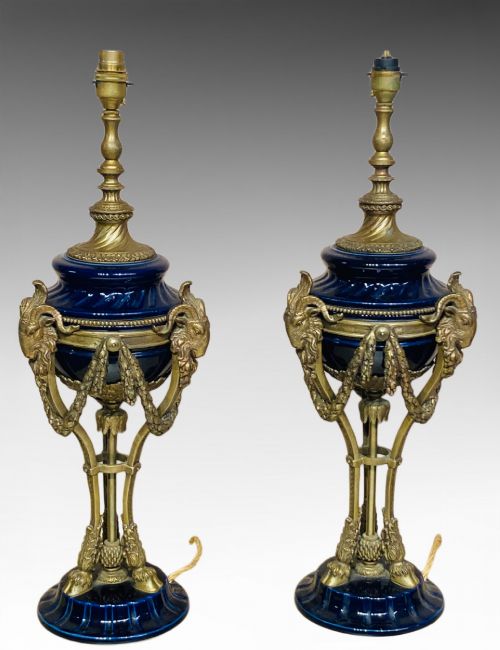
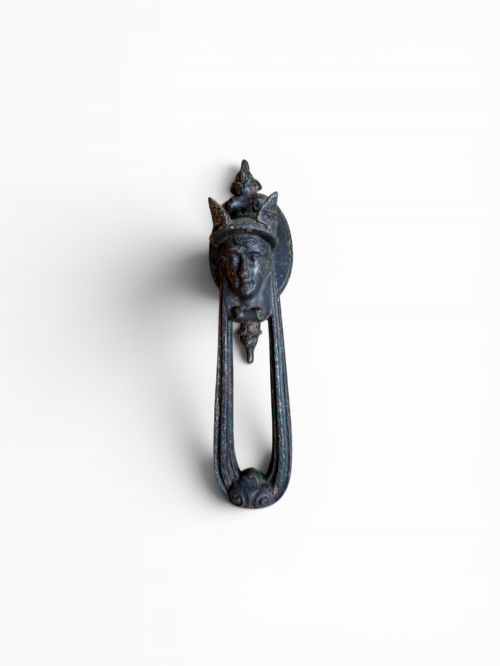
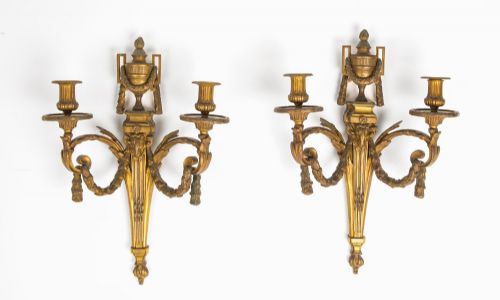
When you search for a vintage bronze head, you encounter sculptural works spanning the nineteenth century through the mid-twentieth century. These objects include portrait busts of historical figures, literary icons, and classical rulers mounted on marble plinths, alongside decorative elements such as ram mask wall lights and door hardware.
You are most likely to meet nineteenth-century examples and early twentieth-century castings on this page. These frequently draw upon neoclassical, Art Deco, and traditional African tribal aesthetics, reflecting diverse cultural origins from European foundries to Tibetan and West African traditions.
How they were made
The objects listed utilise metal casting techniques, predominantly working in bronze, ormolu, and gilt bronze, often complemented by marble bases. Foundries also employed alternative media such as terracotta, painted plaster, and cast iron to achieve similar sculptural depth.
Surface finishes vary from polished or gilded metals to patinated bronze and applied paint, highlighting the facial details of portraits and the intricate relief work of architectural mounts.
Several cats and elephants keep watch among the human rulers, proving that bronze founders enjoyed casting animals just as much as emperors.
What varies in quality
The quality of the secondary materials, such as heavy veined marble plinths or fire-gilded ormolu mounts, elevates the overall presence of the sculpture compared to simpler plaster or cast iron alternatives.
Giuseppe Moretti·Ernest Louis Adnin·J C De Blezer
The Vintage Bronze Head Glossary
- Ormolu
- Gilt bronze, typically referring to finely chased and gilded metal mounts used in French furniture and decorative objects. This technique creates a rich, gold-coloured finish.
- Patina
- The surface sheen or colour developed on bronze over time through age and handling, or applied artificially by the maker. It adds depth to the metal.
- Plinth
- A heavy rectangular or square base, often made of black marble, that supports a portrait bust. It gives the sculpture stability and visual elevation.
- Chasing
- The manual finishing process where a metalworker refines the cast surface using small hammers and punches. This restores crisp details lost in the mould.
Vintage Bronze Head: Frequently Asked Questions
How do I clean a bronze head?
Dust the surface gently with a soft, dry brush to prevent dirt accumulation without disturbing the patination. Avoid harsh chemical cleaners or abrasive cloths that strip the historic finish.
Apply a microcrystalline wax sparingly if the metal requires protection from atmospheric moisture. Buff lightly with a clean cloth after application to maintain a subtle sheen.
What is the difference between bronze and ormolu?
Bronze is an alloy of copper and tin cast into sculptural forms, while ormolu specifically denotes bronze that has been mercury-gilded. Ormolu displays a bright gold appearance typical of decorative French decorative arts.
Standard bronze relies on its own dark metal patina rather than a layer of gold leaf or amalgam. Both materials appear frequently in nineteenth-century decorative hardware and lighting.
How can I date a cast metal bust?
Examine the casting method, the quality of the chasing, and the style of the mounting for clues to its age. Nineteenth-century examples often exhibit heavier metal gauge and hand-finished details distinct from later reproductions.
Check the base and fixings for period-appropriate screws or bolts. Materials like black marble plinths also help narrow down the manufacturing decade.
Where should I display a heavy sculpture?
Place heavy bronze or marble-based busts on sturdy sideboards, mantels, or dedicated pedestals capable of supporting significant weight. Ensure the furniture surface is level to prevent accidental tipping.
Keep pieces away from direct heat sources and strong moisture fluctuations to protect patinated surfaces and plaster elements.