



Edwardian Bronze Portrait
These edwardian bronze portrait pieces capture historical likenesses in cast metal and stone, offering character and presence to any room.
Edwardian Bronze Portrait
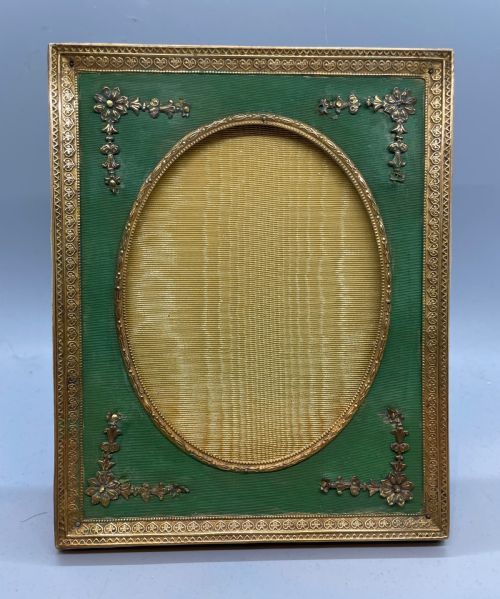
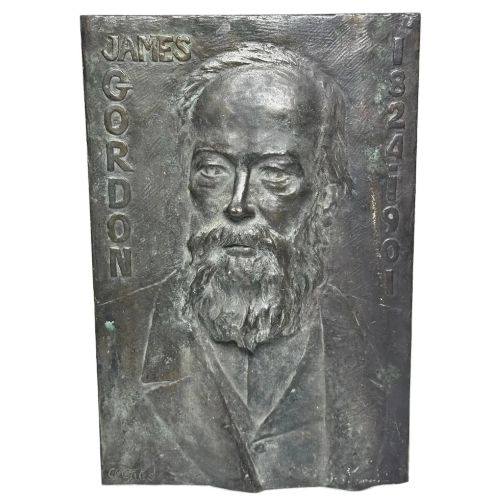
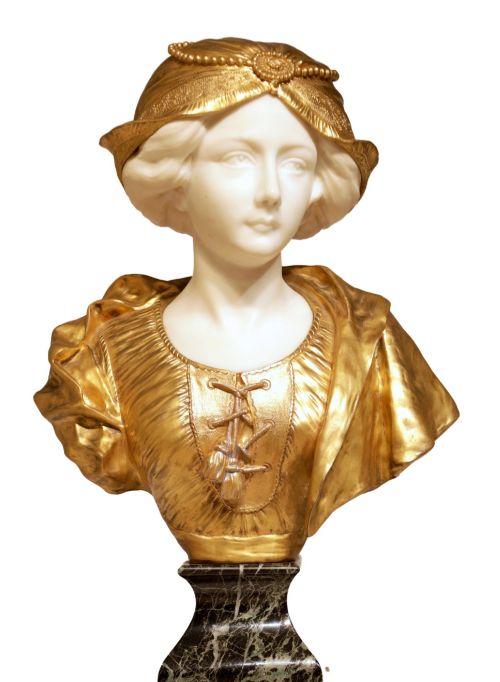
When you search for an edwardian bronze portrait, you encounter sculptural works and frames spanning the Edwardian era, 1900, and the early twentieth century. The selection includes portrait busts, plaques, and framed likenesses cast in bronze, gilt brass, and ormolu.
Most examples combine metalwork with marble bases or incorporate painted details and wood. The forms range from classical literary figures to specific historical gentlemen and young girls, reflecting the academic realism and art nouveau styles of the period.
How They Were Made
Maker studios cast these figures in bronze or gilt brass, frequently mounting the heavier metal portraits onto turned marble bases for stability and contrast. Some pieces integrate ormolu mounts and delicate glass or painted components to accent the primary metallic form.
Edwardian Bronze Portrait Retail Price Guide 2026
Typical asking prices for edwardian bronze portrait among the pieces listed under this phrase on Sellingantiques today, from the lower quarter to the upper quarter. They describe what is for sale here now, not the wider market.
Among the historical gentlemen and classical poets, a crystal regulator clock keeps steady watch over the portraits.
What Varies in Quality
Material combination also distinguishes the range, particularly the weight and selection of the supporting marble base or the intricacy of associated ormolu mounts. Superior examples exhibit a harmonious balance between the metal subject and its secondary materials.
Affortunato Gory·Giuseppe Moretti·G V Vaerenbergh·HL Blasche for Reps and Trinte
The Edwardian Bronze Portrait Glossary
- Ormolu
- Gilded bronze ornamentation applied to furniture, clocks, or frames. This technique involves coating base metals with a gold amalgam.
- Patina
- The surface sheen and coloration developed by bronze over years of exposure and handling. It indicates age and material authenticity.
- Relief
- Sculptural elements bonded to a flat background rather than standing completely free in space. These include portrait plaques mounted on panels.
- Terracotta
- Fired unglazed clay used for sculptural modeling. It provides a warm, matte alternative to cast bronze.
Edwardian Bronze Portrait: Frequently Asked Questions
What periods do these portraits cover?
The listings span the late nineteenth century through the early twentieth century, with a strong concentration around the Edwardian period and nineteen hundred.
Pieces also reflect surrounding influences like the belle epoque and classical revival movements of the era.
How were bronze busts displayed?
Sculptural busts typically sat on heavy marble bases designed to anchor the piece on desks, mantelpieces, or dedicated pedestals.
Smaller frames and plaques were hung on walls or placed on tabletops to display photographic portraits or miniature paintings.
What materials accompany the bronze?
Makers frequently paired bronze and gilt brass with carved marble bases, glass panels, and painted elements.
Some objects incorporate terracotta, plaster, or iron alongside ormolu mounts and wood frames.
How do styles differ in these works?
Styles range from academic realism capturing specific historical figures to decorative art nouveau and classical revival designs.
Portrait subjects include literary icons like Dante and Sappho alongside unrecorded gentlemen and young girls.