



Italian Bronze Statue
When you search for an italian bronze statue, you are looking at centuries of foundry craft dedicated to classical mythology, imperial history, and Renaissance masterworks brought home by travellers.
Italian Bronze Statue
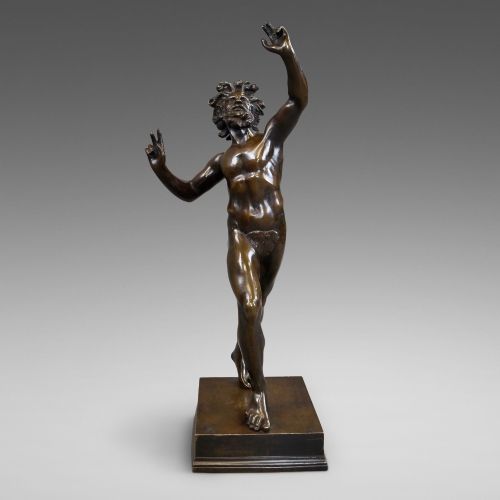
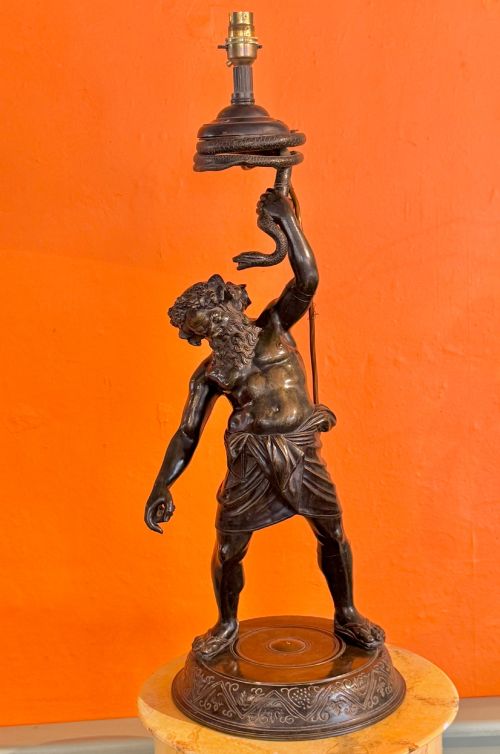
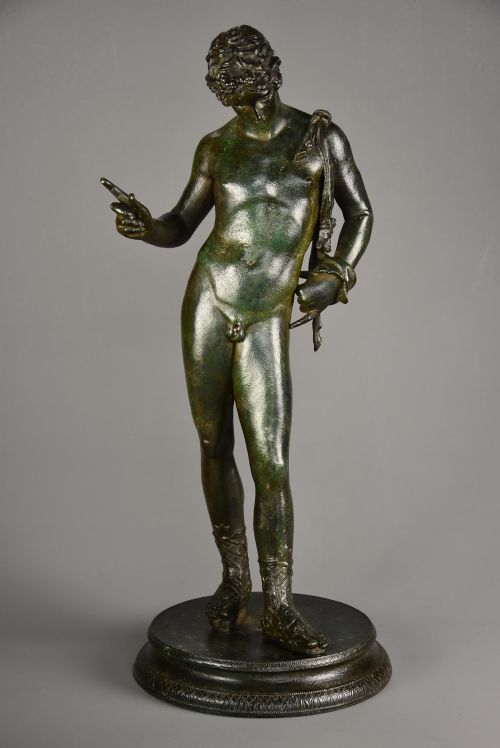
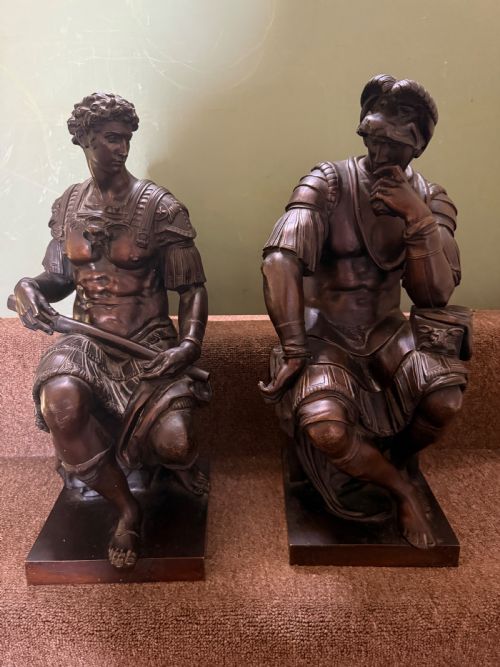
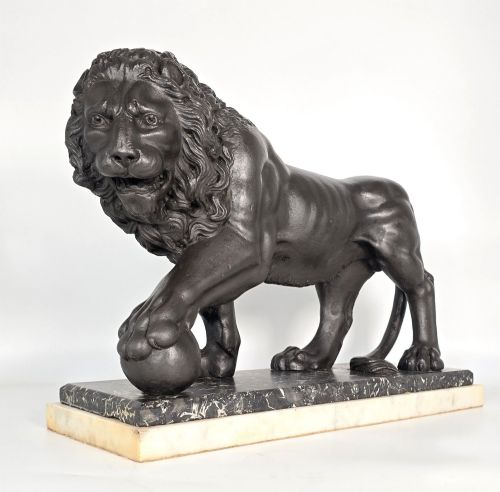
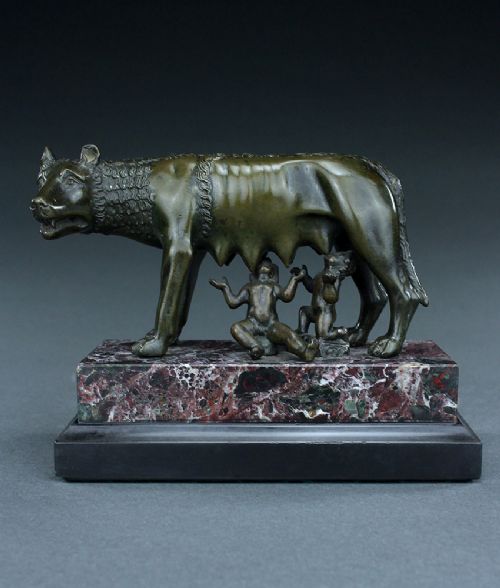
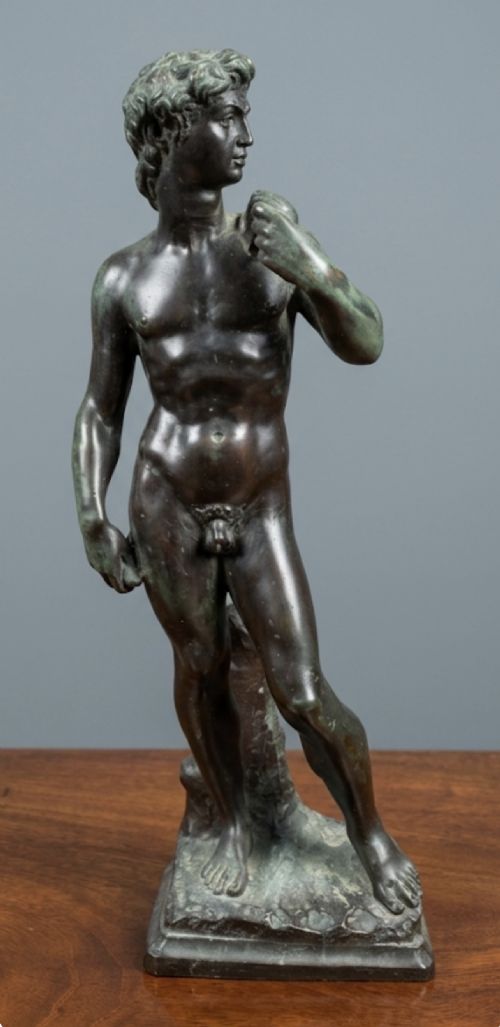
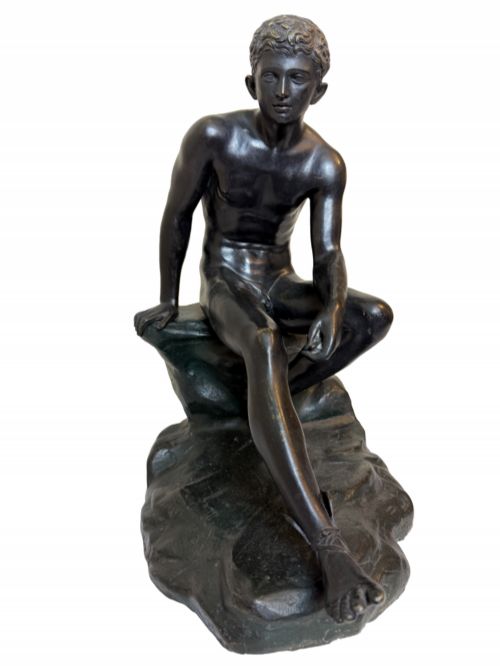
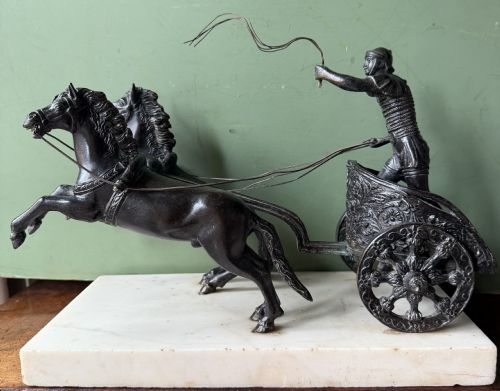
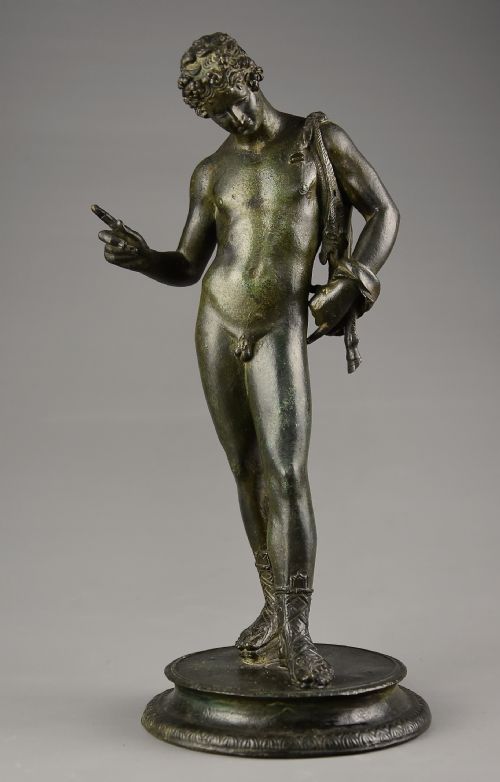
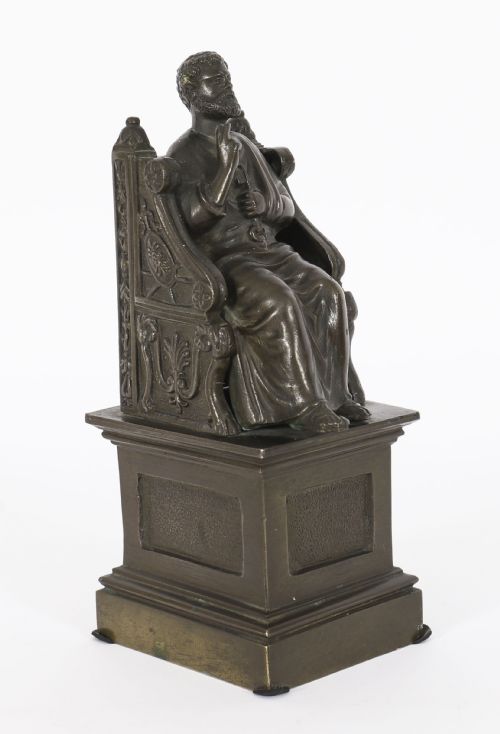
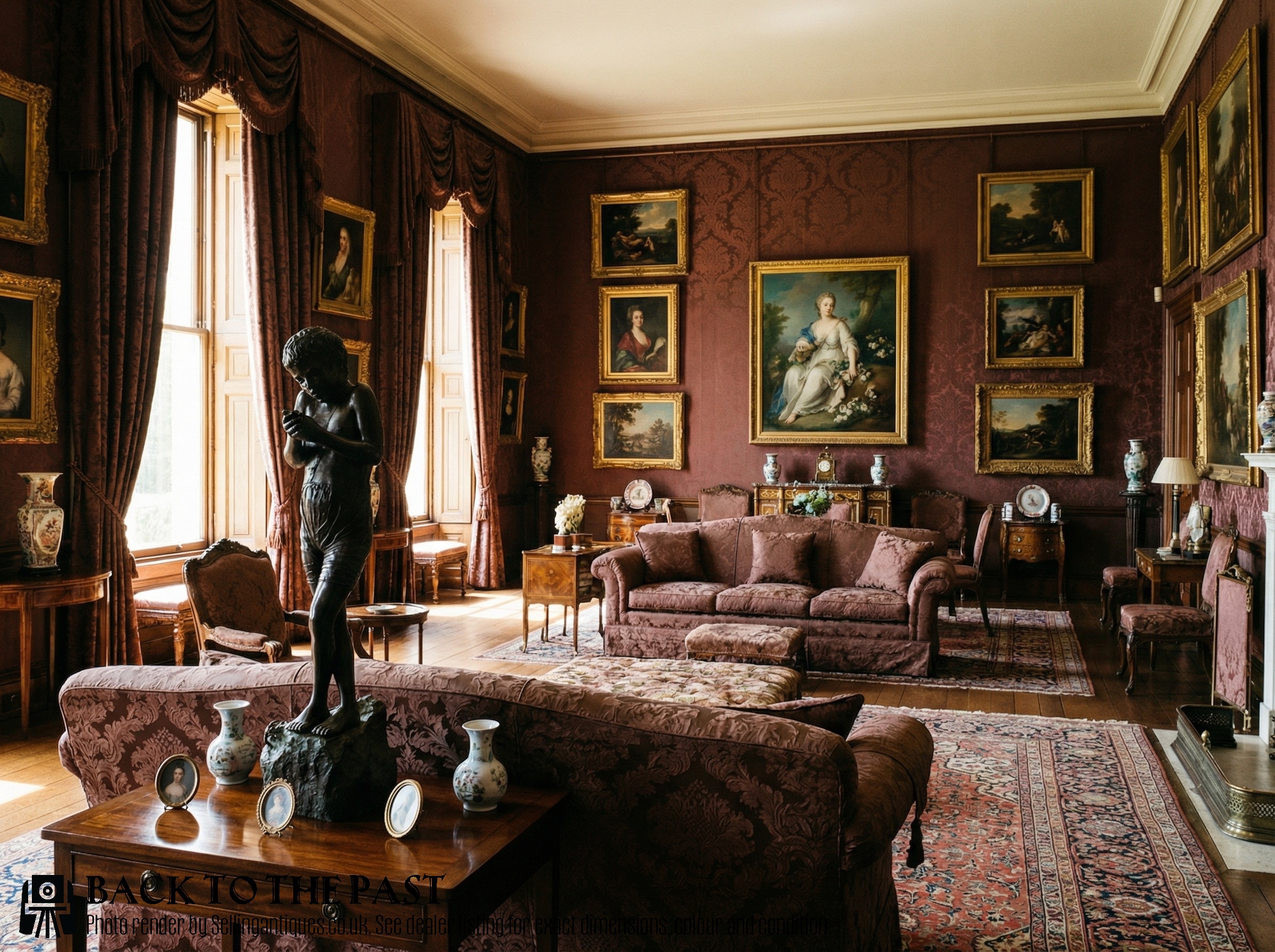
An italian bronze statue typically takes the form of a Grand Tour souvenir, cast in Italian foundries during the nineteenth century to commemorate travels through Rome, Florence, and Naples. These pieces replicate famous classical sculptures, Renaissance figures by Michelangelo and Giambologna, or architectural models of ancient temples.
The most common versions encountered here are cabinet-sized figures of mythological subjects such as Narcissus, the Dancing Faun, or the Medici Lions, frequently mounted upon white or coloured marble plinths. Alongside these human figures, collectors meet architectural obelisks, animal studies, and portrait busts cast in patinated, silvered, or gilt bronze.
How they were made
Foundries utilised the lost-wax casting technique or sand casting to achieve the fine anatomical details seen in these antique bronzes, often assembling larger compositions from multiple separately cast components. Artisans applied chemical patination treatments ranging from dark brown to deep green verdigris to simulate the appearance of excavated antiquities.
Many sculptures are paired with heavy marble bases, turned olive wood plinths, or brass mounts, providing structural stability and a decorative contrast to the dark metal surfaces.
Italian Bronze Statue Retail Price Guide 2026
Typical asking prices for italian bronze statue among the pieces listed under this phrase on Sellingantiques today, from the lower quarter to the upper quarter. They describe what is for sale here now, not the wider market.
Listings feature works spanning the nineteenth and early twentieth centuries, utilising materials such as patinated bronze, silvered bronze, marble, and olive wood.
What varies in quality
The depth and consistency of the patina alongside the density and finish of the supporting marble plinth also distinguish workshop output, separating standard souvenir trade items from exceptional foundry productions signed by known makers.
G. Amodio Naples·Luigi Secchi·Giuseppe Moretti·Giuseppe Renda·Augusto Rivalta·Zoffoli·Vannetti
The Italian Bronze Statue Glossary
- Grand Tour
- A traditional journey through Europe, undertaken by upper-class European young men of means in the seventeenth, eighteenth, and nineteenth centuries as a part of their education.
- Patination
- The process of treating the metal surface with chemicals to alter its colour and create an aged or protective finish. This layer often ranges from a polished golden tone to a dark green verdigris.
- Lost-wax casting
- A method of metal casting in which a molten metal is poured into a mould that has been created by means of a wax model. Once the mould is made, the wax is melted and drained away.
- Plinth
- A heavy base or slab upon which a statue, pillar, or obelisk is mounted. In these collections, they are frequently fashioned from white or coloured marble.
- Chasing
- The art of hand-finishing a raw metal casting using hammers and punches to refine details and remove surface imperfections.
Italian Bronze Statue: Frequently Asked Questions
What is a Grand Tour bronze?
A Grand Tour bronze is a nineteenth-century souvenir cast in Italy for travellers visiting classical ruins and museum collections. These figures reproduced famous antique sculptures on a smaller scale for display in European homes.
Subjects ranged from Roman gods and mythological heroes to Renaissance masterpieces by Michelangelo and Giambologna. They served as both intellectual trophies and decorative art.
Why are many mounted on marble?
Marble bases provided a stable foundation for heavy metal sculptures and added an architectural element to cabinet displays. White and coloured marble plinths complemented the dark patination of the bronze figures.
This method of mounting also echoed the presentation style of classical antiquity and museum exhibitions of the period.
How do I care for antique bronze?
Bronze requires minimal maintenance, relying on occasional dusting with a soft, dry cloth to prevent particulate buildup. Avoid using water, polishes, or chemical cleaners that can strip the historic patina.
Keeping the pieces away from direct sunlight and high humidity helps preserve the stability of both the metal and any attached marble bases.
How can I tell the age of the casting?
Dating relies on examining the casting technique, the wear on the underside of the base, and the characteristics of the surface patination. Nineteenth-century pieces often show hand-finishing marks and patination that differs from modern reproductions.
Foundry stamps, signatures, or specific historical subjects can also help narrow down the production period.