




Academic Bronze Sculpture
Academic bronze sculpture brings rigid nineteenth-century realism and classical mythology straight to your study with cast metal figures and portrait busts.
Academic bronze sculpture
Academic bronze sculpture encompasses nineteenth-century works shaped by European art academy traditions, spanning French and Italian neoclassical figures as well as dramatic realist studies. When you search for academic bronze sculpture, you encounter substantial works cast during the 1870s and 1880s, portraying mythological subjects, literary characters, and historical figures with meticulous anatomical precision.
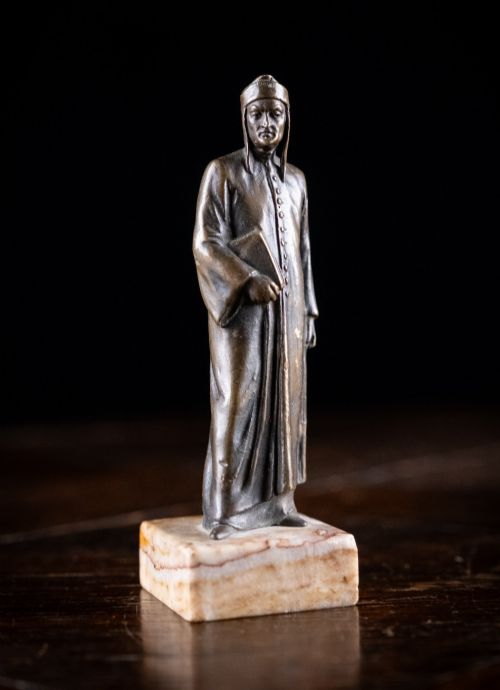
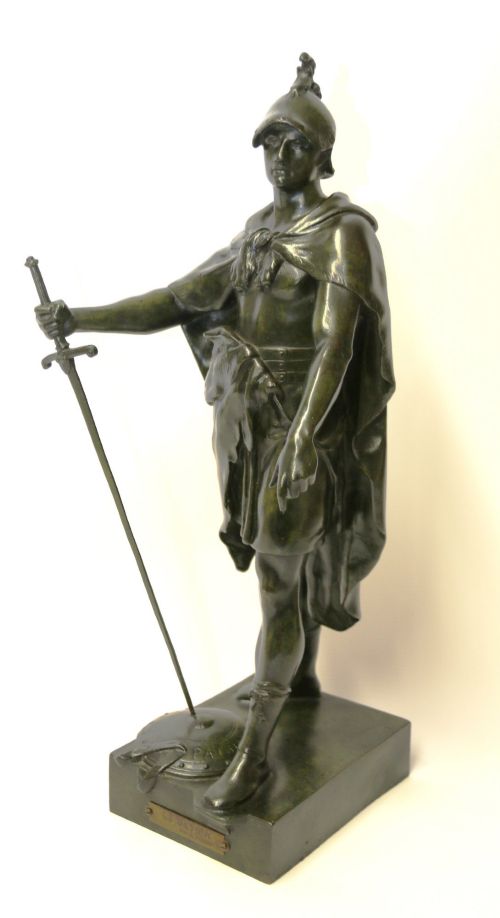
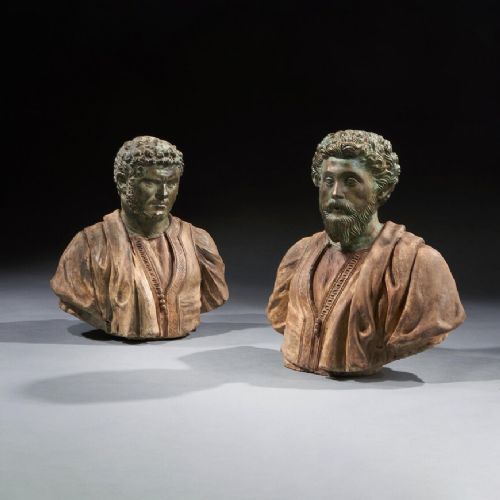
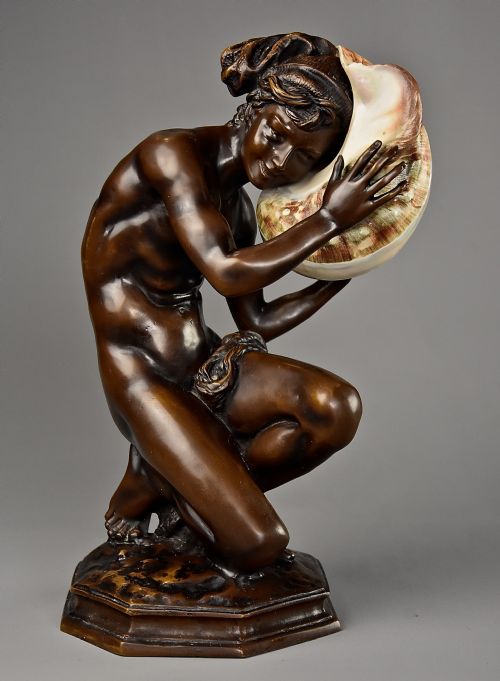
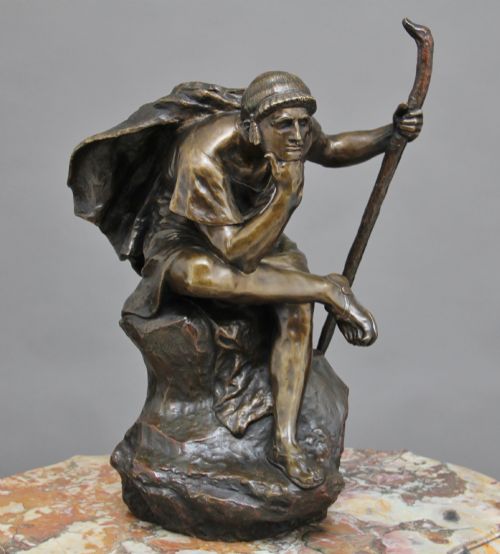
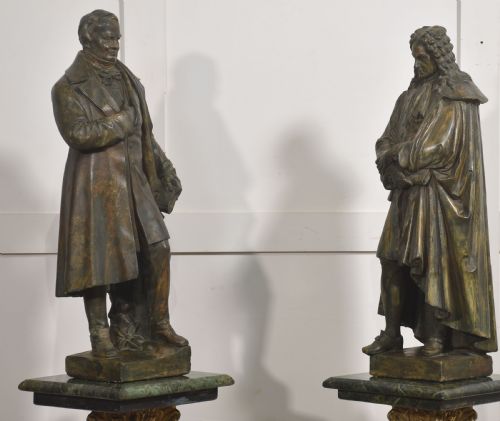
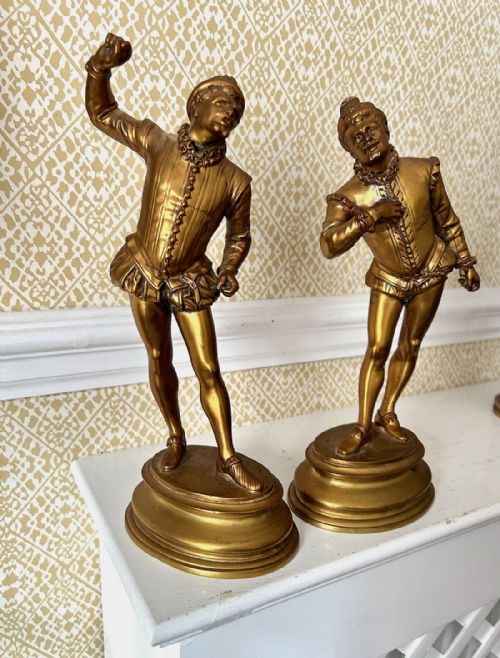
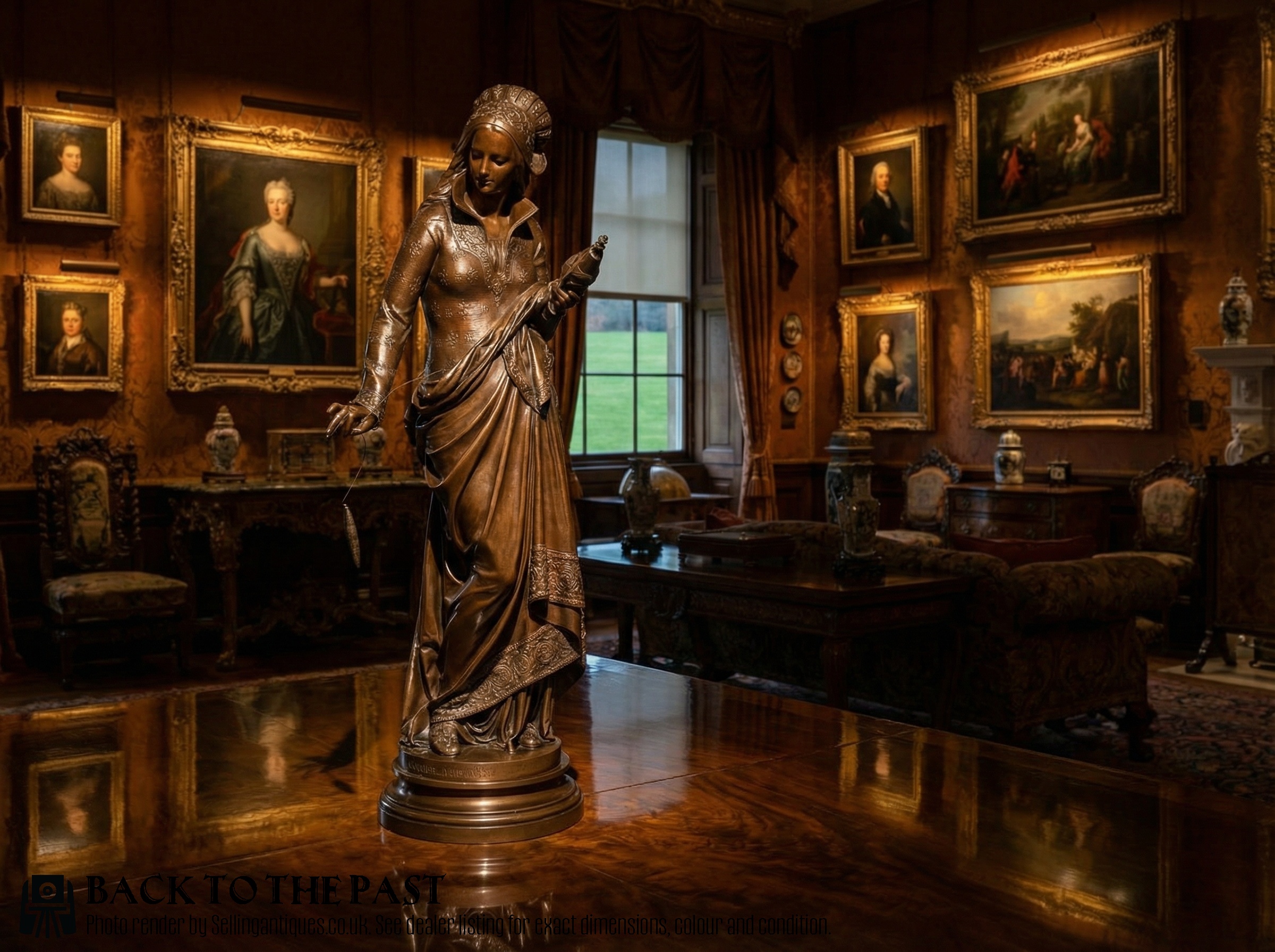
The pieces appearing on this page present distinct forms, ranging from imposing statues and balanced pairs of duellists to portrait busts mounted on stone plinths. Subjects include classical figures like Oedipus and Mignon alongside musicians, minstrels, and notable statesmen such as French President Marie François Sadi Carnot.
Makers represented in these listings include established European sculptors and designers such as Emile-Coriolan Guillemin, Alajos Strobl, Adolphe Jean Lavergne, Albert Carrier-Belleuse, Marcel Debut, and Renzo Colombo. These works reflect the strict technical standards and romantic or neoclassical sensibilities demanded by official nineteenth-century salons.
How they were made
These works utilise copper and tin alloys cast using traditional foundry methods, finished with patinated or gilt surfaces to highlight musculature and drapery. Many pieces incorporate carved marble plinths or bases that complement the metallic tones of the cast figures.
Makers applied chemical patination to achieve deep brown, black, or metallic finishes, while others employed gilding techniques to create striking two-tone effects on garments and accessories. Signatures and foundry marks are frequently inscribed directly into the bronze during the casting or chasing process.
Retail Price Guide 2026
Typical UK retail prices for academic bronze sculpture, calculated from the Sellingantiques database of over a million retail prices indexed since 2003. This retail price guide relies exclusively on Sellingantiques data; no external sources or auction records are used, so the figures do not describe the wider market.
Even hardened academics must smile at a bronze minstrel forever frozen mid-strum without a single tuning peg in sight.
What varies in quality
Quality in these works rests upon the crispness of the chasing and the fidelity of the casting, where sharper details in facial expressions and hair separate finer productions from simpler commercial editions. The depth and subtlety of the patination also dictate visual success, with superior examples displaying complex tonal variations across the metal surface.
The integration of materials such as contrasting marble bases and the presence of clear artist signatures or foundry stamps add historical weight and demonstrable authorship to specific pieces within the range.
Emile-Coriolan Guillemin·Alajos Strobl·Adolphe Jean Lavergne·Albert Carrier-Belleuse·Marcel Debut·Renzo Colombo
The Academic Bronze Sculpture Glossary
- Patinated bronze
- Bronze treated with chemical solutions to produce a controlled surface colour ranging from warm brown to dark green. This finish protects the metal and defines sculptural contours.
- Gilt bronze
- Bronze coated with a thin layer of gold using mercury amalgamation or electroplating techniques. This treatment creates a brilliant, reflective surface often used to accent specific details.
- Neoclassical
- A style rooted in the revival of classical Greek and Roman art forms, prioritising balance, proportion, and heroic subject matter. It heavily influenced nineteenth-century academic training.
- Academic realism
- An artistic approach taught in official European academies that combines strict anatomical accuracy with polished surface finishes and dramatic narrative themes. It governs the visual language of these figures.
- Chasing
- The manual finishing process where a metalworker uses small punches and hammers to refine surface textures, remove casting flaws, and sharpen details after the pour.
Frequently Asked Questions
What is academic bronze sculpture?
Academic bronze sculpture refers to nineteenth-century cast metal works produced under the influence of European art academies. These pieces emphasise strict anatomical accuracy, narrative depth, and classical or realist subjects.
The listings on this page demonstrate this tradition through mythological figures, literary characters, and portrait busts created during the 1870s and 1880s by notable European sculptors.
How do I identify nineteenth century bronzes?
Nineteenth-century bronzes are identified through stylistic markers typical of the period, such as detailed academic realism, classical drapery, and specific casting characteristics. Many examples also feature inscribed artist signatures or period foundry marks.
Examining the depth of the patination and the quality of the chased details helps distinguish authentic nineteenth-century production from later reproductions.
Where were these sculptures displayed?
During the nineteenth century, these sculptures were commissioned or purchased to adorn the grand salons, libraries, and studies of private collectors and public institutions. Their substantial presence suited formal architectural interiors.
Today, collectors place them on sturdy sideboards, pedestals, or dedicated desks where their patinated surfaces and fine details can be appreciated up close.
What subjects are most common?
Common subjects include figures drawn from classical mythology, such as Oedipus, alongside literary characters like Mignon and theatrical figures including minstrels and musicians. Portrait busts of contemporary statesmen and historical figures also appear frequently.
These varied subjects reflect the broad intellectual and cultural interests promoted by European art academies during the 1870s and 1880s.