



Bronze Figural Statue
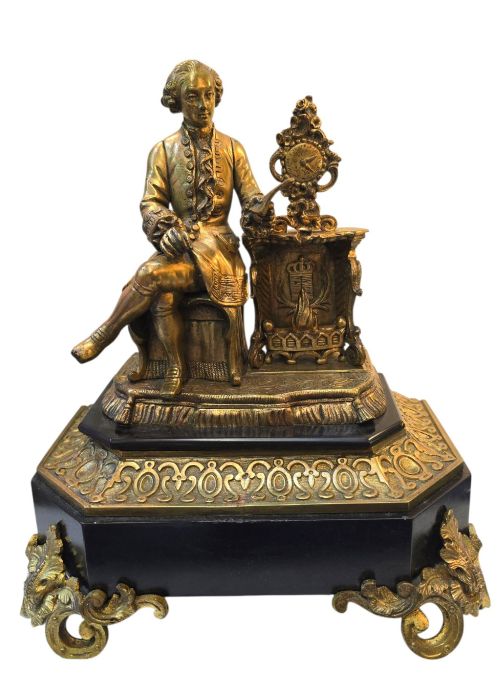
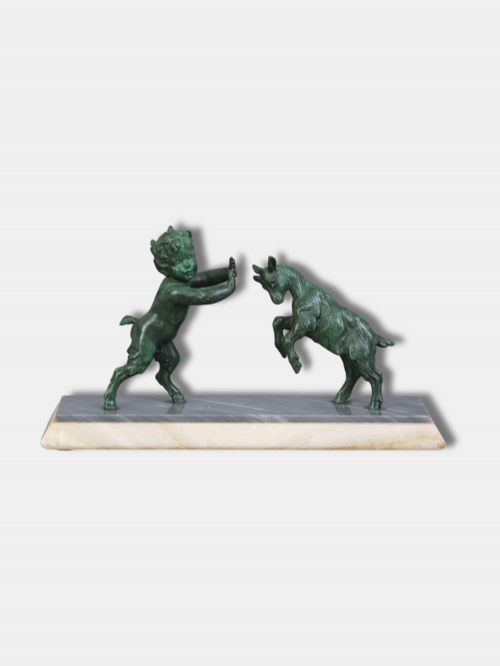
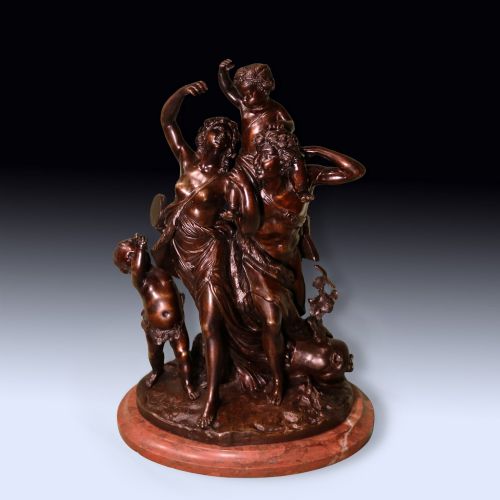
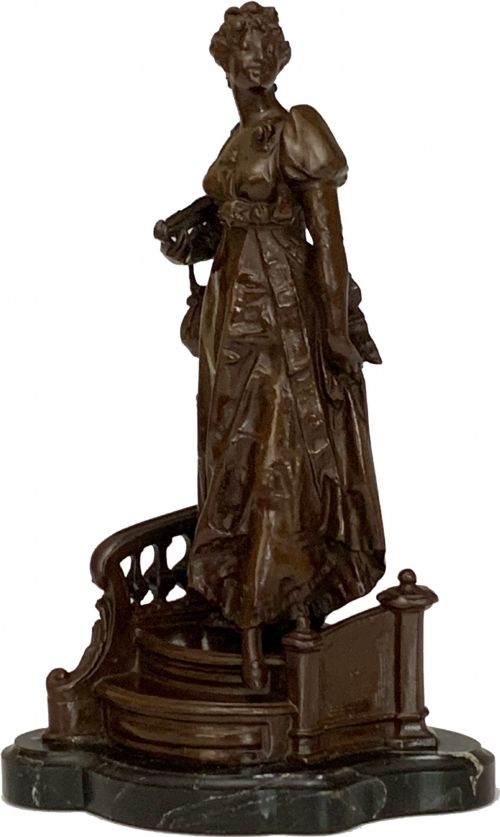
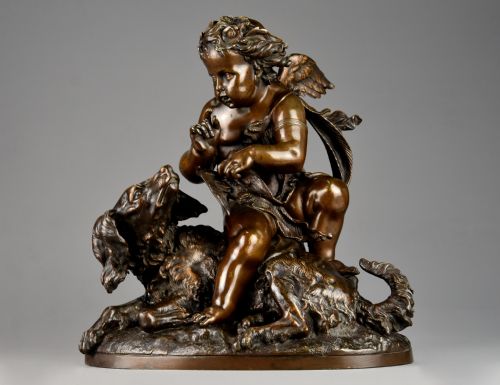
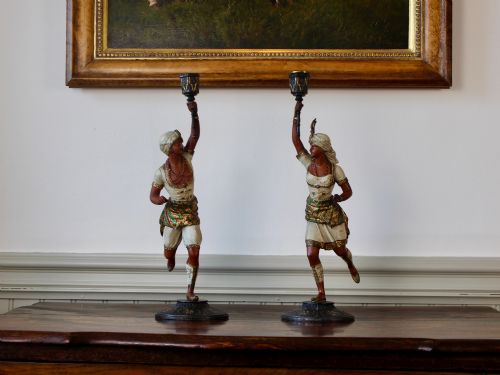
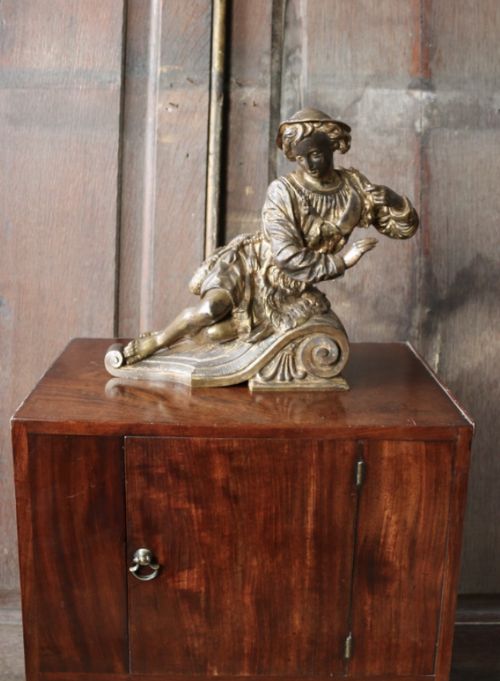
A bronze figural statue brings sculptural presence into a room, offering classical mythology, Victorian realism or nineteenth-century character studies cast in metal.
Understanding bronze figural statue
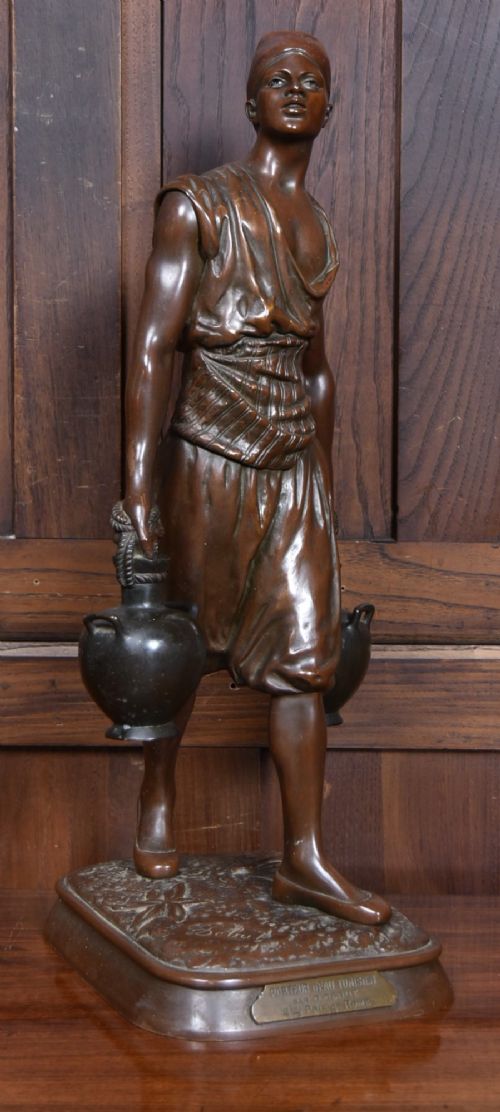
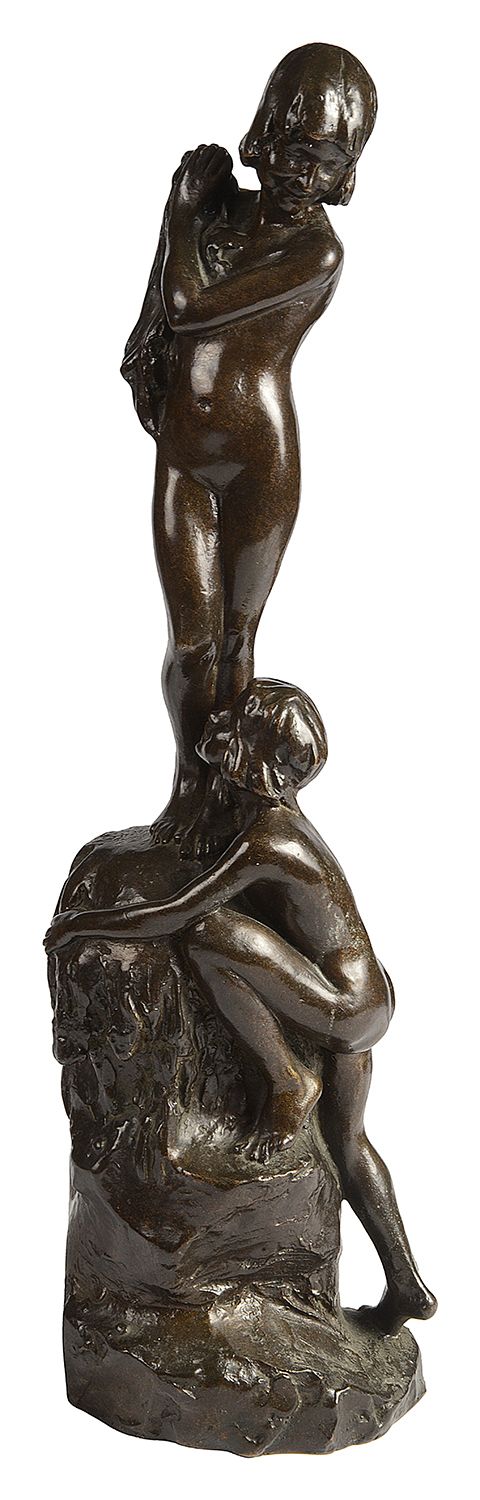
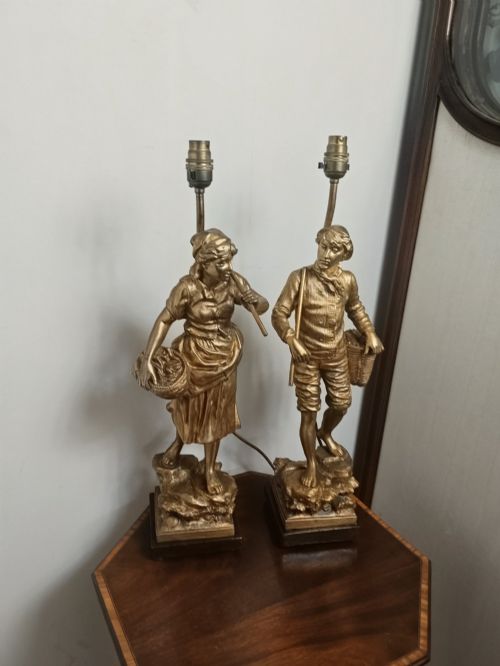
A bronze figural statue takes many forms across the eighteenth and nineteenth centuries, ranging from mythological groups and literary figures to street urchins and fisher boys. Buyers examining these pieces encounter works produced in the nineteenth century, including specific dates such as 1880 and 1890, alongside eighteenth-century interpretations.
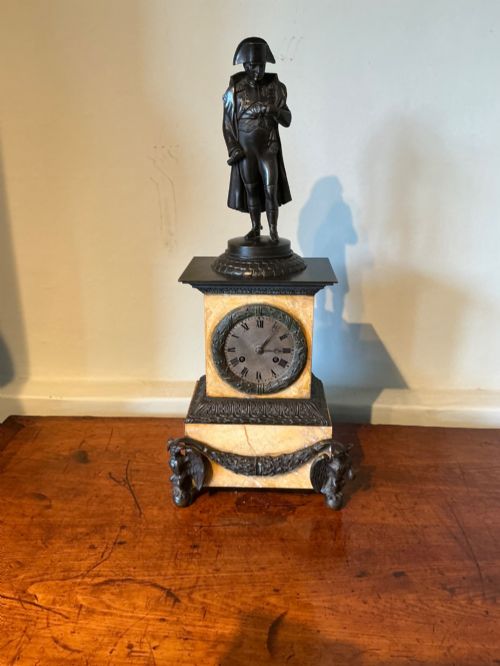
Sculptural subjects span classical scenes like the abduction of a Sabine woman after Giambologna, French Realism by makers such as Joaquim Angles, Eugene Laurent and Charles Anfrie, and figures associated with Dickensian scenes or literary characters like Mignon. Certain examples incorporate marble bases or integrated rock plinths to support the standing metal figures.
The objects listed demonstrate a lineage from Mannerist models through to nineteenth-century French and Victorian tastes. These sculptures function primarily as decorative interior works, utilising patinated metal to capture human form and narrative action.
Materials and methods
The primary material across these works is bronze, often combined with marble for bases or structural support. Metal casting techniques allow for intricate rendering of drapery, musculature and surface texture, creating solid three-dimensional figures.
Surface finishes include patination on the bronze to achieve dark or tonal qualities, complementing the variegated or solid properties of associated marble plinths. The combination of cast metal and stone provides both visual contrast and physical stability for upright figures.
Retail Price Guide 2026
Typical UK retail prices for bronze figural statue, calculated from the Sellingantiques database of over a million retail prices indexed since 2003. This retail price guide relies exclusively on Sellingantiques data; no external sources or auction records are used, so the figures do not describe the wider market.
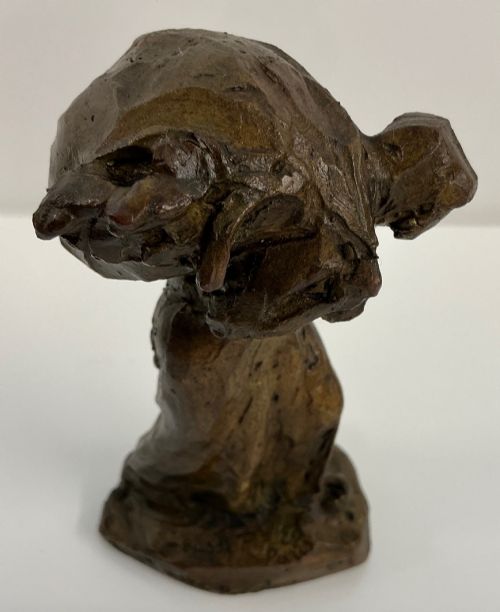
Fisher boys stand resolutely on solid rock while street urchins hold their ground in heavy cast bronze.
Judging quality in cast sculpture
Quality in a cast figure rests upon the crispness of the detail in the metalwork and the fidelity of the casting to the original model. Sculptures that preserve sharp facial expressions, fine hair texture and well-defined drapery reflect superior foundry work.
The sophistication of the composition and the reputation of the named sculptor or workshop elevate certain pieces above anonymous factory output. Integrated elements such as naturalistic rock bases and well-fitted marble mounts contribute to the overall execution.
Giambologna·Joaquim Angles·Charles Anfrie·Eugene Laurent
The Bronze Figural Statue Glossary
- Bronze
- A copper and tin alloy used for casting sculptural figures. It takes patination well and allows for durable, highly detailed work.
- Patina
- The surface coloration and sheen developed naturally over time or applied chemically by the foundry. It enhances the visual depth of the metal.
- Mannerist
- A sixteenth-century European art style characterised by elongated proportions and complex, twisting poses. Many later casts reference this aesthetic.
- Realism
- An artistic movement focusing on everyday subjects and realistic human representation without idealisation. Nineteenth-century French bronzes frequently adopt this approach.
- Plinth
- The solid base or block upon which a statue stands. Examples in this category frequently utilise marble.
Frequently Asked Questions
What periods do these statues come from?
The available pieces originate primarily from the nineteenth century, with specific dates such as 1880 and 1890 recorded alongside retrospective casts of eighteenth-century and Mannerist models.
Buyers will find that stylistic influences span from Renaissance-inspired compositions to Victorian realism and French nineteenth-century character studies.
How are bronze and marble combined?
Many figures incorporate marble bases or feature the subject standing upon an integrated cast-metal rock plinth. The stone provides structural weight and visual contrast to the dark patinated metal.
Such combinations are typical of nineteenth-century display pieces designed for tabletop or cabinet placement.
Who are the notable sculptors represented?
Recorded makers include nineteenth-century French and European artists such as Charles Anfrie, Joaquim Angles and Eugene Laurent. Other pieces reference earlier masters like Giambologna.
Signed works or those attributed to specific historical workshops generally carry stronger documentary interest for collectors.
What subjects do these figures depict?
Subjects range from classical mythology and literary characters like Mignon to genre figures such as fisher boys and street urchins. Some works derive from Dickensian or theatrical scenes.
This variety reflects the shifting decorative tastes of the Victorian and nineteenth-century periods.