

Bronze Figure on Marble
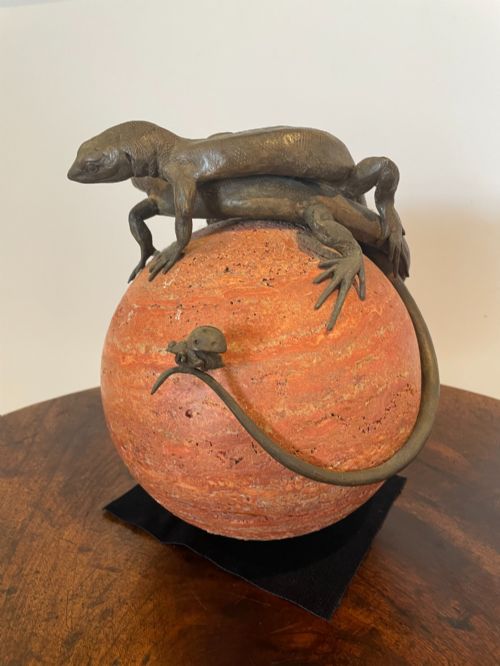
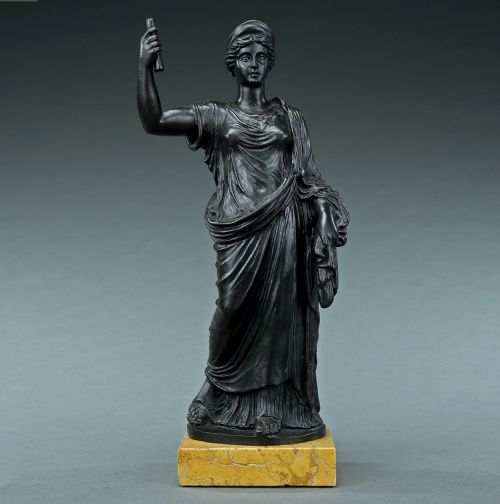
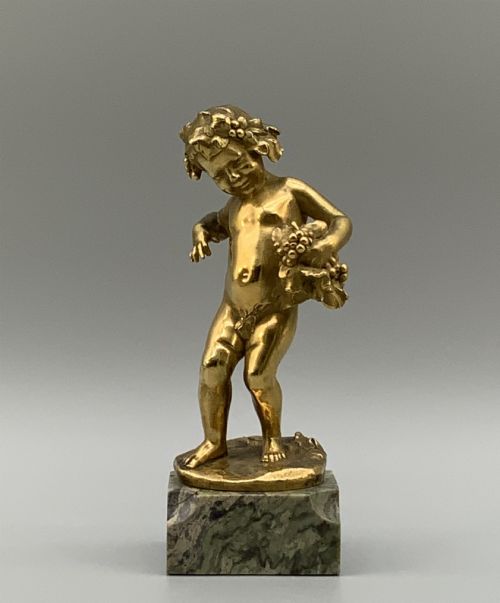
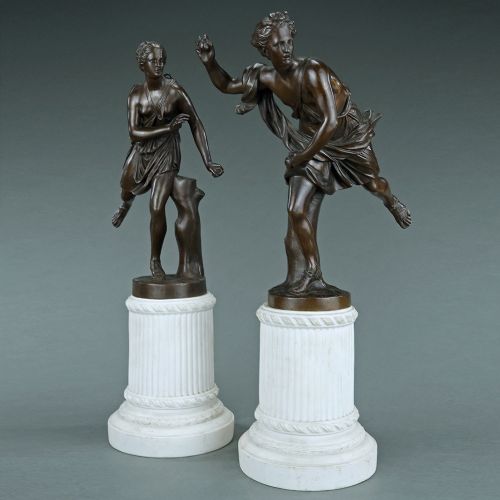
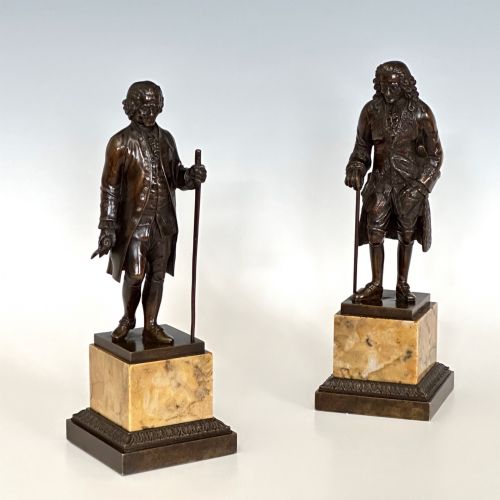
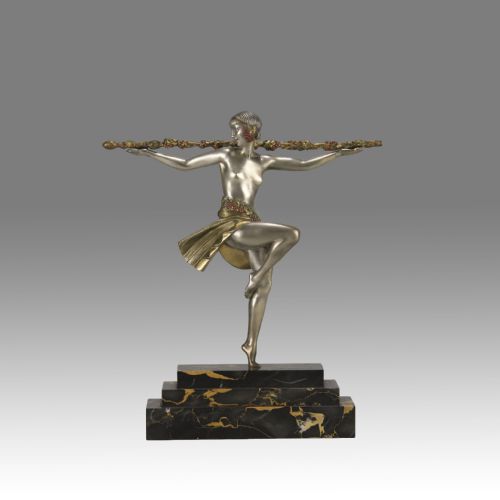
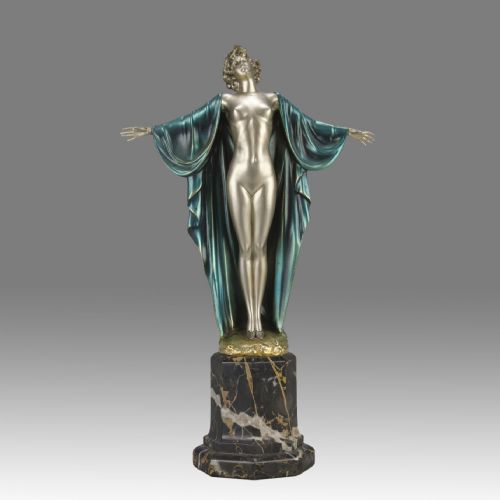
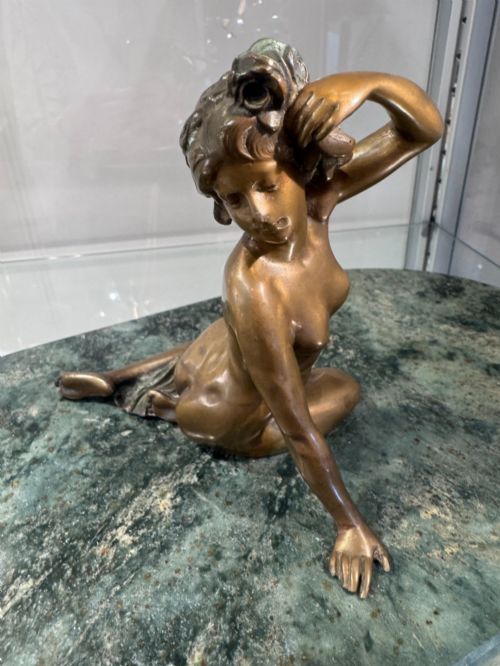
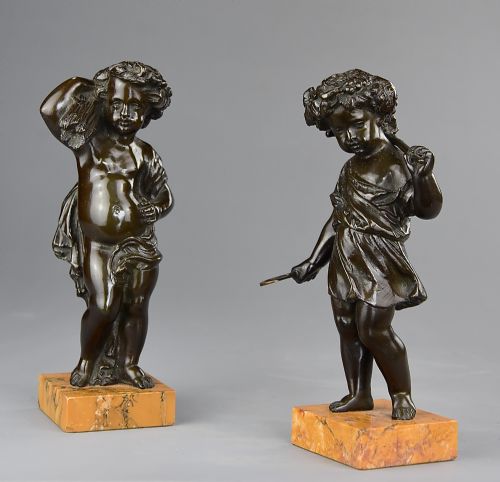
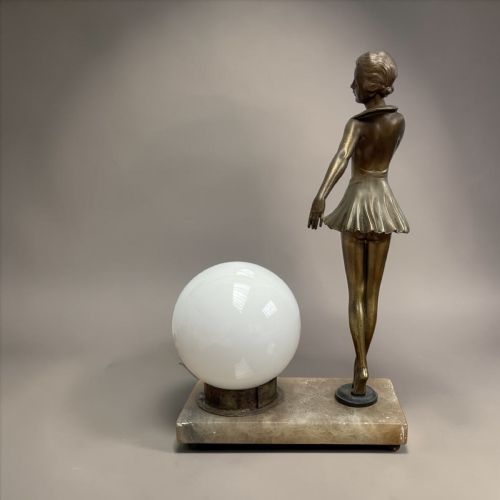
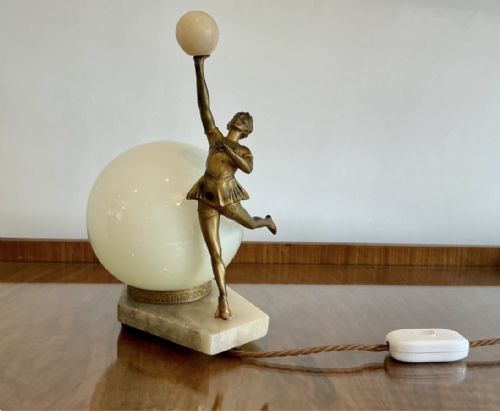
A bronze figure on marble brings classical mythology, animal studies and Art Deco glamour into domestic interiors through heavy metal mounted on solid stone.
Bronze Figure on Marble
When searching for a bronze figure on marble, a buyer encounters sculptural works ranging from nineteenth-century Grand Tour reductions of classical antiquities to twentieth-century Art Deco dancers and animalier studies. The most frequent versions on this page are nineteenth-century French and Italian castings, alongside early twentieth-century pieces produced during the Art Deco period.
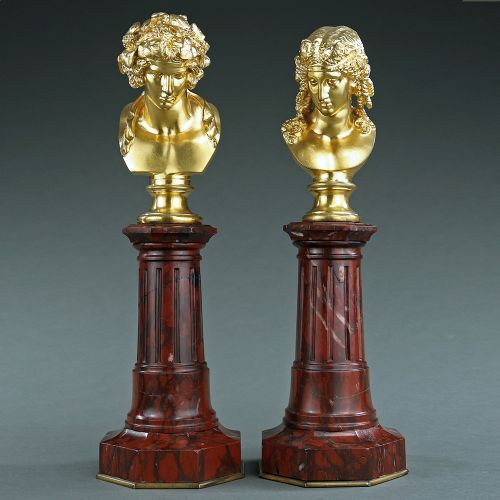
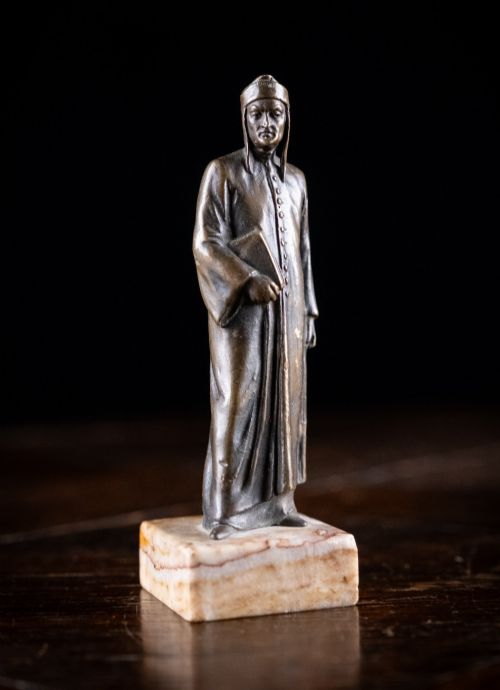
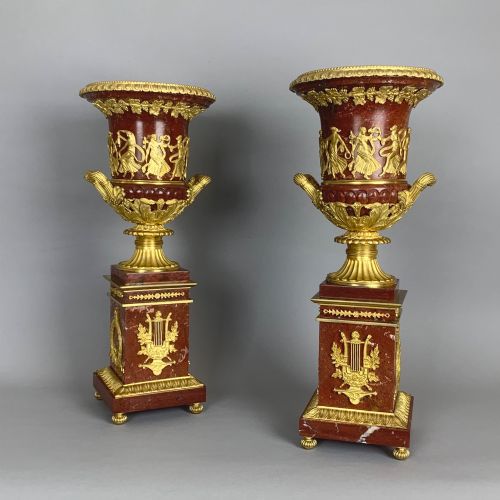
These objects combine cast metal figures with plinths, bases, or columns formed from various types of marble, occasionally incorporating slate or gilt bronze mounts. Forms vary from single mythological figures and literary portraits to mantle clocks, table lamps, and architectural garniture sets.
Origins span European foundries, with a strong representation of French and Italian workshops producing everything from small cabinet bronzes to large-scale gallery pieces. The marriage of metal and stone serves both a structural purpose, anchoring heavy compositions, and an aesthetic one, providing tonal contrast to the patinated surfaces.
How they were made
Foundries typically employed the lost-wax casting method or sand casting to shape the bronze, allowing for intricate detail in hair, drapery, and musculature. Following removal from the mould, artisans applied patination through chemical treatments or hand-applied cold painting, while others utilised fire gilding to create gilt bronze and ormolu finishes.
Marble bases were cut, turned, and polished to fit the specific footprint of each sculpture, frequently utilising coloured varieties such as Siena or fossil marble. Metal pins, threaded rods, or screws secured the finished bronze figure firmly to its stone plinth.
Bronze Figure on Marble Retail Price Guide 2026
Typical asking prices for bronze figure on marble among the pieces listed under this phrase on Sellingantiques today, from the lower quarter to the upper quarter. They describe what is for sale here now, not the wider market.
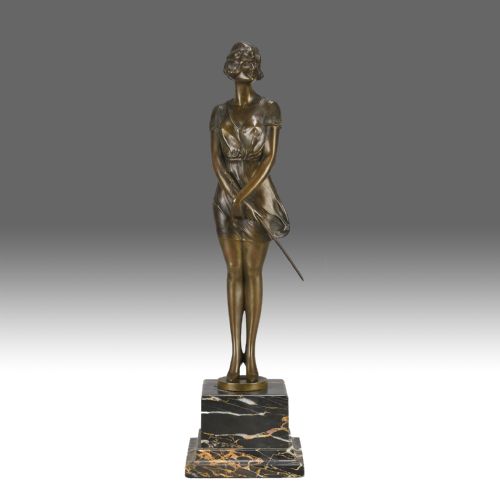
A monkey rides a dog and a girl whips past in Art Deco bronze, proving sculptors found high drama in very small company.
What varies in quality
The selection and preparation of the marble base also indicate tier, with dense, unblemished stone and precise geometric or turned shaping commanding greater attention than generic or poorly fitted plinths.
Signature placement and foundry marks add context regarding the prestige of the workshop involved in the production.
Charles Louis Malric·Susse Freres·Barbedienne·Bruno Zach·Pierre le Faguays·Ferdinand Preiss·August Moreau·Affortunato Gory·Emile Carlier·Demetre Chiparus·Thiebaut Freres·Paul Gayrard
The Bronze Figure on Marble Glossary
- Grand Tour
- A nineteenth-century tradition where wealthy travellers collected classical sculptures and architectural bronzes in Italy. These miniature reproductions capture famous statues seen in museums and ruins across Rome and Naples.
- Animalier
- A nineteenth-century artistic movement focused on the realistic depiction of animals. Sculptors working in this style studied living beasts to render accurate musculature and movement.
- Patination
- The surface coloration of bronze achieved through natural ageing or chemical application. Foundries used various acids and heat to produce tones ranging from deep brown to verdigris green.
- Cold Painted
- A technique where oil paint was applied to a cold bronze casting rather than fired in a kiln. This finish is particularly characteristic of Austrian and French figures from the early twentieth century.
- Ormolu
- Gilt bronze created by applying a mercury and gold amalgam to a bronze base and heating it. The process was widely used in French decorative arts to highlight architectural mounts and clock details.
Bronze Figure on Marble: Frequently Asked Questions
How do I clean the bronze and marble?
Dust the bronze gently with a soft brush and apply a microcrystalline wax to protect the patina from moisture. Clean the marble base using a damp cloth with mild soap, avoiding acidic solutions that etch the stone surface.
Ensure both materials are dried thoroughly after cleaning to prevent spotting or corrosion on the metal parts.
Were these figures always attached to marble?
Many sculptures were cast with integrated bronze bases and later mounted onto marble plinths to add height, stability, and visual weight. Grand Tour bronzes and nineteenth-century cabinet pieces frequently utilised marble to mimic museum display pedestals.
Over time, some bases were replaced or matched during restoration work, making stone variations common within the same sculptural series.
What is the difference between spelter and bronze?
Spelter is a zinc-based alloy that is lighter, softer, and more brittle than bronze, often used as a more affordable substitute in decorative figures and lamp bases. Bronze is a copper and tin alloy prized for its strength, weight, and ability to hold fine foundry details.
Objects made of spelter often feature a bronze-coloured coating to simulate the heavier metal.
How can I tell a nineteenth-century cast from a later reproduction?
Examine the underside of the piece for hand-cut screws, threaded posts, and the density of the bronze and marble. Nineteenth-century castings generally exhibit deeper chiselling, heavier patination wear, and construction methods consistent with period foundry practices.
Later copies often show simplified casting textures and modern fastening hardware beneath the base.