


Bronze Dancer Sculpture
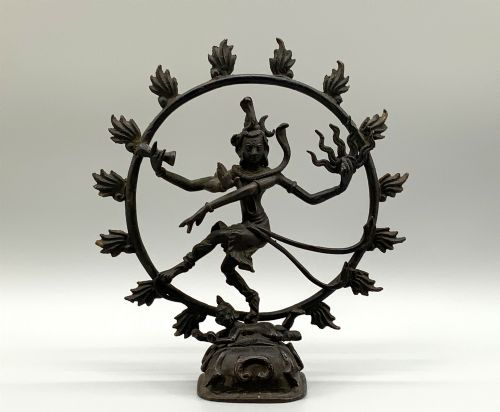
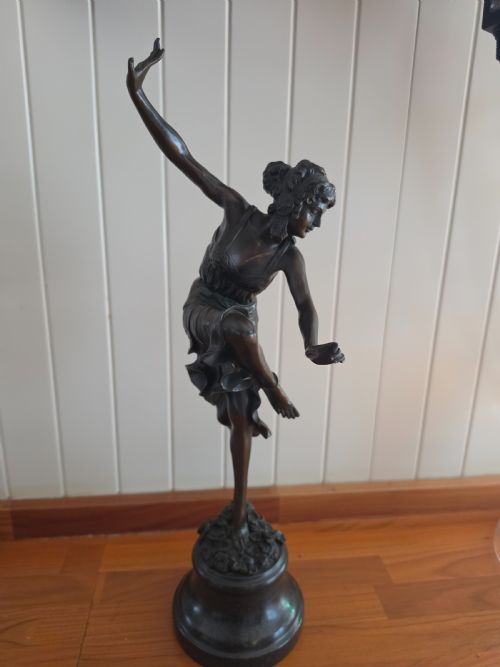
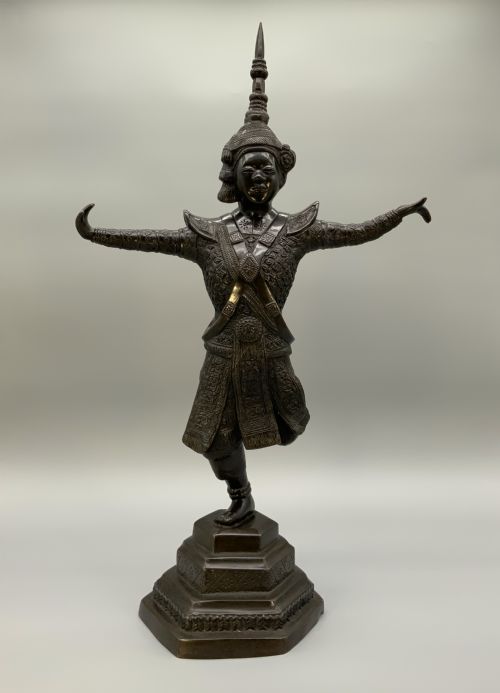
A bronze dancer sculpture captures movement in metal, bringing the energy of the dance floor directly into a room.
Defining the bronze dancer sculpture
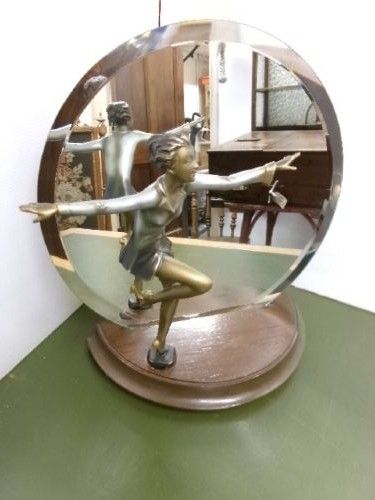
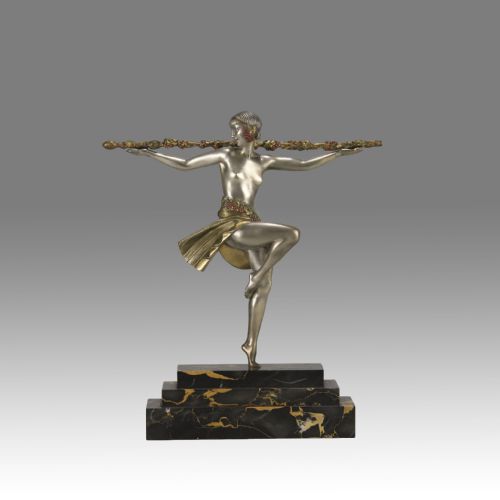
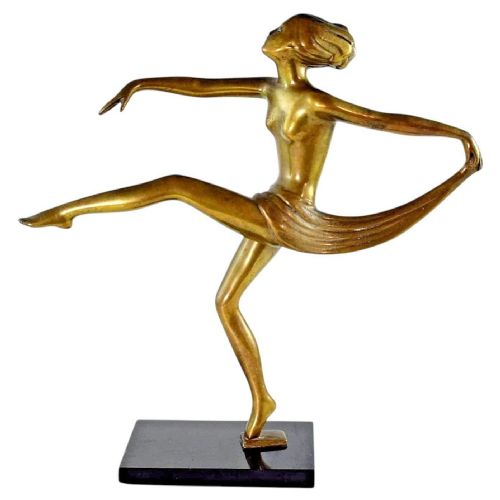
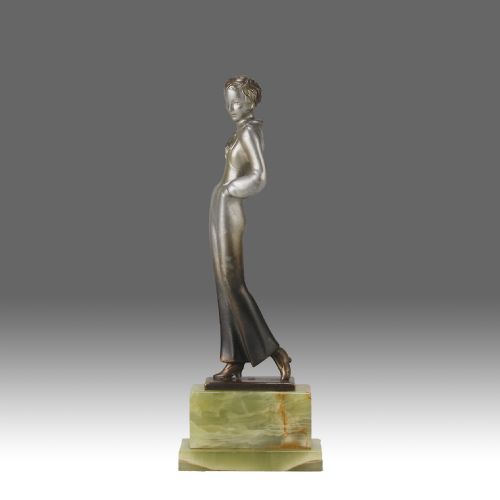
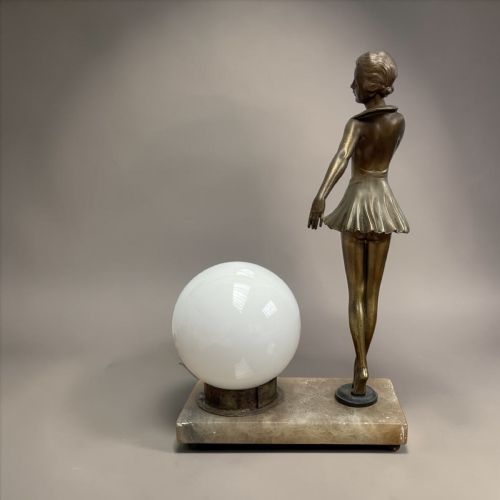
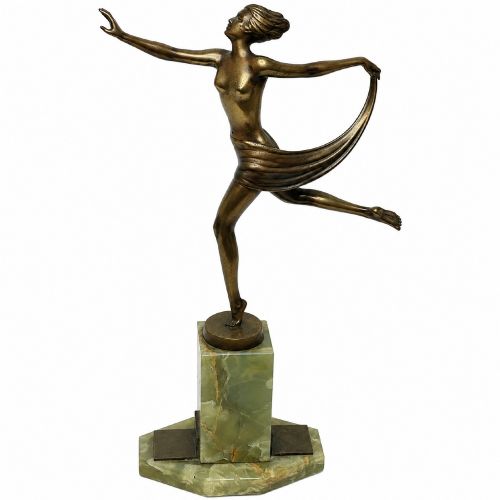
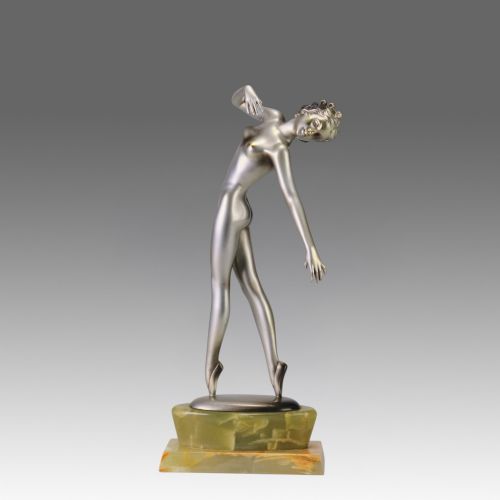
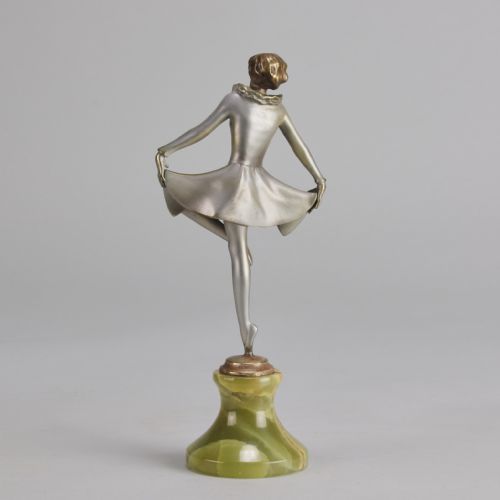
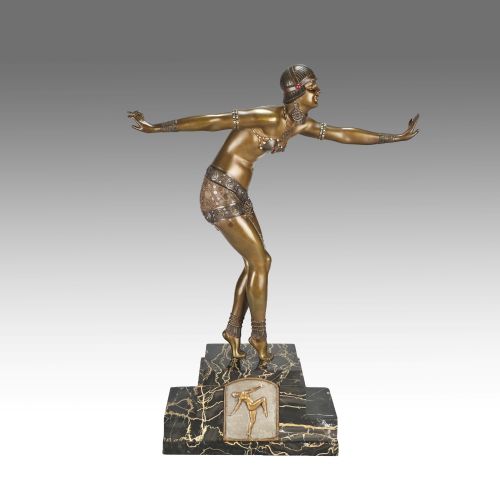
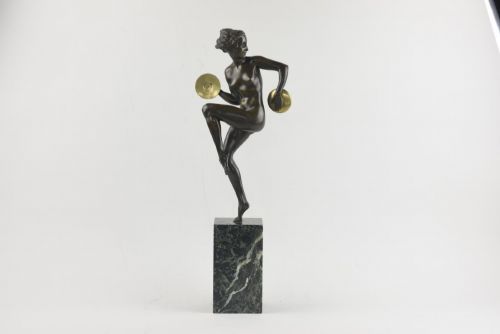
A bronze dancer sculpture stands as a dynamic representation of human movement frozen in metal, heavily represented on this page by Art Deco examples from the early decades of the twentieth century. These figures frequently combine cast metal with carved stone bases, creating a stable foundation that contrasts with the fluid posture of the dancer above.
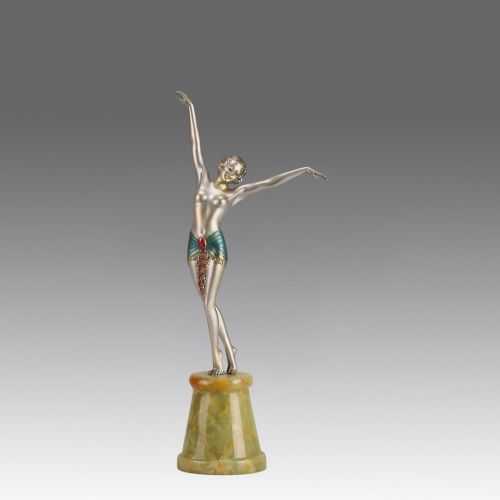
The pieces appearing in these listings span the 1920s and 1930s, capturing the modernist enthusiasm for athleticism and theatrical performance. Alongside fully cast bronze, the selection incorporates patinated metal and cold painted surfaces to render elaborate garments and skin tones with distinct visual texture.
Makers such as D.H. Chiparus, Josef Lorenzl, and Max le Verrier dominate the identified works, anchoring the genre in the Parisian ateliers of the interwar period. Earlier nineteenth-century examples also surface, showing similar sculptural ambition through classical figures like the Bacchante dancer.
Materials and construction
Foundries manufactured these figures using traditional casting methods, pouring molten bronze or patinated metal into moulds to capture intricate details of drapery and anatomy. Cold painted finishes were then applied by hand to specific surfaces, adding colour that sat on top of the metal rather than being fired in a kiln.
Heavy natural stones such as marble and onyx formed the integral bases for these sculptures, serving both an aesthetic role and a structural necessity to balance the outstretched limbs of the figures. Silver plate occasionally appears as a surface treatment to highlight metallic sheen and contrast against darker patinas.
Listings span the 1920s and 1930s, uniting bronze, marble, onyx, patinated metal, and silver plate under the Art Deco style.
Assessing craftsmanship and finish
The artistry of the patination and the preservation of cold painted pigments separate standard commercial output from masterworks of the period. Signed works by established Parisian sculptors demonstrate a superior command of proportion and anatomical tension that lesser anonymous pieces miss.
D.H. Chiparus·Josef Lorenzl·Max le Verrier·Antoine Faure
The Bronze Dancer Sculpture Glossary
- Art Deco
- A design style spanning the 1920s and 1930s characterised by streamlined forms, geometric symmetry, and a fascination with modern speed and dance. It heavily influenced the silhouette of sculptural figures from this era.
- Patinated metal
- A surface treatment applied to base metals to simulate the appearance of aged bronze through chemical oxidation. It provides depth and colour variation across the garments of the figures.
- Cold painted
- A technique where pigment is applied to a metal sculpture after casting without subsequent firing. This method allowed for vibrant surface colours on dancers' clothing but remains vulnerable to flaking over time.
- Onyx
- A banded variety of chalcedony quartz frequently used as a decorative plinth for sculptural figures. Its translucent layers offer a contrasting natural texture to the opaque metal above.
- Bacchante
- A mythological follower of Bacchus associated with ecstatic dance and revelry. This classical subject matter frequently inspired nineteenth-century sculptors.
Frequently Asked Questions
What materials make up these sculptures?
The listings show pieces constructed primarily from bronze, patinated metal, and silver plate, often paired with carved bases of marble or onyx.
Surface details frequently rely on cold painted finishes to add colour to garments and hair.
How do I identify an Art Deco piece?
Art Deco sculptures typically feature stylised human forms, dynamic athletic poses, and geometric elements that reflect the aesthetic of the 1920s and 1930s.
The integration of contrasting materials like marble bases and metallic patinas also points directly to this design period.
Where were these sculptures originally made?
Many of the significant pieces originating from the interwar period were produced in Parisian workshops and foundries by notable sculptors and artisans.
These urban ateliers became central hubs for the creation of decorative bronze and chryselephantine figures.
How should I clean a bronze sculpture?
Maintenance requires gentle dusting with a soft cloth to prevent particulate accumulation on the patinated or painted surfaces.
Harsh chemical cleaners and abrasive cloths must be avoided to protect the original metallic finish and stone bases.