

Art Deco Dancer Sculpture
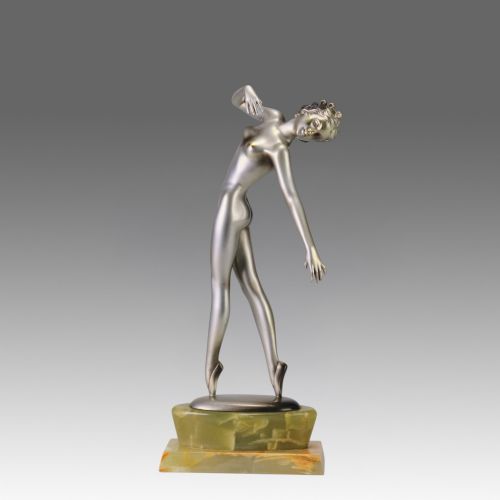
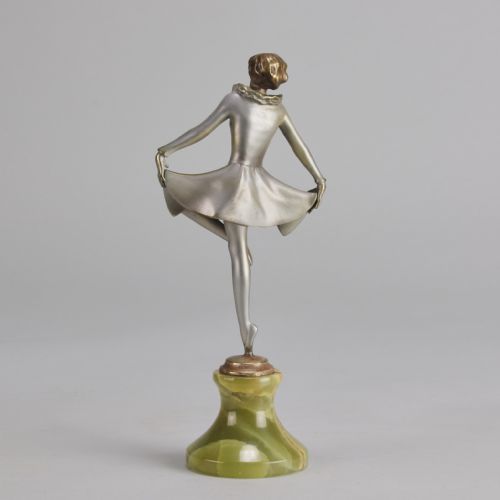
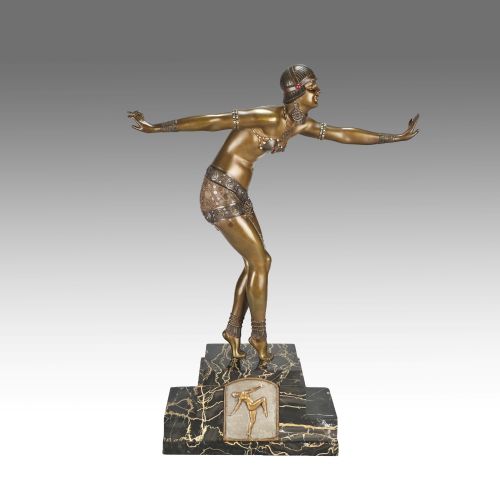
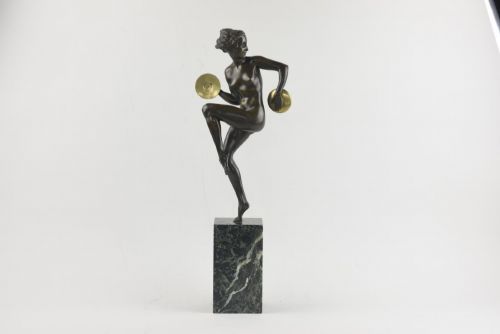
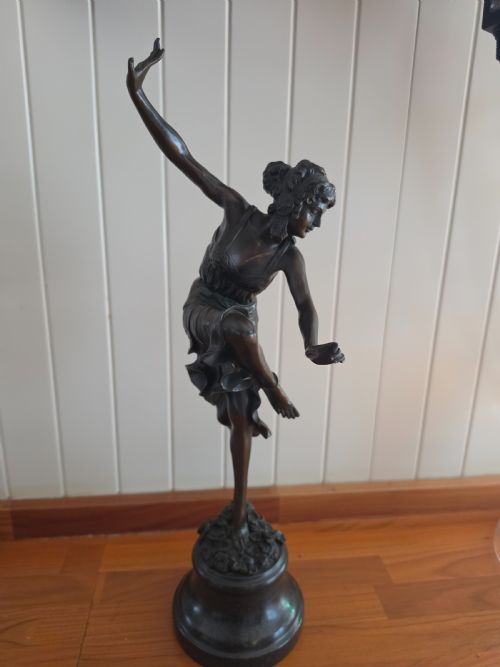
An art deco dancer sculpture captures the dynamic movement of the period in bronze, spelter, and marble.
Art Deco Dancer Sculpture
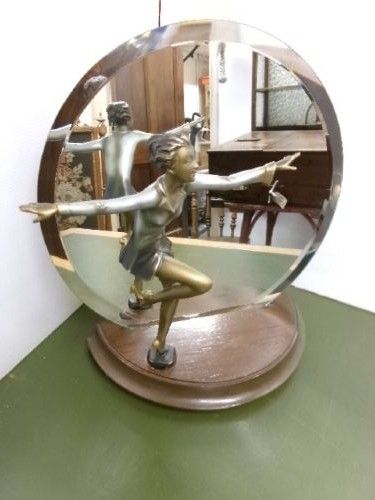
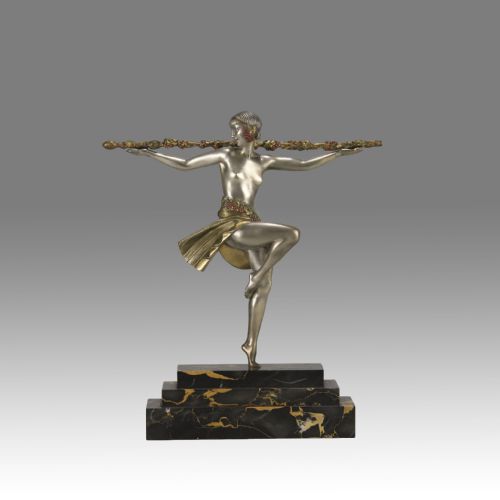
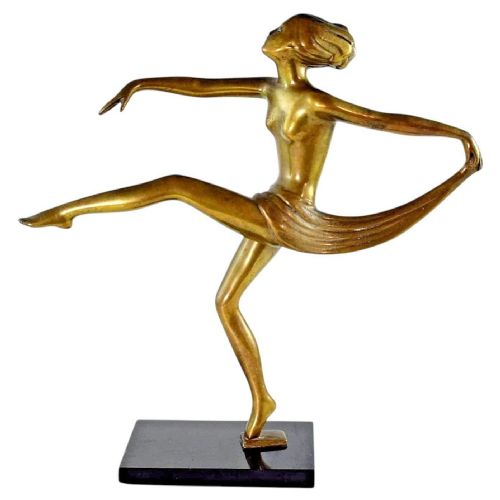
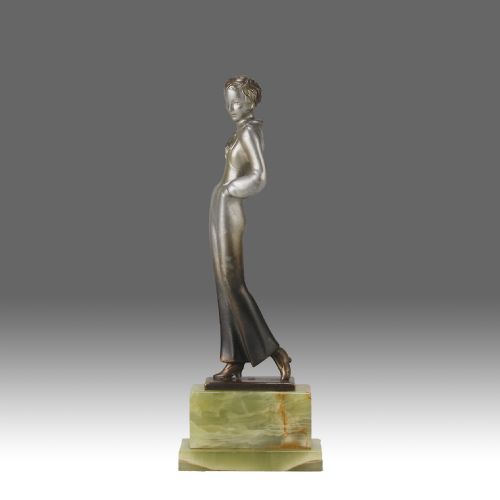
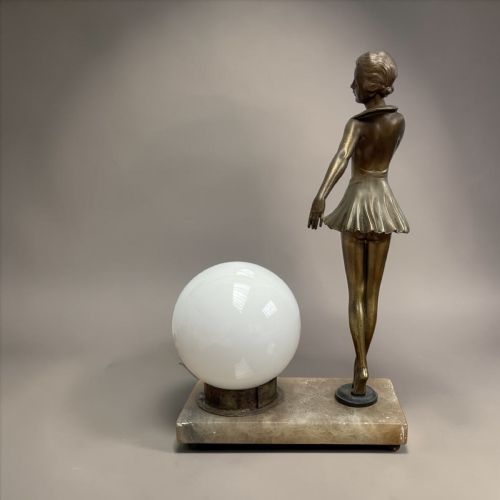
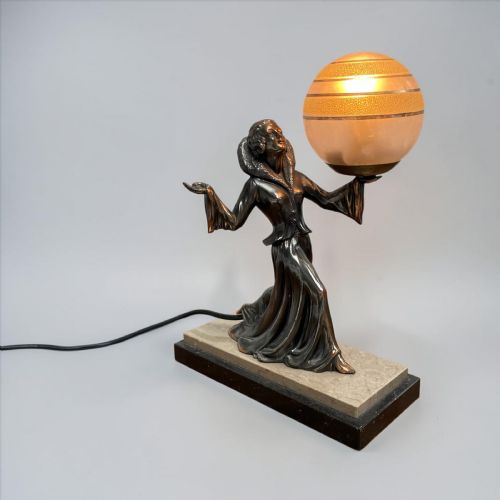
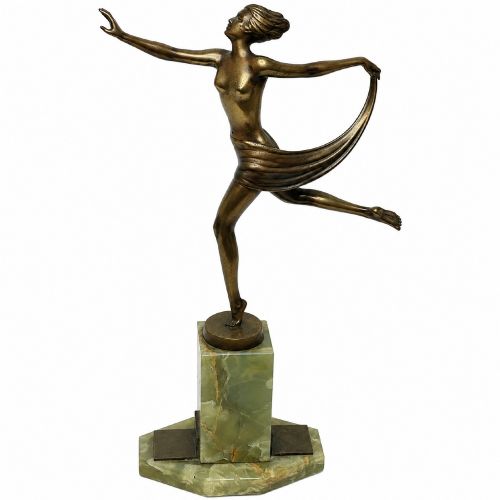
An art deco dancer sculpture represents female figures in motion, spanning periods from nineteen ten to nineteen thirty. The most common forms on this page include bronze and spelter figures mounted on marble or onyx bases, alongside table lamps and porcelain figurines.
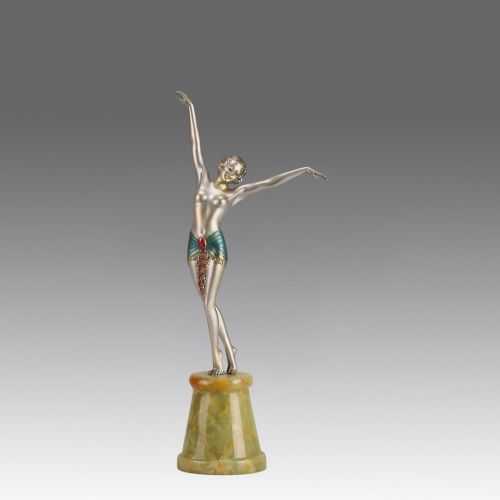
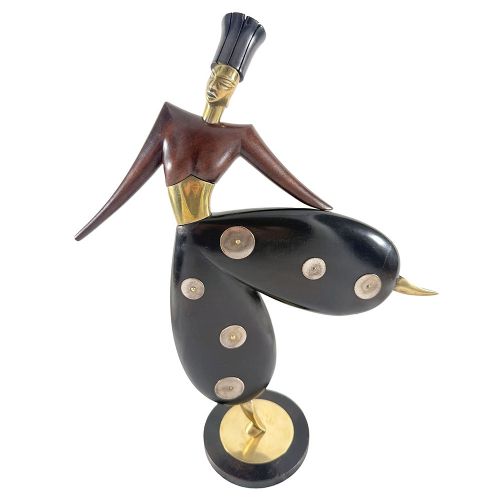
Makers such as Josef Lorenzl and Demetre Chiparus dominate the output, depicting subjects like Egyptian dancers, ballerinas, and theatrical performers. These works reflect the influence of Balinese art deco and Art Nouveau styles alongside classic Art Deco design.
Materials and Techniques
Foundries cast figures in bronze, gilt bronze, silvered bronze, and spelter, often finishing surfaces with cold-painted or patinated details. Chryselephantine works combine metal components with carved ivory elements for hands and faces.
Sculptors mounted figures onto bases made from contrasting materials including marble, onyx, alabaster, and wood, occasionally incorporating brass elements or functioning as table lamps.
Art Deco Dancer Sculpture Retail Price Guide 2026
Typical asking prices for art deco dancer sculpture among the pieces listed under this phrase on Sellingantiques today, from the lower quarter to the upper quarter. They describe what is for sale here now, not the wider market.
Several dancers balance precariously on dice or balance hoops, proving that nineteen thirties decor loved a gamble just as much as a high kick.
Evaluating Quality
The refinement of the casting and the crispness of the cold-painted or patinated finish separate standard spelter production pieces from high-grade bronze foundry work. The choice of base material, from simple marble to multi-toned onyx, also indicates the grade of the piece.
Signed works and attributed editions carry distinct tiers of craftsmanship, where facial expression, hand proportions, and drapery detail display superior artistic execution.
Pierre le Faguays·Josef Lorenzl·Demetre Chiparus·Aurore Onu·C J R Colinet·Sier Kunst·Hagenauer·Theo Voss·Maurice Guiraud Riviere·Paul Philippe·Pierre Laurel·Rene Andre Varnier·Paul de Boulogne·Gibert·Max le Verrier
The Art Deco Dancer Sculpture Glossary
- Spelter
- A zinc alloy used as a cost-effective alternative to bronze in many figures. It takes painted finishes well but lacks the weight and density of cast bronze.
- Cold-painted
- A method where paint is applied to metal without firing. This technique produces detailed polychrome garments on bronze and spelter sculptures.
- Chryselephantine
- A term describing statues made from a combination of metal and ivory. This method highlights the face and limbs of dancers with organic material.
- Patination
- The chemical treatment of metal surfaces to produce colour and tone. Artists utilise patination to enhance the depth of garments and hair.
- Onyx
- A banded variety of chalcedony frequently used for sculptural bases. Its natural veining provides a decorative contrast to plain metal figures.
Art Deco Dancer Sculpture: Frequently Asked Questions
What metals are used?
Foundries used bronze, gilt bronze, silvered bronze, and spelter for these figures. Metal components were frequently finished with cold-painted details or patinated surfaces.
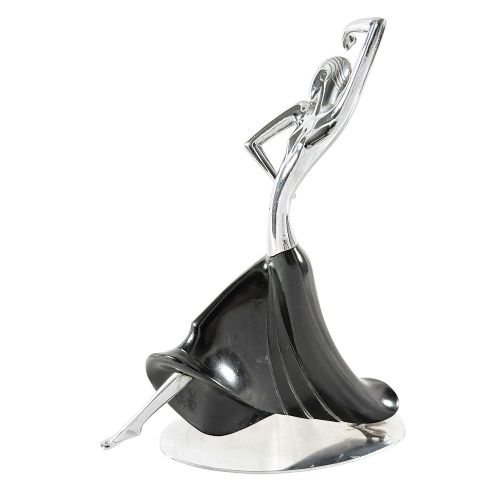
Base materials often included brass, chrome plate, and painted metal to support the central dancing figure.
Who created these?
Notable sculptors include Josef Lorenzl, Demetre Chiparus, Pierre le Faguays, and Claire Jeanne Roberte Colinet. Many works also bear attributions to workshops like Sier Kunst or Hagenauer.
Signed pieces indicate specific foundry production, while unsigned examples remain common across the period.
What bases do they have?
Sculptures commonly sit on heavy bases made from marble, onyx, alabaster, or wood. These stone bases provide essential structural balance for outstretched dancing poses.
Some pieces integrate functional elements such as lamp fittings into the stone or metal base structure.
How do I spot periods?
Pieces date from nineteen ten through nineteen thirty, reflecting the evolution from Art Nouveau into full Art Deco styling. Materials like chryselephantine ivory and cold-painted bronze align with twenties and thirties production.
Stylised silhouettes and native costume influences, such as Balinese or Egyptian themes, help identify the decade of manufacture.