










Art Deco Female Figurine
When you handle an art deco female figurine, you are holding the kinetic energy and stylized geometry of the interwar years cast in metal or carved in stone.

Art Deco Female Figurine
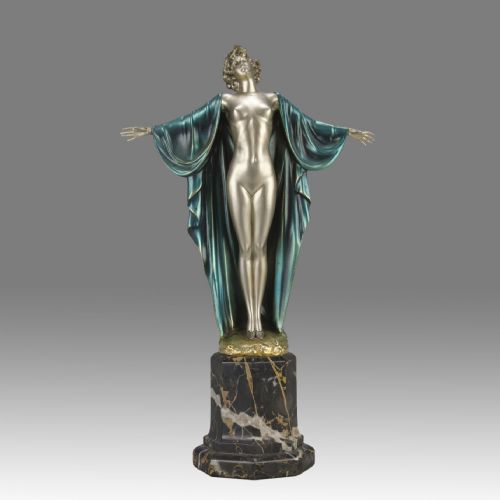
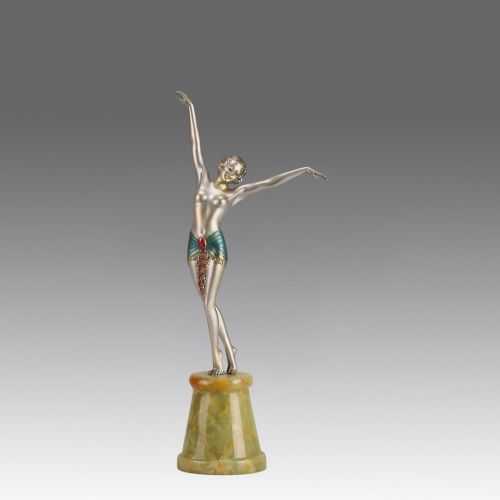
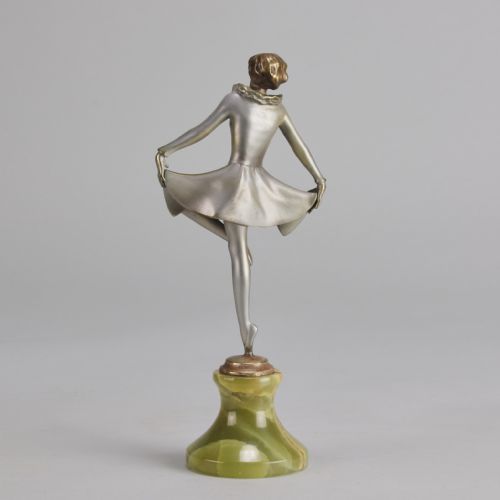
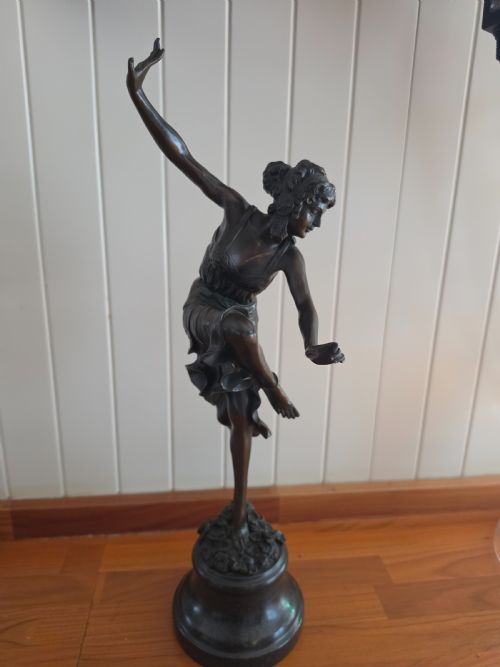
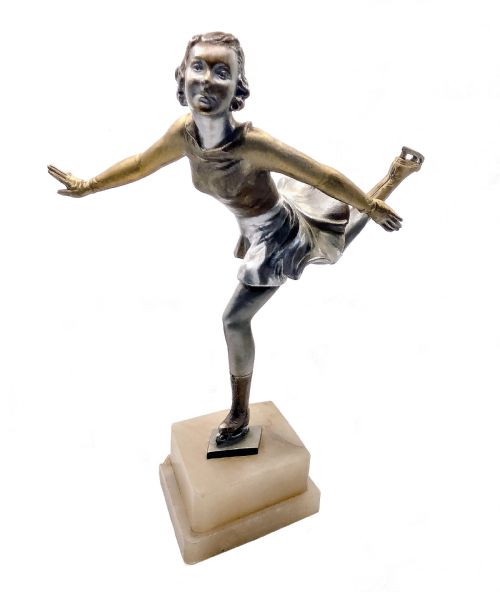
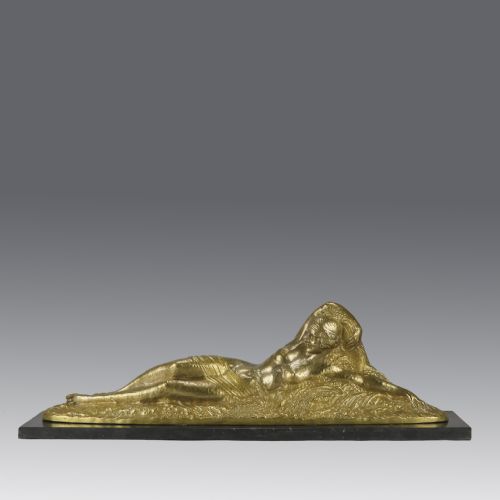
An art deco female figurine captures the spirit of the modern woman through depictions of dancers, ballerinas, and athletic figures in dynamic or poised poses. These sculptures take the form of tabletop bronzes, table lamps, and advertising displays that reflect the aesthetics of the 1920s and 1930s.
The most common examples encountered on this page are bronze and spelter dancers produced during the height of the Art Deco and French Modernist movements, alongside occasional porcelain and glass pieces. Figures often adopt exotic or theatrical personas, ranging from Egyptian dancers to ice skaters and cabaret performers.
Works originate primarily from European studios and foundries active in the early twentieth century, spanning Edwardian precursors up to the mid-1930s. The subjects reflect a fascination with global performance arts, translating Balinese dances, Russian ballet, and Parisian cabaret into lasting sculptural forms.
Materials and Construction
Bases are integral to the composition, commonly fashioned from veined marble, onyx, or polished wood to provide stability and visual contrast to the metallic figures. Spelter versions rely on a painted metal or chrome plate finish over a softer base metal, simulating the weight and appearance of solid bronze.
Porcelain and glass figures emerge from specialised kilns, utilising slip-casting and hand-painting or opalescent moulding techniques to achieve translucent or deeply coloured surfaces. Detail work on metal editions often involves meticulous hand-chasing after casting to sharpen the lines of clothing and anatomy.
Art Deco Female Figurine Retail Price Guide 2026
Typical asking prices for art deco female figurine among the pieces listed under this phrase on Sellingantiques today, from the lower quarter to the upper quarter. They describe what is for sale here now, not the wider market.
The inventory records pieces from the Edwardian era through the 1930s, concentrating heavily on the Art Deco and French Modernist movements.
Quality Variations
The crispness of the casting separates standard production pieces from masterworks, visible in the definition of fingers, facial expressions, and the folds of a dancer's costume. Superior castings retain sharp chisel marks and clean transitions where separate components join, whereas lower-tier spelter editions can exhibit softened contours and pitted surfaces.
The application of cold paint and patination dictates the visual fidelity of the piece; original, undisturbed painted surfaces command higher regard than later retouched coatings. The choice and quality of the mounting base, such as a thick slab of multi-toned onyx or polished marble rather than plain slate, indicate the original tier of manufacture.
Signature authenticity and foundry markings establish the standing of a bronze or ivory work, distinguishing signed editions by recognised artists from anonymous studio output or later posthumous casts. The complexity of the pose, such as the balanced cantilevering of a dancer on a single toe, tests the technical mastery of the founder.
Bruno Zach·Pierre le Faguays·Ferdinand Preiss·Josef Lorenzl·Demetre Chiparus·Paul Philippe·Sibylle May·Maurice Guiraud Riviere·Theo Voss
The Art Deco Female Figurine Glossary
- Spelter
- A zinc alloy commonly used as a cost-effective alternative to bronze in decorative figures. It accepts patination and paint readily but is softer and more brittle than bronze.
- Cold-painted bronze
- A technique where paint is applied to a bronze sculpture without subsequent firing. The pigment adheres to the metal surface and is susceptible to flaking over decades if handled improperly.
- Chryselephantine
- A sculptural method combining metal, usually bronze or gilt bronze, with carved ivory for the flesh tones. This technique was favored by major European sculptors during the Art Deco period.
- Patination
- The chemical treatment applied to metal surfaces to produce a specific coloration or aged finish. It protects the underlying metal while enhancing the sculptural contours.
- Balinese Art Deco
- A stylistic sub-genre influenced by traditional Indonesian dance and dress. Pieces in this category typically feature elaborate headdresses and traditional sarongs adapted to modernist proportions.
Art Deco Female Figurine: Frequently Asked Questions
How do I distinguish bronze from spelter?
Bronze is heavier, colder to the touch, and rings with a clear tone when tapped gently, whereas spelter feels lighter and softer.
Examining the underside or any areas where the finish has worn away reveals the dull grey metal of spelter beneath the paint, compared to the warm reddish-brown of exposed bronze.
What is chryselephantine sculpture?
Chryselephantine sculpture combines cast bronze elements with carved ivory sections, typically representing the face, hands, and exposed limbs of a figure.
This method demanded exceptional skill from the sculptor and founder to join disparate materials securely while maintaining anatomical harmony.
Why are marble bases used on these figures?
Marble and onyx bases provide necessary structural ballast to balance figures posed in dynamic, cantilevered dancing positions.
Beyond stability, the contrasting natural stone patterns frame the metallic silhouette, anchoring the vertical movement of the sculpture.
How should I clean a cold-painted bronze?
Cold-painted surfaces require only gentle dusting with a soft, dry brush to prevent the loss of fragile pigment.
Moisture, chemical cleaners, and aggressive rubbing must be avoided entirely, as they strip the original applied colours from the metal.