








Dark Bronze Female Statue
A dark bronze female statue brings classical drapery and modernist lines into a room, capturing the human form through enduring cast metal.
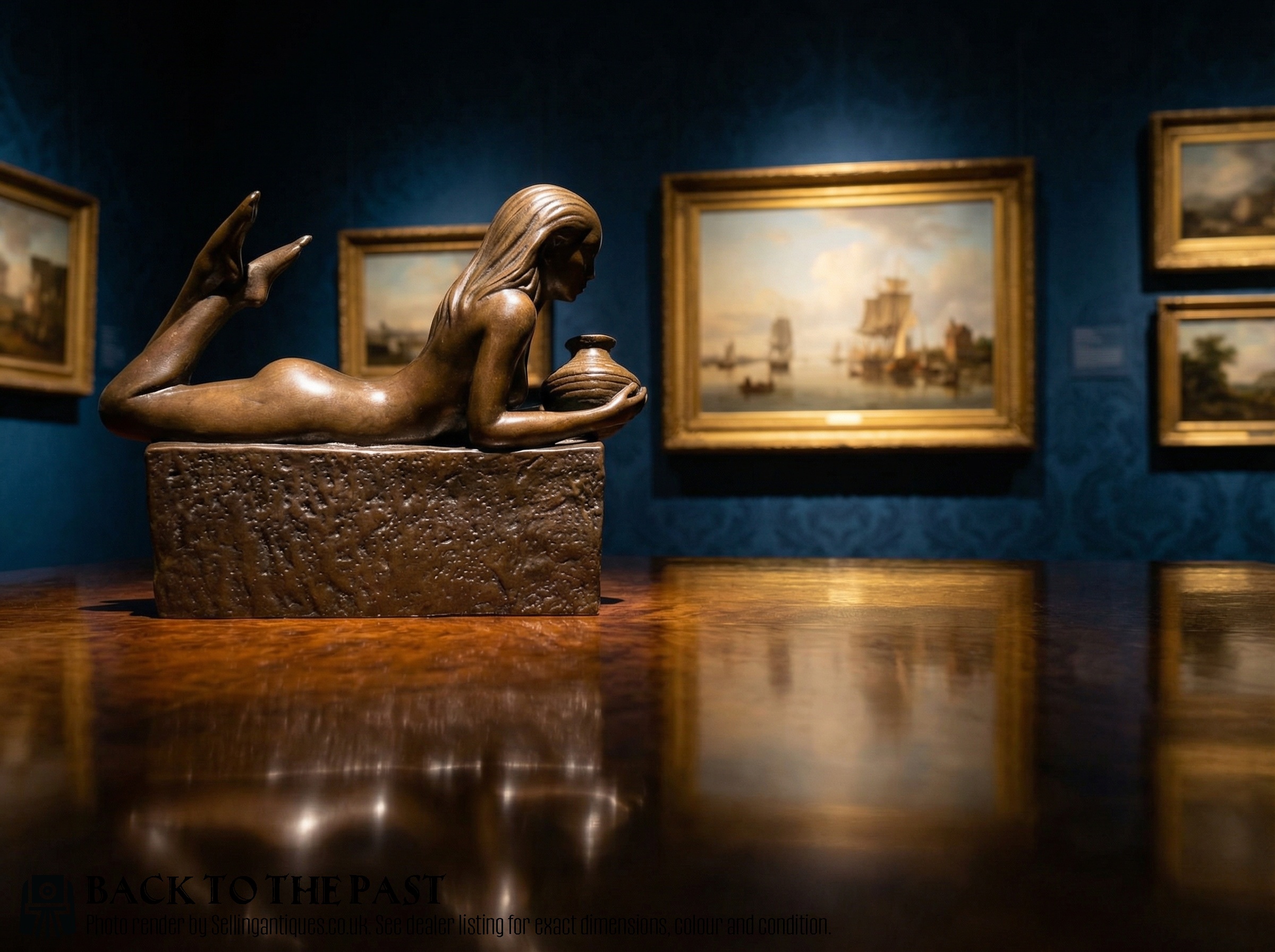
Dark Bronze Female Statue
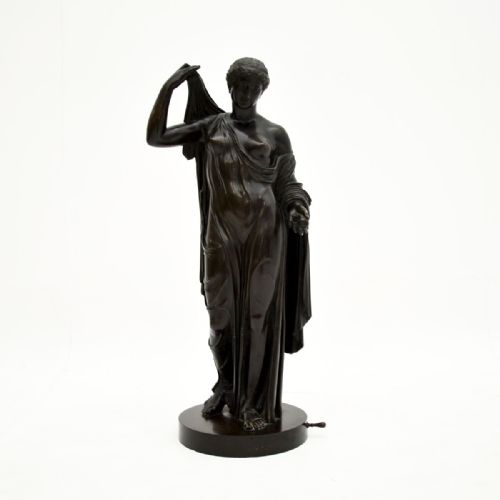
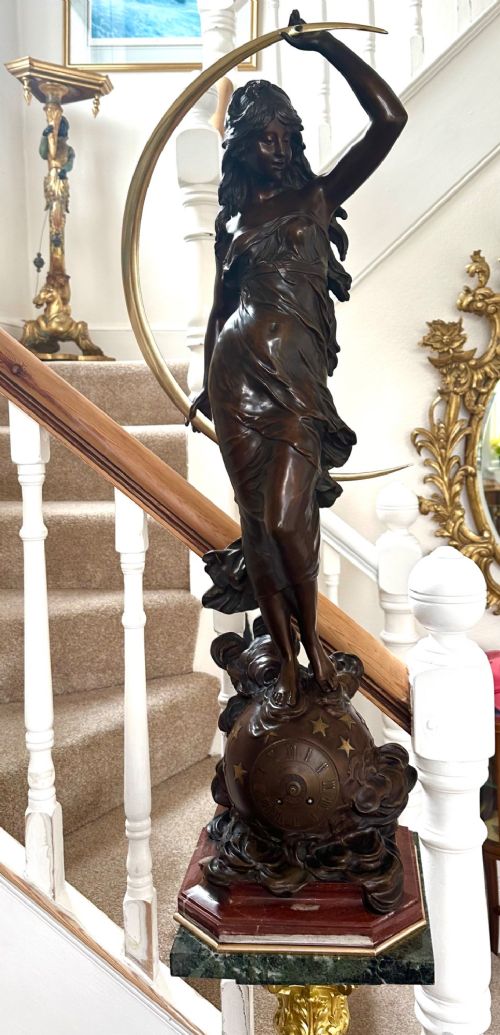
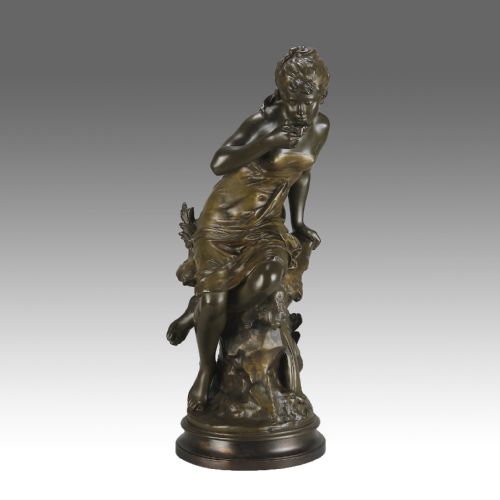
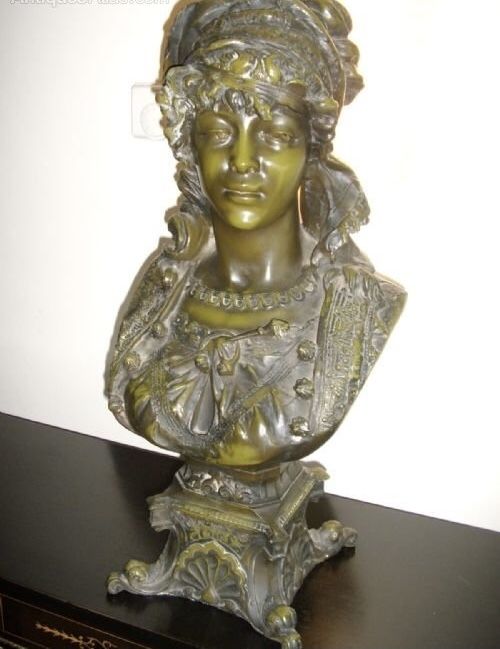
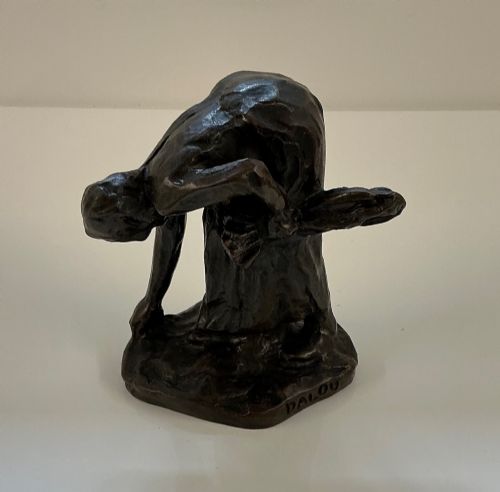
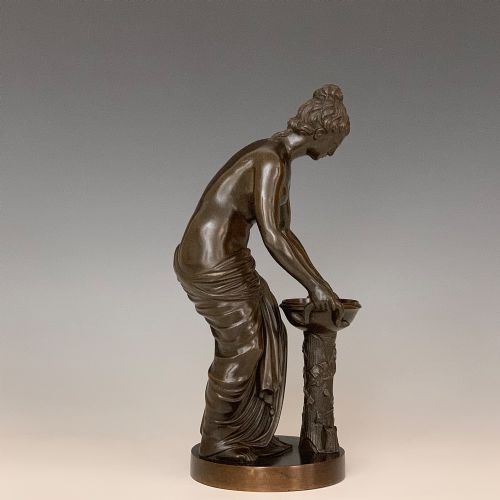
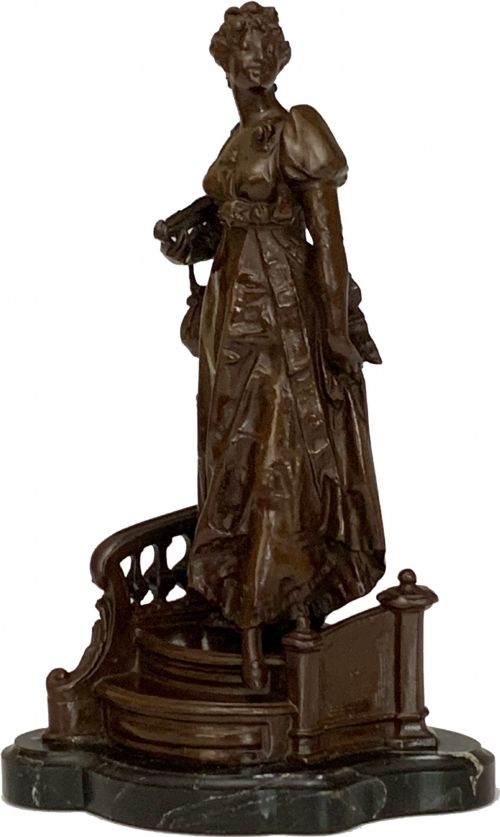
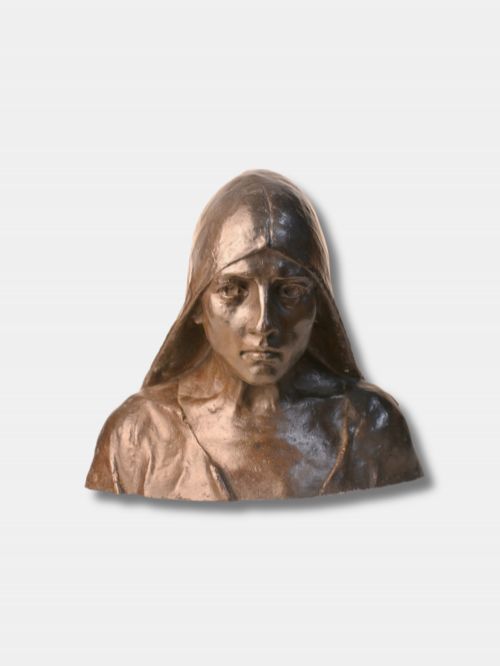
When you search for a dark bronze female statue, you encounter sculptural works ranging from classical mythology to Art Deco dancers.
The pieces on this page are predominantly French foundry productions spanning the nineteenth and early twentieth centuries.
You will frequently meet depictions of mythological figures, allegorical maidens, and robed ladies cast in patinated bronze.
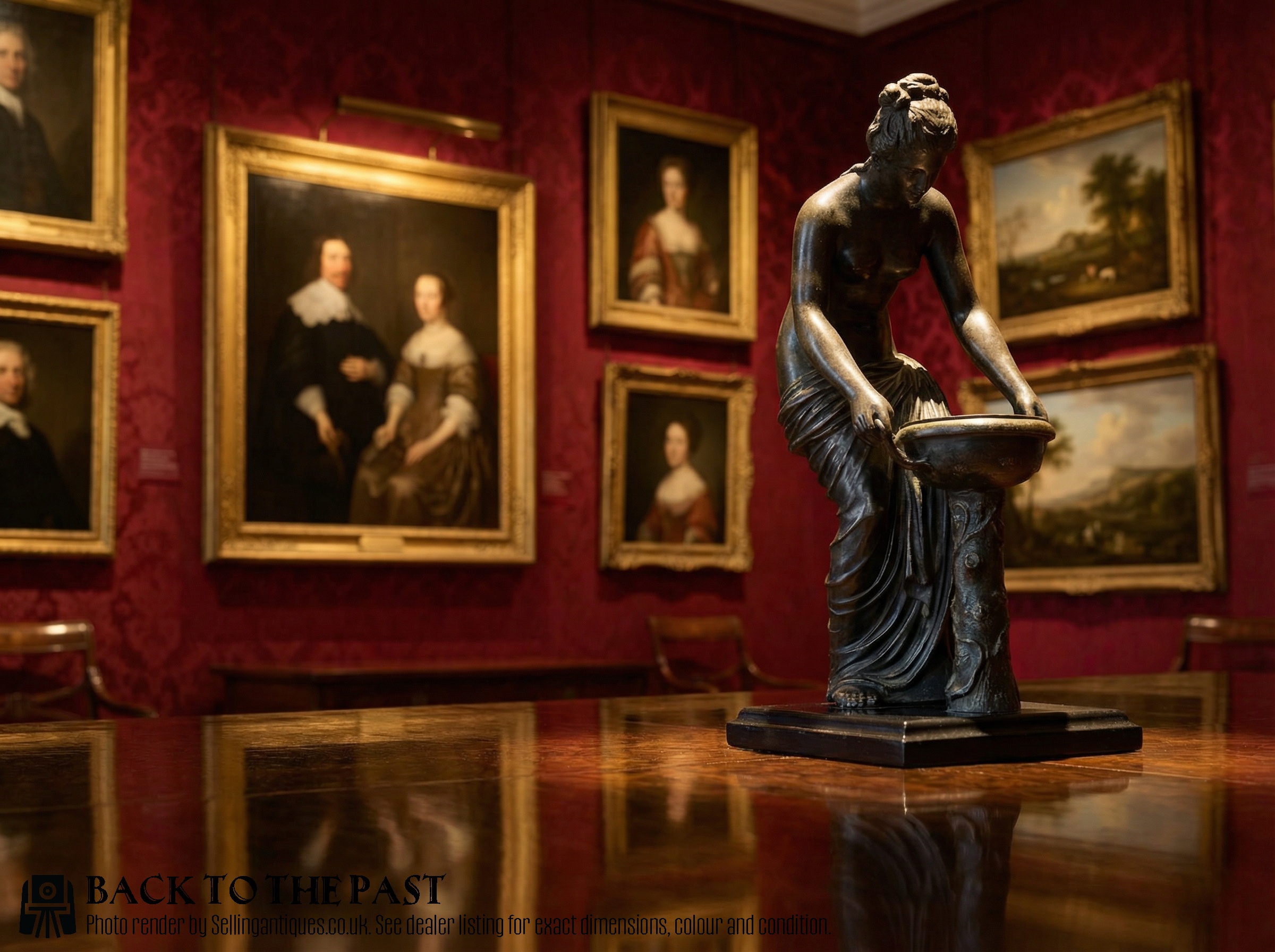
Cast metal and patination
These works rely on the lost-wax method or sand casting to capture intricate details in molten bronze before cooling.
Foundries applied chemical patination treatments to achieve dark brown, black, or greenish surface tones on the metal.
Many figures integrate additional materials such as marble bases, onyx plinths, or carved ivory elements.
Dark Bronze Female Statue Retail Price Guide 2026
Typical asking prices for dark bronze female statue among the pieces listed under this phrase on Sellingantiques today, from the lower quarter to the upper quarter. They describe what is for sale here now, not the wider market.
Listings feature works created across the nineteenth and early twentieth centuries, spanning the Victorian, Art Nouveau, and Art Deco periods.
Chasing and casting fidelity
Post-casting work, known as chasing, determines whether tool marks are expertly refined or left blunt and indistinct.
The depth and uniformity of the dark patination layer reveal the care taken during finishing stages.

Ferdinand Barbedienne·Bruno Zach·August Moreau·E Villanis·Mathurin Moreau·Jules Dalou·Edouard Drouot·Emile Jespers·Sibylle May·Demetre H. Chiparus·Josef Lorenzl·Sylvain Kinsburger
The Dark Bronze Female Statue Glossary
- Patina
- The surface coloration and chemical sheen developed naturally over time or applied deliberately by a foundry. It protects the metal and defines the visual tone.
- Lost-wax casting
- A historic method where a wax model is melted out of a ceramic mould to be replaced by molten bronze. This technique allows for complex undercuts and fine details.
- Grand Tour
- The nineteenth-century travel tradition where wealthy collectors acquired small bronze reductions of classical antiquities in Italy and France.
- Chasing
- The manual process of refining a raw bronze casting using punches and chisels. Skilled chasing sharpens contours and removes surface imperfections.
- Torchere
- A tall ornamental stand or pillar designed to support a lamp or sculpture. These are often carved from wood or stone to display figures.
Dark Bronze Female Statue: Frequently Asked Questions
How do I clean a bronze statue?
Dust the surface gently with a soft, dry brush to prevent dirt accumulation in the crevices.
Avoid using water, soap, or chemical polishes, as these treatments can strip away the original dark patination.
Are these figures solid bronze?
Most large sculptures are hollow-cast to reduce weight and material costs while maintaining structural integrity.
Smaller figurines and decorative items are occasionally cast as solid metal.
What is the difference between Art Nouveau and Art Deco pieces?
Art Nouveau works from the late nineteenth century feature flowing organic lines, long hair, and natural drapery.
Art Deco figures from the nineteen-twenties display geometric styling, stylised garments, and dynamic poses.
Where should I place a heavy sculpture?
Position the piece on a sturdy wooden console, stone mantelpiece, or dedicated pedestal that can support its weight.
Keep the metal away from direct sunlight and high moisture to preserve the dark surface finish.