
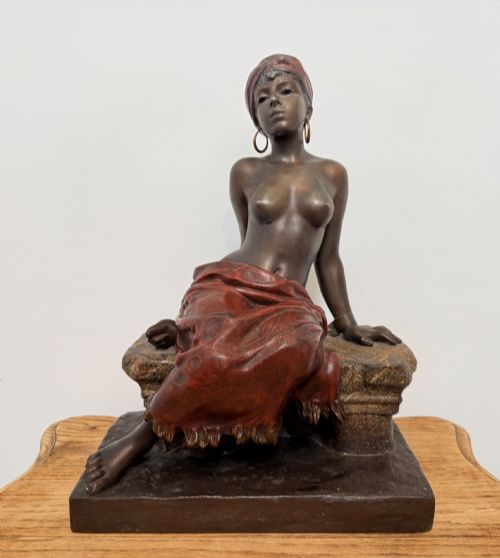
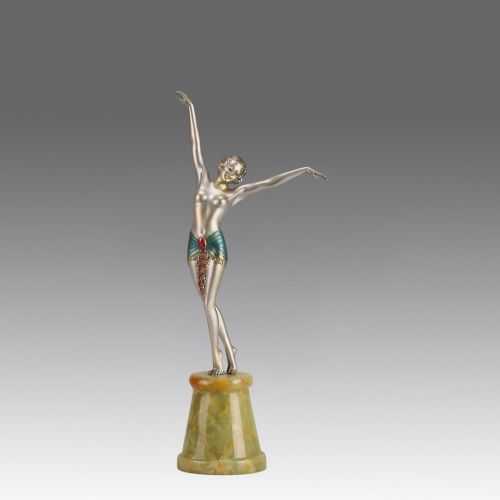
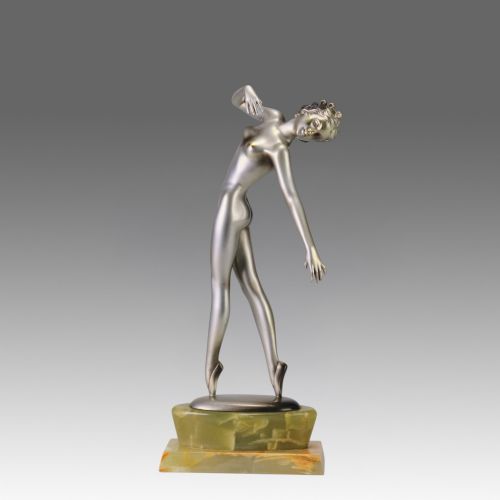
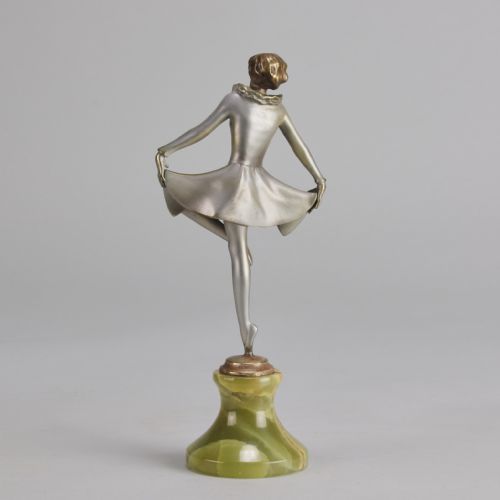
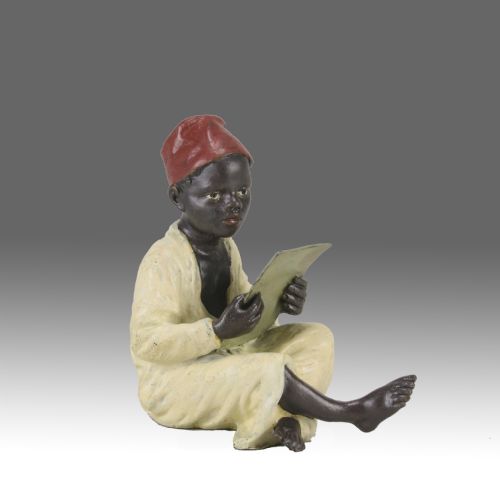
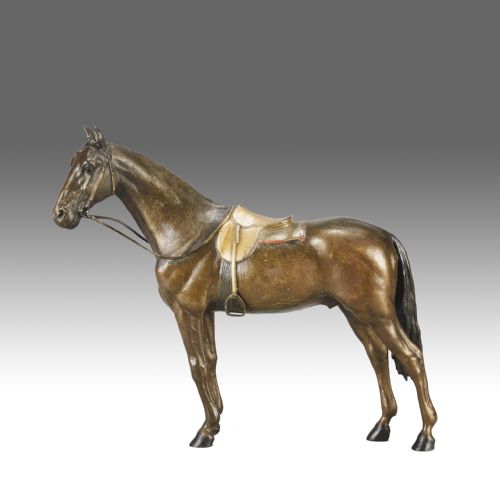
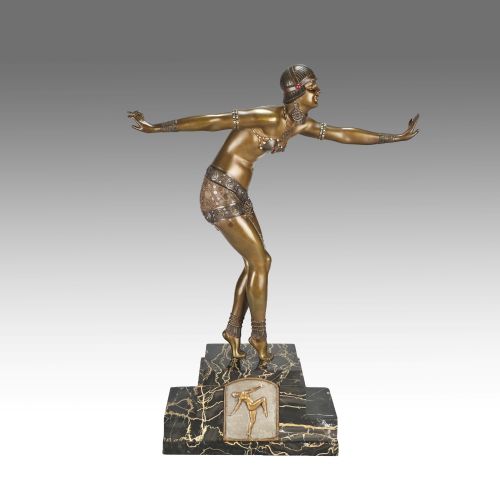
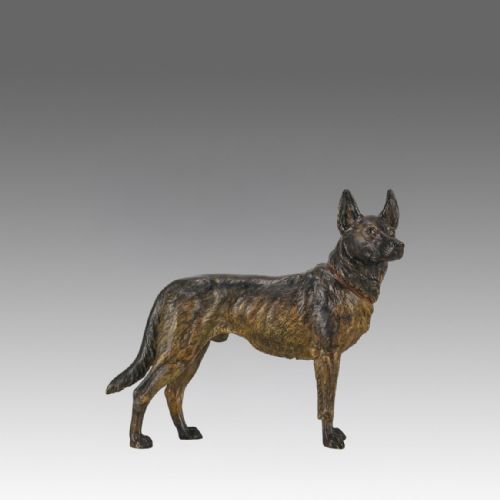
Cold Painted Bronze Figure
When you handle a cold painted bronze figure, you hold a miniature world of polychrome detail cast in Vienna and beyond during the late nineteenth and early twentieth centuries.
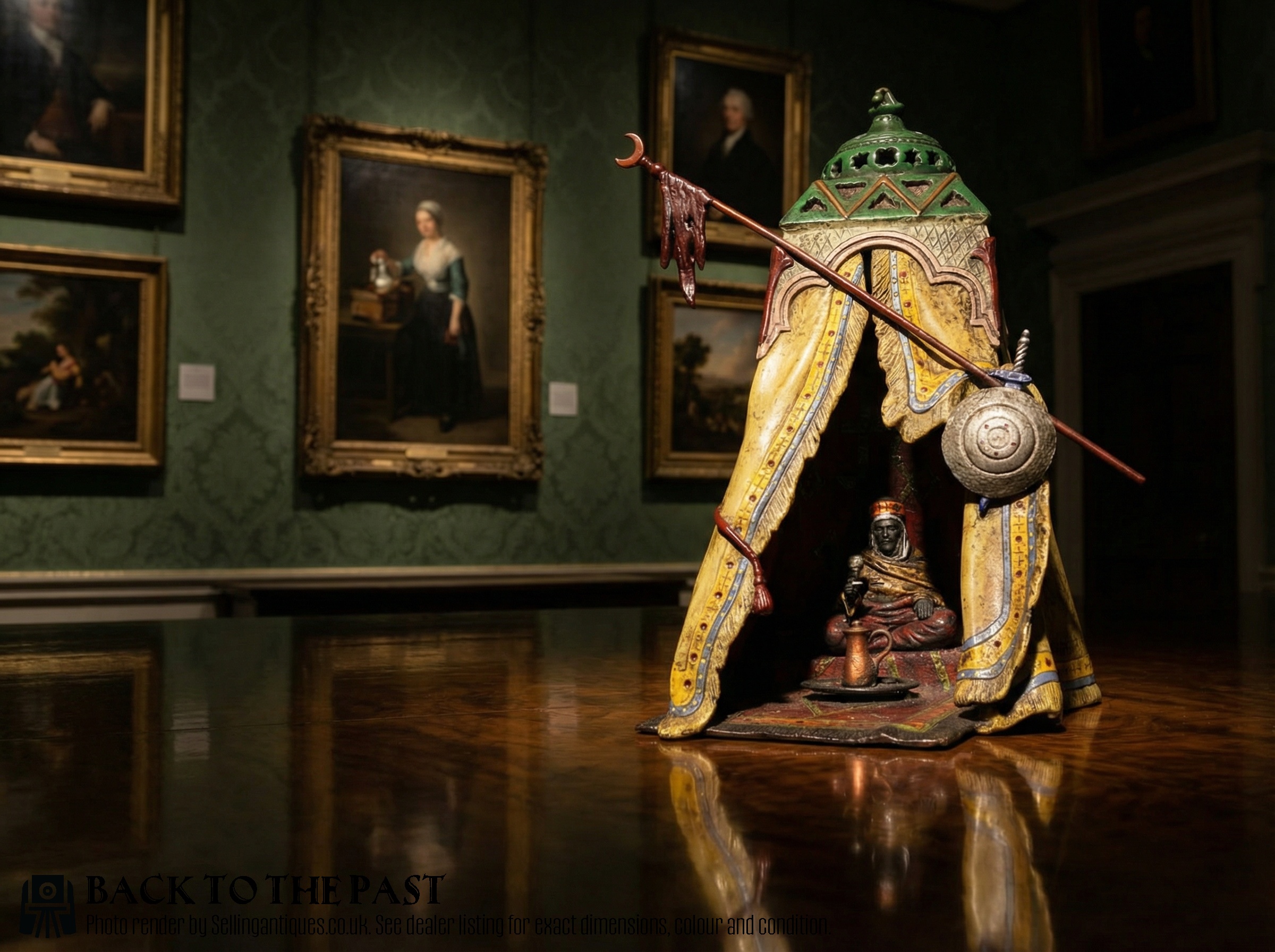
Cold Painted Bronze Figure
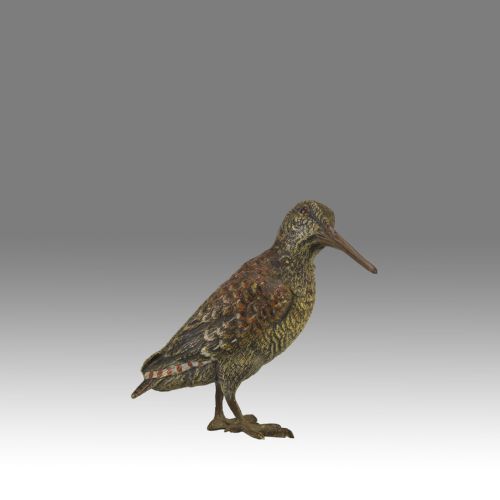
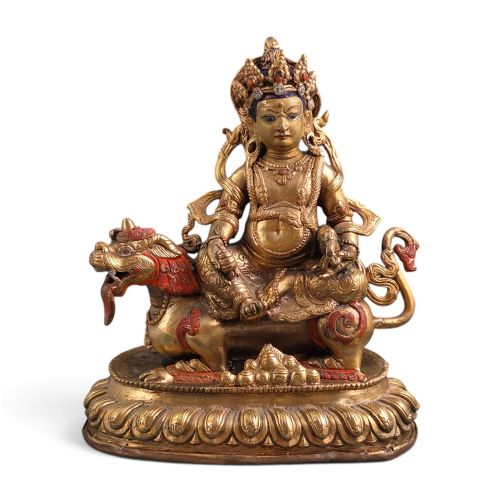
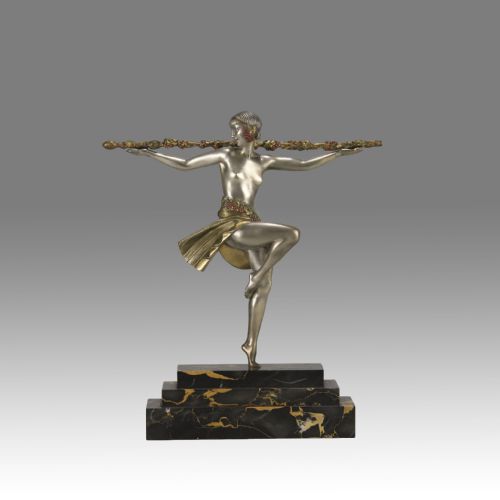
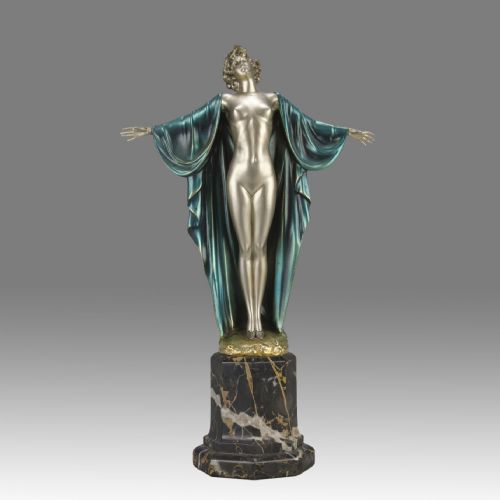
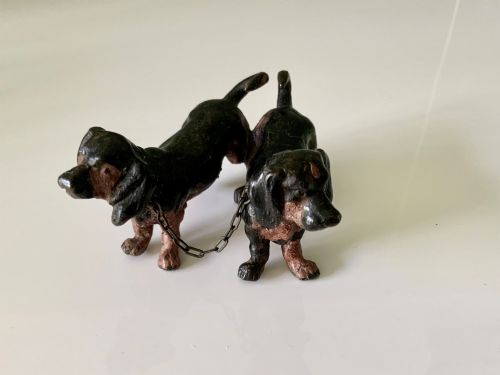
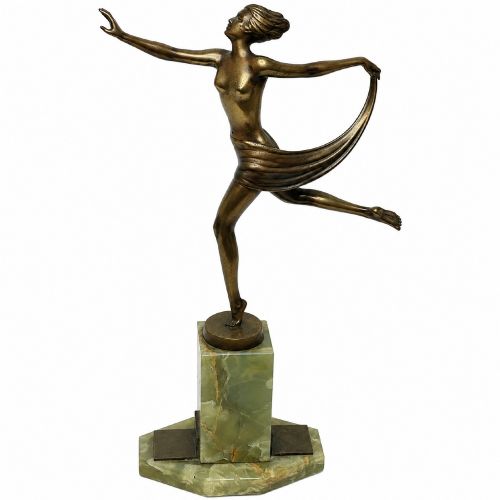
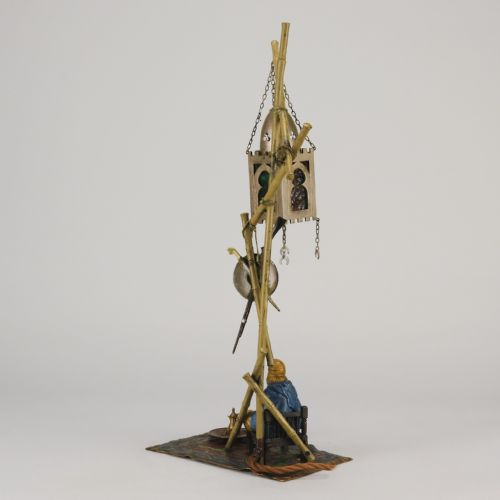
A cold painted bronze figure represents a vibrant category of small-scale sculpture that captures animals, human subjects, and architectural lamps with intense chromatic realism. These works span the late Victorian era through the Art Deco period, capturing everything from playful wildlife to theatrical dancers.
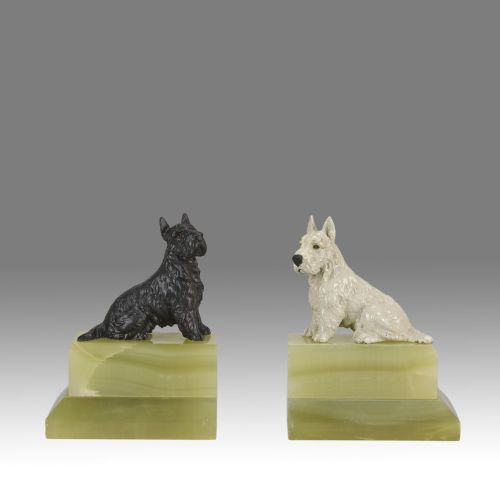
The objects on this page frequently originate from Austrian workshops, particularly Vienna, where animal studies and Orientalist subjects found a ready market. Collectors encounter birds, dogs, and human figures mounted on marble or onyx bases, or integrated into functional objects such as bookends and lamps.
Makers utilised bronze and spelter as a base for intricate hand-applied pigments that bring each subject to life. While some pieces are modest miniatures, others form elaborate table centrepieces or figural groups.

Materials and Technique
Foundries cast these pieces in bronze or substitute metals such as spelter, preparing the metal surface to receive pigment without the application of heat. This cold-painting technique relies on oil-based paints applied in layers to achieve naturalistic tones on feathers, fur, and garments.
Many sculptures incorporate natural stone elements, mounting the metal figures onto bases of green onyx or marble to provide weight and contrast. Enamel accents occasionally appear to highlight specific details like eyes or ornamental clothing.
Cold Painted Bronze Figure Retail Price Guide 2026
Typical asking prices for cold painted bronze figure among the pieces listed under this phrase on Sellingantiques today, from the lower quarter to the upper quarter. They describe what is for sale here now, not the wider market.
Listings feature works spanning the nineteenth century through the Art Deco era, encompassing bronze, spelter, marble, and onyx.
Assessing Quality
Quality rests heavily on the crispness of the initial cast and the dexterity of the polychrome brushwork. Superior examples display subtle shading and anatomical precision that survive across the contours of the metal.
The integrity of the original paint layer determines much of the standing of a piece within the market. Exemplary works retain their complex pigmentation intact, showing minimal rubbing or later restoration across the high points of the casting.
Franz Bergman·Josef Lorenzl·Ferdinand Preiss·Bruno Zach·E Villanis
The Cold Painted Bronze Figure Glossary
- Cold-painting
- A method of decorating metal sculpture using oil-based paints applied after casting without firing. This technique produces vibrant polychrome surfaces that remain vulnerable to moisture and abrasion.
- Vienna Bronze
- A term denoting small cast-metal figures produced in Austrian foundries during the late nineteenth and early twentieth centuries. These works are celebrated for their naturalistic animal studies and Orientalist subjects.
- Spelter
- A zinc alloy utilised as an economical alternative to bronze for figural casts. It takes detail well but possesses a lighter weight and softer structure than traditional bronze.
- Onyx
- A banded variety of chalcedony frequently carved into bases and vide-poche trays for bronze sculptures. Its green and amber tones complement the metallic patinas of the period.
- Orientalism
- An artistic movement focused on subjects from the Middle East and North Africa. In bronze casting, this translated into figures of merchants, warriors, and dancers draped in elaborate attire.
Cold Painted Bronze Figure: Frequently Asked Questions
What is the difference between bronze and spelter?
Bronze is a durable alloy of copper and tin that yields a heavy, resonant casting suitable for fine detail. Spelter is a zinc-based metal that feels lighter and softer to the touch.
Spelter was frequently employed as a less expensive alternative during the Art Deco period and often relies on patination or cold paint to simulate true bronze.
Why are so many figures mounted on onyx?
Green onyx and marble bases provided stability for small, top-heavy figures and served as decorative elements in their own right. They frequently functioned as vide-poches, desk tidies, or integral parts of inkwells and lamp bases.
The polished stone offered a contrasting frame that elevated the sculpture for display on a desk or mantelpiece.
How can I identify Vienna bronzes?
Vienna bronzes typically display exceptional anatomical observation, often featuring humorous or dramatic animal behaviour alongside intricate Orientalist human subjects. They frequently carry small foundry marks or Bergman amphora symbols.
The palette relies on layered cold-painted enamels and oil colours that settle into the recesses of a finely chased bronze casting.