
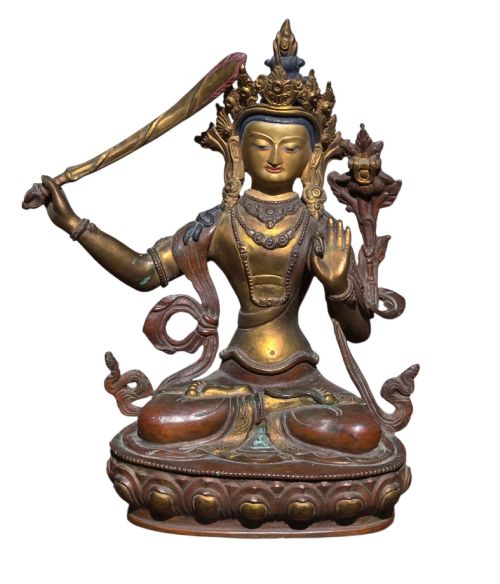
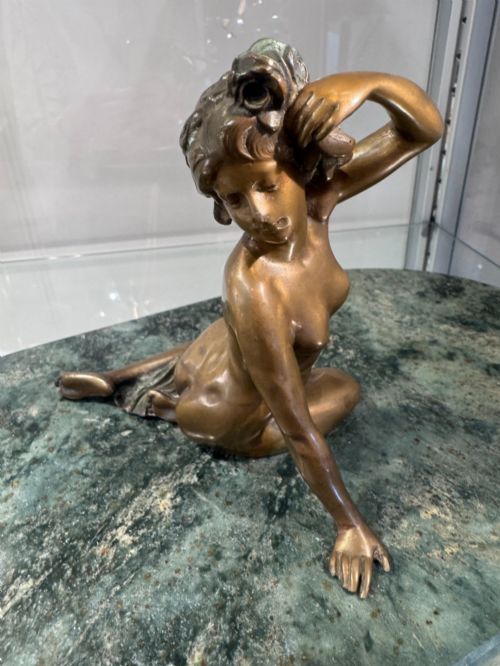
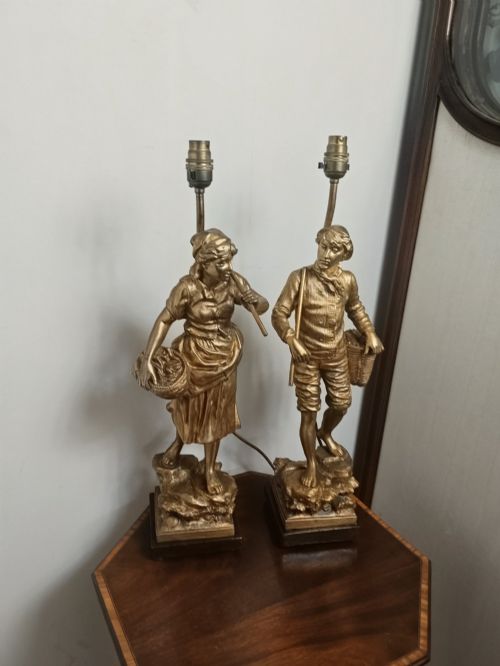
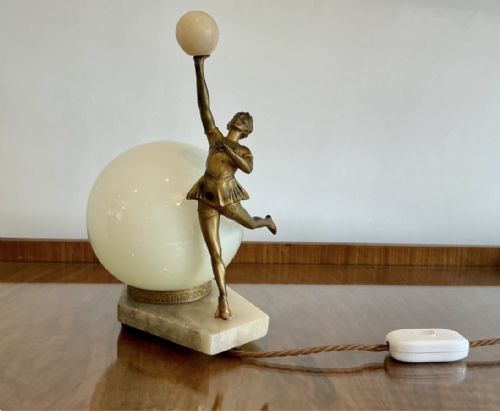
Gilt Bronze Figure
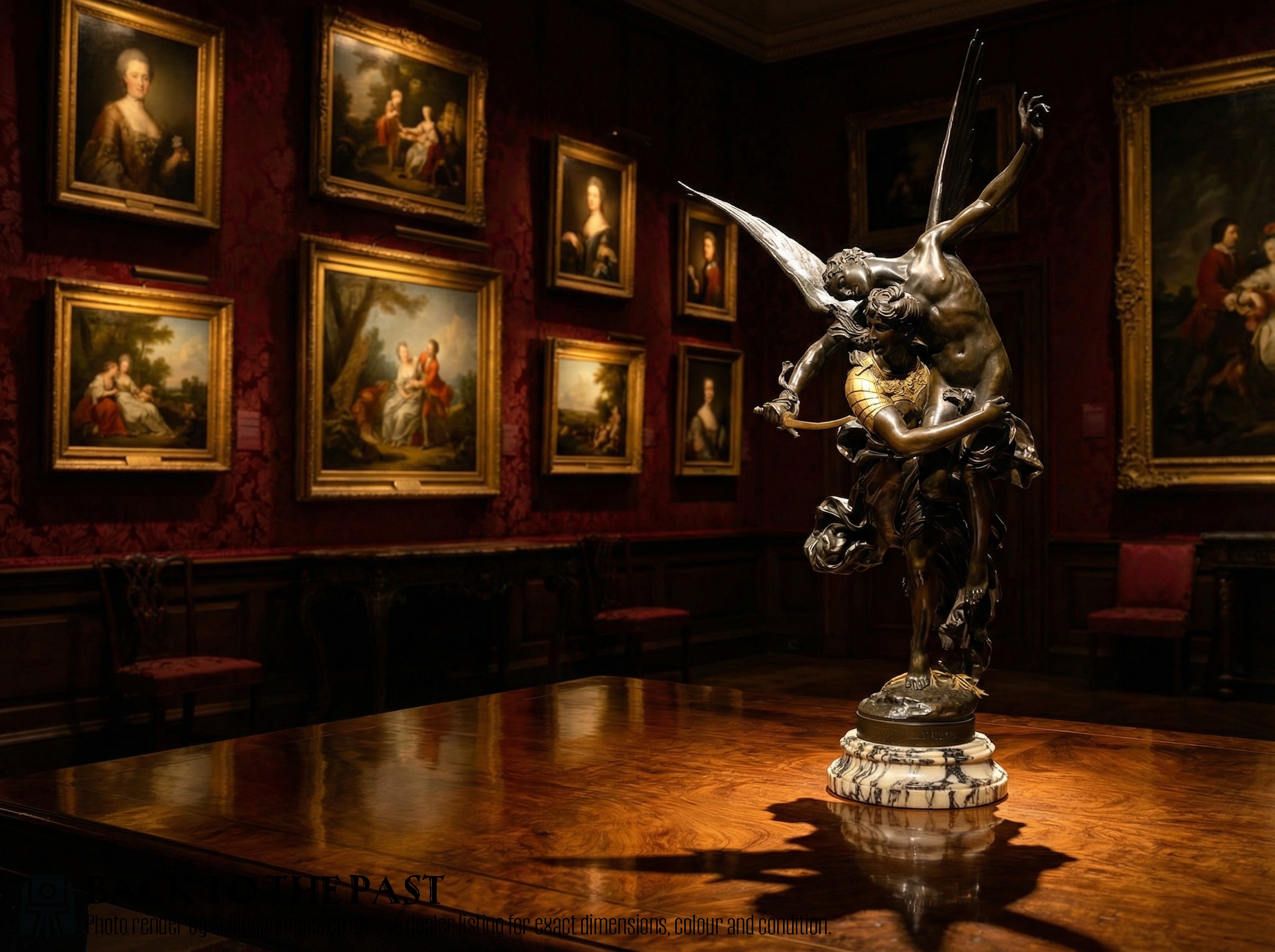
A gilt bronze figure brings weight, metal polish and presence to a room, ranging from classical European allegories to Asian deities.
What They Are
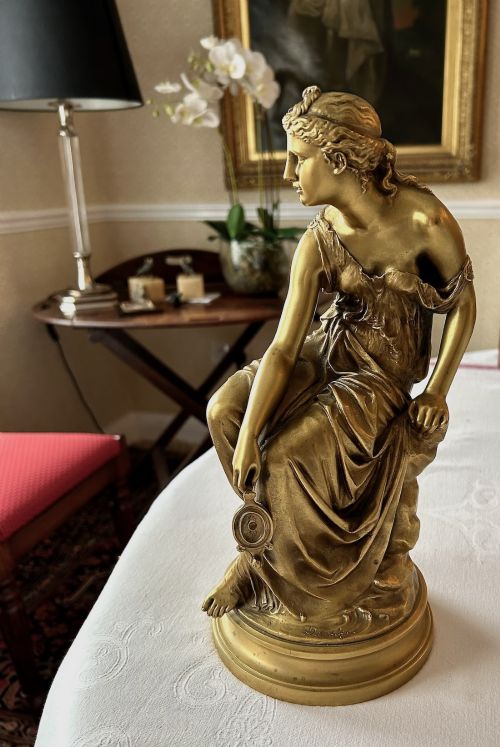
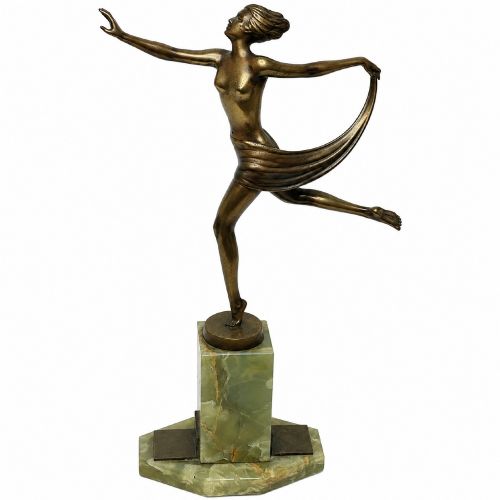
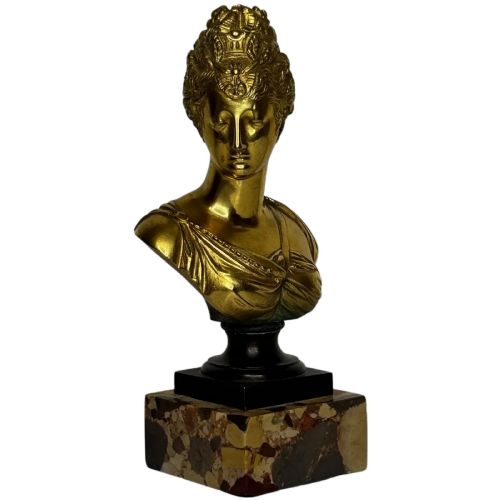
A gilt bronze figure represents human, divine or allegorical subjects cast in metal and finished with a gold-coloured surface layer, spanning classical European aesthetics and Eastern traditions. These works appear across distinct stylistic periods, including the eighteenth century, the nineteenth century, and early twentieth-century Art Deco.
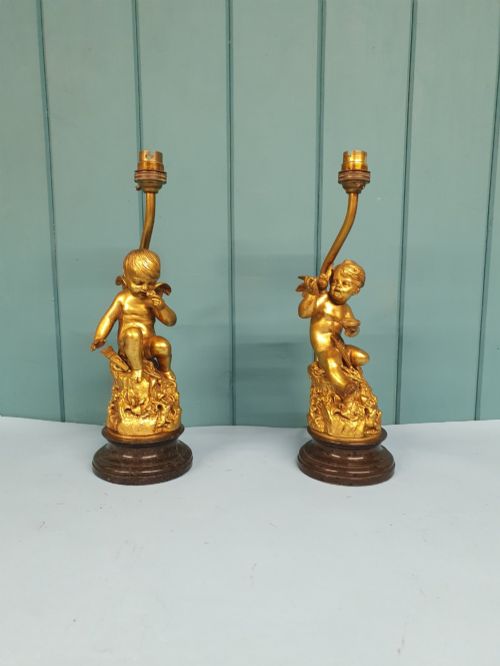
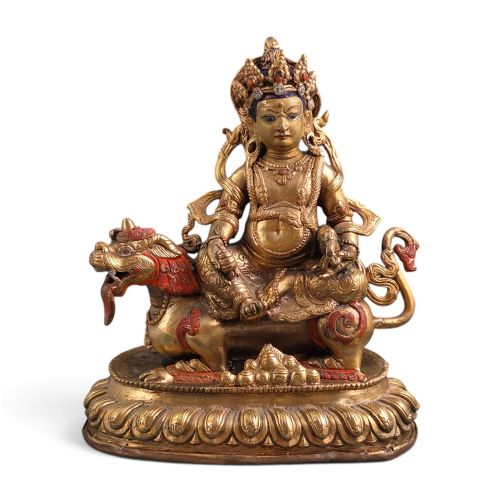
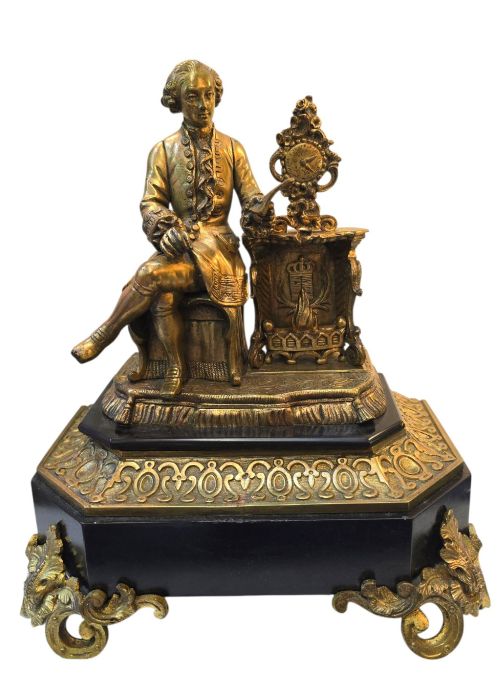
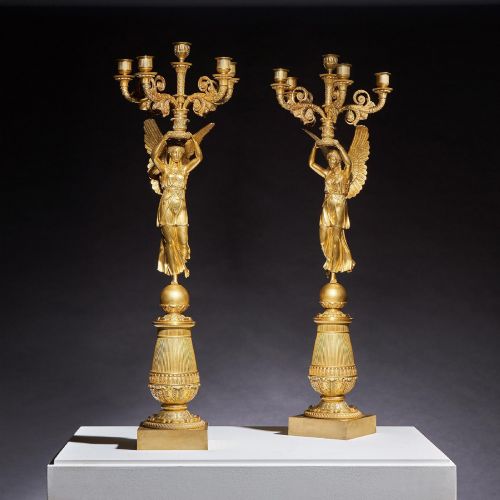
The subjects divide broadly between Western academic, neoclassical or mythological characters such as Mars, Minerva and cherubs, and Eastern spiritual figures including Buddha deities, Jambhala and Vajradhara. European examples often take the form of mantel clock mounts, lamps or standalone statuary, while Asian pieces preserve devotional or ritual forms.
Makers and foundries operating in France, Japan and Tibet shaped these sculptures, utilising materials such as marble, onyx, wood and pigment alongside the core metal. Pieces range from intimate miniature figures to large signed sculptural groups.
How They Were Made
Master founders and sculptors finished the cast metal through chiselling, polishing and fire-gilding, applying a layer of gold amalgam to the bronze surface before heating. This process bonded the precious metal securely to the bronze substrate, creating a durable and luminous finish that survives across centuries.
Retail Price Guide 2026
Typical UK retail prices for gilt bronze figure, calculated from the Sellingantiques database of over a million retail prices indexed since 2003. This retail price guide relies exclusively on Sellingantiques data; no external sources or auction records are used, so the figures do not describe the wider market.
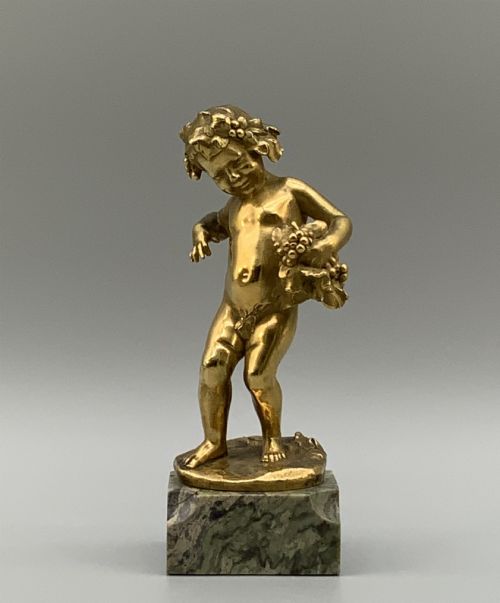
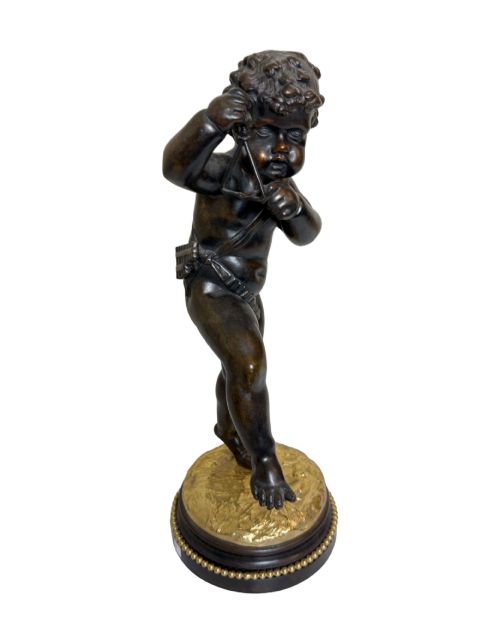
Among the deities and warriors, a cheerful cherub balances on one foot while enthusiastically playing a musical triangle.
What Varies in Quality
Quality rests upon the crispness of the original cast and the depth of the subsequent hand-chiselling, which determines whether fine details such as facial expressions and fabric folds remain sharp. Superior pieces retain their original fire-gilding intact, showing subtle tonal variations across the metal rather than a flat, uniform modern plating.
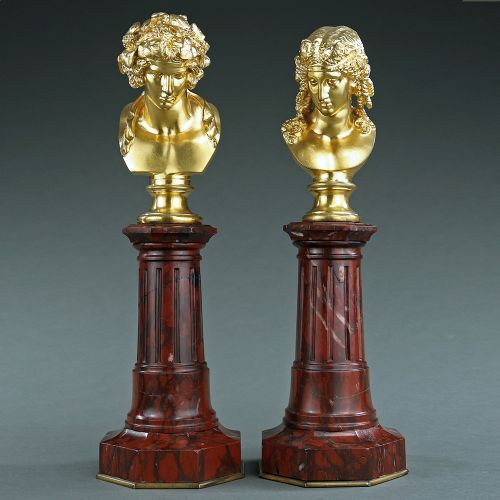
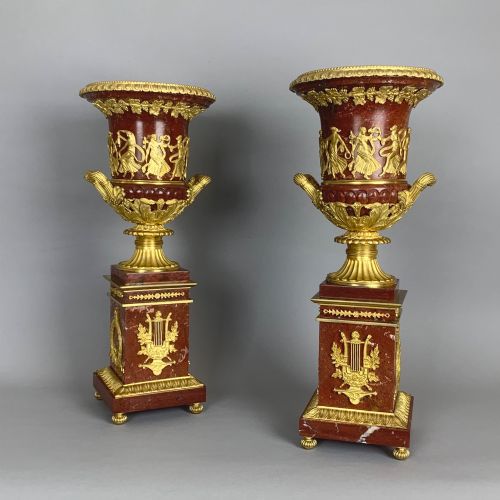
The reputation of the foundry or the individual sculptor elevates a piece significantly, as demonstrated by signed works from established European makers and Japanese workshops. The harmony between the metal figure and its secondary materials, such as a matching marble or onyx base, further distinguishes standard production from exceptional examples.
Barbedienne·Miyao Zo·Miyao Eisuke·Demetre Chiparus·Claire Colinet·Victor Paillard·Ernest Rancoulet·Augustus Moreau
The Gilt Bronze Figure Glossary
- Gilt Bronze
- Bronze metal coated with a thin layer of gold using fire-gilding or chemical methods. This technique protects the underlying copper alloy from oxidation while imparting a rich golden lustre.
- Parcel-Gilt
- A decorative treatment where only specific parts of an object receive gold gilding while the rest remains in its natural bronze or patinated state. It highlights particular details like garments or hair against a contrasting dark metal background.
- Sino-Tibetan
- A cultural and artistic style combining Chinese craftsmanship with Tibetan Buddhist iconography. These figures often depict deities seated on lotus thrones with detailed ritual attributes.
- Foundry
- A workshop or factory where metal is melted and poured into moulds to create sculptures. Prominent nineteenth-century foundries employed skilled artisans to chase and finish each cast by hand.
- Patination
- The surface colour and texture developed by metal over time through oxidation or intentional chemical treatment. It adds depth and visual warmth to bronze sculptures.
Frequently Asked Questions
How do I clean a gilt bronze figure?
Dust the surface gently with a soft, dry brush to remove particles without disturbing the delicate metal finish. Avoid using water, abrasive cloths or chemical cleaning agents, which can strip away historic gilding.
For stubborn grime, consult a professional conservator rather than attempting home remedies. Preserving the original surface texture and tone maintains the integrity of the piece.
Were these figures always mounted on marble bases?
Many nineteenth-century and Art Deco sculptures incorporate marble, onyx or wooden bases to provide stability and visual elevation. Standalone statues often relied purely on their own cast metal footings or integral plinths.
The presence of a stone base usually depends on the specific design intentions of the maker and the period style.
How can I distinguish gilt bronze from brass?
Gilt bronze contains a higher copper content and generally exhibits a warmer, deeper reddish-gold tone beneath the gilding compared to bright yellow brass. True bronze objects also tend to feel heavier and denser than brass castings of a similar size.
Examining the underside or unexposed areas can often reveal the darker bronze metal beneath the gold surface layer.
What is the difference between European and Asian figures?
European gilt bronze figures typically reflect classical mythology, allegorical themes, or academic portraiture created by named Western artists and foundries. Asian figures, such as Sino-Tibetan or Meiji period Japanese works, usually serve devotional or spiritual purposes and depict specific deities or cultural figures.
The iconography, casting style and base construction generally reveal the geographic origin of the sculpture.