




French Academic Sculpture
French academic sculpture embodies rigorous neoclassical draughtsmanship, heroic mythological narratives, and meticulous metalwork produced across the nineteenth and early twentieth centuries.

French Academic Sculpture
French academic sculpture comprises figurative bronze and marble works shaped by the rigorous standards of the École des Beaux-Arts in Paris. These pieces translate classical mythology, historical heroism, and allegorical themes into highly detailed physical forms designed to display elite technical proficiency.
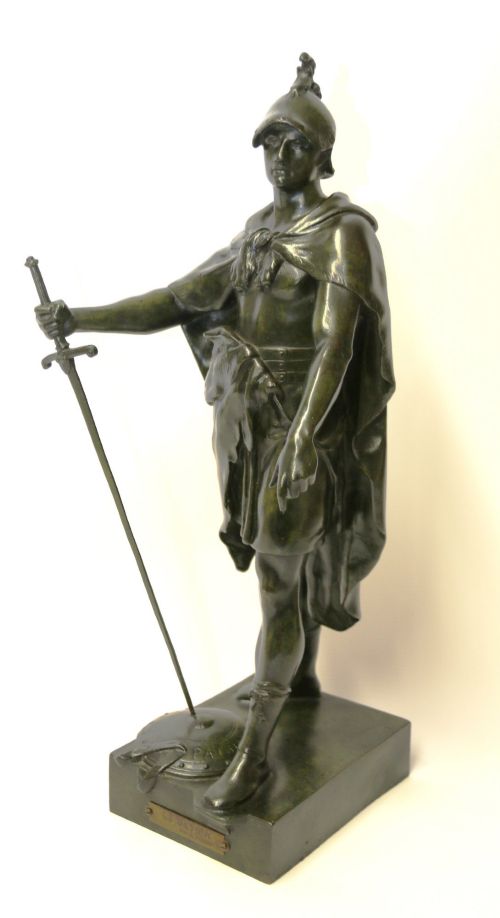
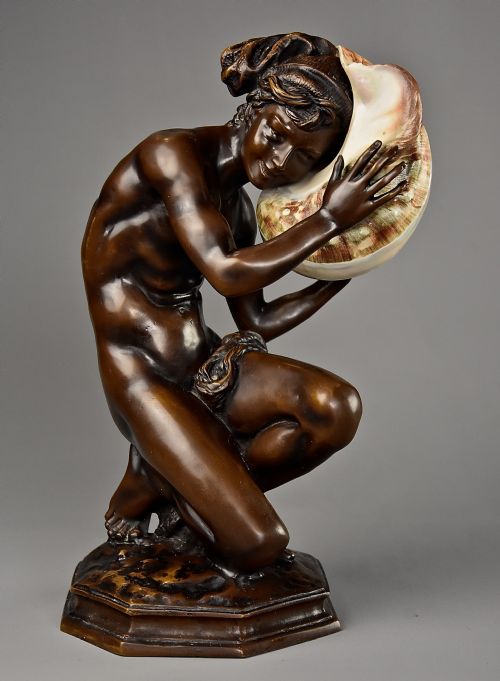
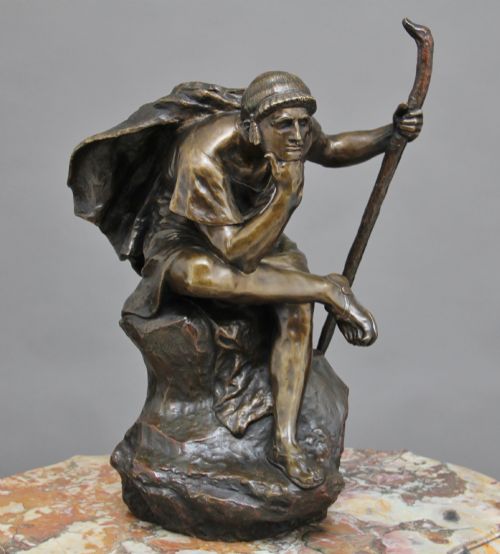
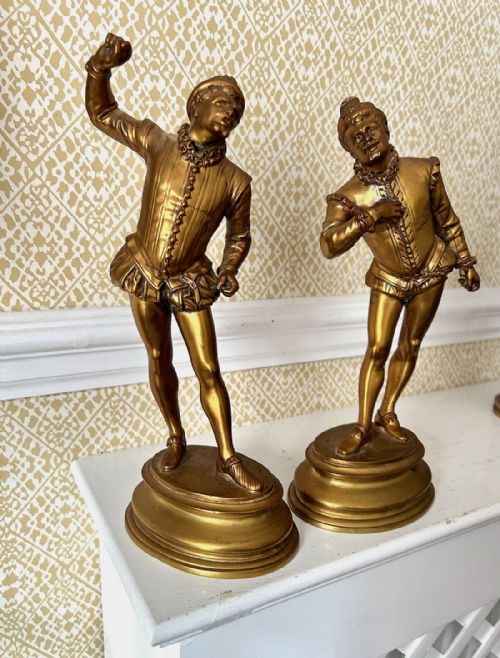
Collectors pursuing french academic sculpture generally encounter freestanding patinated bronze figures, busts, and occasional lamp bases dating from the nineteenth century. These varied subjects range from triumphant Roman soldiers and mythological maidens to regional musicians and literary characters.
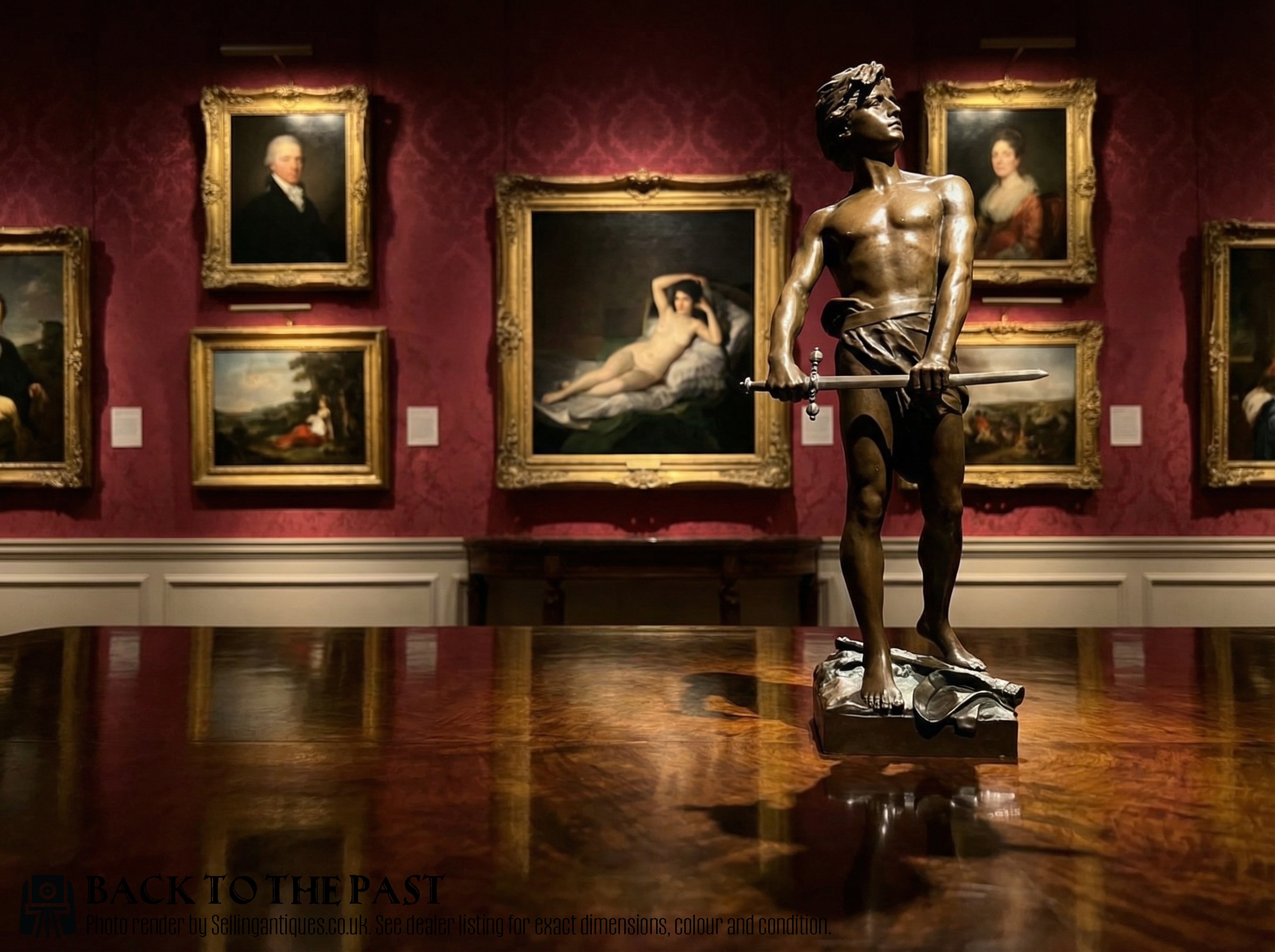
Materials and Construction Techniques
Foundries predominantly employed the lost-wax casting method alongside sand casting to render complex musculature, flowing drapery, and delicate facial expressions in bronze. Artisans then applied chemical patination treatments to produce dark, golden, or nuanced brown surface tones across the metal.
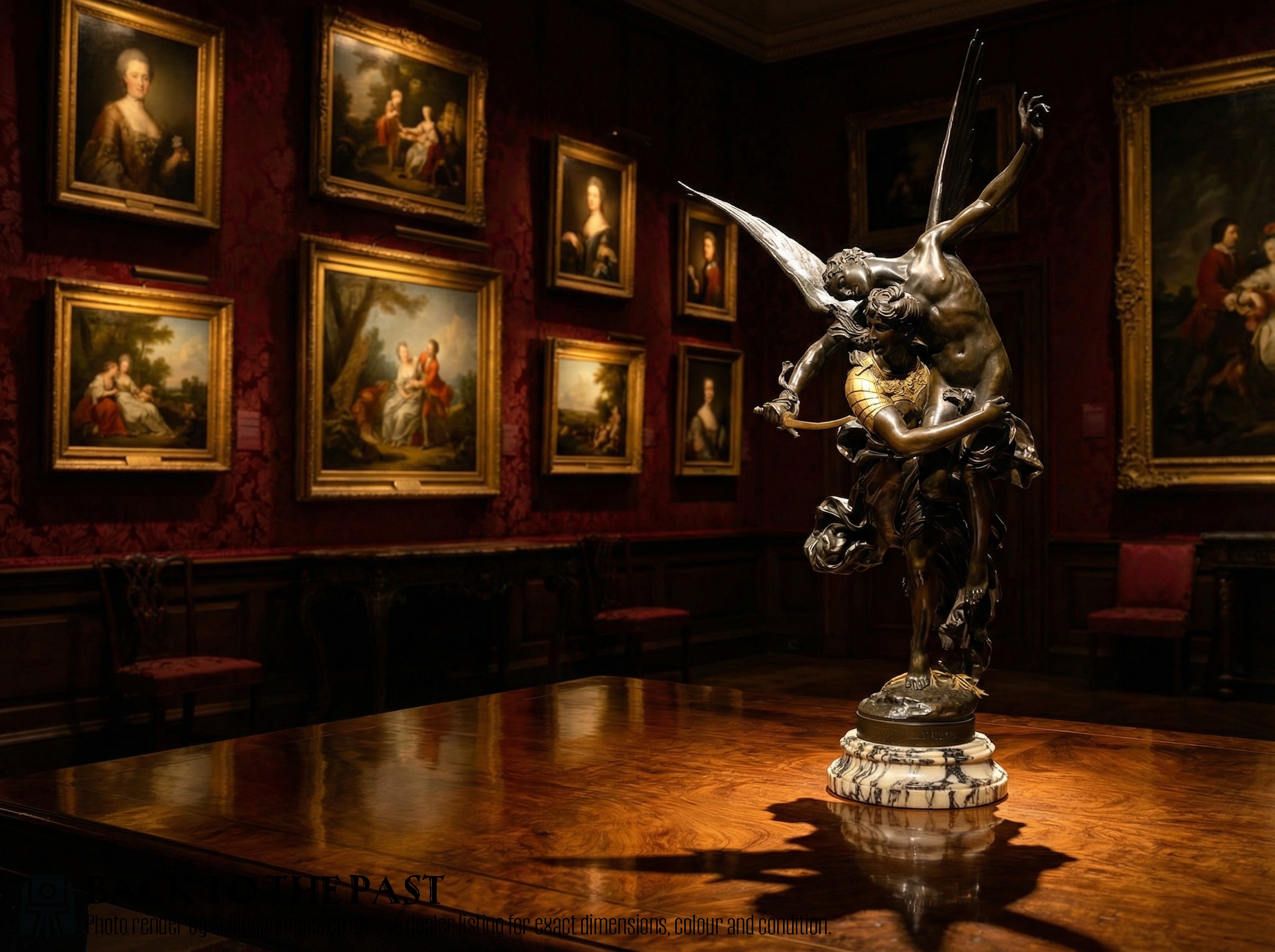
Gilt bronze highlights and contrasting marble socles or plinths frequently complement the primary metal figures. Certain domestic adaptations integrate frosted glass elements or function directly as table lamps while retaining traditional sculptural compositions.
French Academic Sculpture Retail Price Guide 2026
Typical asking prices for french academic sculpture among the pieces listed under this phrase on Sellingantiques today, from the lower quarter to the upper quarter. They describe what is for sale here now, not the wider market.
Listings feature works spanning the nineteenth century through the early twentieth century, utilising bronze, patinated metal, and marble.
Factors Determining Quality
The reputation of the original modeller and the standing of the foundry, such as Barbedienne, heavily influence the desirability of a piece. A well-documented signature and a clean, balanced composition indicate higher artistic ambition and workshop precision.
Émile Louis Picault·Jean-Baptiste Carpeaux·Julien Lorieux·A. Mercié·Emile-Coriolan Guillemin·Charles Anfrie·Edouard Drouot·S. Kinsburger·Jean Jules Salmson·Claudius Marioton·Auguste Moreau·Charles Arthur Bourgeois·Lucien Madrassi·Antonin Mercié·Adolphe Jean Lavergne·Raoul Francois Larche·Ernest-Eugène Hiolle·Albert Carrier-Belleuse·Emile Laporte·E. Laurent·Math. Moreau·Adrien Gaudez·Marcel Debut
The French Academic Sculpture Glossary
- Patinated bronze
- Bronze that has been treated with chemical solutions to alter its surface colour, creating brown, green, or near-black tones. This layer protects the underlying metal while enhancing shadow and depth in sculptural details.
- Lost-wax casting
- A process where a molten metal is poured into a mould created by melting away a wax model. This technique permits extreme precision and undercuts in complex figurative works.
- Neoclassical
- An artistic movement drawing inspiration from the classical art and culture of ancient Greece and Rome. Works in this style emphasise orderly composition, heroic dignity, and anatomical accuracy.
- Spelter
- A zinc alloy frequently utilised as a less expensive substitute for bronze in nineteenth-century decorative figures. It is usually given a bronze-coloured metallic coating to mimic heavier cast metal.
- Socle
- A short plinth or pedestal supporting a bust, figure, or vase. It provides a stable physical base and visually separates the sculpture from the surrounding surface.
French Academic Sculpture: Frequently Asked Questions
What defines french academic sculpture?
These sculptures represent the strict aesthetic guidelines taught at the French academy, focusing on classical mythology, historical heroism, and anatomical accuracy.
They reflect the rigorous training of nineteenth-century French ateliers where technical mastery was paramount.
How should I clean my bronze sculpture?
Dust the surface regularly with a soft, dry lint-free cloth to prevent particulate accumulation.
Avoid using water, chemical polishes, or abrasive cleaners which can strip the original patination from the metal.
Where were these pieces originally displayed?
Nineteenth-century collectors typically displayed these bronzes in formal drawing rooms, libraries, and grand entrance halls.
They served as conversational centrepieces reflecting the cultural literacy and refined taste of the owner.
How can I identify the foundry mark?
Foundry stamps and signatures are usually located near the base of the bronze figure on the top of the plinth.
Using a magnifying glass often helps reveal faint stamped initials or foundry monograms embedded in the metal.