

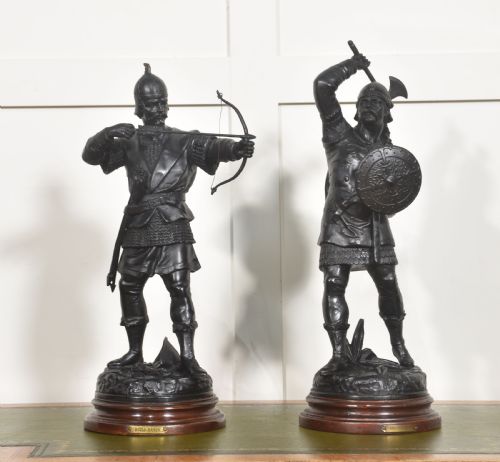


Antique Warrior Figurine
An antique warrior figurine brings heroic presence into a room, capturing figures from classical myth, medieval chivalry and global history in bronze, marble and carved wood.
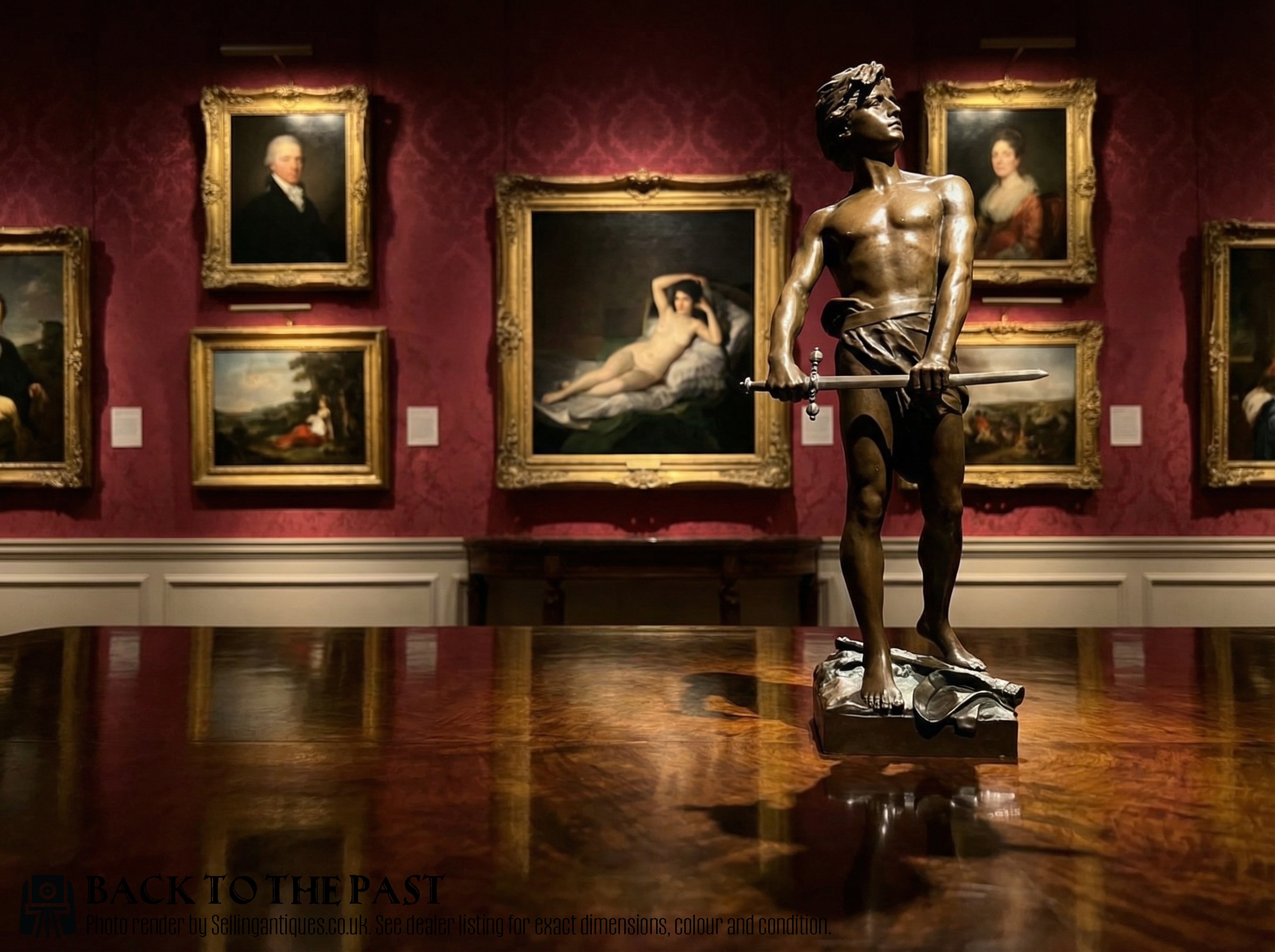
Antique Warrior Figurine
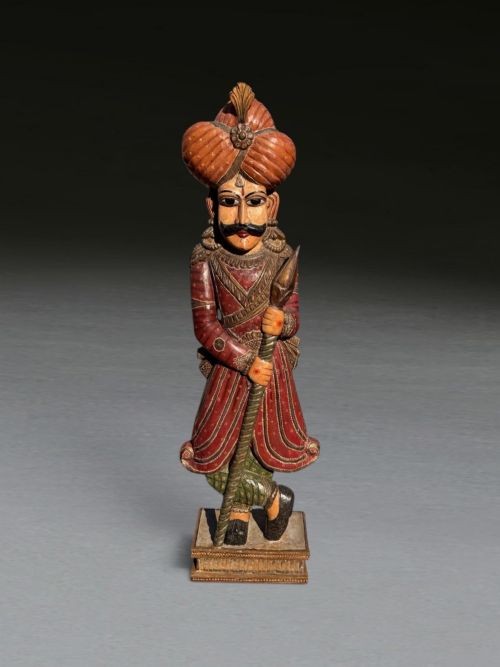
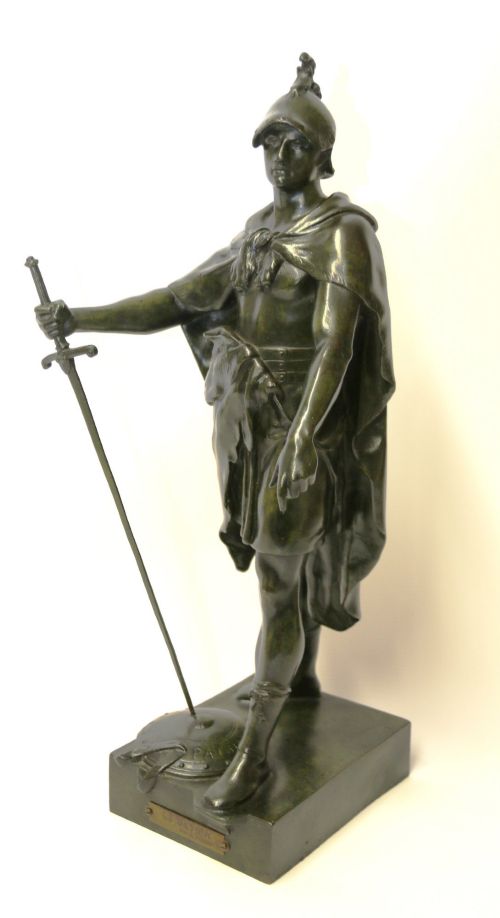
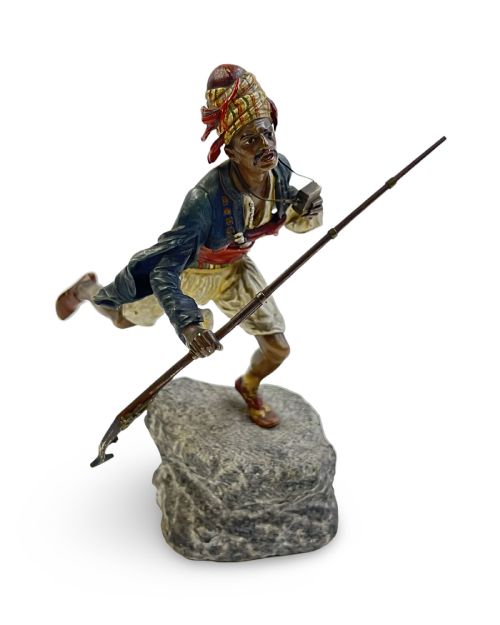
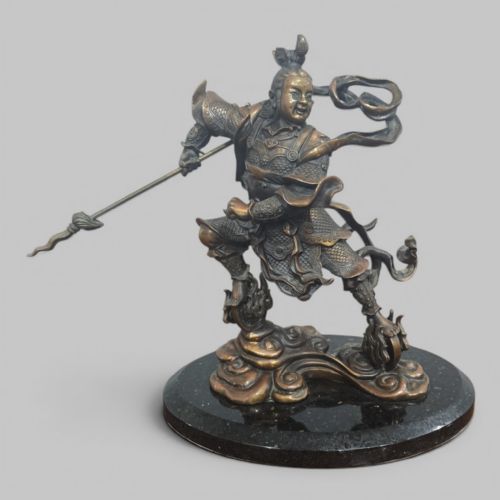
An antique warrior figurine represents soldiers, mythic heroes, gladiators and historical commanders cast in metal or carved from wood and stone. When you search for an antique warrior figurine, you encounter pieces spanning the nineteenth century up to the nineteen-thirties, reflecting diverse regional aesthetics from French academic bronzes to Orientalist cold-painted Vienna metalwork.
The subjects range widely across cultures and epochs, depicting Roman legionaries, Greek deities, medieval knights, Celtic rulers, and Maasai or Indian soldiers. Sculptural forms vary from cabinet-sized desk ornaments to substantial mantel pieces and paired table decorations.
Nineteenth-century examples frequently draw on Grand Tour souvenirs, classical revival themes, and French foundry production. Later twentieth-century pieces introduce art deco styling, spelter groupings, and hardwood carvings from distant trades.
How they were made
Foundries utilised the lost-wax casting technique for finer bronze sculptures, allowing intricate details in armour, weaponry and facial expressions to emerge clearly from the molten metal. Patination was applied chemically to create dark brown, green or gilded finishes, while cold-painted pieces received layers of polychrome enamel over bronze.
Alternative materials include spelter, an inexpensive zinc alloy often given a bronze-like finish to imitate costlier metals during the nineteenth century. Carved wood figures utilise dense hardwoods such as African timbers, shaped with hand chisels, whilst ceramic and porcelain versions rely on moulded clay fired in kilns and hand-painted with glazes.
Victorian households enjoyed displaying miniature warriors alongside domestic ornaments to inspire moral fortitude during tea time.
What varies in quality
The depth and durability of the patination or cold-painted enamel distinguish workshop standards, alongside the weight and integrity of the base material. Signed casts associated with established bronze-makers or prominent foundries command greater artistic regard than anonymous commercial productions.
Émile Louis Picault·Franz Xaver Bergman·Chiparus·Raoul Francois Larche·Franz Iffland
The Antique Warrior Figurine Glossary
- Patinated bronze
- Bronze treated with chemical solutions to produce a specific surface colour and texture. This layer protects the metal and defines the visual mood of the sculpture.
- Spelter
- A zinc-based alloy commonly utilised as a budget-friendly substitute for bronze. It is softer than bronze and frequently exhibits a painted metallic coating.
- Cold-painted
- A method where enamel paint is applied to a cold metal object without subsequent firing. Vienna bronzes frequently utilise this technique for vibrant surface decoration.
- Grand Tour
- A cultural journey undertaken by wealthy Europeans during the eighteenth and nineteenth centuries. Tourists collected miniature bronzes and marble carvings as souvenirs of classical antiquities.
- Neoclassical
- An artistic movement inspired by the art and culture of ancient Greece and Rome. Figures from this tradition emphasise balanced proportions, heroic nudity and classical drapery.
Antique Warrior Figurine: Frequently Asked Questions
What metals are used in these figures?
Most metal figures are cast in bronze, which offers durability and fine detail retention through the lost-wax process. Some pieces employ spelter, a softer zinc alloy popular in the nineteenth century for affordable decorative objects.
Cold-painted bronzes incorporate enamel surface colours, while gilt examples feature thin layers of gold leaf applied to the metal body.
How do I identify a Grand Tour bronze?
Grand Tour bronzes were acquired by travellers visiting classical sites in Italy during the nineteenth century. They often replicate famous ancient statues or architectural fragments as reduced-scale souvenirs.
These pieces typically display rich dark patination and are mounted on heavy marble or slate plinths suited for study display.
Where should I place a heavy bronze figure?
Substantial bronze and marble sculptures require sturdy furniture capable of supporting considerable weight, such as sideboards, heavy desks or dedicated console tables. Ensure the surface is level and protected with felt if the base lacks protective pads.
Keep figures away from direct heat sources and bright sunlight to preserve the chemical patination and painted finishes.
How do I clean an antique bronze sculpture?
Dust bronze figures regularly using a soft, dry bristle brush or a clean microfiber cloth to prevent grime accumulation in intricate crevices. Avoid water, soap, and commercial metal polishes, as these abrasive substances strip away the historic patination.
If the piece requires deeper conservation, consult a professional restorer rather than attempting chemical cleaning at home.