

French Bronze Statues
French bronze statues are cast metal sculptural works from the nineteenth century, sought after for their intricate patination and classical subject matter.
What they are
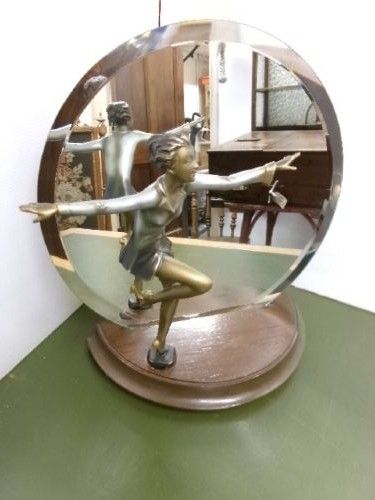
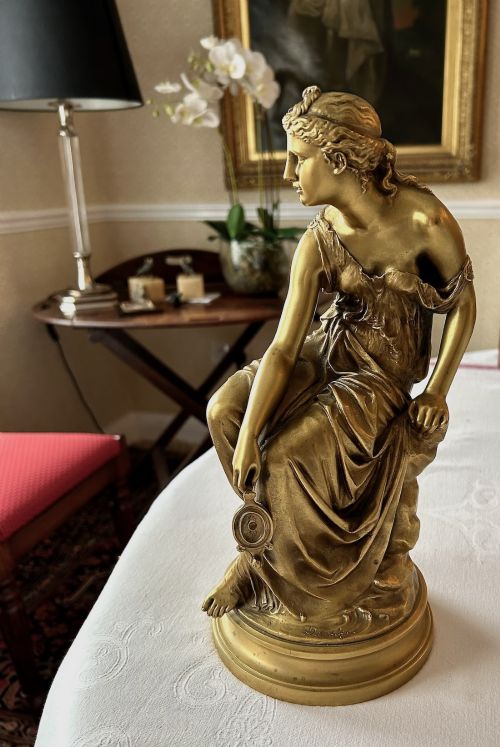
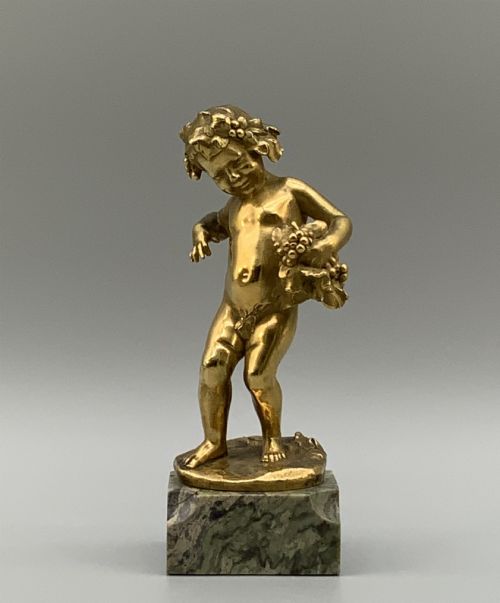
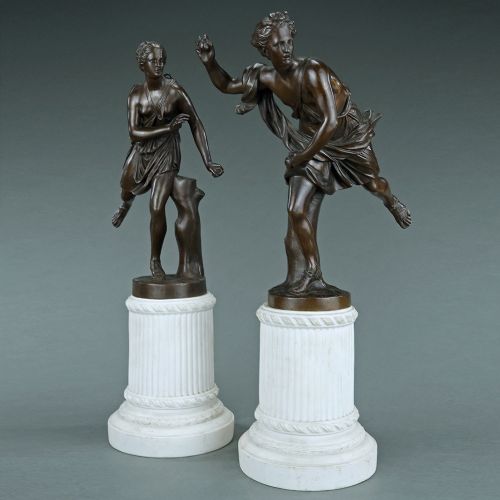
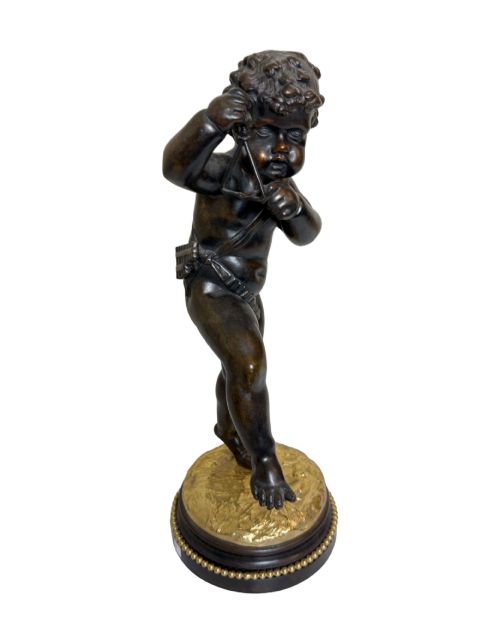
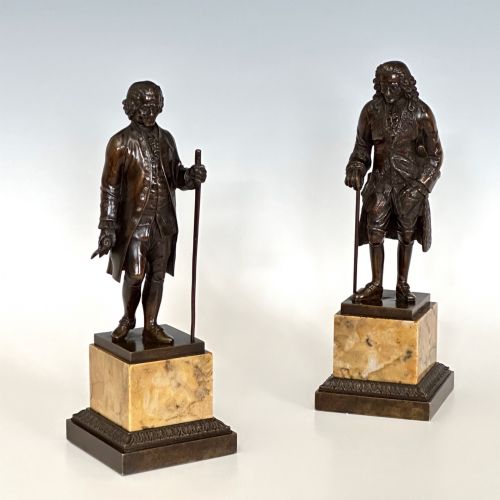
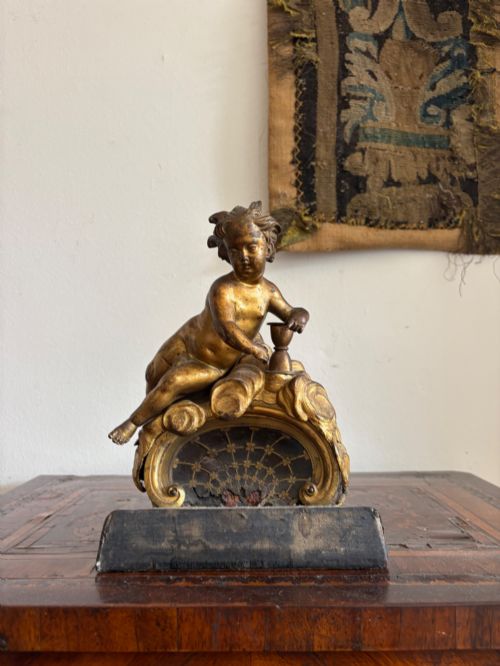
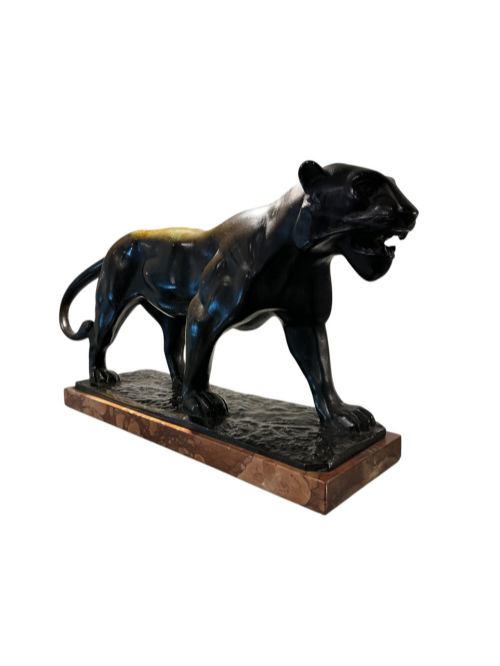
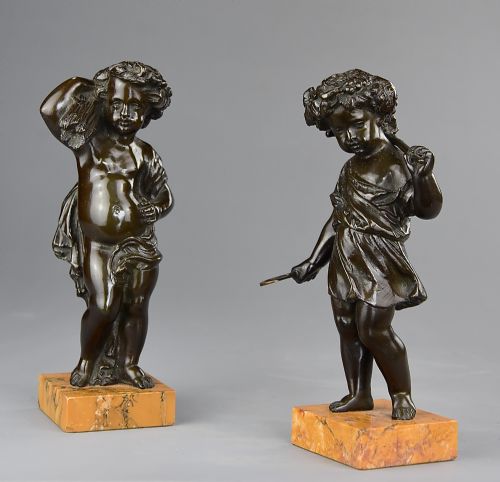
French bronze statues comprise nineteenth-century sculptural works including mythological figures like Mercury and Fortuna, theatrical characters from comedia dell'arte plays, cavaliers, and children with animals or gathering grapes. These pieces frequently appear in pairs, demonstrating the decorative ambition of the period.
The styles represented across these works span nineteenth-century French production, French Rococo Revival, and Neoclassical designs. Makers such as Charles Anfrie, Rousseau, Dumond, Salmson, and Francisque-Joseph-Duret shape the selection.
Most examples originate from the nineteenth century, with specific dates reaching back to the early decades, alongside items marked around 1880 and 1910. Forms are categorised simply as sculptures and statues.
How they were made
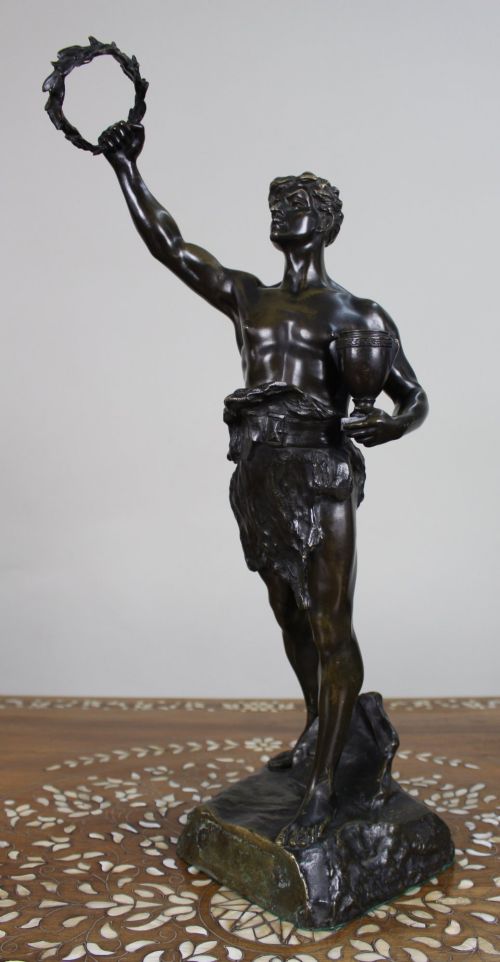
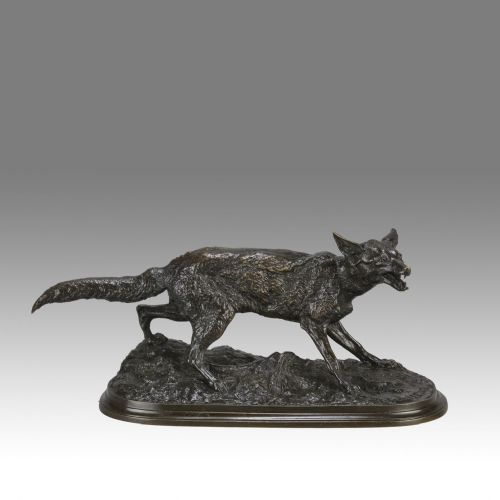
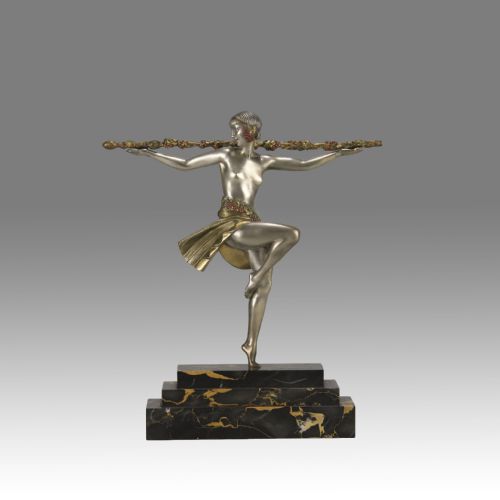
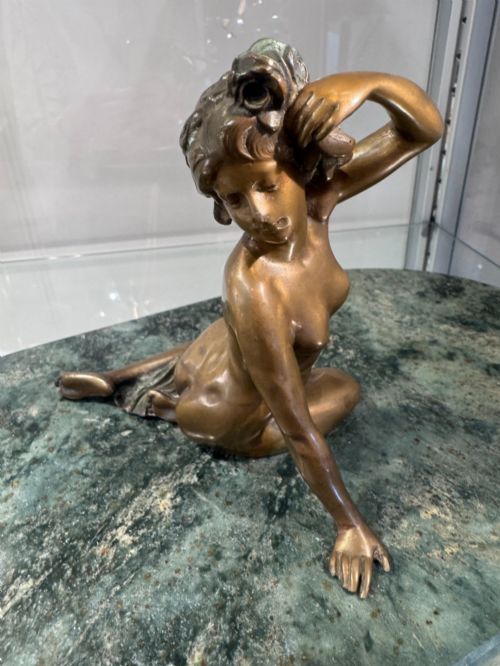
These works utilise cast bronze, often finished with a dark patina or patinated bronze to accentuate the modelling of the metal. Artisans combined metal casting with stone bases, mounting the bronzes on marble, green marble, or ebonised wood plinths.
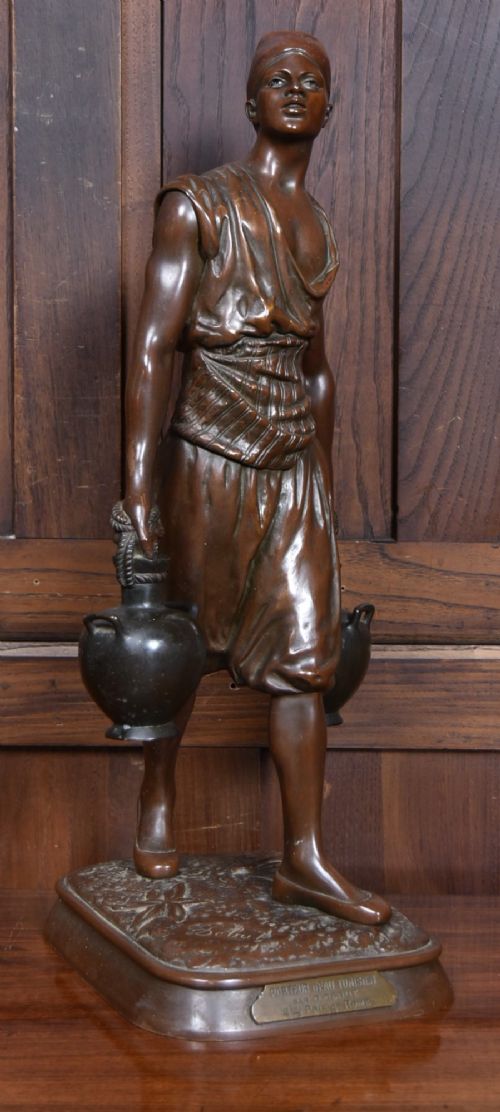
Signatures, foundry marks, and stamps like the one by Charles Anfrie appear directly on the metal surface or base. The combination of patinated bronze and contrasting marble bases reflects the technical standards of nineteenth-century French foundries.
Retail Price Guide 2026
Typical UK retail prices for french bronze statues, calculated from the Sellingantiques database of over a million retail prices indexed since 2003. This retail price guide relies exclusively on Sellingantiques data; no external sources or auction records are used, so the figures do not describe the wider market.
Listings feature works from the nineteenth century, 1880, and 1910, utilising bronze, marble, and ebonised wood.
What varies in quality
Quality rests in the crispness of the chasing and the depth of the patinated bronze surface. Superior castings retain sharp details in hair, drapery, and facial expressions without obscuring the original tooling beneath the dark patina.
The integration between the bronze figure and its stone support distinguishes finer pieces. Statues mounted on heavy marble or ebonised wood bases demonstrate a greater material harmony than simpler mountings.
Charles Anfrie·Rousseau·Dumond·Salmson
The French Bronze Statues Glossary
- Patinated bronze
- Bronze that has been chemically or thermally treated to produce a specific surface colour, often dark brown or black. This finish protects the metal and highlights the sculptural contours.
- Comedia dell'arte
- An early form of theatre characterised by masked 'types' which inspired nineteenth-century sculptors. Figures from these plays capture theatrical gestures in cast metal.
- Neoclassical
- A style drawing inspiration from the classical art and culture of ancient Greece and Rome. This aesthetic manifests in statues depicting mythological subjects like Mercury and Fortuna.
- Ebonised wood
- Timber treated to resemble ebony, frequently used for bases. It provides a dark, uniform contrast to the patinated bronze above.
Frequently Asked Questions
What periods do these statues come from?
The available examples date primarily from the nineteenth century, including pieces from around 1880 and 1910. Early nineteenth-century items also appear within the selection.
Production spans several decades of French foundry work, encompassing Neoclassical and Rococo Revival movements.
Are these statues sold individually or in pairs?
Many of the listed works are pairs, such as figures representing comedia dell'arte characters, cavaliers, or children with animals. Pairs were designed for balanced placement on mantelpieces or console tables.
Single figures also occur, portraying standalone mythological subjects like Mercury and Fortuna.
What materials are used in the bases?
Bases frequently incorporate marble, green marble, or ebonised wood to support the weight of the metal. These materials provide a stable foundation and a decorative contrast to the dark patina.
Stonework and wood mounts are typical of nineteenth-century display practices for sculptural bronzes.
How do I identify the maker?
Makers and sculptors often signed their work directly into the bronze casting during production. Names such as Charles Anfrie, Salmson, and Dumond appear on the metal alongside foundry stamps.
Archival records and signatures help attribute specific figures to known nineteenth-century artists.