


19th Century French Bronzes
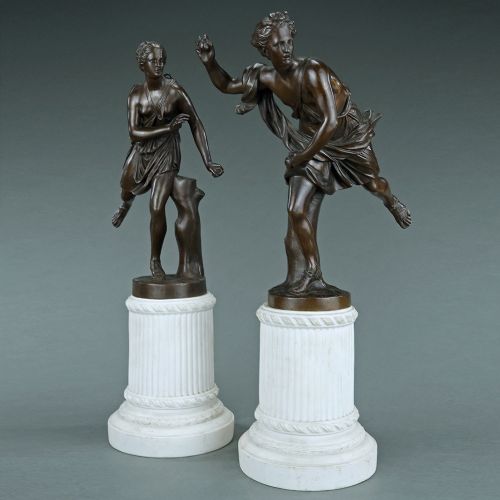
These 19th century french bronzes bring classical mythology, theatrical characters and dramatic figures straight into the room.
What 19th century french bronzes are
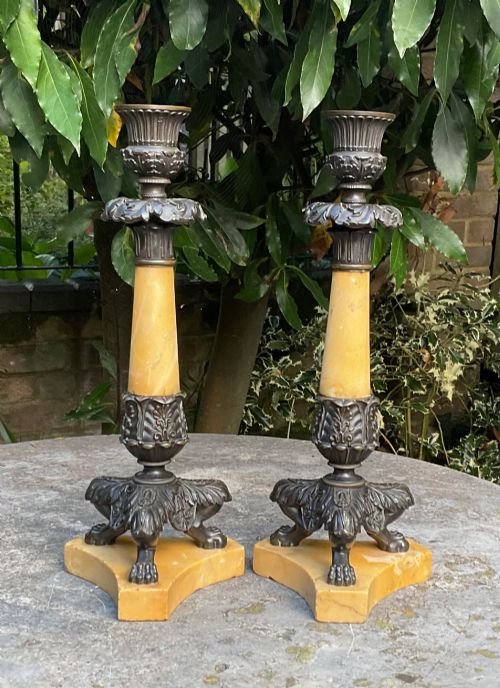
Collectors seeking 19th century french bronzes encounter figural sculptures and functional candelabra spanning periods from eighteen fifty to eighteen eighty. The forms draw on neoclassical, rococo revival, orientalist and chateau aesthetics.
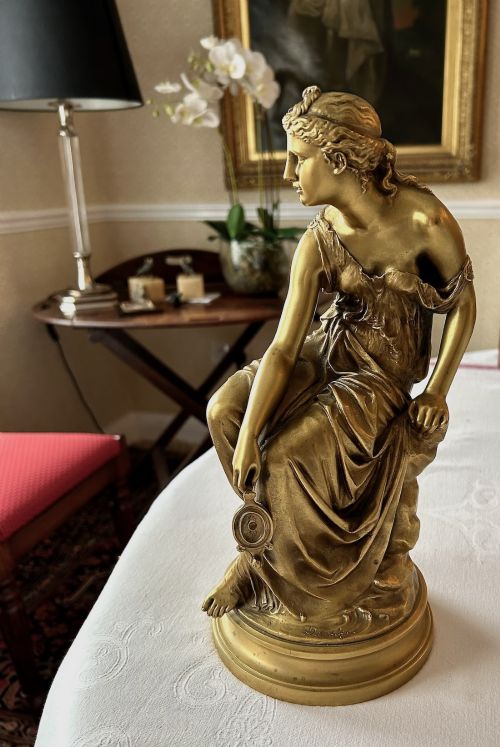
Subjects range from mythological figures like Venus, Atalanta and Eros to theatrical characters from comedia dell'arte plays and historical groups such as gladiators and philosophers.
How they were made
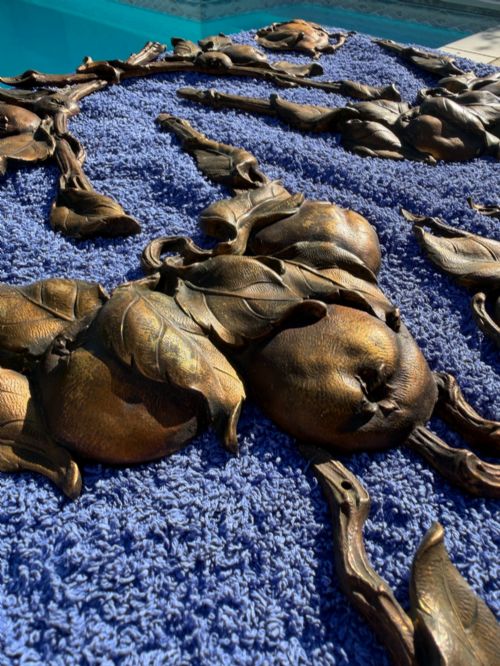
Foundries utilised bronze as the primary medium, frequently mounting the metal figures upon marble bases for stability and contrast. Pieces appear with patinated, gilt and parcel-gilt finishes.
Sculptors executed detailed human and animal forms, which workshops then cast and finished with patination or gilding to accentuate the muscular definition and drapery.
Retail Price Guide 2026
Typical UK retail prices for 19th century french bronzes, calculated from the Sellingantiques database of over a million retail prices indexed since 2003. This retail price guide relies exclusively on Sellingantiques data; no external sources or auction records are used, so the figures do not describe the wider market.
Even philosophers like Socrates appear cast in bronze, ready to contemplate your bookshelf.
What varies in quality
The sophistication of the casting and the depth of the patina separate ordinary foundry work from superior artistic output. Crisp detail in facial expressions and hair marks the better examples.
The integration of parcel-gilt or gilt elements alongside the patinated bronze influences the visual richness of the group. Selection of the marble base also distinguishes standard production from ambitious commissions.
Barbedienne·Claude Michel Clodian·Charles Anfrie·Charles Arthur Bourgeois·Aug. Moreau·Louis Marie Moris
The 19th Century French Bronzes Glossary
- Patinated bronze
- Bronze treated with chemicals to produce a specific surface colour, ranging from deep brown to near black. This finish protects the metal and highlights sculptural contours.
- Parcel-gilt bronze
- Bronze where select areas receive a layer of gold leaf while other sections retain the dark patina. This technique creates high contrast and draws the eye to ornamentation.
- Candelabra
- Branched lighting fixtures designed to hold multiple candles, executed here in sculptural bronze forms. They combine utility with decorative figural subjects.
- Neoclassical
- A revival style drawing inspiration from classical antiquity, visible in the proportion, drapery and subject matter of these figures. It dominated much of the century's production.
Frequently Asked Questions
What subjects do these bronzes depict?
The pieces show mythological figures, classical heroes, theatrical characters from comedia dell'arte and historical philosophers. Sculptors also rendered dramatic animal groups and allegorical studies.
Subjects reflect nineteenth century interests in antiquity, literature and the dramatic arts, translated into solid bronze form.
How do I care for a bronze sculpture?
Dust the surface gently with a soft, dry brush and avoid chemical cleaners that strip the original patina. Keep the metal away from direct moisture and extreme temperature changes.
Handling the bronze with clean hands prevents skin oils from reacting with the patinated or gilt surface over time.
Are all these pieces mounted on marble?
Many sculptures and candelabra feature integral marble bases that provide a stable platform and a contrasting visual texture. The stone varies in colour and grain according to the maker's design.
Not every piece requires a separate base, but stone plinths are common among cabinet bronzes from this era.
How do I identify a foundry mark?
Foundry stamps, signatures and artist names typically appear incised into the bronze base or near the feet of the figure. These inscriptions help attribute the casting to specific workshops.
Examining the metal under good light reveals these signatures, which confirm the maker and period context.