




Marble Base Statue
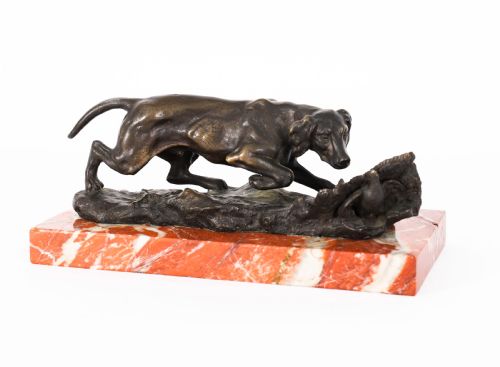
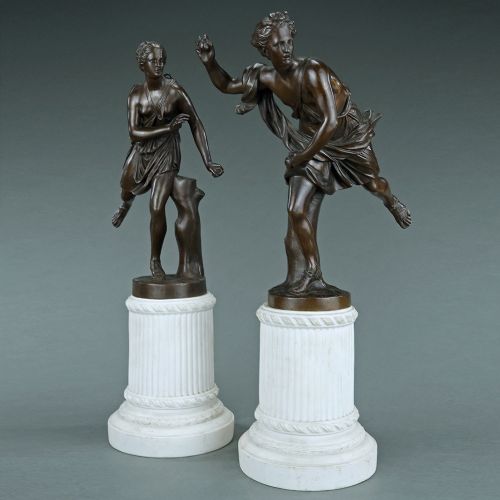
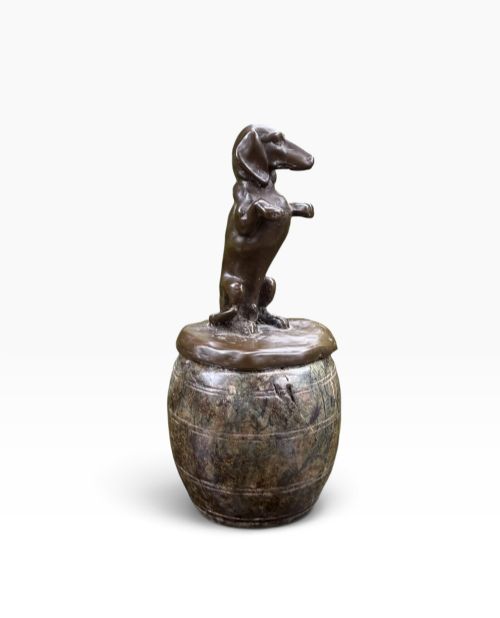
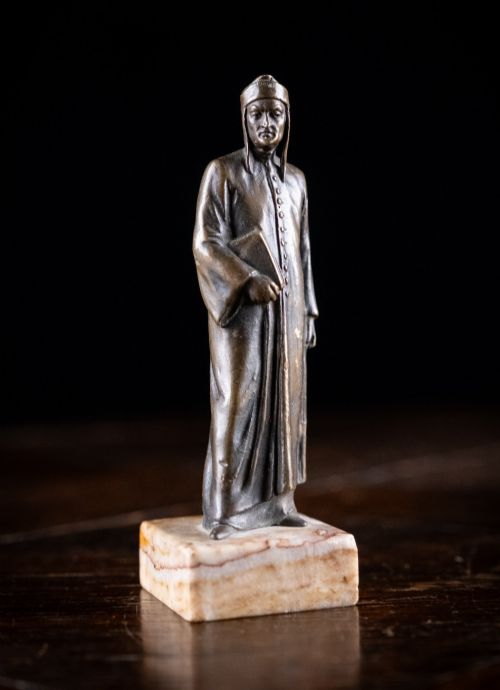
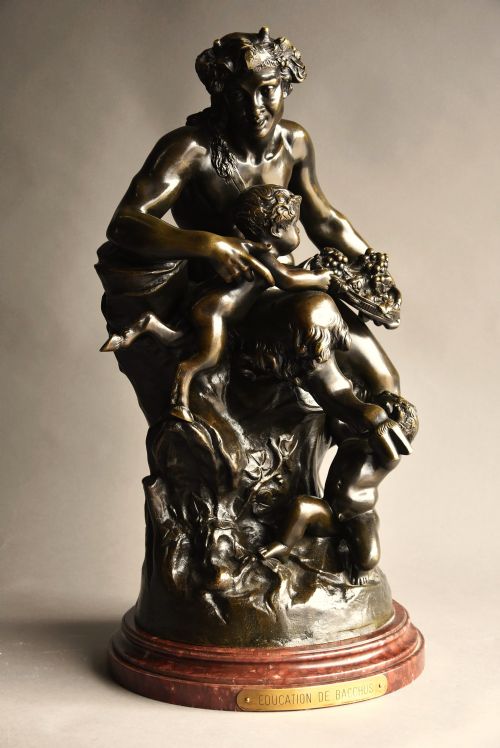
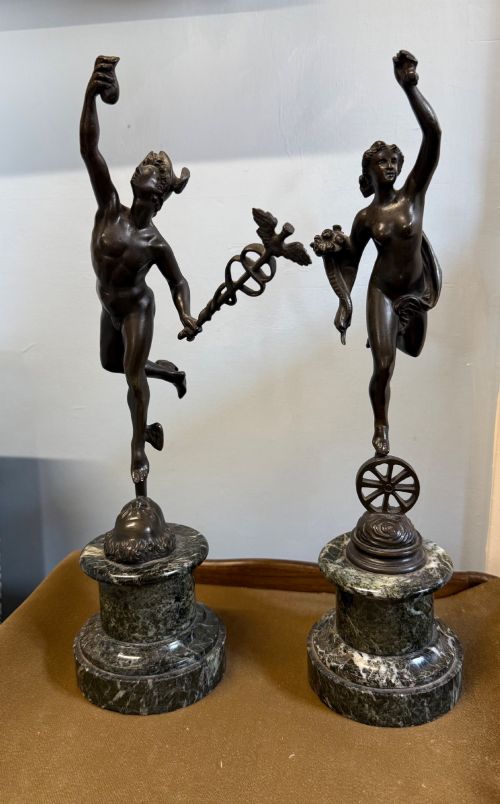
These marble base statue examples combine sculptural metalwork and carved stone into striking decorative statements that anchor a room.

Understanding marble base statue pieces
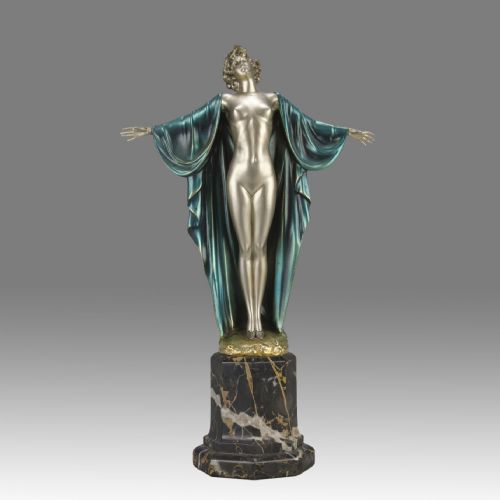
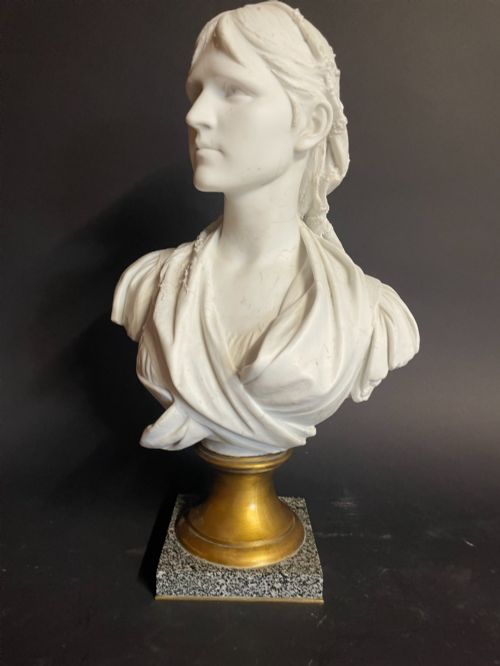
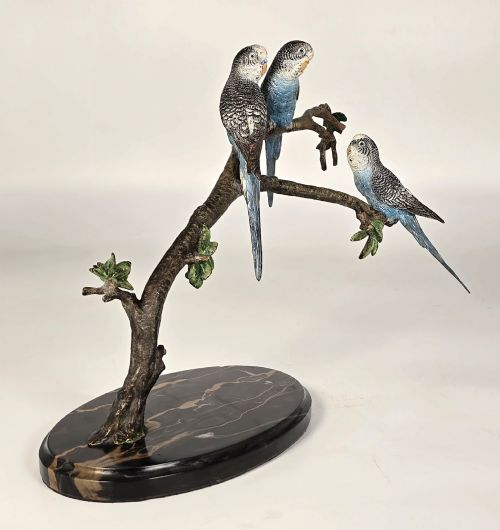
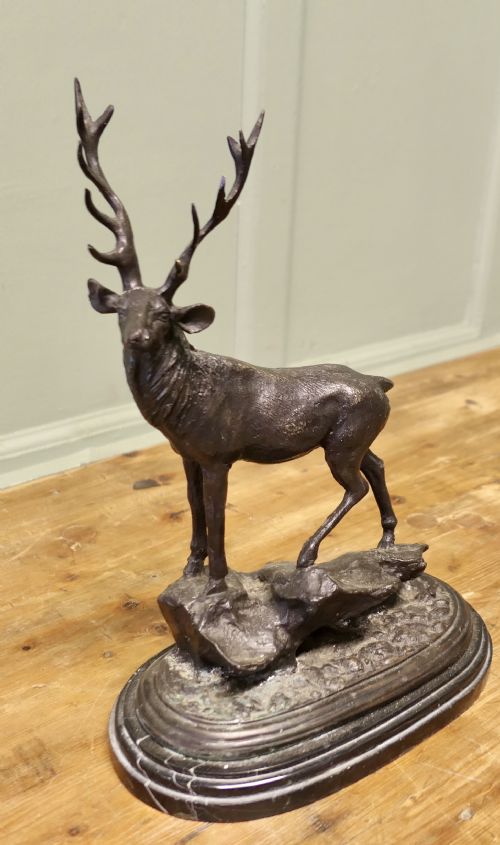
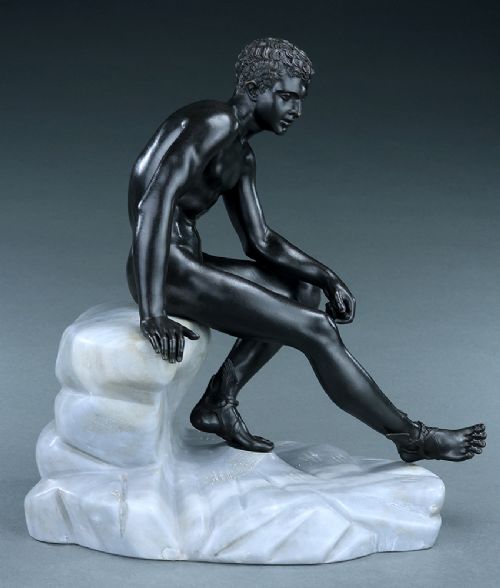
A marble base statue unites a figural sculpture cast in bronze, spelter, or metal alloy with a heavy stone foundation. These pieces range from mythological figures and literary portraits to animalier studies and modernist dancers.
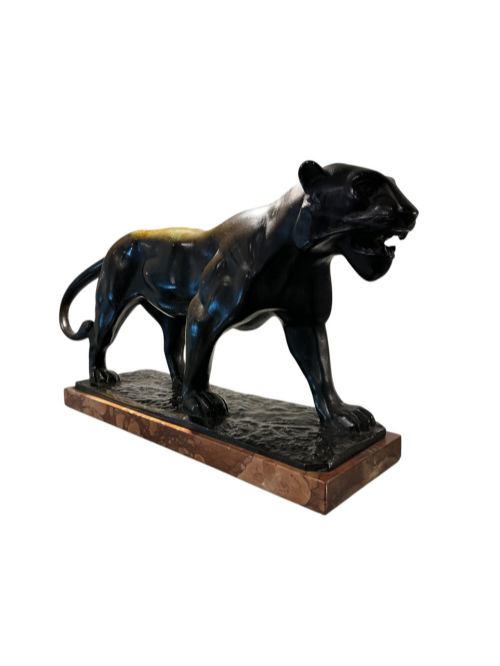
The most common examples on this page date from the nineteenth century through the nineteen-thirties, spanning Neoclassical, Grand Tour, Animalier, and Art Deco styles. Figures of foxes, panthers, and human subjects are mounted securely onto solid stone plinths.
Makers utilised contrasting textures, pairing dark patinated metal with veined or variegated marble and onyx. Such sculptures served as mantel ornaments, cabinet showpieces, and desk accessories in period interiors.
Materials and construction
Sculptures are cast in bronze, spelter, or metal alloy, sometimes receiving a silver-plate or gilt finish to enhance their visual impact. These metal figures are then attached to carved stone bases made of marble or onyx.
Bases are shaped from natural stone blocks, displaying varied colouration from simple dark polished surfaces to variegated red marble. Metal figures are secured to the stone plinths using threaded rods or pins fitted through the base.
Retail Price Guide 2026
Typical UK retail prices for marble base statue, calculated from the Sellingantiques database of over a million retail prices indexed since 2003. This retail price guide relies exclusively on Sellingantiques data; no external sources or auction records are used, so the figures do not describe the wider market.
Some panthers crouch permanently on their marble plinths, forever stalking a living room sideboard.
Judging quality and craftsmanship
Quality depends upon the crispness of the metal casting and the depth of the chased surface detail, separating finely worked bronzes from simpler alloy or spelter castings. The choice of stone also dictates refinement, with dense, evenly veined marble elevating the piece above standard supports.
The harmony between the sculpture and its mounting determines overall success. Superior pieces demonstrate thoughtful composition where the patinated metal figure and the stone plinth form an integrated whole rather than an assembled pairing.
Barbedienne·Demetre Chiparus
The Marble Base Statue Glossary
- Animalier
- A nineteenth-century sculptural style focusing on realistic depictions of animals, particularly predators in motion. These figures are frequently mounted on heavy stone plinths.
- Spelter
- A zinc-based metal alloy used as an economical alternative to bronze. It accepts metallic paints and platings to imitate more costly materials.
- Patina
- The surface sheen and colour developed on metal through age or chemical treatment. A well-preserved patina adds depth to the sculptural details.
- Neoclassical
- A style drawing inspiration from classical antiquity, often featuring mythological subjects and formal symmetry. Pieces in this manner reflect traditional academic training.
Frequently Asked Questions
How do I clean a marble base statue safely?
Dust the metal figure with a soft, dry brush and wipe the stone gently with a damp cloth.
Avoid harsh chemical cleaners that can strip patination from the metal or etch the polished stone surface.
Are these figures attached permanently to their bases?
Most sculptures are secured to the stone plinth via internal fixings such as threaded bolts running through the base.
This construction ensures stability for heavier metal castings, though older fixings should be handled with care.
How can I tell bronze from spelter?
Bronze offers a heavier weight and a cooler touch, developing a rich organic patina over time.
Spelter is lighter and softer, often revealing grey metal beneath chipped paint or surface plating.
Where should I display these sculptures?
Place them on sturdy surfaces like mantelpieces, sideboards, or large desks where their weight is supported safely.
Keep them away from direct sunlight and areas of high humidity to protect the stone and metal finishes.