



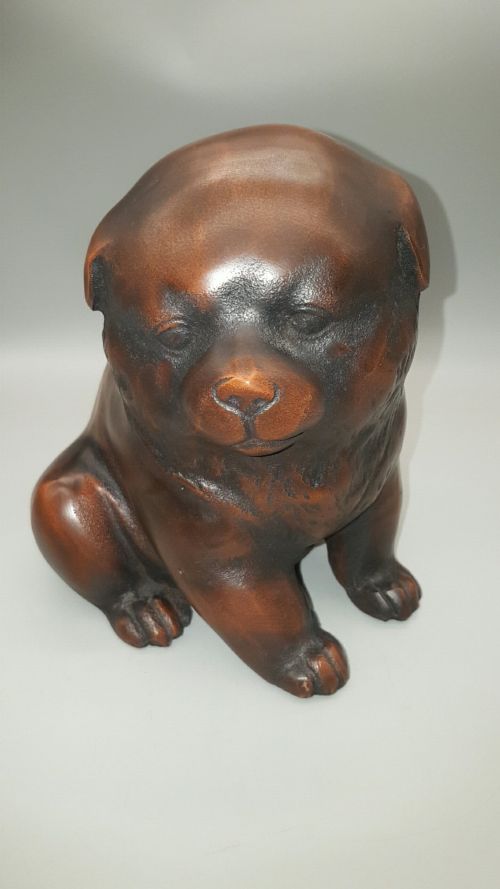
Antique Metal Figurine
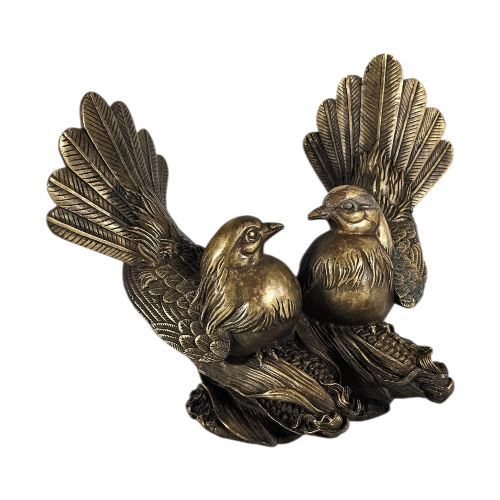
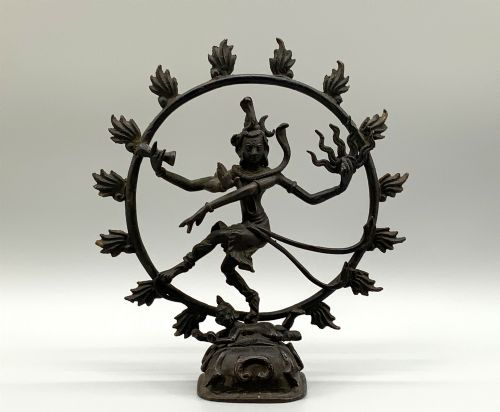
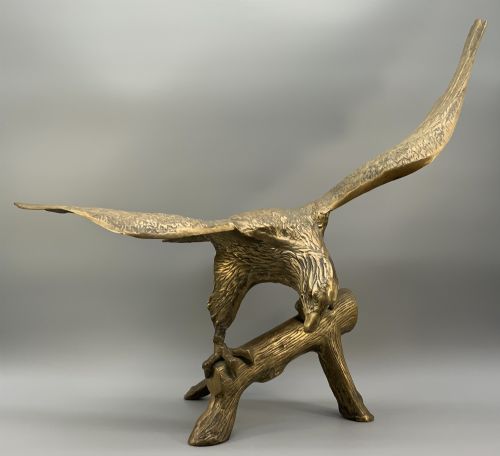
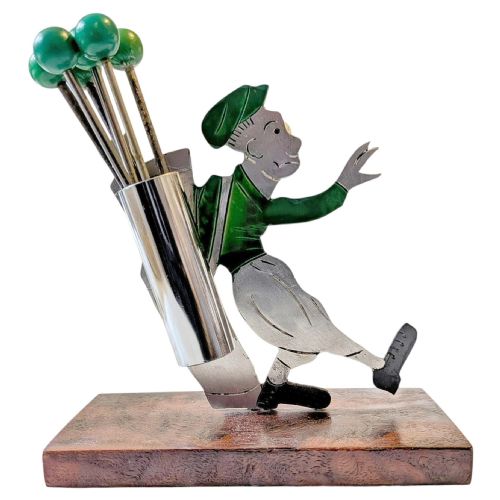
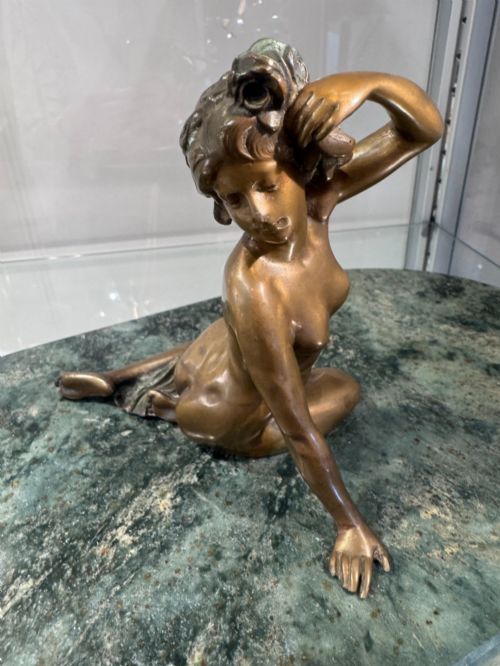
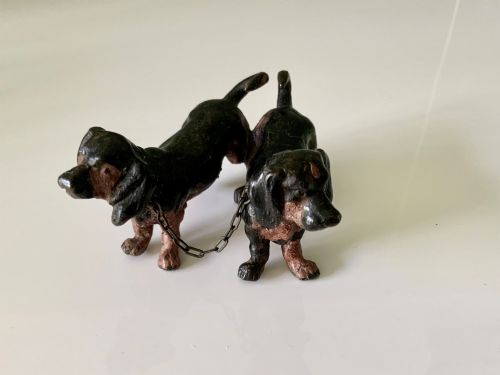
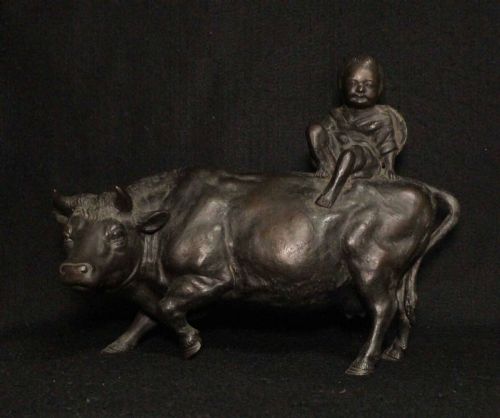
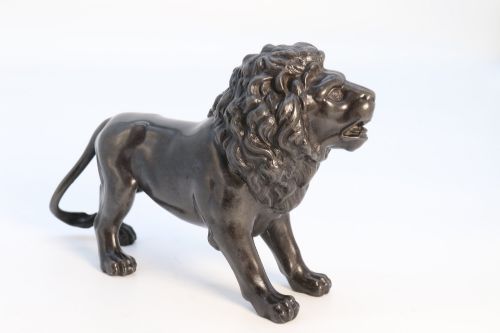
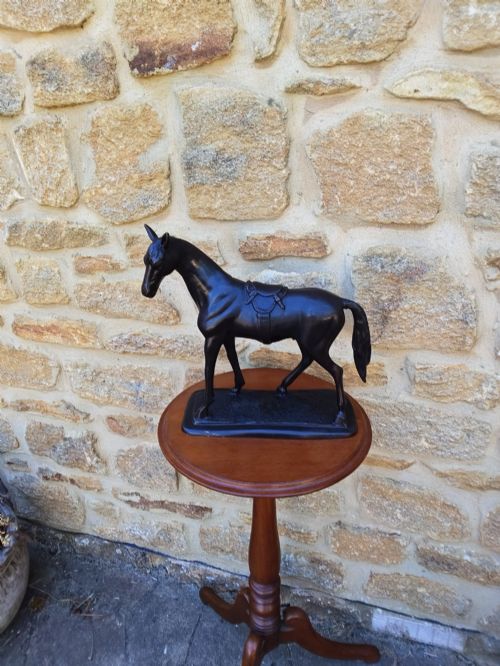
An antique metal figurine brings tangible character to a desk or mantelpiece, capturing historical subjects and stylish figures in enduring bronze, silver-plate and gilt metal.
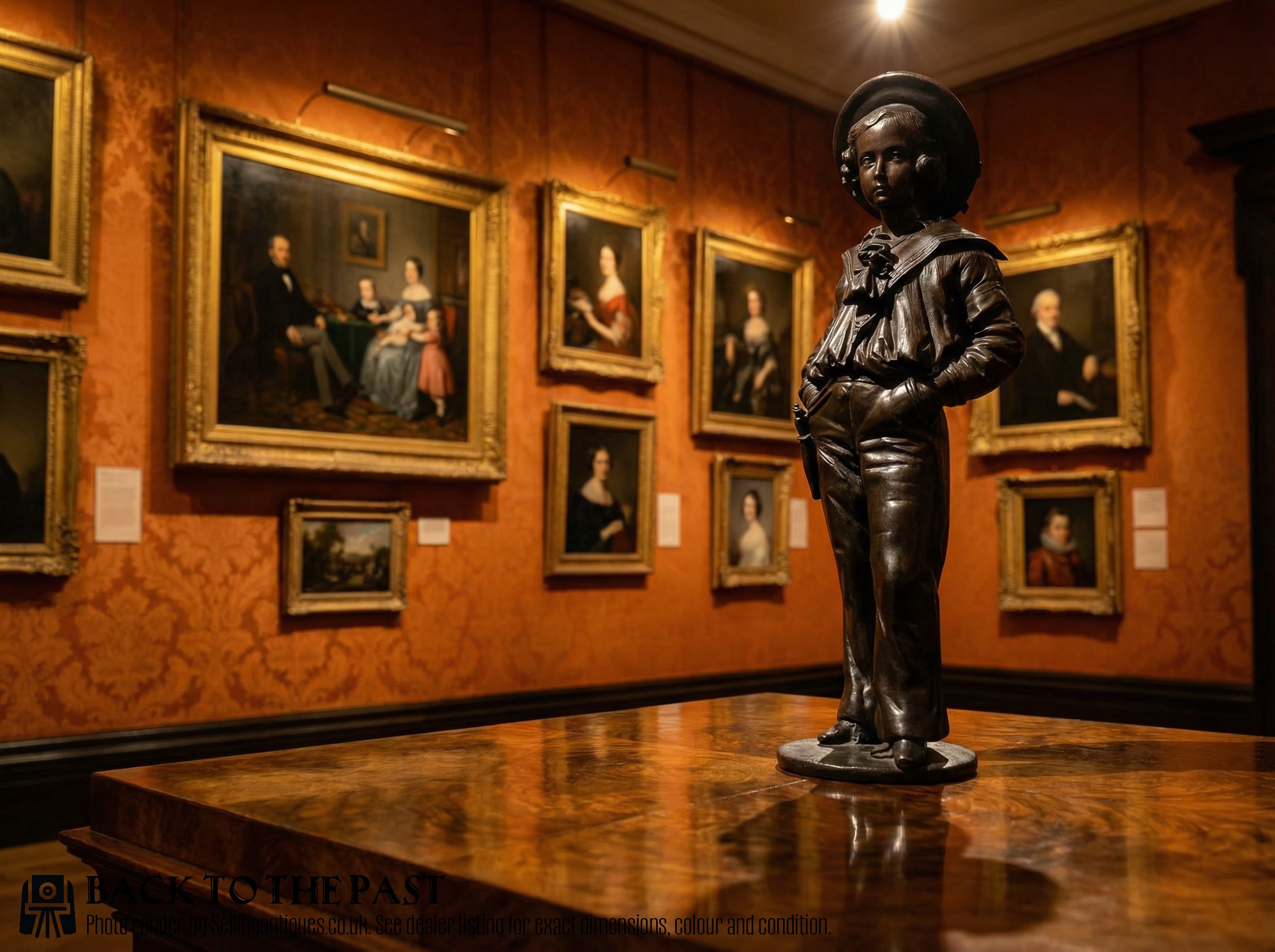
What these pieces are
An antique metal figurine encompasses sculptural pieces and statuettes cast or plated in materials such as bronze and silver-plate. When you search for antique metal figurine, you encounter works spanning the Victorian era through to the Art Deco period of nineteen thirty.
The subjects range from portraits of historical figures like Edward VII to character studies from literature, including scenes inspired by Dickens. Decorative items such as candelabra statues also appear among these sculptural forms.
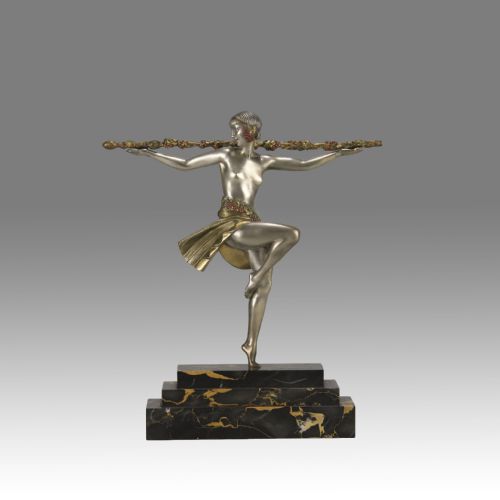
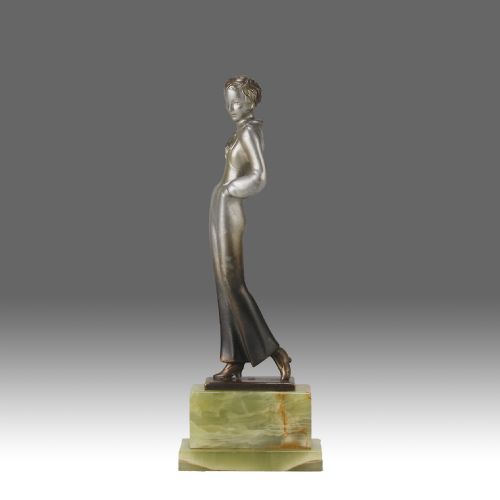
Art Deco examples frequently showcase stylised human figures, including works by named sculptors such as Josef Lorenzl. Victorian pieces tend towards realistic portrayals and functional decorative objects incorporating metal figures.
How they were made
The fabrication of these pieces relies on metalworking techniques such as casting in bronze or base metal alloys. Surfaces are frequently finished with silver-plating or gilding to enhance their visual appeal.
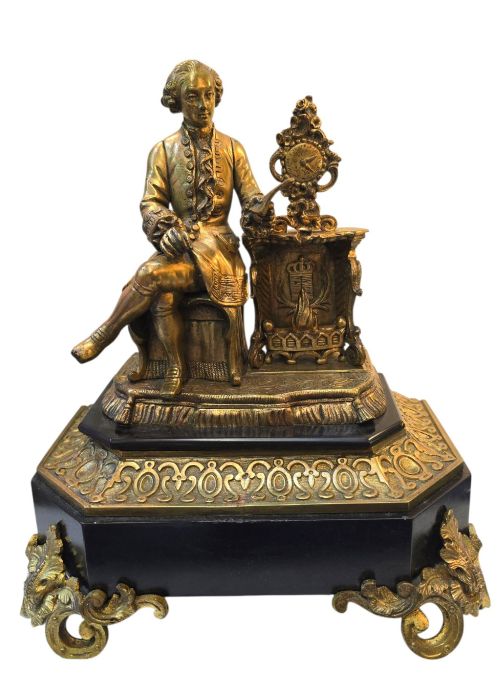
Many figures are mounted upon heavy bases made from complementary materials including marble and onyx. These stone mounts provide stability and contrast with the metal sculptures above them.
Retail Price Guide 2026
Typical UK retail prices for metal figurine, calculated from the Sellingantiques database of over a million retail prices indexed since 2003. This retail price guide relies exclusively on Sellingantiques data; no external sources or auction records are used, so the figures do not describe the wider market.
Listings feature bronze, onyx, silver-plate, marble and metal alloy across Victorian and Art Deco styles.
What varies in quality
The distinction between standard and superior pieces rests upon the precision of the casting and the fidelity of the sculptural detail. Finer examples exhibit crisp facial expressions, well-defined drapery and careful finishing on every side.
Quality also resides in the selection of base materials and mounts, where solid bronze and genuine marble or onyx elevate a piece above simpler metal alloys and plated alternatives.
Josef Lorenzl
The Antique Metal Figurine Glossary
- Bronze
- A copper and tin alloy prized for its durability and capacity to hold fine detail in sculpture. It forms the primary medium for many figural works.
- Silver-plate
- A base metal coated with a thin layer of silver to provide the appearance of solid precious metal. This technique became widespread for decorative objects.
- Art Deco
- A design style prominent in the nineteen thirties characterised by streamlined forms and stylised depictions of the human figure. It heavily influenced modernist metal sculpture.
- Onyx
- A banded variety of chalcedony frequently utilised as a polished base for decorative metal figures. It adds weight and colour contrast to the sculpture.
Frequently Asked Questions
What materials are used for these figurines?
These pieces are constructed from cast bronze, metal alloys and silver-plate. Many incorporate heavier stone elements for their bases.
Marble and onyx appear frequently as mounting materials to anchor the metal sculptures.
How do I identify an Art Deco piece?
Art Deco figurines typically date from around nineteen thirty and feature stylised human forms. They often reflect the modern aesthetic of that decade.
Subjects from this period include dancers and fashionable figures distinct from Victorian realism.
Were these figures used as lighting?
Some figural pieces double as functional items such as candelabra and candlesticks. These combine sculptural metal figures with candle holders.
Such objects served both decorative and practical purposes in nineteenth-century interiors.
How should I display a marble-based figurine?
Place the figurine on a stable surface away from damp environments to protect the metal and stone. The heavy marble or onyx base provides natural stability.
Ensure the piece sits out of direct sunlight to preserve any surface plating or gilding.