




Vintage Silver Table Ornament
A vintage silver table ornament brings character to a room, taking the form of animals, ships or figures crafted across several decades.
Vintage Silver Table Ornament
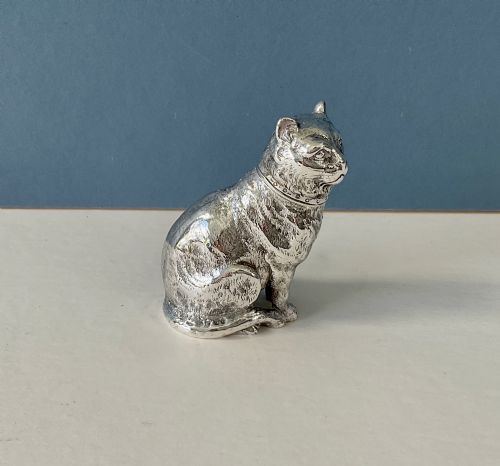
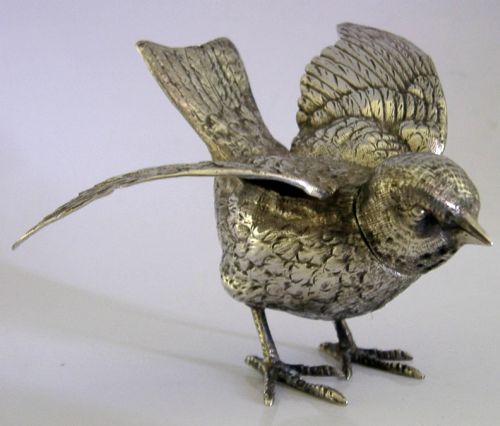
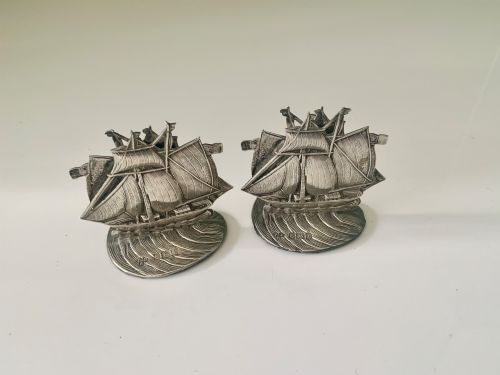
A vintage silver table ornament serves as a decorative display piece or a functional item like a pepper pot, menu holder or desk bell. When exploring a vintage silver table ornament, buyers encounter diverse forms ranging from realistic bird models to nautical vessels and human figures.
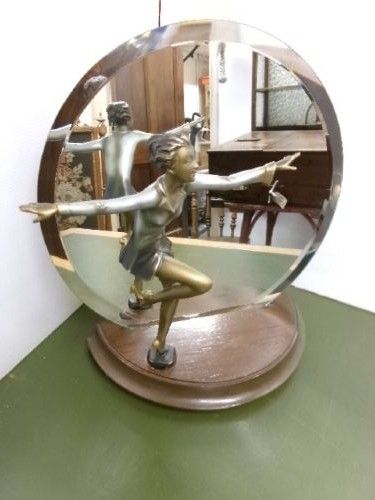
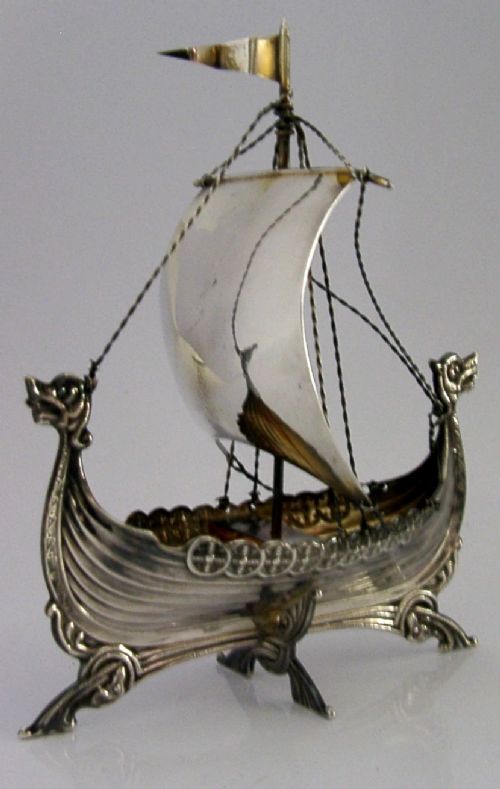
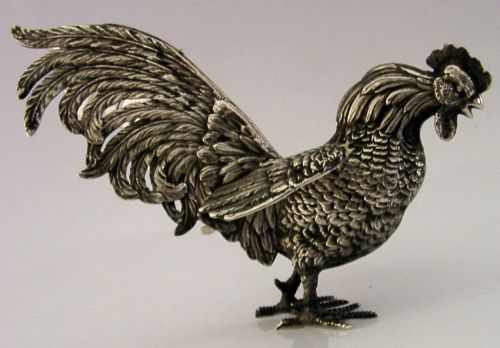
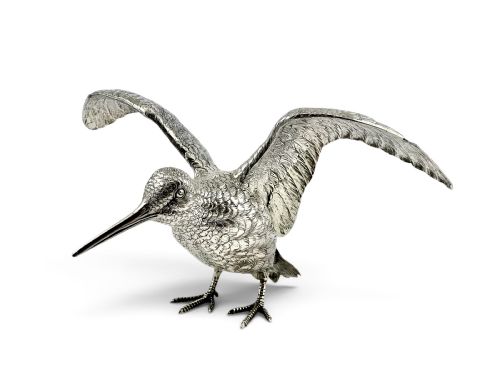
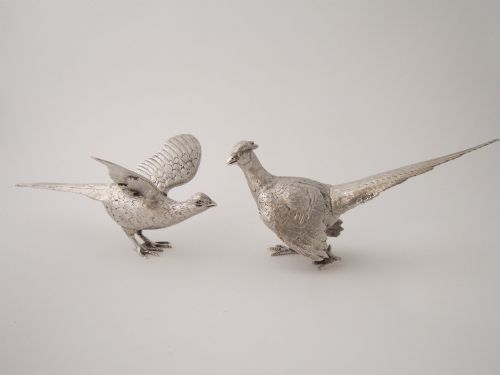
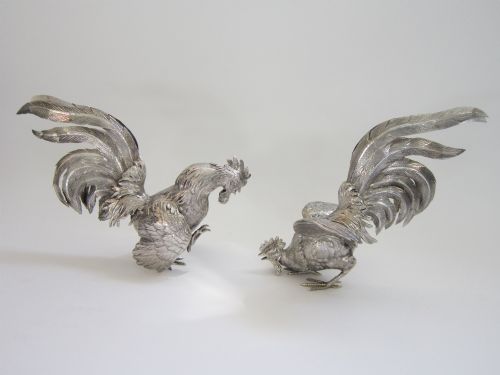
The selection spans periods from the Victorian and Edwardian eras through the Art Deco movement and mid-century decades. Animal figures such as pheasants, cockerels and woodcocks appear frequently alongside transport models and figurative sculptures.
How they were made
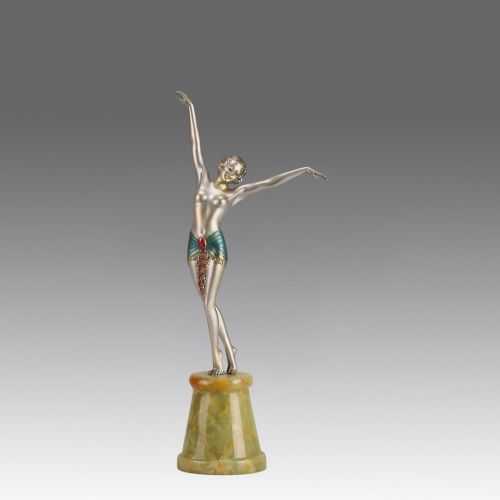
Many items utilise solid silver, sterling silver or silver plate over a base metal, while others incorporate materials such as wood, glass, onyx, spelter or painted metal. Artisans employed casting, cold-painting and detailed hand-finishing to render textures like feathers, clothing folds and rigging.
Continental workshops often produced figurative animal models and novelty pepper pots using standard silver purities, whilst British makers utilised sterling silver and silver plate for domestic desk accessories and decorative centrepieces.
Among the menagerie of metal birds, a silver Rolls Royce sits ready to motor across the dining table.
What varies in quality
The definition and depth of the chasing or cold-painting separate standard production items from superior examples. Naturalistic detail in animal models, such as individual feather engraving or realistic posture, indicates higher craftsmanship.
The weight and gauge of the silver or the quality of the underlying base metal influence the substance and durability of each piece. Maker attribution and discernible hallmarks for specific assay offices provide further distinction.
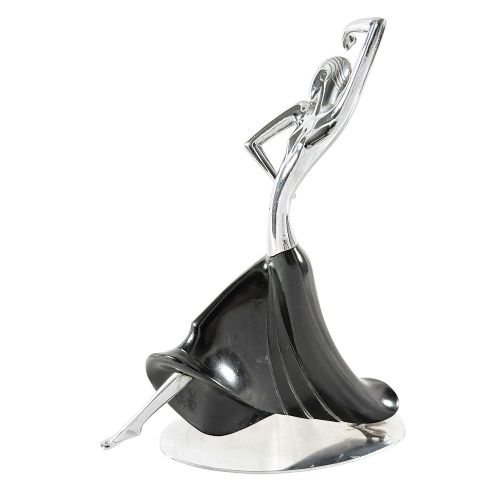
Josef Lorenzl·Mario Bucellati·Hagenauer
The Vintage Silver Table Ornament Glossary
- Sterling Silver
- An alloy containing 92.5 percent silver by mass, with the remainder usually copper. This standard is widely marked on British and international tableware.
- Silver Plate
- A layer of silver applied to a base metal such as copper or nickel brass. This technique offered a decorative finish at a lower cost than solid silver.
- Cold-Painted
- A method where enamel paint is applied to bronze, spelter or metal figures without high-temperature firing. This technique produces detailed polychrome finishes on animal and human sculptures.
- Novelty
- An object designed in a humorous, unusual or ingenious shape while retaining a practical function. Examples include animal pepper pots and mechanical desk bells.
- Spelter
- A zinc alloy used as a substitute for bronze in decorative figures and statues. It takes plating and paint well for Art Deco designs.
Vintage Silver Table Ornament: Frequently Asked Questions
What is a novelty silver table ornament?
A novelty ornament combines decorative sculpture with a practical function, such as holding salt, pepper or menu cards.
These pieces often take the shape of birds, animals or vehicles, designed to amuse diners at the table.
How do I identify the period of an ornament?
Stylistic clues like Art Deco geometric lines or Victorian naturalism point to specific decades.
Assay marks, maker stamps and hallmarks stamped onto the metal provide exact dates and origins.
Are these ornaments made of solid silver?
Many items utilise solid silver or sterling silver, marked with standards such as 833 or sterling.
Others consist of silver plate over base metals, or alternative materials like spelter, bronze and glass.
Where were these table ornaments produced?
Production spans British workshops in London, Chester and Sheffield alongside continental European centres.
German, Dutch, French and Scandinavian makers frequently exported detailed animal and nautical models.