

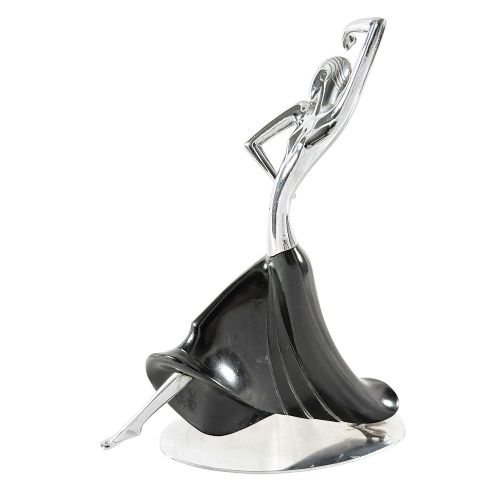


Silvered Female Sculpture
These figures capture the essence of an era, and a silvered female sculpture brings dynamic movement and sleek metallic sheen to any interior.
Silvered Female Sculpture
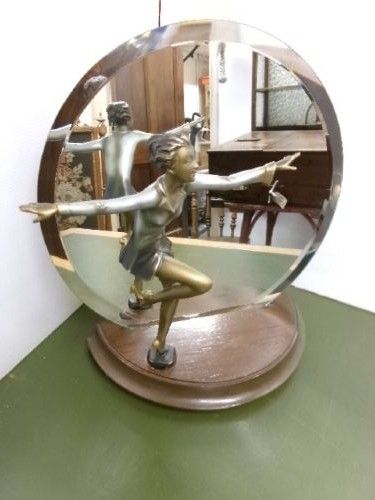
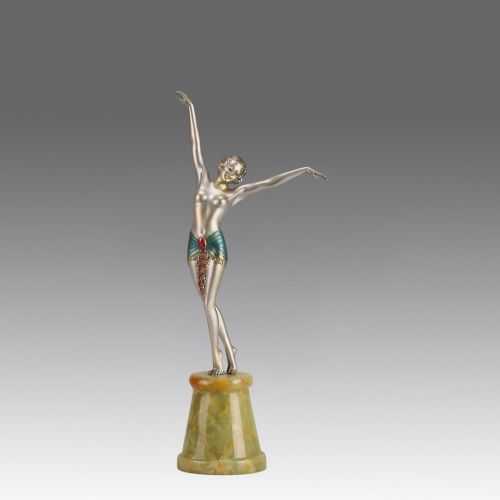
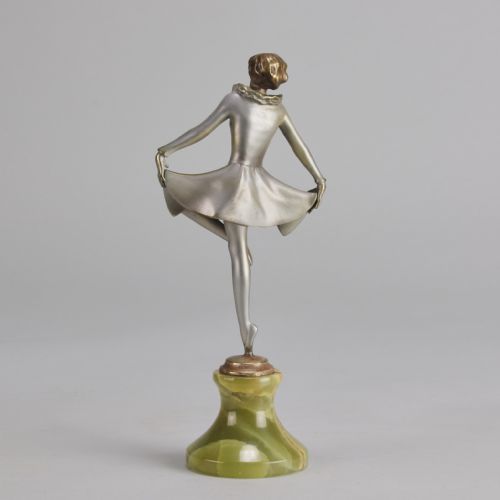
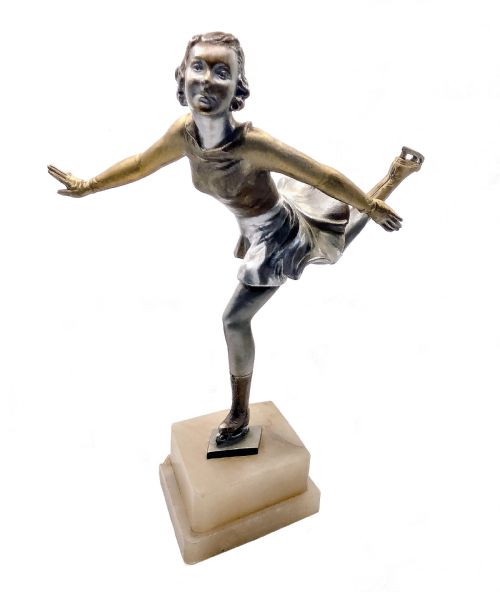
A silvered female sculpture typically presents a dancer, nude, or allegorical figure captured in mid-motion during the early twentieth century. These pieces predominantly embody the Art Deco and Art Nouveau styles, reflecting the artistic currents of the 1890s, 1920s, and 1930s. Buyers searching for a silvered female sculpture encounter dynamic depictions of dancers, skaters, and classical maidens.
The forms span from modest table figurines to large statement sculptures and figural table lamps. Many works rest on sturdy bases of onyx or marble, elevating the metal subject. French origins feature prominently among these figural groupings and individual studies.
Dancers with outstretched arms, scarves, and garlands dominate the physical stance of these works. The feminine form serves as the primary vehicle for expressing theatrical grace and modernist rhythm.
Materials and construction
Foundry artisans utilised bronze, silvered bronze, and spelter as the principal metallic mediums for casting these female figures. Spelter offered a more accessible alternative to bronze during the production booms of the period, while bronze allowed for sharper anatomical detail.
Surface treatments included cold painting, silver plating, and specialised silvered finishes to accentuate the garments and contours of the subjects. Many sculptors mounted their metal castings onto shaped plinths made of dense materials like marble or onyx for stability and contrast.
Several dancers balance perilously on one toe, proving that Art Deco ladies took their equilibrium just as seriously as their fashion.
Distinguishing quality in the figures
Quality reveals itself in the crispness of the casting and the finesse of the chasing work after the metal leaves the mould. Superior examples retain their original surface finishes, whether cold painted pigments or silvering, without heavy abrasion or crude overpainting.
Pierre le Faguays·Ferdinand Preiss·Josef Lorenzl·Claire Jeanne Roberte Colinet·Demetre Chiparus·Geo Maxim·Auguste Moreau·Paul Joris
The Silvered Female Sculpture Glossary
- Spelter
- A zinc alloy commonly used as a substitute for bronze in decorative figures. It accepts metallic finishes well but possesses a lighter weight than bronze.
- Cold-painted bronze
- A bronze sculpture decorated with oil-based paints that dry naturally without kiln firing. This technique adds vibrant colour to garments and hair.
- Art Deco
- A design style flourishing in the 1920s and 1930s characterised by stylised geometric forms and sleek lines. It heavily influences the posture and dress of these female figures.
- Art Nouveau
- An international style of the late nineteenth and early twentieth centuries inspired by natural forms and undulating plant motifs. Pieces from the 1890s often reflect this flowing aesthetic.
- Chasing
- The manual finishing of a metal casting using small chisels and punches to refine details. Master sculptors relied on skilled chasers to sharpen hair, fingers, and drapery.
Silvered Female Sculpture: Frequently Asked Questions
What periods do these sculptures date from?
The available pieces originate primarily from the early twentieth century, specifically spanning the 1920s and 1930s during the height of Art Deco production. A smaller number date back to the late nineteenth century around the 1890s.
These earlier nineteenth-century examples often align with Art Nouveau sensibilities, while the interwar pieces embrace the streamlined geometries of the 1930s.
How were these decorative figures originally used?
These sculptures functioned as interior ornaments for fashionable homes, often placed on mantelpieces, sideboards, or dedicated display pedestals. Some pieces incorporated functional elements, serving as figural table lamps.
Owners displayed them to project modern taste and an appreciation for theatrical arts and modernist design.
Are these figures made of solid silver?
No, the metal components consist of bronze, spelter, or chrome-plated metal finished with a silvered surface or silver plating. Pure silver would be too soft and cost-prohibitive for large figural sculptures.
The silvered treatment provides the desired metallic lustre while keeping the underlying structure durable and sound.
How do I distinguish bronze from spelter?
Bronze carries a heavier weight and a warmer, more resilient metallic character beneath any surface coating. Spelter is a zinc alloy that feels lighter and can show a more brittle fracture if damaged.
Looking beneath the base or at unpainted interior areas often reveals the distinct grain and colour of the base metal.
Why do many figures stand on marble bases?
Marble and onyx bases provided necessary weight and stability for slender figures with dynamic, outstretched poses. The contrasting dark or veined stone also visually grounded the metallic subject.
This method of mounting became a signature presentation standard for studio sculptures during the Art Deco period.