


1920s Dancer Figurine
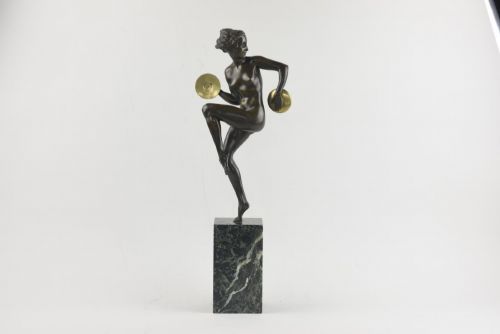
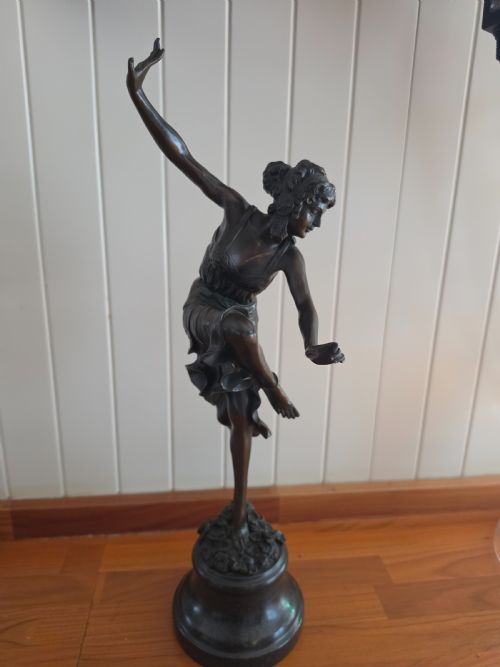
A 1920s dancer figurine captures the motion and geometry of Art Deco sculpture through bronze and marble.
1920s Dancer Figurine
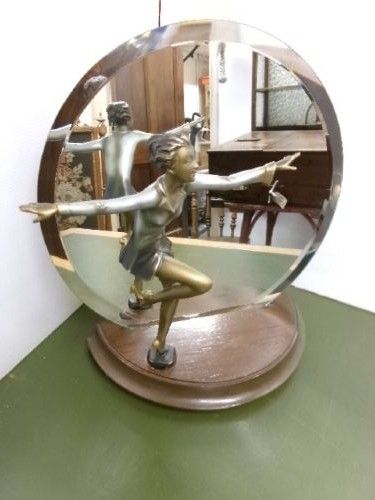
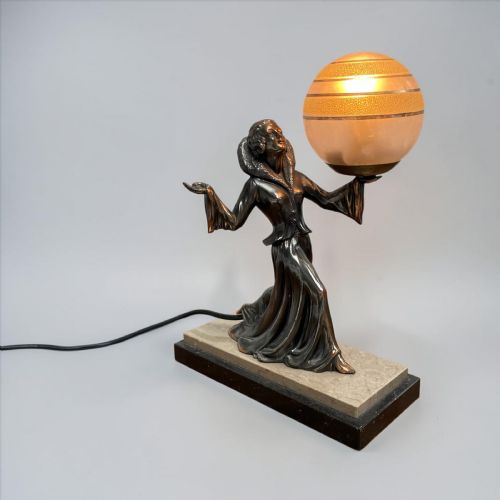
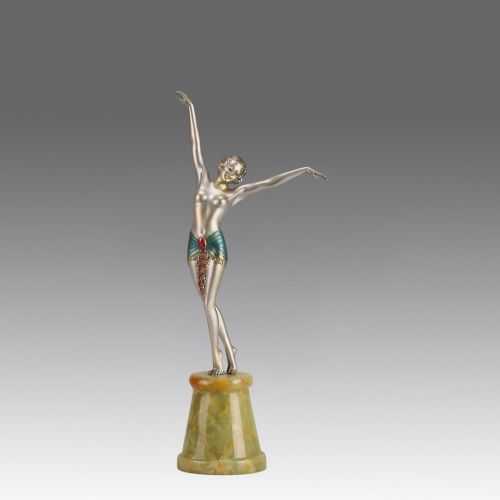
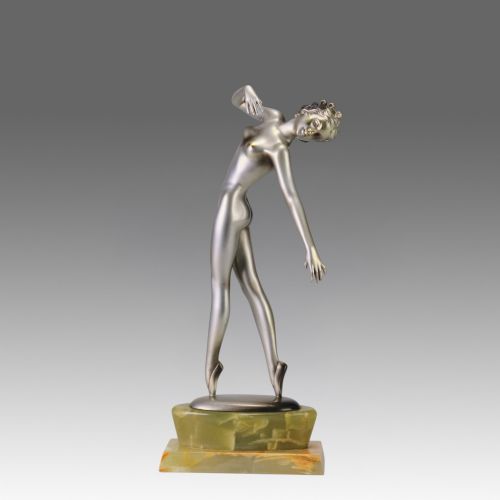
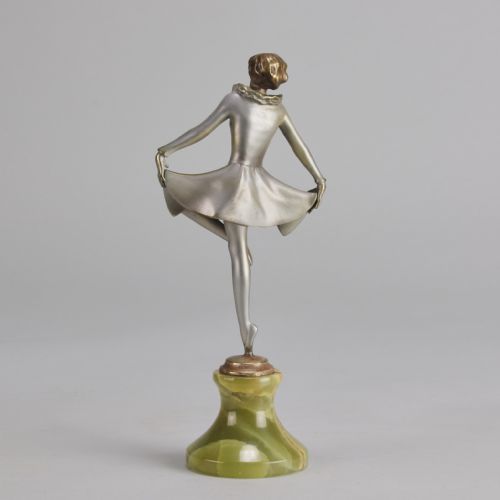
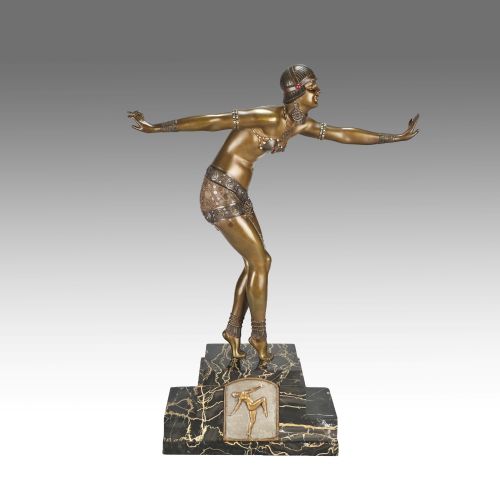
A 1920s dancer figurine embodies the dynamic energy and streamlined elegance associated with Art Deco design. These pieces take the form of sculptures, statuettes, and table lamps depicting female figures in motion or poised stillness.
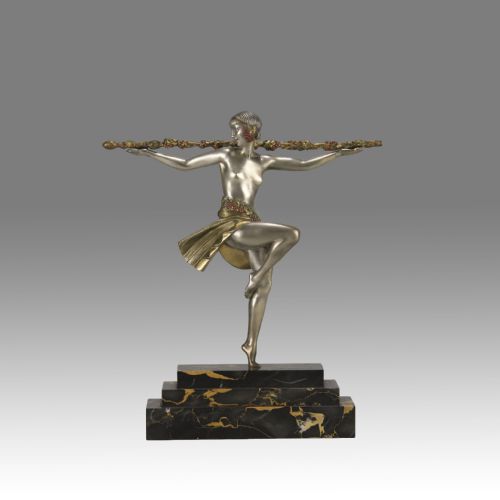
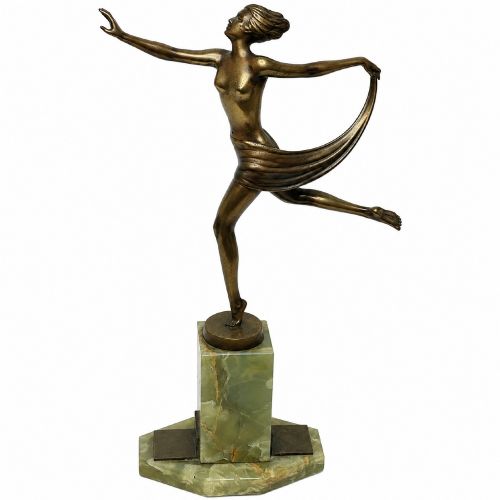
The versions most commonly met on this page date from the 1920s and 1930s, reflecting French and Austrian studio production. They frequently portray specific characters such as Egyptian dancers, ballerinas, and scarf dancers atop substantial stone bases.
Materials and Casting
Foundry methods of the period utilised bronze, silvered bronze, gilt bronze, and patinated metal, frequently cast alongside spelter. Cold-painting and silver plating applied colour and surface texture directly to the metal.
Many figures integrate carved elements or rest upon heavy plinths of marble, onyx, and alabaster to anchor the slender proportions of the dancing subject.
Listings span the periods of 1920 and 1930, uniting bronze, marble, onyx, and glass under the Art Deco style.
Assessing Craftsmanship
Quality rests in the precision of the casting and the nuance of the hand-applied cold-painting or gilding. Finer examples display crisp detail in the drapery of a scarf and the articulation of hands and hair.
The integration between the metal figure and its stone base marks another distinction, where tighter joints and superior stone selection elevate the piece.
Pierre le Faguays·Josef Lorenzl·Demetre Chiparus·Claire Jeanne Roberte Colinet·Maurice Guiraud Riviere
The 1920s Dancer Figurine Glossary
- Art Deco
- A design style dominant in the 1920s and 1930s characterised by stylised forms and geometric symmetry. It heavily influenced sculpture and decorative objects of the period.
- Cold-painted
- A method where paint is applied to metal without subsequent firing or heat treatment. This technique gives vibrant colour to costumes and garments.
- Spelter
- An alloy of zinc and lead used as a less costly alternative to bronze. It appears frequently in period decorative figures.
- Chryselephantine
- A term describing sculptures combining bronze with carved ivory. It represents a luxury standard in Art Deco figure production.
- Patinated
- A surface treatment applied to metal to alter its colour and create an aged finish. It accentuates the shadows and contours of the cast.
1920s Dancer Figurine: Frequently Asked Questions
What materials make up these figurines?
The listings show figures cast primarily in bronze, silvered bronze, gilt bronze, and patinated metal, alongside spelter.
These metals are frequently paired with bases made of marble, onyx, and alabaster.
How do I identify a 1920s dancer figurine?
Look for the distinct geometric lines, stylized drapery, and dynamic poses characteristic of Art Deco design.
Titles and signatures often attribute pieces to prominent sculptors active during the 1920s and 1930s.
Were these figures used as lamps?
Certain examples function as table lamps, incorporating the dancing figure into lighting fixtures alongside sculptural display.
These pieces combine the decorative qualities of a statuette with functional illumination.
What subjects do the dancers represent?
The figures depict various performance styles, including Egyptian dancers, ballerinas, and Bacchic or scarf dancers.
Named subjects and specific characters appear frequently across the sculptures and statuettes.