





Art Deco Mantel Statue
An art deco mantel statue brings geometric energy and stylised movement to an interior, capturing the spirit of the interwar decades.

Art Deco Mantel Statue
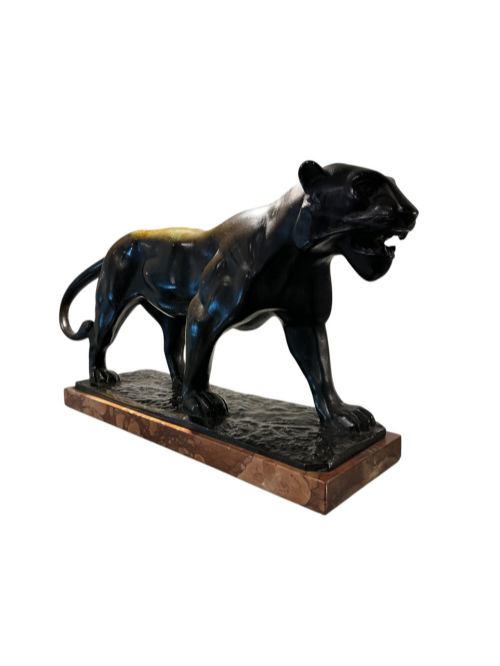
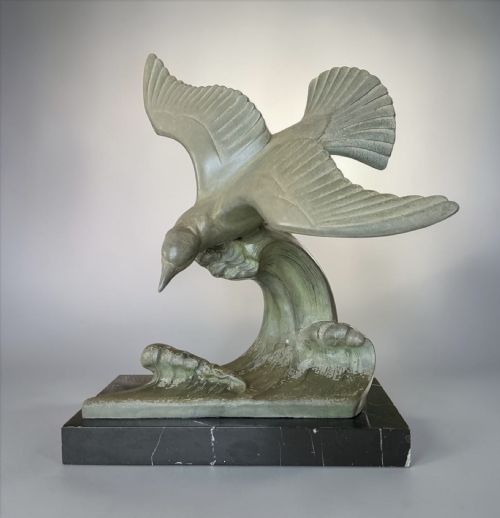
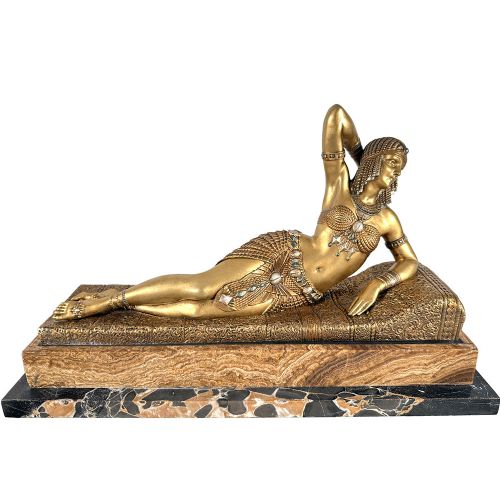
An art deco mantel statue typically portrays dynamic human dancers, sleek predatory animals, or mythological figures set atop sturdy stone bases. These decorative objects date predominantly from the nineteen twenties and nineteen thirties, reflecting the streamlined aesthetics of the period.
The versions most commonly found here include patinated metal figures and spelter representations of female dancers or wildlife. Many incorporate heavy marble or onyx plinths to anchor the composition securely on a fireplace ledge.
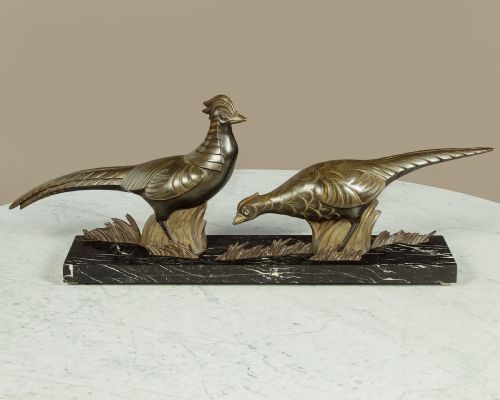
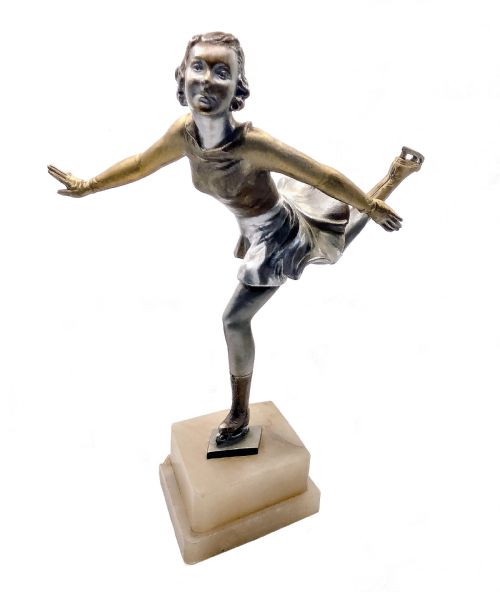
Sculptural subjects range from naturalistic stags and pheasants to stylized human forms such as skaters, harlequins, and huntresses. French workshops produced a large proportion of these figurative works during the height of the movement.
Materials and construction methods
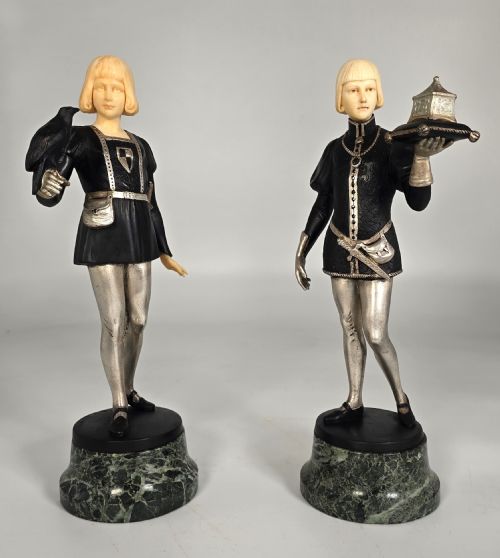
Makers shaped these pieces using cast bronze, silvered bronze, and economical zinc-alloy spelter, often finishing surfaces with cold painted details or chemical patination. Figures frequently combine metal with carved ivory or bone elements for faces and hands in chryselephantine compositions.
Heavy bases of contrasting marble, onyx, or alabaster provide the necessary weight to support the cantilevered postures of dancers and leaping panthers. Foundries employed traditional lost-wax casting methods for fine bronzes alongside standard mould casting for spelter figures.
Art Deco Mantel Statue Retail Price Guide 2026
Typical asking prices for art deco mantel statue among the pieces listed under this phrase on Sellingantiques today, from the lower quarter to the upper quarter. They describe what is for sale here now, not the wider market.
Several poised panthers and golden pheasants share shelf space with dancers balancing precariously on hoops.
Distinctions in craftsmanship and design
Works attributed to known sculptors command greater attention due to their sophisticated proportions and balanced composition. Lesser pieces cast in spelter often display softer contours and simpler finishes applied over bulk-produced metal.
Josef Lorenzl·Demetre Chiparus·Pierre Le Faguays·Claire Colinet·I. Rochard
The Art Deco Mantel Statue Glossary
- Spelter
- A zinc alloy commonly utilised as a less expensive alternative to bronze for sculptural figures during the period. It accepts patination and cold painting readily.
- Chryselephantine
- A term describing statues made from a combination of metal and ivory. This technique highlights the hands and faces of human figures.
- Patinated metal
- Metal treated with chemical solutions to produce a specific surface colour or aged tone. This process protects the underlying metal while enhancing visual depth.
- Egyptian Revival
- A design style inspired by ancient Egyptian motifs, architecture, and iconography that influenced interwar decorative arts. It appears frequently in candelabras and figures.
- Cold paint
- Paint applied to metal or stone sculptures without subsequent heat firing. This delicate surface finish is prone to rubbing if handled improperly.
Art Deco Mantel Statue: Frequently Asked Questions
Where should I place an art deco mantel statue?
These sculptures sit naturally on a fireplace mantel, sideboard, or deep bookshelf where their vertical lines create a strong focal point. Their balanced proportions allow them to command attention without overwhelming surrounding decorative items.
Ensure the placement surface is flat and stable, as the combined weight of the metal figure and stone base is often substantial.
How do I clean an art deco mantel statue?
Dust the surface gently with a soft, dry cloth to prevent the accumulation of grime within the recesses of the casting. Avoid liquid cleaners, chemical solvents, or abrasive cloths that might damage cold painted surfaces or delicate patination.
Keep ivory elements away from direct sunlight and excessive humidity to prevent natural drying and cracking over time.
What is the difference between bronze and spelter?
Bronze is a durable alloy of copper and tin that accepts fine chiselling and holds intricate detail exceptionally well. Spelter is a softer, lighter zinc-based metal that was cast in large quantities for more accessible decorative pieces.
Examining the underside of the base or areas of wear usually reveals the denser, darker tone of bronze beneath the surface finish.
Why are many figures mounted on marble?
Marble and onyx bases provide essential physical counterweight to keep dynamic figures of dancers and leaping animals upright. The contrasting colours and textures of polished stone also complement the metallic finishes of the figures.
These heavy plinths became a defining characteristic of interwar sculpture design, unifying the composition for display.