


Art Deco Animal Sculpture
Looking for an art deco animal sculpture? These striking figures bring period feline and canine grace straight into your interior.
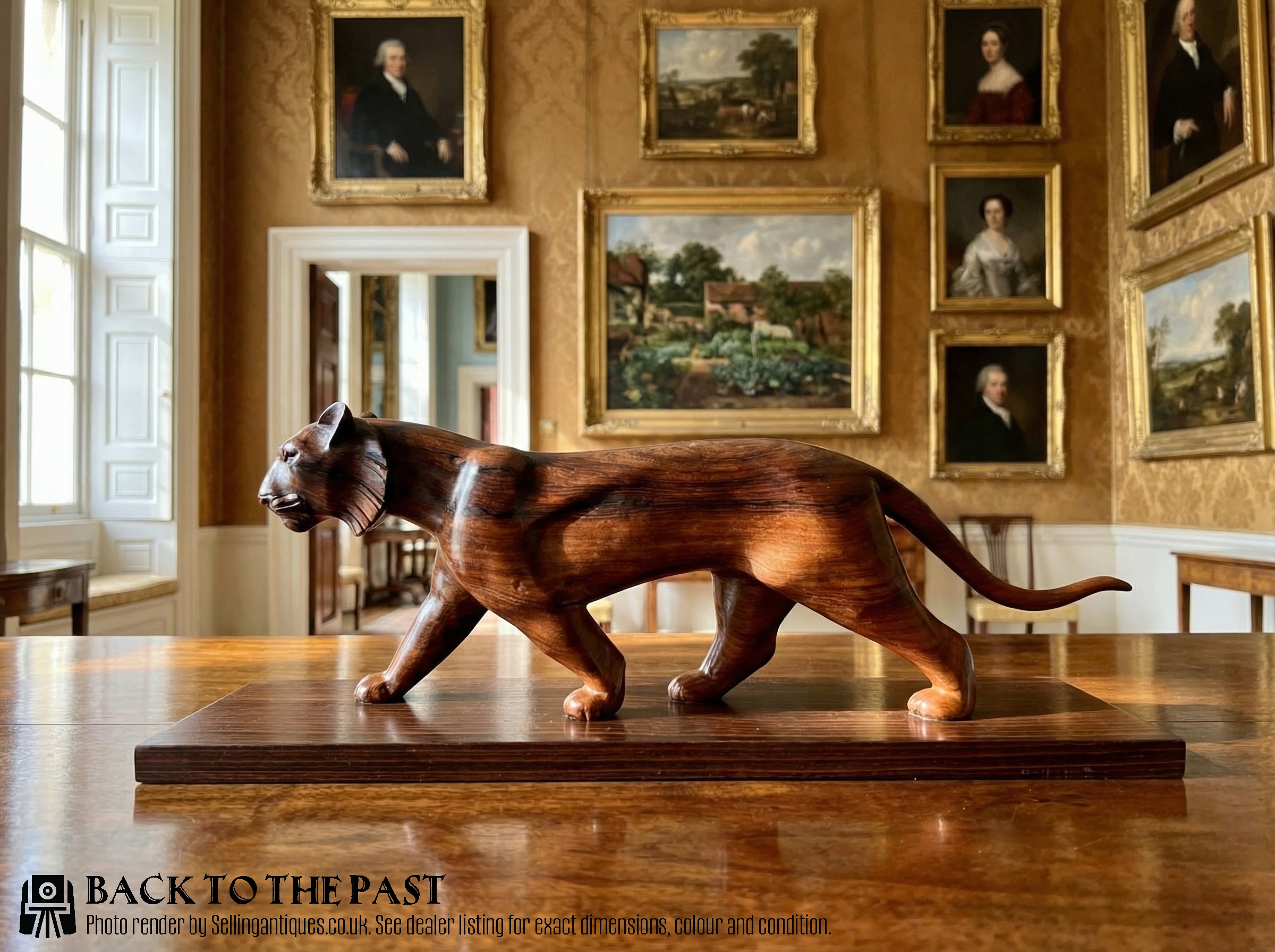
Understanding art deco animal sculpture
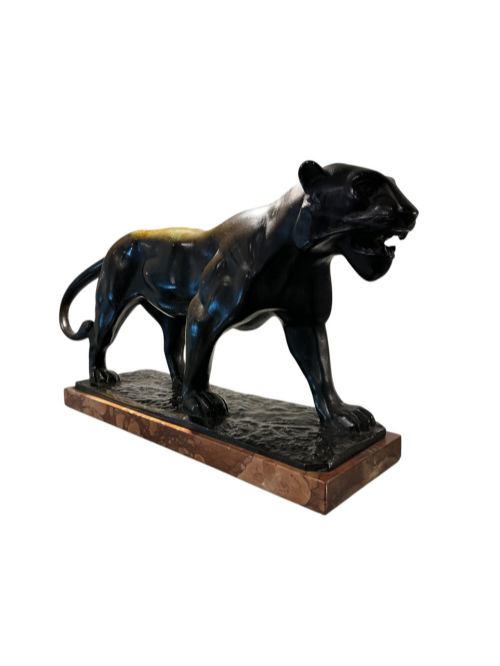
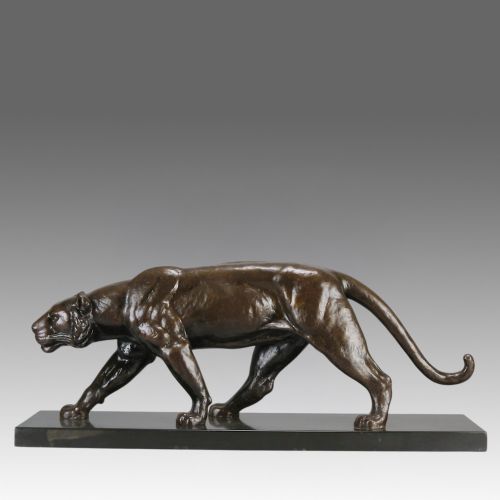
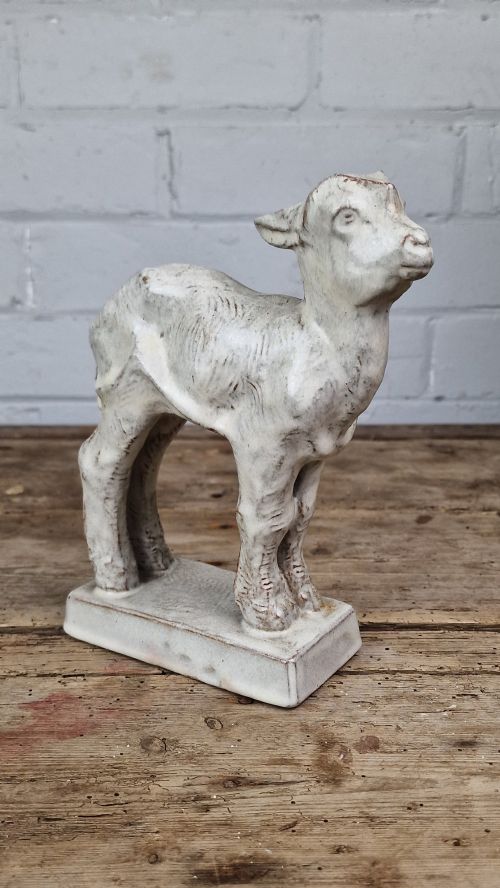
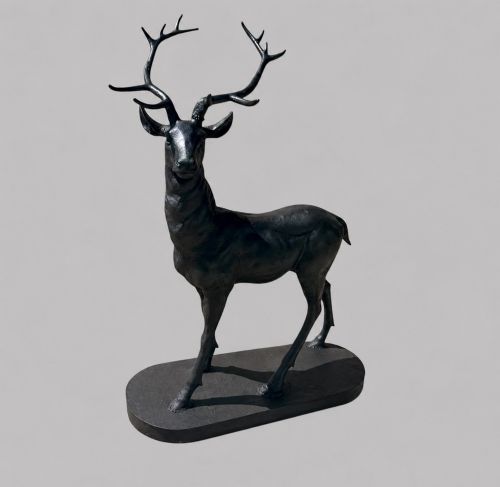
When you search for an art deco animal sculpture, you are looking at stylised depictions of panthers, deer, stags, and dogs. These pieces emerge from the periods spanning the nineteen twenties through to the nineteen forties, capturing the streamlined aesthetic of the era.
On this page, you are most likely to meet bronze panthers mounted on marble bases, carved timber cats, glazed ceramic deer, and spelter stags set upon onyx or marble plinths. The forms range from aggressive crouching felines to poised hounds and grazing wildlife.
The aesthetic prioritises clean silhouettes and dramatic posture over minute anatomical detail. They were designed to sit upon mantelpieces, sideboards, and desks as decorative focal points of domestic modernism.
Materials and methods
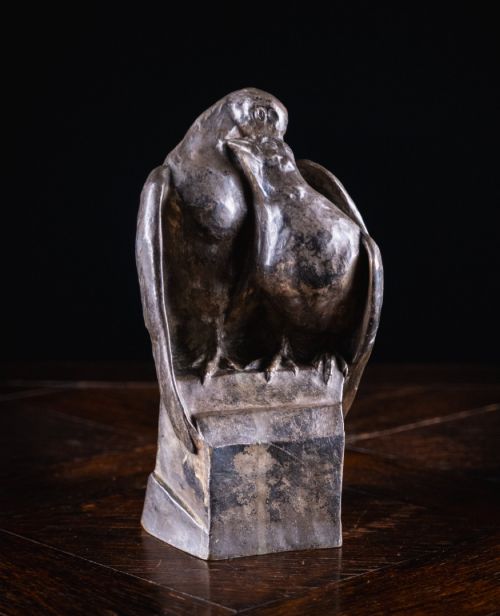
Makers utilised cast bronze, spelter, and carved hardwood to shape the animal forms. Metal figures frequently received patination or surface finishes to accentuate muscular tension and sleek coats.
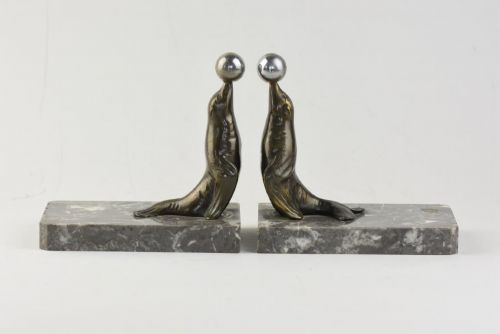
Ceramic examples combine coloured glazes, such as maroon-red, with gilded highlights applied to specific details. Heavier pieces integrate contrasting materials, mounting bronze or spelter sculptures firmly onto shaped marble and onyx bases.
Retail Price Guide 2026
Typical UK retail prices for art deco animal sculpture, calculated from the Sellingantiques database of over a million retail prices indexed since 2003. This retail price guide relies exclusively on Sellingantiques data; no external sources or auction records are used, so the figures do not describe the wider market.
Materials recorded in these listings span bronze, spelter, ceramic, and hardwood, frequently mounted on marble or onyx.
Assessing quality
The hierarchy of quality rests primarily in the medium and the fidelity of the cast or carve. Solid bronze figures command greater artistic standing than cast spelter alternatives, while hand-carved timber shows individual chisel work absent in mass production.
Base construction also dictates overall refinement. Heavy, multi-coloured marble and onyx plinths finished with precise geometric bevels elevate the presentation above simpler wooden or single-stone mounts.
Alexandre Ouline·Louis Albert Carvin
The Art Deco Animal Sculpture Glossary
- Animalier
- A nineteenth and twentieth century sculptural tradition focusing on realistic or stylised animals. It describes works dedicated almost exclusively to the portrayal of beasts.
- Spelter
- A zinc alloy frequently utilised as a cost-effective substitute for bronze during the period. It accepts various metallic paints and patinas to mimic more expensive metals.
- Patina
- The surface sheen or colour acquired by metal through age or chemical treatment. It highlights the contours of the animal's musculature and fur.
Frequently Asked Questions
What animals appear most often?
The selection is dominated by predatory felines like panthers, alongside dogs such as Alsatians, plus deer and stags.
These subjects allowed sculptors to emphasise tension, speed, and sleek modern lines.
How do I clean bronze figures?
Dust gently with a soft, dry cloth to prevent the accumulation of grit.
Avoid chemical polishes that can strip the original patination from the metal.
Where should I place them?
These sculptures suit sturdy flat surfaces such as sideboards, mantelpieces, and heavy wooden desks.
Ensure the heavy marble or onyx bases have adequate support and stability.
Are bases original to the piece?
Original pieces typically feature integrated marble, onyx, or timber plinths matching the period style.
Inspect the mounting fixings underneath to check that the sculpture remains secured to its primary base.