





Vintage Bronze Big Cat
These vintage bronze big cat sculptures capture muscular power and sleek predatory grace, bringing striking twentieth-century presence into a room.
Vintage Bronze Big Cat
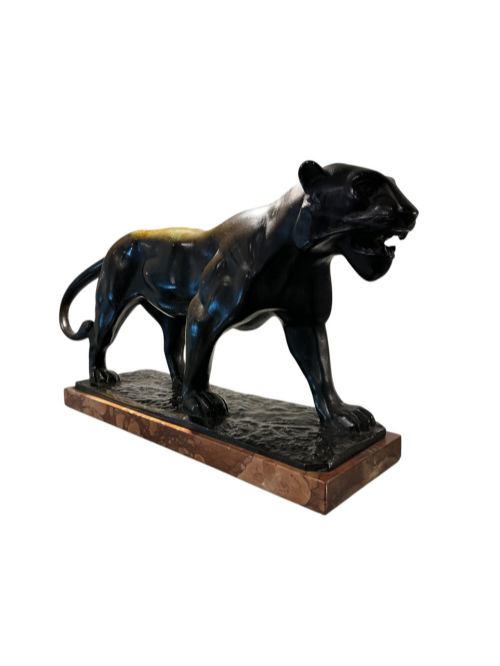
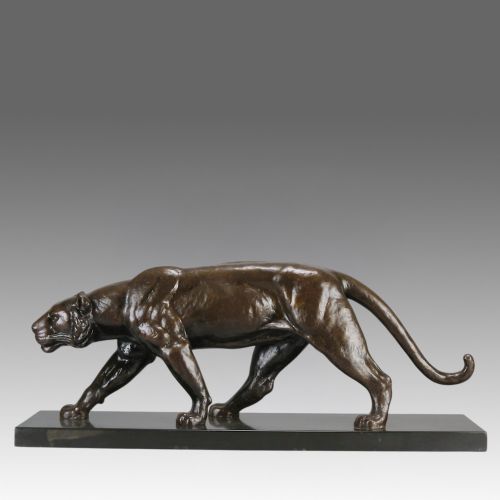
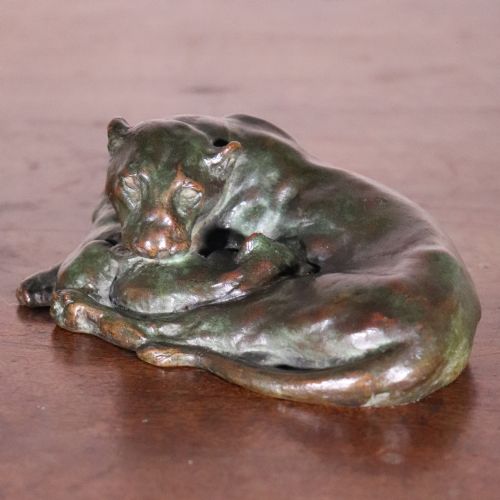
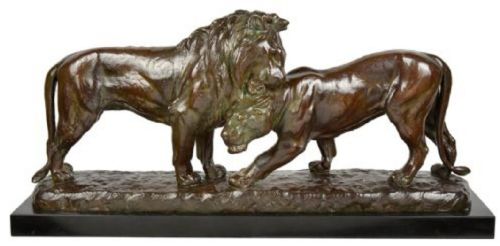
When you search for vintage bronze big cat pieces, you encounter muscular panthers, prowling tigers, and resting lions modeled with acute attention to anatomical detail. These sculptures capture the dynamic energy of predators through distinct twentieth-century aesthetic lenses.
The most common version you meet on this page is the Art Deco panther, frequently shown stretching or prowling atop a polished marble or onyx base. These pieces reflect a fascination with speed and power that defined European decorative arts between the wars.
Originating largely from French workshops and the Austrian school, these animalier bronzes range from intimate cabinet figures to substantial mantel sculptures. They demonstrate how diverse makers interpreted wild felids through varying stylistic movements across several decades.
How They Were Made
Foundries produced these sculptures primarily through traditional casting methods, capturing fluid muscle contours and distinct fur textures in metal. Many pieces received applied surface treatments such as dark patination, silvering, or cold-painted pigments to enhance visual depth.
Makers frequently mounted the heavier metal casts onto contrasting rectangular or stepped bases of black marble and onyx. This technique elevated the visual presence of the predator while providing a stable, weighty foundation for the sculpture.
Several panthers spend their eternity perpetually about to pounce off the edge of polished black marble.
What Varies in Quality
The distinction between average and exceptional casting lies in how sharply the musculature and facial expressions are defined in the metal. Superior examples reveal crisp chisel work and careful finishing that preserve the sculptor's original modeling intent.
Material selection for the supporting plinth also separates standard production from finer works, particularly where veined marble or custom-cut onyx enhances the composition. The integration between the metallic animal figure and its stone base dictates the overall sculptural harmony.
Alexandre Ouline·G.Gardet·Anna Vaughn Hyatt Huntington·Michel Decoux·Louis Riche
The Vintage Bronze Big Cat Glossary
- Animalier
- A term describing art that realistically depicts animals, particularly sculptures created during the nineteenth and twentieth centuries. Artists focused heavily on anatomical accuracy and behavioral studies of wildlife.
- Patinated Bronze
- Bronze metal treated with chemical solutions to produce a specific surface colour and finish. This process protects the metal while accentuating fine details in the casting.
- Spelter
- A zinc alloy frequently used as a cost-effective alternative to bronze in decorative figures. It accepts finishes that mimic heavier metals but requires careful handling due to its softer composition.
- Cold Painted
- A technique where paint is applied to a metal sculpture without subsequent firing or heat treatment. Bergman bronzes famously utilised this method to achieve vibrant, lifelike coloration on small figures.
Vintage Bronze Big Cat: Frequently Asked Questions
How do I identify an Art Deco panther?
Art Deco panthers typically feature elongated, streamlined bodies that emphasise motion and geometric simplicity. They are frequently mounted low on contrasting marble bases to suit the aesthetic of the period.
Artists during this era focused on the sleek silhouette of the animal rather than intricate surface textures. This results in a bold, decorative impact well suited to modern interiors.
Are these sculptures solid metal?
Many sculptures are cast using the traditional lost-wax method, which can produce either solid or hollow metal forms depending on the size and foundry practices. Heavier pieces often incorporate dense metal to ensure stability on their plinths.
The weight of a piece usually reflects the density of the casting and the mass of the accompanying stone base rather than solid metal throughout.
What is the difference between bronze and spelter?
Bronze is a durable copper and tin alloy prized for its strength and ability to hold fine casting details over centuries. Spelter is a softer zinc-based alternative that was often used for more accessible decorative figures.
Under closer inspection, bronze displays a greater weight and resonance, whereas spelter requires protective finishes to prevent wear on its softer surface.
How should I display a heavy marble base?
Place these sculptures on sturdy, level surfaces such as heavy wooden sideboards or dedicated mantelpieces that can support concentrated weight. The combination of metal and stone makes many pieces surprisingly heavy.
Ensure the display area protects both the furniture surface and the stone edges from accidental impacts, as marble and onyx can chip under sudden pressure.
What periods do these big cat figures come from?
The pieces span from the late nineteenth century through the mid-twentieth century, with a strong concentration of Art Deco examples from the 1920s and 1930s. Earlier nineteenth-century works tend to feature more naturalistic animalier styling.
Later twentieth-century casts also appear, reflecting the enduring popularity of predatory cat motifs in domestic interior decoration.