
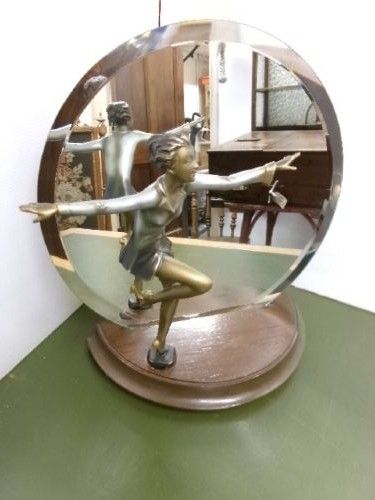
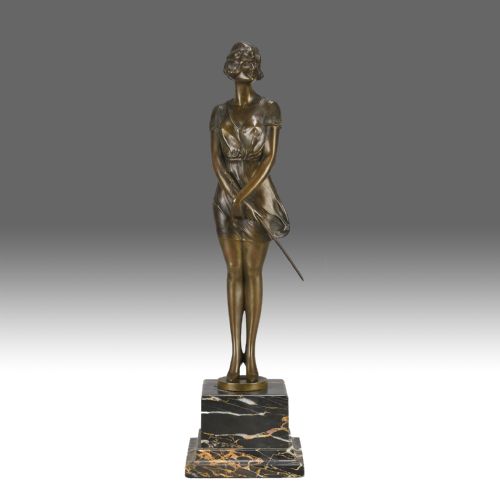
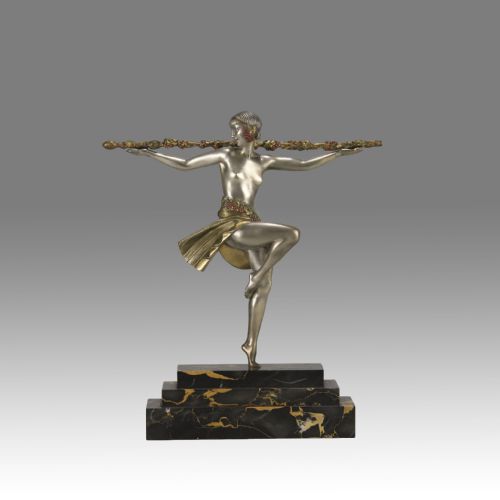
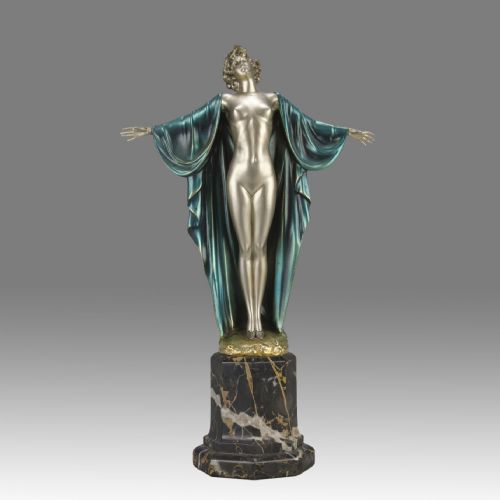

1920s Art Deco Statue
A 1920s art deco statue brings striking modernist form and fluid motion into a room.
Understanding 1920s art deco statue pieces
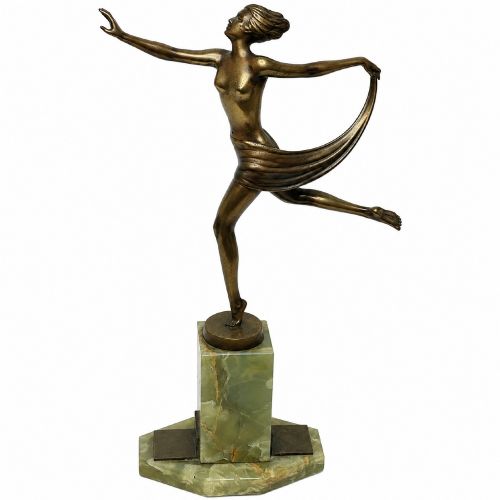
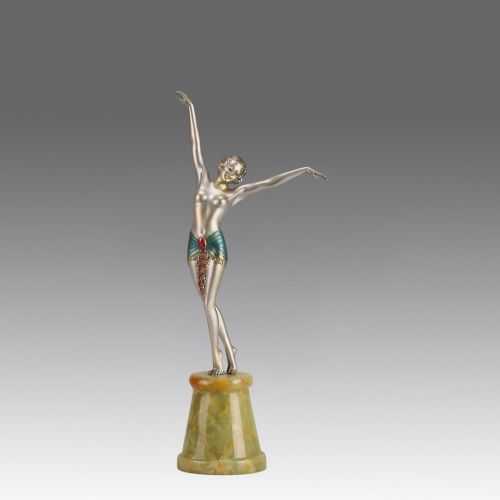
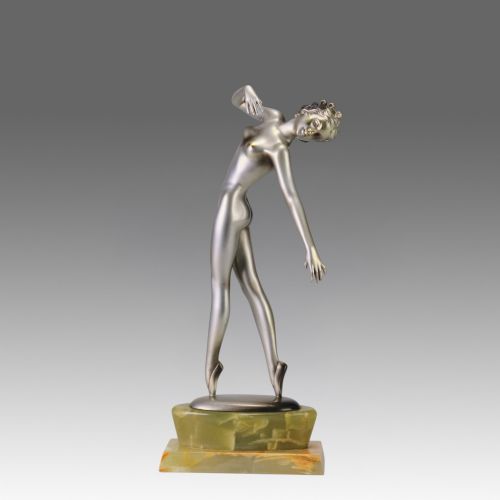
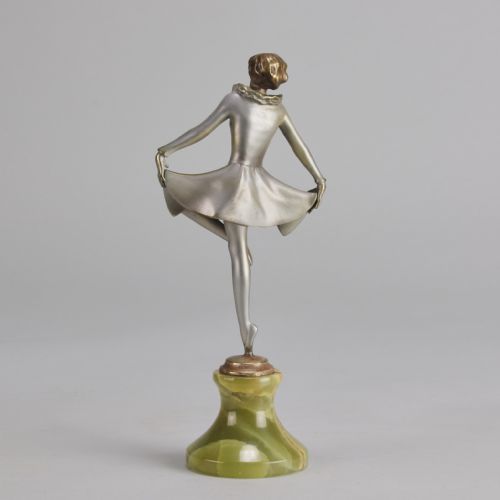
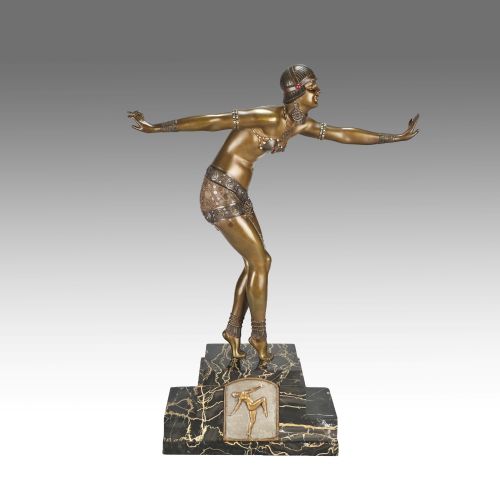
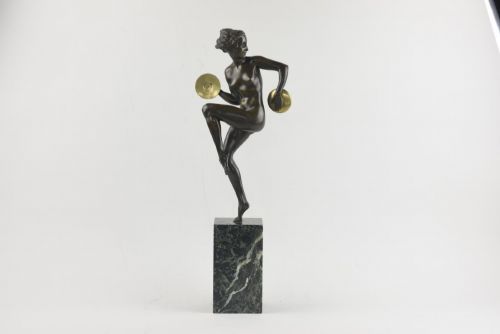
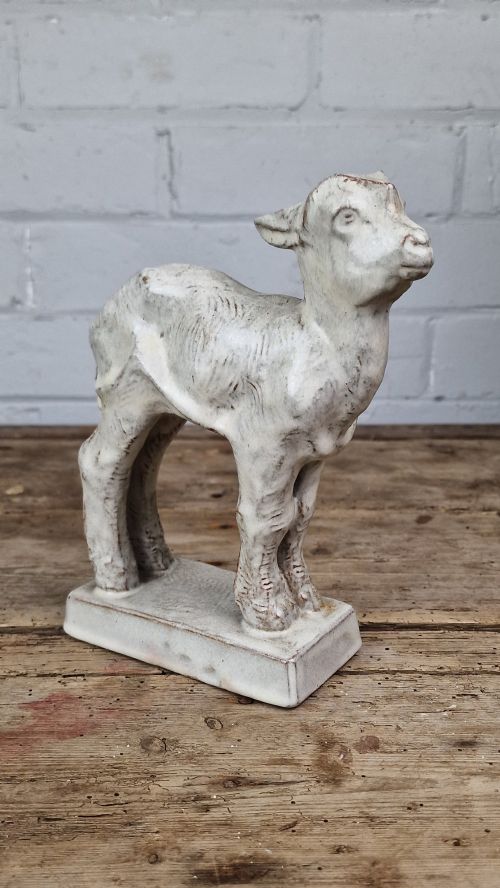
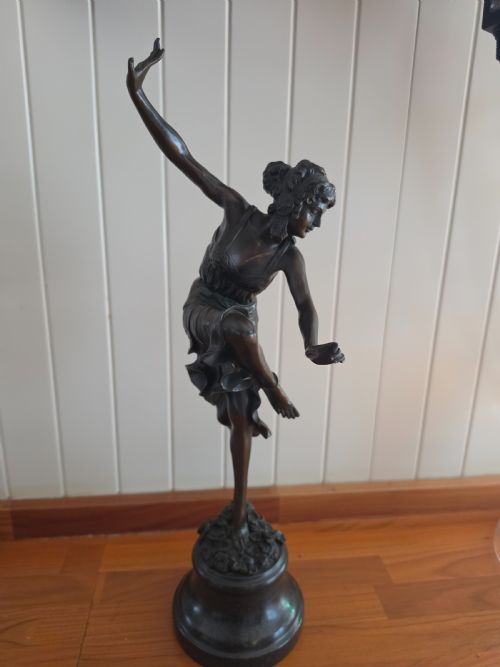
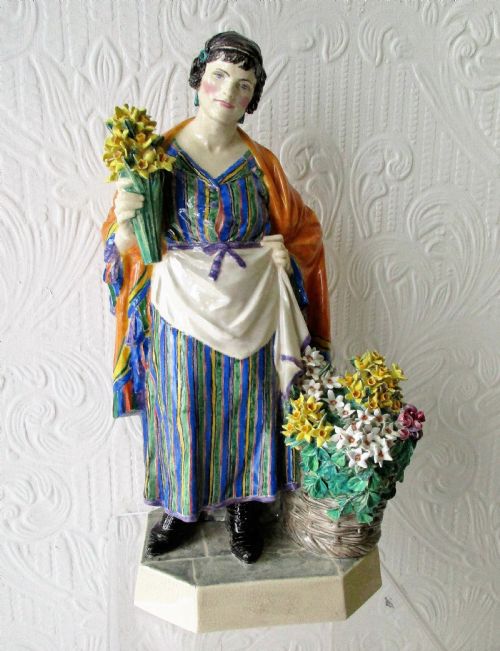
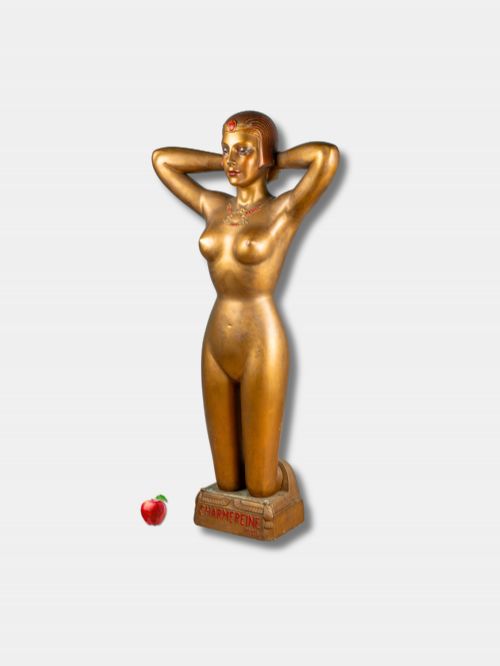
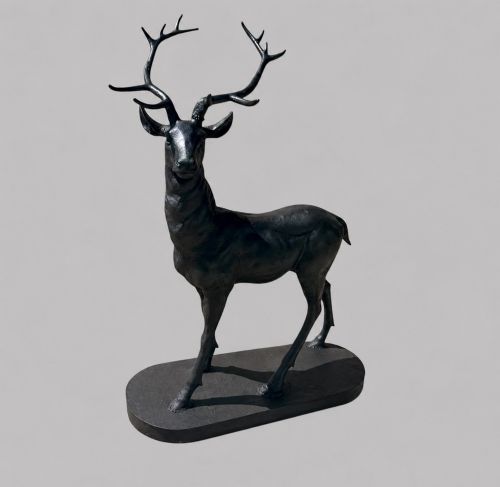
A 1920s art deco statue represents the dynamic aesthetic of the interwar period, combining stylised figures with modern design sensibilities. These sculptures capture movement and posture, frequently depicting human dancers, gladiators, warriors, and animals.
The examples available here span the nineteen-twenties and nineteen-thirties, reflecting the peak and continuation of the Art Deco movement. Buyers frequently encounter French origin pieces that showcase the distinctive figurative styling of this era.
Materials and construction
The pieces recorded in the evidence utilise bronze, patinated metal, marble, and onyx. Artisans cast the metallic figures to achieve intricate detail in the clothing, musculature, and facial expressions.
Statues often combine metal elements with sturdy stone bases, using marble or onyx to provide a stable foundation and a contrasting visual texture beneath the main sculpture.
Retail Price Guide 2026
Typical UK retail prices for 1920s art deco statue, calculated from the Sellingantiques database of over a million retail prices indexed since 2003. This retail price guide relies exclusively on Sellingantiques data; no external sources or auction records are used, so the figures do not describe the wider market.
Listings show works spanning the nineteen-twenties and nineteen-thirties, employing bronze, marble, onyx, and patinated metal.
Judging quality
Quality in these sculptures rests upon the fidelity of the casting and the nuance of the finish. Superior pieces display crisp definition in the patinated metal and bronze work, whereas simpler items lose fine details in the contours.
The integration of the sculptural figure with its stone plinth also marks the distinction. Better examples select marble and onyx bases that complement the proportions and weight of the central bronze or metal work.
Zoldan Kovats·Paul de Boulogne·Desire Grisard·Drouot
The 1920s Art Deco Statue Glossary
- Art Deco
- A design style of the nineteen-twenties and nineteen-thirties characterised by streamlined shapes, geometric influence, and stylised representation. It emerged globally and influenced sculpture, architecture, and decorative arts.
- Patinated metal
- A metal surface treated with chemicals or heat to produce a specific colouration and aged appearance. This finish protects the metal and adds depth to the sculptural contours.
- Onyx
- A banded variety of chalcedony used frequently as a decorative base material for period sculptures. Its natural striations provide a polished contrast to metallic figures.
- Bronze
- An alloy of copper and other metals, primarily tin, valued for its tensile strength and ability to hold fine detail during casting. It remains the principal medium for high-value figural sculpture.
Frequently Asked Questions
What materials make up a 1920s art deco statue?
These sculptures typically combine cast bronze or patinated metal with stone bases made from marble or onyx.
The use of mixed media provides both structural stability and visual contrast.
Where were these art deco sculptures made?
Many of the recorded pieces originate from France, reflecting the European heartland of the Art Deco movement.
French workshops produced numerous figural bronzes during the nineteen-twenties and nineteen-thirties.
How do I date a 1920s art deco statue?
Dating relies on stylistic markers characteristic of the Art Deco period, alongside documentation naming makers active between the nineteen-twenties and nineteen-thirties.
Material choices like patinated metal and onyx also point directly to this era.
What subjects do these statues depict?
Common subjects include nude dancers, gladiators, and warriors, often captured in dynamic poses.
Animal figures such as an Arabian warrior on a camel also appear within the stylistic range.