

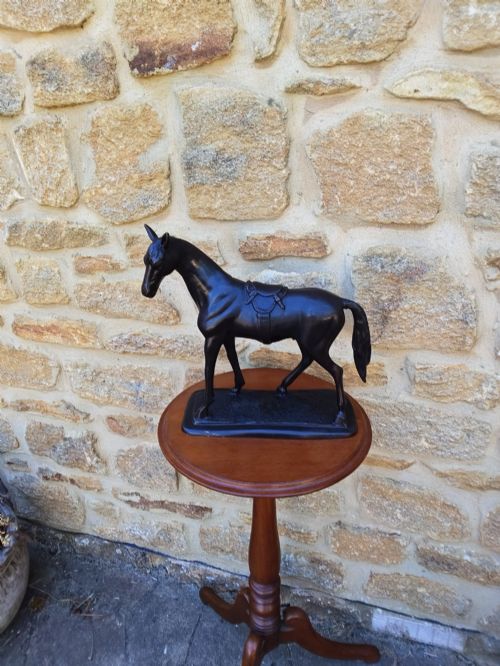
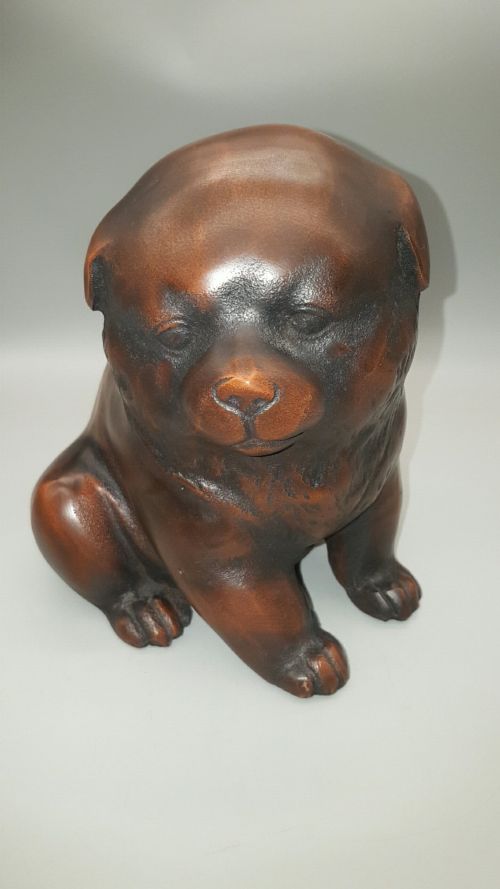
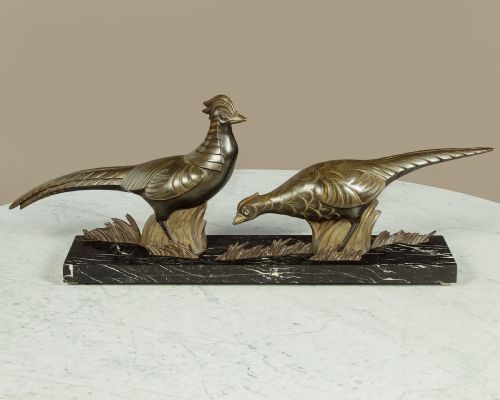
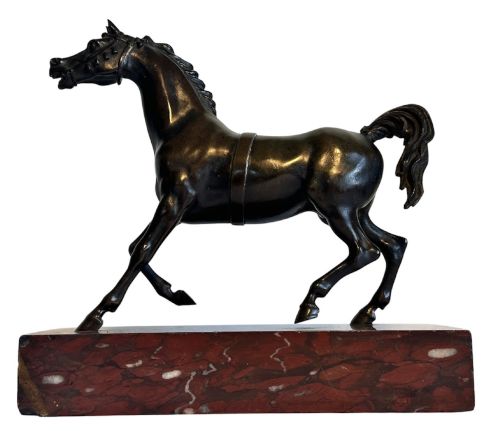
Vintage Metal Figurine
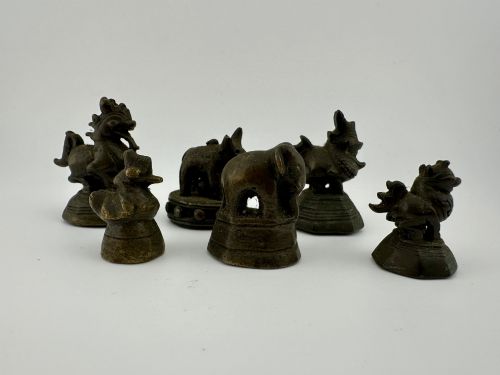
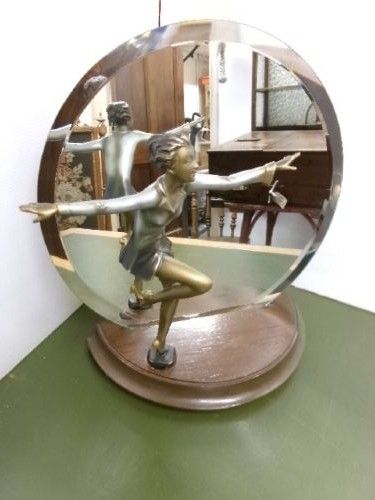
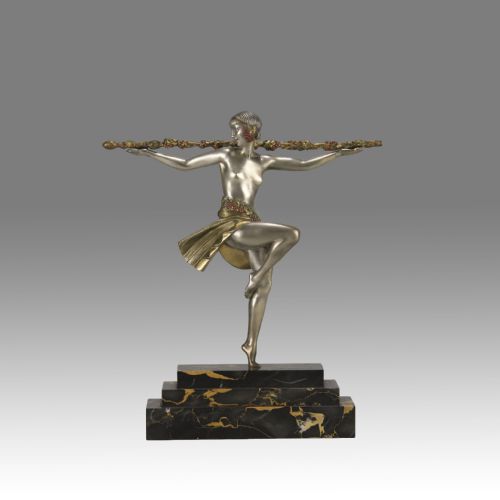
These vintage metal figurine pieces range from Art Deco dancers to heavy cast iron animals, offering character for desks and mantelpieces.
Vintage Metal Figurine
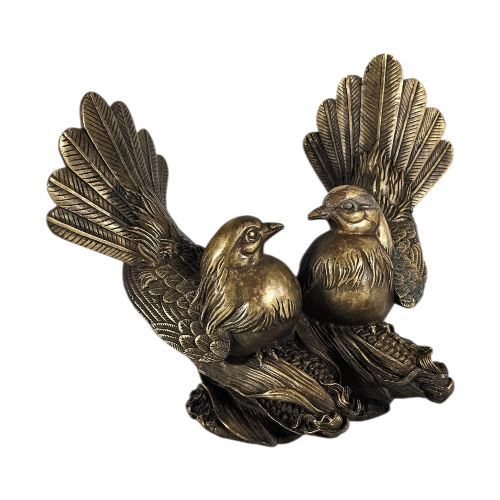
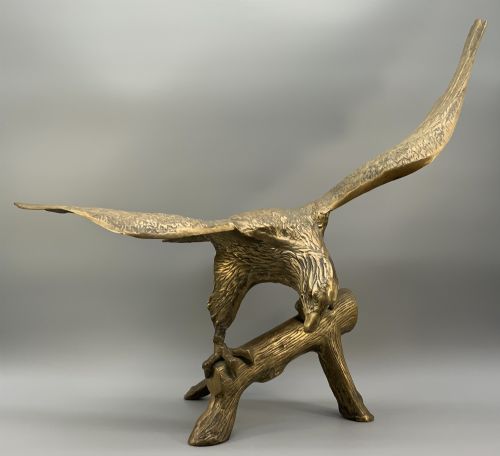
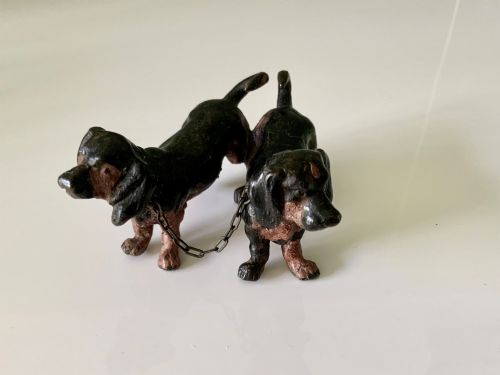
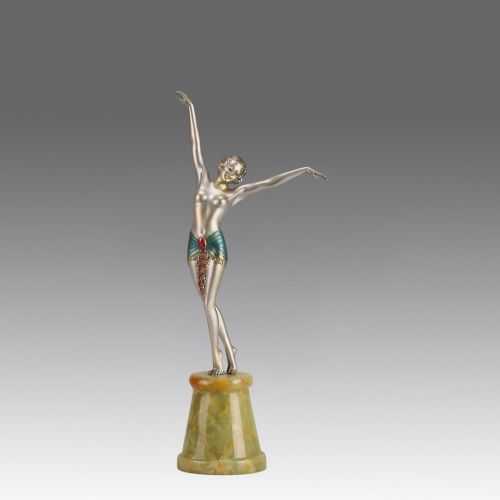
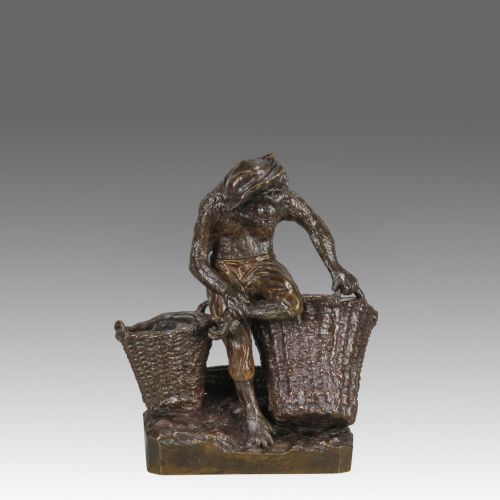
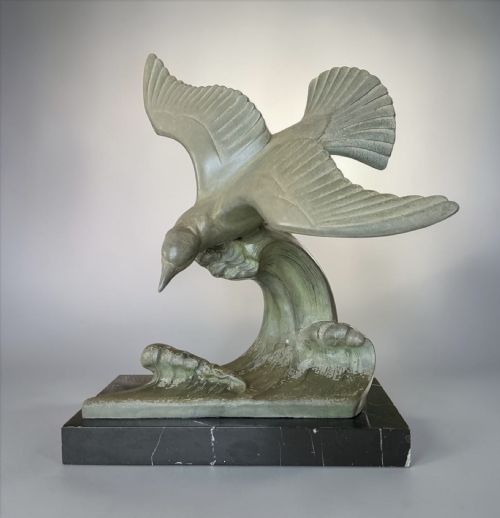
A vintage metal figurine covers a broad spectrum of small decorative sculptures, desk accessories, and animal figures. You will frequently encounter subjects ranging from Art Deco human dancers to bronze dogs and birds.
The selections span multiple periods, with strong representation from the Victorian era, Edwardian period, and the Art Deco 1930s. Forms vary from simple doorstops and paperweights to complex multi-figure groups mounted on marble or onyx plinths.
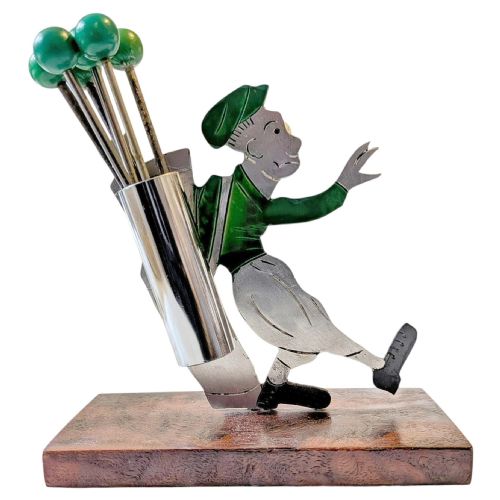
Many items serve functional roles alongside their decorative appeal, functioning as cocktail stick holders, companion sets, or doorstops. They originate from various workshops across Europe and Asia, utilising several distinct casting metals.
Materials and techniques
Foundries cast these figures using bronze, spelter, cast iron, and brass, occasionally applying cold-painted polychrome finishes or silver and chrome plating. Spelter serves as a common economical alternative to bronze in many 1920s and Art Deco pieces.
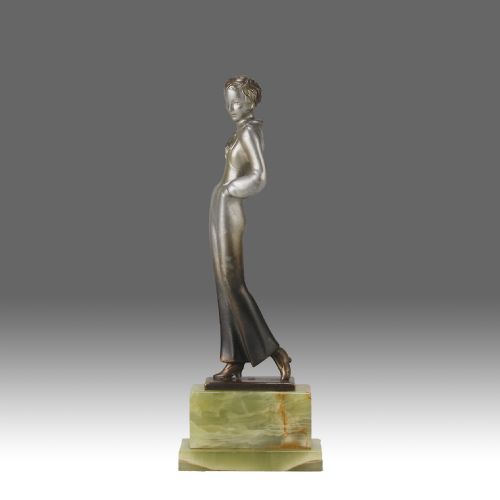
Heavier sculptures often incorporate natural stone bases, mounting metal figures directly onto polished marble or onyx plinths. Hand-finishing details such as cold-painting bring specific subjects, from birds to human dancers, to life.
Materials recorded across the inventory include bronze, cast iron, spelter, brass, aluminium, marble, onyx, glass, and wood.
What separates the grades
The integrity of the surface finish matters significantly, particularly in cold-painted items where original pigment retention varies. Material choice also divides the range, with hot-cast bronze commanding different attention compared to painted spelter or cast iron.
Pierre le Faguays·Josef Lorenzl·Christophe Fratin·Tsunemitsu
The Vintage Metal Figurine Glossary
- Spelter
- A zinc alloy commonly used as a substitute for bronze in decorative figures. It is softer and lighter than bronze, often finished with metallic paint.
- Cold-painted bronze
- A technique where bronze figures are painted with oil or enamel colours after casting, rather than firing the pigment at high temperatures.
- Animalier
- A nineteenth-century artistic movement focused on the realistic portrayal of animals. Sculptors in this tradition concentrated heavily on anatomical accuracy.
- Plinth
- A heavy base, often made of marble or onyx, that supports a statue or figurine. It provides stability and visual elevation for the mounted metalwork.
Vintage Metal Figurine: Frequently Asked Questions
How do I clean a metal figure?
Dust gently with a soft dry brush to protect the surface patination.
Avoid commercial polishes and water, which strip delicate cold-painted finishes.
What is the difference between bronze and spelter?
Bronze is a durable copper alloy that holds sharp casting details and develops a rich natural patina over time.
Spelter is a softer zinc alloy that feels lighter and requires painted finishes to mimic bronze.
Are these figures mounted on stone?
Many figures from the Art Deco period and earlier use marble or onyx plinths for stability.
These heavy bases anchor the metal sculpture and add structural presence.
How were these decorative items used?
Beyond pure ornament, many pieces doubled as functional desk accessories, doorstops, and barware.
Examples include paperweights, cocktail stick holders, and companion sets designed for daily utility.