



Art Deco Mantle Ornament
These art deco mantle ornament pieces bring unmistakable interwar glamour to a room, driven by bold figural designs.
What an art deco mantle ornament is
An art deco mantle ornament brings striking geometry and character to interior spaces through figures and animals. Collectors seek these pieces to capture the distinct aesthetic of the nineteen twenties and nineteen thirties.
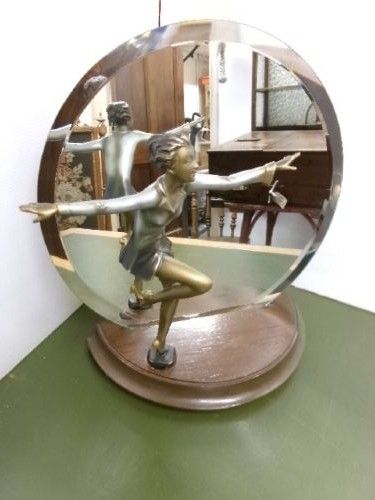
The selections here focus heavily on sculptural depictions of dancers, animals, and figural groups. Spelter figures paired with marble or onyx bases appear most frequently among the current pieces.
Materials and construction
Maker techniques rely heavily on cast metals such as spelter and bronze, often finished with patination and gilding. These metal figures are frequently mounted securely onto heavy natural stone bases like marble or onyx.
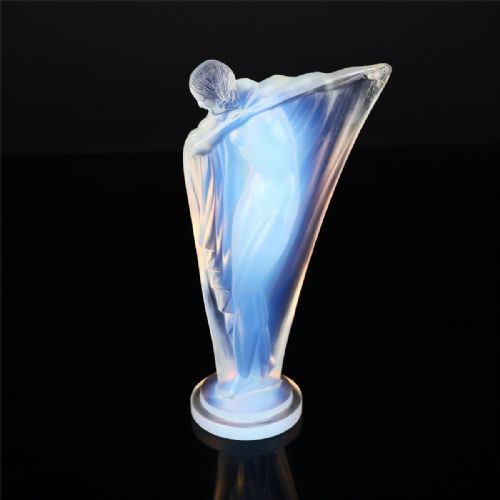
Glass production utilises opalescent qualities to catch the light, whilst ceramic and earthenware examples demonstrate moulded and glazed finishes. Each medium requires specific handling during the casting or firing process to achieve the characteristic interwar lines.
Retail Price Guide 2026
Typical UK retail prices for art deco mantle ornament, calculated from the Sellingantiques database of over a million retail prices indexed since 2003. This retail price guide relies exclusively on Sellingantiques data; no external sources or auction records are used, so the figures do not describe the wider market.
Russian borzoi hunting dogs made their way onto nineteen thirties mantles, bringing aristocratic canine elegance right beside the dancing ladies.
Judging quality in design and finish
Quality rests upon the crispness of the casting and the fidelity of the sculptural detail. Finer examples display meticulous patination on the metal and seamless integration with the stone base.
The choice of materials also dictates the upper tier of pieces, where signed works or specialised opalescent glass elevate the object. Lesser items often show simpler finishes and less dynamic posture in the figures.
Etling·Lucille Sevin·Le Manceau·Bruno Zach
The Art Deco Mantle Ornament Glossary
- Spelter
- A zinc alloy commonly used as a cost-effective alternative to bronze during the interwar period. It takes patination well to simulate heavier metals.
- Onyx
- A banded variety of chalcedony frequently used for decorative stone bases. Its natural veining provides a sturdy and luxurious foundation for metal figures.
- Patination
- The surface treatment applied to metal to alter its colour and create depth. This process highlights the sculptural contours of the piece.
- Opalescent glass
- Glass that displays a milky, iridescent quality shifting in tone depending on the light. It was favoured by period glassmakers for decorative objects.
Frequently Asked Questions
What materials make up these ornaments?
These decorative objects incorporate cast metals like spelter and bronze alongside natural stone bases of marble and onyx. Other examples utilise opalescent glass, ceramic, or earthenware.
Makers frequently combined these mediums to create stability and visual contrast on fireplace mantles.
How do I date these pieces?
Dating relies on stylistic markers typical of the nineteen twenties and nineteen thirties. The geometric forms and specific casting techniques align directly with the interwar period.
Signatures or moulded marks from known makers also help establish a precise timeframe.
Where should I display them?
These sculptures suit traditional mantlepieces, sideboards, or prominent ledges where their figural details remain visible. Their substantial stone bases provide natural stability on flat surfaces.
Placement should avoid direct, harsh sunlight to protect patinated metal and coloured glass finishes.
Are bronze and spelter easy to tell apart?
Bronze generally feels heavier and exhibits a warmer tone beneath the surface if patination wears thin. Spelter is a softer zinc alloy that often requires careful handling to prevent structural stress.
Examining the underside or base usually reveals the weight and metallic composition of the casting.