
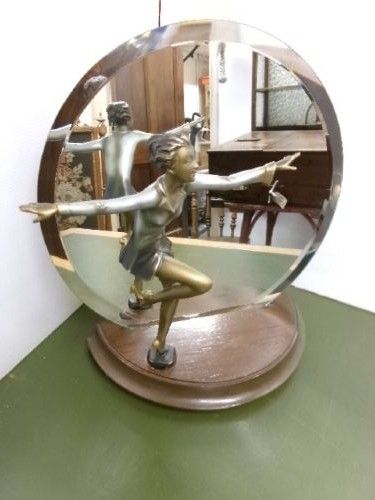
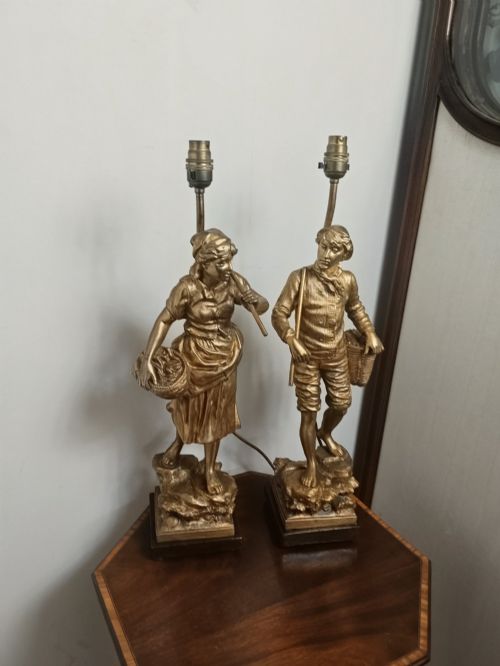

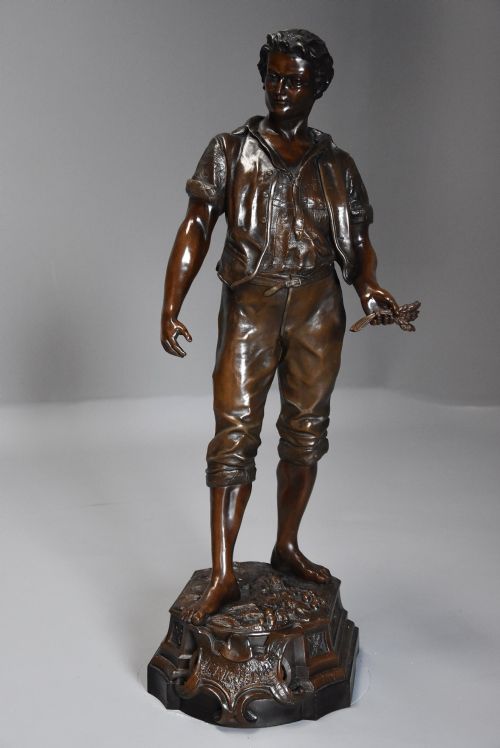
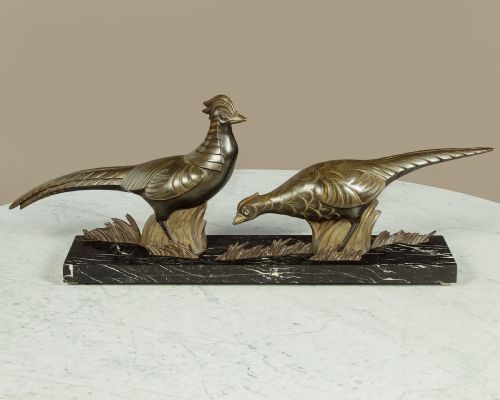




Antique Spelter Figure
An antique spelter figure brings tactile presence to a room, offering sculptural form through zinc-alloy casting.
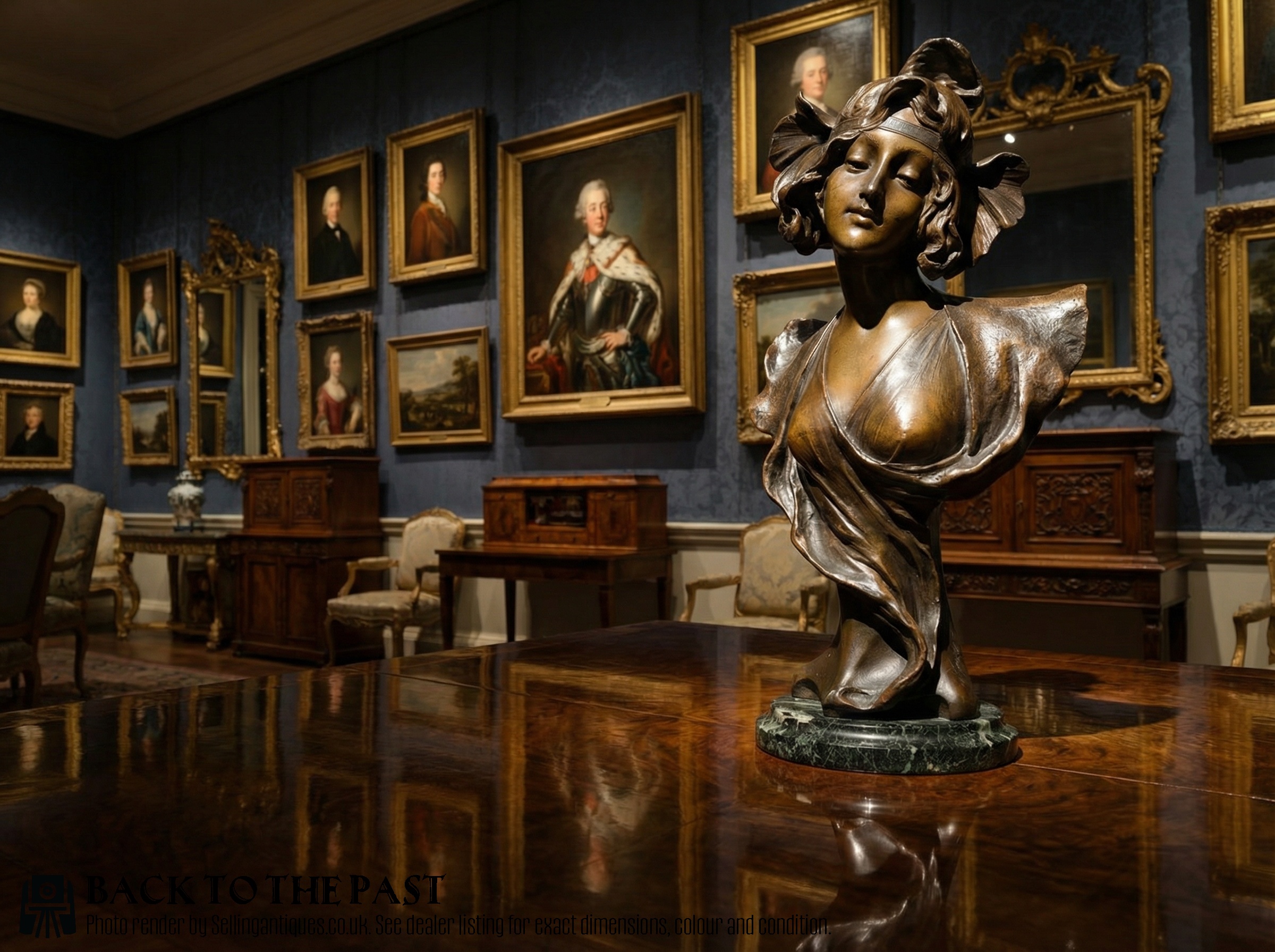
Antique Spelter Figure
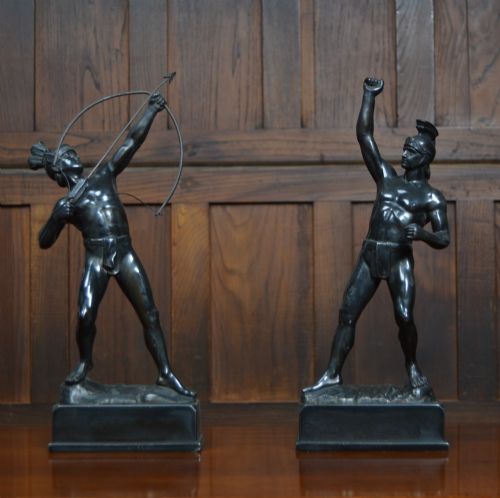
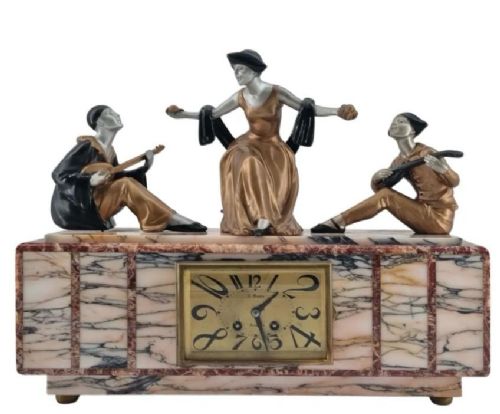
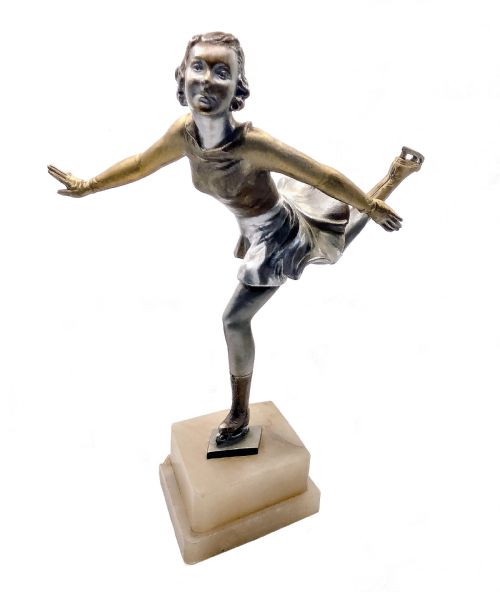
When you search for an antique spelter figure, you encounter sculptural objects cast in zinc alloy rather than solid bronze. These pieces range from Victorian soldiers and farm labourers to Art Deco dancers, animals, and figural clocks.
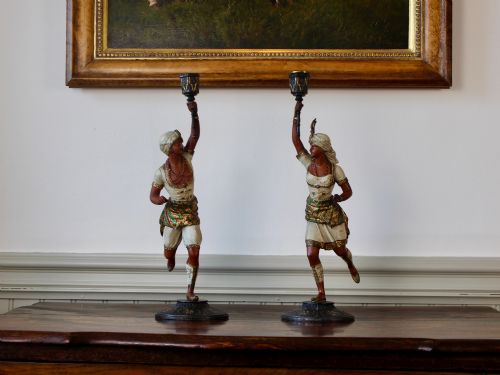
The version you are most likely to meet on this page is a French casting from the late nineteenth century or the nineteen-thirties. They often form pairs of candlesticks, table lamps, or bookends alongside standalone mantel ornaments.
Materials and casting methods
These items are produced by pouring molten zinc alloy into moulds, capturing fine detail before the metal cools. Makers frequently apply patination, cold-painting, or bronzing treatments to the surface to simulate heavier metals.
Mounts and bases often incorporate contrasting materials like marble, onyx, brass, wood, or alabaster to anchor the softer metal sculpture.
Antique Spelter Figure Retail Price Guide 2026
Typical asking prices for spelter figure among the pieces listed under this phrase on Sellingantiques today, from the lower quarter to the upper quarter. They describe what is for sale here now, not the wider market.
Materials paired with the metal include marble, onyx, alabaster, wood, brass, and glass.
Judging execution and finish
Quality rests upon the crispness of the casting detail and the subtlety of the surface finish. Superior examples retain their original cold-painted pigments or rich bronze patination without obscuring the underlying definition.
The integration of the base material also dictates overall standard, where substantial marble or onyx plinths elevate the presence of the figural work.
E Rousseau·L & F Moreau·Josef Lorenzl·Geo Maxim·Chiparus
The Antique Spelter Figure Glossary
- Spelter
- A zinc-based alloy utilised as an economical alternative to bronze for nineteenth and twentieth-century decorative sculptures. It takes patination and paint readily.
- Patinated Metal
- A chemically treated surface finish applied to give the appearance of aged bronze or brass. This coating protects the underlying zinc alloy.
- Cold Painted
- Pigment applied to a metal surface after casting without subsequent firing. This technique provides vibrant colour on garments and decorative details.
- Garniture
- A set of ornamental objects comprising a clock and matching side pieces such as vases or candlesticks. They are typically displayed together on a mantelpiece.
Antique Spelter Figure: Frequently Asked Questions
How do I clean an antique spelter figure?
Dust gently with a soft, dry cloth to protect the delicate surface patination or cold-painted pigments.
Avoid using liquid cleaners, polishes, or abrasives that can strip the metallic finish from the zinc alloy.
Are spelter figures solid bronze?
No, these sculptures are cast from a softer zinc-based alloy rather than copper and tin bronze. Spelter is lighter in weight and generally shows a finer, grainier texture when the surface finish wears.
How were these figures originally displayed?
They sat prominently on mantelpieces, often flanked by matching garnitures, clocks, or candlesticks in domestic interiors. Many also served functional roles as table lamps and bookends.
How can I tell Art Deco from Victorian pieces?
Victorian examples tend to depict historical soldiers, labourers, and classical figures with ornate detailing. Art Deco pieces embrace stylised dancers, athletes, and sleek geometric animals from the nineteen-thirties.