





Onyx Base Sculpture
An onyx base sculpture brings together the weight of stone and the fine detail of metalwork, offering a striking display piece for any room.
What an onyx base sculpture is
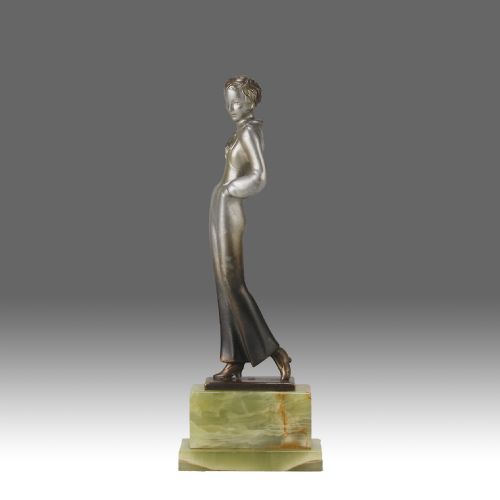
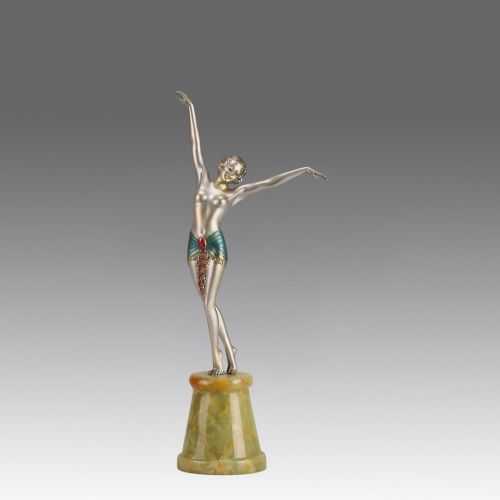
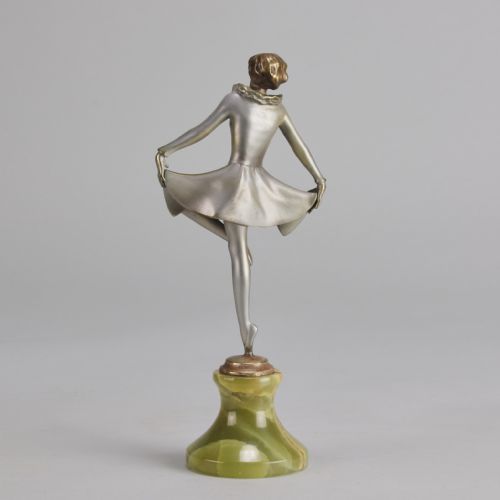
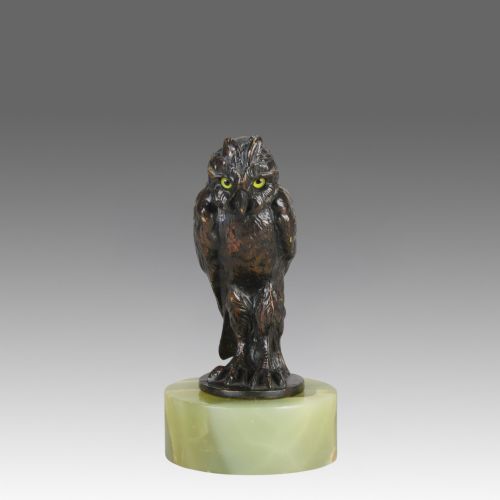
An onyx base sculpture combines a polished stone foundation with figures cast in bronze, spelter, or ivory, creating a balanced decorative object. These works frequently date from the early twentieth century and embody the aesthetics of the Art Deco movement and Animalier studies.
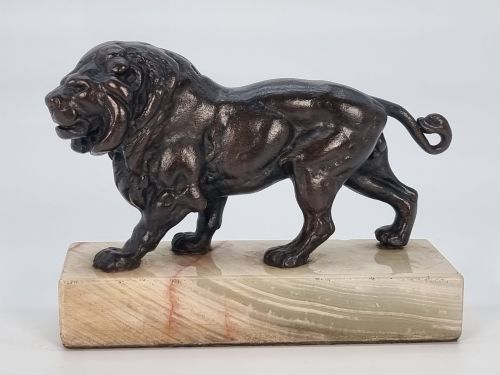
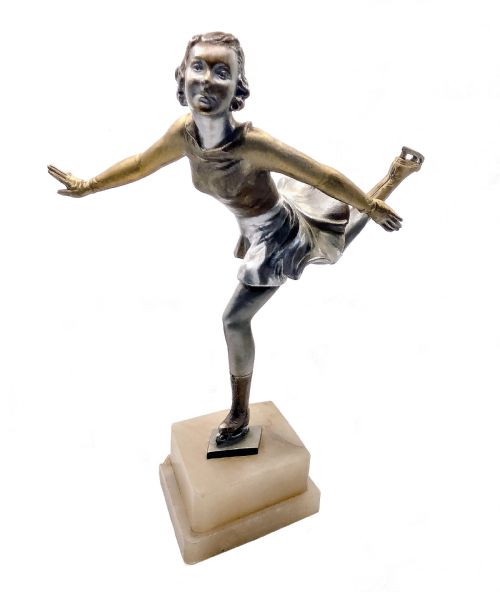
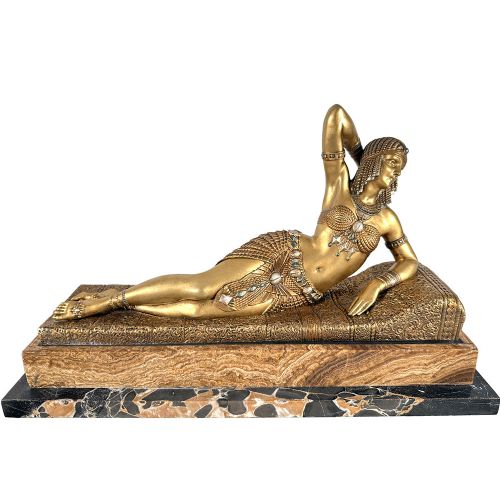
The pieces on this page range from animal studies to human figures, including dancers and performers rendered in bronze or spelter. Collectors encounter works from around nineteen hundred through to nineteen thirty, showing how artists of the period mounted fine figures upon substantial stone plinths.
Makers and sculptors of note produced figurative bronzes and chryselephantine works that rely on the contrasting textures of cold-painted metal, carved ivory, and banded onyx. Each example demonstrates the characteristic pairing of a heavy mineral base with a dynamic sculptural subject.
How they were made
The bases were cut from natural onyx or marble blocks, then sawn, shaped, and polished to a smooth finish that highlights the stone's natural veining and translucent qualities. Sculptors secured the metal figures to these heavy stone plinths using threaded rods, pins, or hidden fixings.
Retail Price Guide 2026
Typical UK retail prices for onyx base sculpture, calculated from the Sellingantiques database of over a million retail prices indexed since 2003. This retail price guide relies exclusively on Sellingantiques data; no external sources or auction records are used, so the figures do not describe the wider market.
Materials recorded on this page include bronze, spelter, gilt bronze, patinated bronze, ivory, marble, and onyx.
What varies in quality
Stone selection also dictates the character of the piece, with richly variegated onyx and well-matched marble bases commanding attention through their natural patterns and flawless polishing. The choice of materials, from solid bronze and ivory to plated spelter, defines the original ambition and tier of the workshop.
Josef Lorenzl·Paul Philippe·Claire Colinet
The Onyx Base Sculpture Glossary
- Onyx
- A form of banded chalcedony or calcite used extensively for sculptural plinths and architectural decoration. Its natural layers create distinctive visual patterns.
- Spelter
- A zinc alloy commonly used as a cost-effective alternative to bronze in decorative figures. It accepts patination and paint finishes readily.
- Chryselephantine
- A term describing statues made of a combination of bronze and ivory. This technique was popular in Art Deco figures representing dancers and performers.
- Animalier
- A nineteenth and early twentieth century artistic focus on the realistic portrayal of animals. Sculptors captured subjects such as prowling lions in motion.
- Patinated Bronze
- Bronze treated with chemical solutions to produce a specific surface colour or aged effect. This treatment enhances the shadows and highlights of the cast.
Frequently Asked Questions
What is an onyx base sculpture?
An onyx base sculpture is a decorative piece featuring a metal, ivory, or mixed-media figure mounted on a polished stone plinth. These works frequently date from the early twentieth century and showcase periods like Art Deco.
They serve as cabinet pieces or table ornaments, highlighting the contrast between the heavy, translucent stone and the detailed metal figure above.
How do I date these sculptures?
Dating relies on stylistic markers such as the geometric lines of Art Deco design or the naturalistic postures seen in earlier Animalier bronzes. Material combinations, including gilt bronze and chryselephantine work, also point to specific decades around nineteen hundred to nineteen thirty.
Examining the casting style and the specific signature or attribution on the metal helps confirm the period of manufacture.
What materials are used?
The primary foundation is onyx or marble, providing a dense and decorative plinth for the artwork. Figures upon these bases are typically cast in bronze, patinated bronze, gilt bronze, or spelter.
Some elaborate examples incorporate carved ivory or Ivorine elements for the faces and hands of human figures, creating a multi-textured composition.
How do I care for my sculpture?
Care involves keeping the piece away from direct sunlight and fluctuating humidity to protect both the stone base and any delicate metal or ivory components. Dusting with a soft, dry cloth maintains the surface without introducing moisture.
Avoid using chemical polishes on the onyx or the patinated metal, as harsh substances can strip the original surface treatments.