

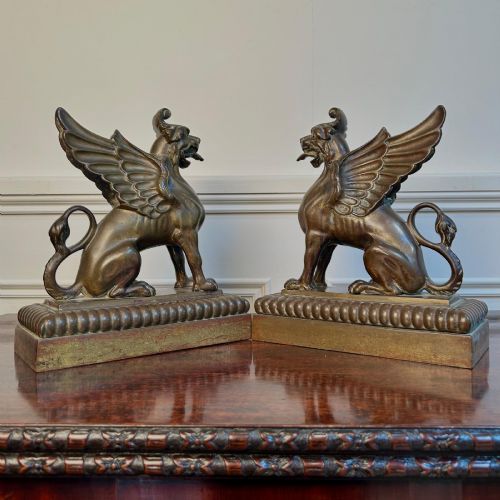
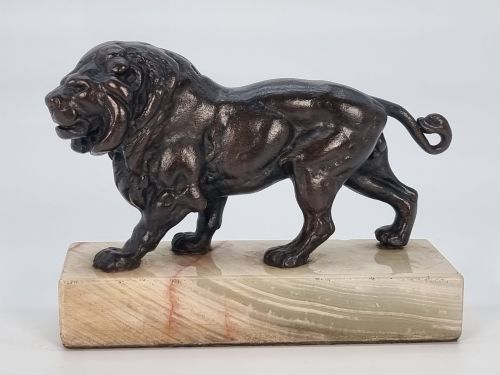


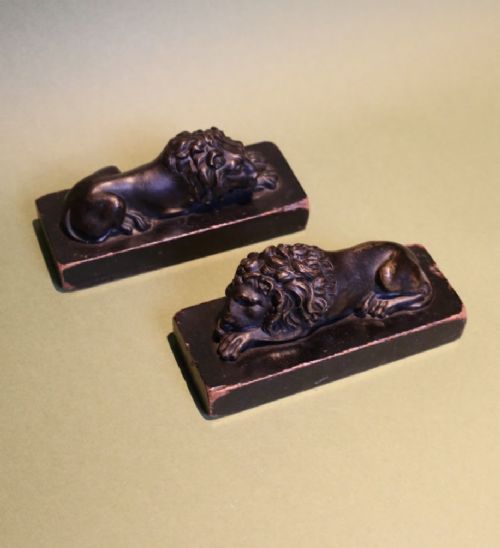
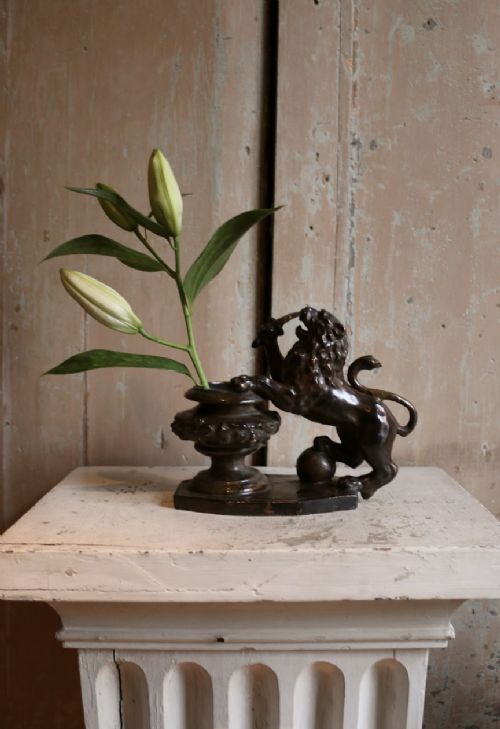


Bronze Lion Sculpture
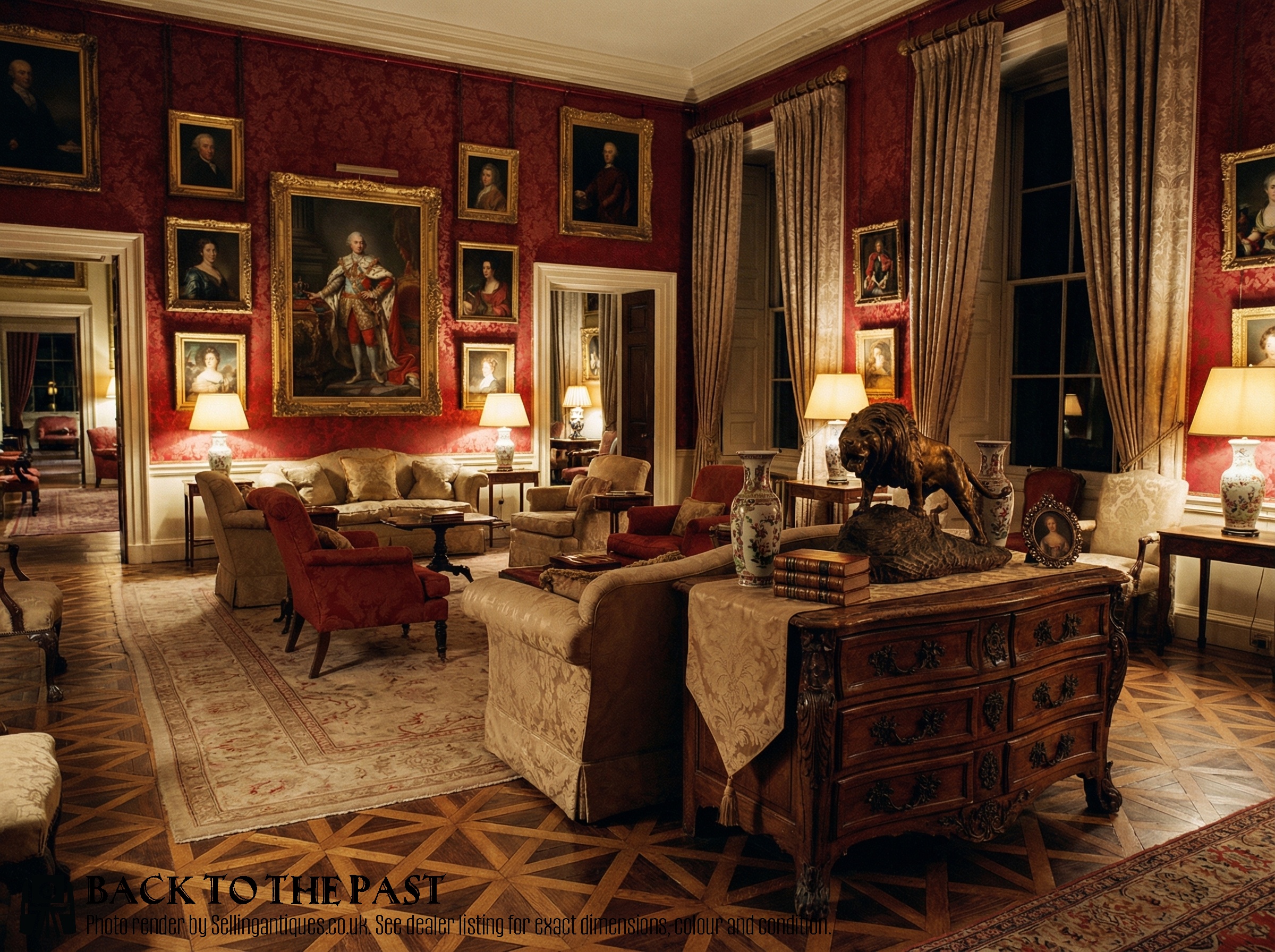
A bronze lion sculpture captures the immense power and noble bearing of the king of beasts, making it a dramatic focal point in any room.
Understanding bronze lion sculpture
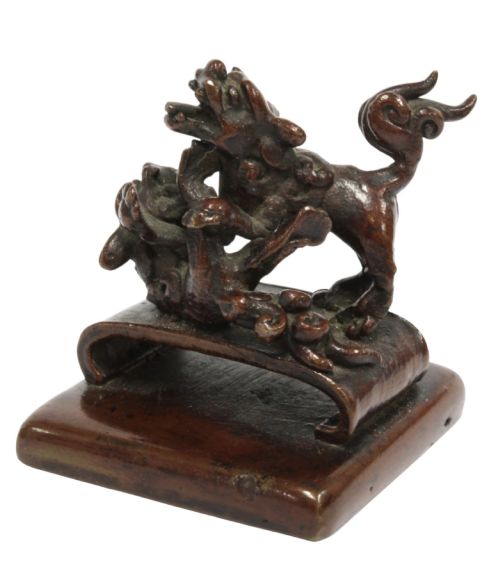
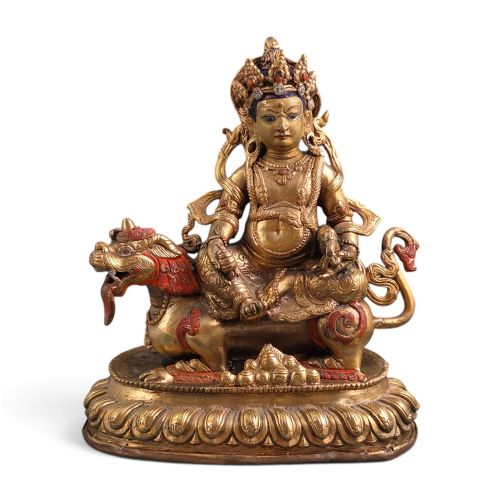
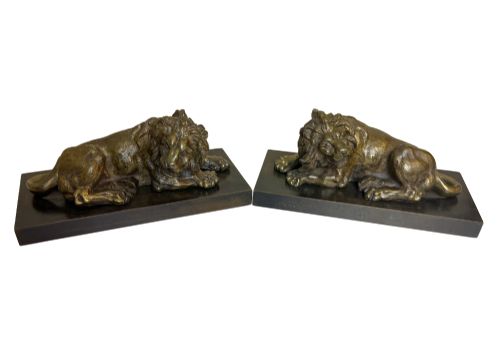
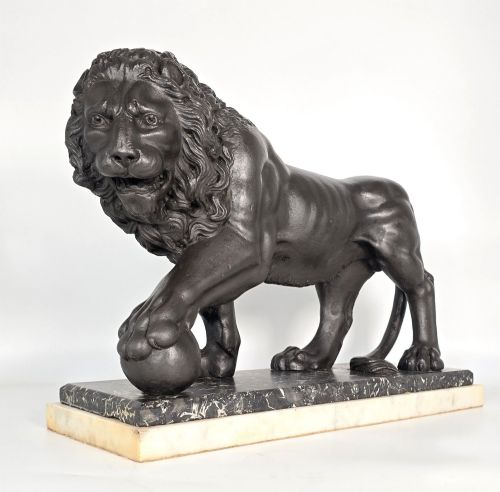
A bronze lion sculpture represents a major tradition in decorative metalwork, encompassing neoclassical Grand Tour souvenirs, French Animalier studies, and Austrian cold-painted bronzes. These pieces capture the creature in various states, from prowling and crouching to roaring or resting majestically.
The most common examples on this page date from the nineteenth century and early twentieth century, reflecting a period of intense interest in naturalism and classical antiquity. Many of these sculptures are mounted on integral plinths or separate stone bases made of marble or onyx.
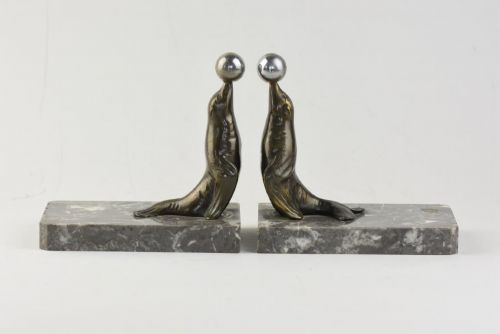
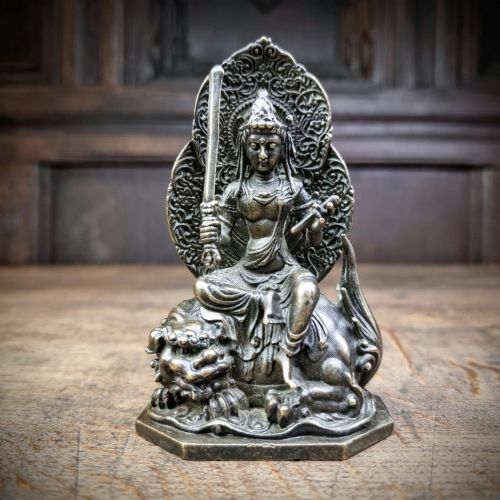
The styles range from the strictly classical interpretations of the Medici and Capitoline lions to the naturalistic portrayals of the French Animalier school and the stylized forms of the Art Deco period. Japanese Meiji period bronzes also appear, showing a distinct artistic approach to casting and surface finish.
Materials and casting methods
These figures are produced using traditional metal casting techniques, primarily working in bronze to achieve durable and expressive animal forms. Many pieces receive additional surface treatments, including cold-painted coloration or patination ranging from deep brown to golden tones.
Stones such as marble and onyx provide heavy, contrasting bases for the metal figures, anchoring the compositions securely. Paint is applied to specific cold-painted bronzes to create realistic or decorative detail across the surface of the metal.
Retail Price Guide 2026
Typical UK retail prices for bronze lion sculpture, calculated from the Sellingantiques database of over a million retail prices indexed since 2003. This retail price guide relies exclusively on Sellingantiques data; no external sources or auction records are used, so the figures do not describe the wider market.
Listings feature nineteenth-century and early twentieth-century pieces, utilising bronze, marble, onyx, and cold-painted finishes across multiple decorative styles.
Distinctions in craftsmanship
The choice of base materials and the harmony between the bronze figure and its plinth also influence the overall character of the piece. Signatures from recognised makers and foundries add a distinct layer of provenance and historical interest to the work.
Franz Bergman·Le Courtier·Louis Riche·Edouard Delabrierre·L. Bureau
The Bronze Lion Sculpture Glossary
- Animalier
- A nineteenth-century artistic movement focused on the realistic depiction of animals, particularly predators in motion or repose. Sculptors in this tradition studied live specimens closely to capture authentic musculature and behaviour.
- Grand Tour
- A term applied to cultural souvenirs brought back by travellers from European journeys, particularly Italy, during the eighteenth and nineteenth centuries. These often include miniature bronze replicas of famous classical monuments and sculptures.
- Cold-Painted Bronze
- A technique where bronze figures are painted with oil or enamel paints after casting, rather than being fired in a kiln. This method allows for vivid coloration, though the paint is susceptible to chipping if handled roughly.
- Meiji Period
- A phase in Japanese history spanning from eighteen sixty-eight to nineteen twelve, characterised by the opening of trade with the West. Bronzes from this era often display exceptional metallurgical skill and intricate surface detailing.
- Patina
- The surface coloration and sheen that develops on bronze over time, either naturally through oxidation or artificially through chemical treatments. A well-preserved patina enhances the depth and visual texture of the metal.
Frequently Asked Questions
How do I clean a bronze lion sculpture?
Dust the surface gently with a soft, dry cloth to remove accumulated particles without disturbing the underlying patina. Avoid using harsh chemical cleaners, abrasives, or water, as these can strip the protective finish from the metal.
Apply a very light coat of microcrystalline wax occasionally if the bronze appears dry, buffing it off completely with a clean cloth. This helps protect the metal from atmospheric moisture and handling oils.
What is an Animalier bronze?
An Animalier bronze is a nineteenth-century sculpture focused specifically on animal subjects, created by artists who specialised in capturing wildlife and domestic beasts. These works range from tense hunting scenes to quiet studies of animals resting.
The style gained immense popularity in France, where foundries cast numerous small and large bronzes for domestic interiors. Artists in this tradition prioritized anatomical accuracy and expressive movement over purely decorative conventions.
Where should I display a heavy bronze figure?
Place the sculpture on a stable, level surface capable of supporting considerable weight, particularly if the piece includes a dense marble or onyx base. Ensure the furniture or shelf is sturdy enough to hold the combined mass of metal and stone safely.
Keep the sculpture away from direct sunlight and sources of extreme heat or humidity to protect both the metal patina and any painted or stone elements. A position at eye level or slightly below allows the details of the casting to be appreciated fully.
How can I tell the age of a bronze lion?
Examine the underside of the sculpture and the mounting fixings, as older pieces often feature hand-cut screws, threaded posts, or patination that matches the exposed surfaces. The quality of the chasing and the type of foundry marks or signatures also provide clues to the period of production.
Compare the style of the casting and the base materials with documented examples from known periods like the Grand Tour or the Animalier movement. Wear patterns on the bronze and the stone base can further indicate age and history of handling.