
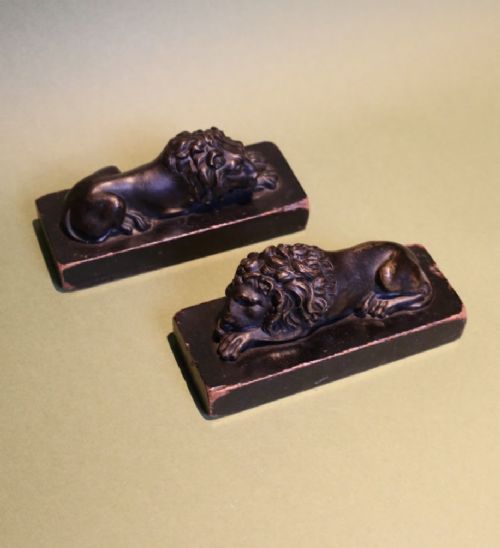
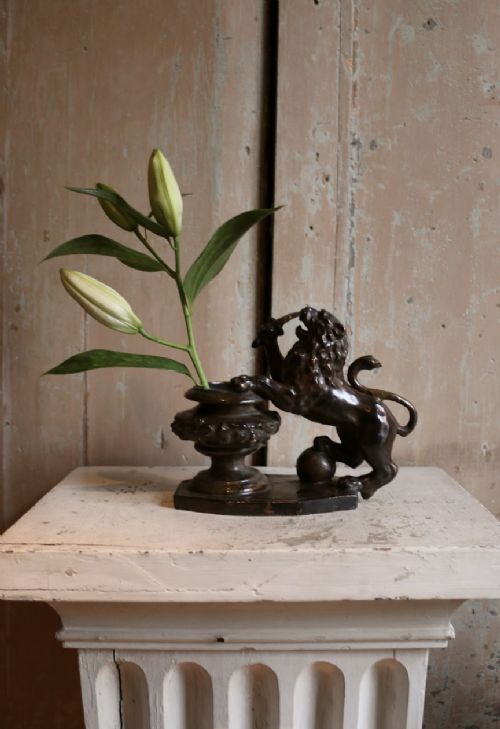


Dark Bronze Lion
These dark bronze lion figures and sculptures bring classical majesty and animalier power into a room through centuries of metalwork tradition.
Dark Bronze Lion
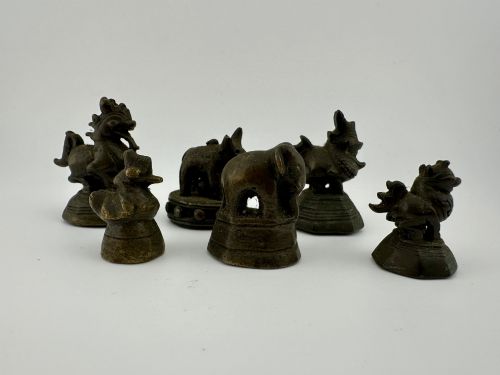
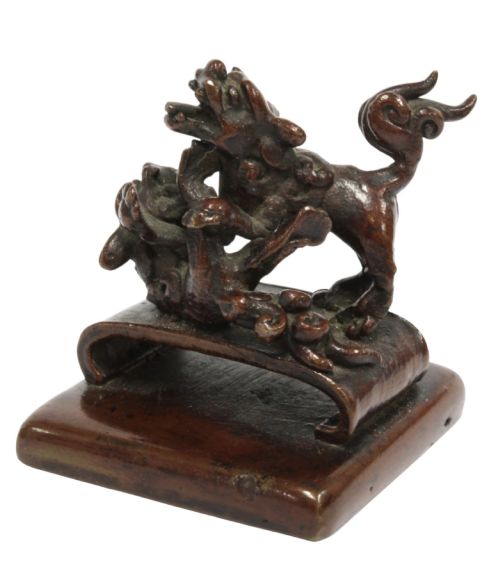
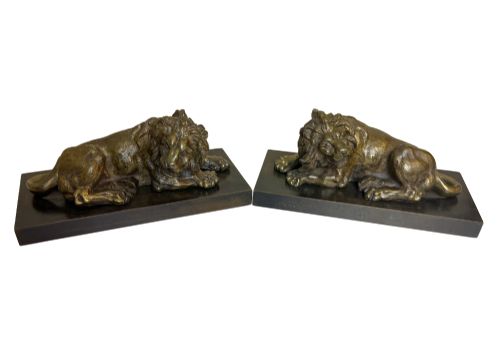
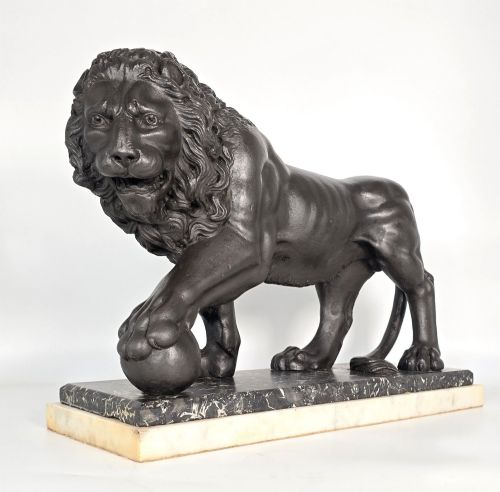
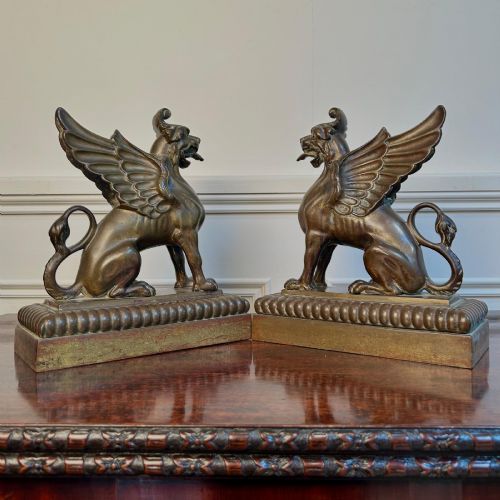
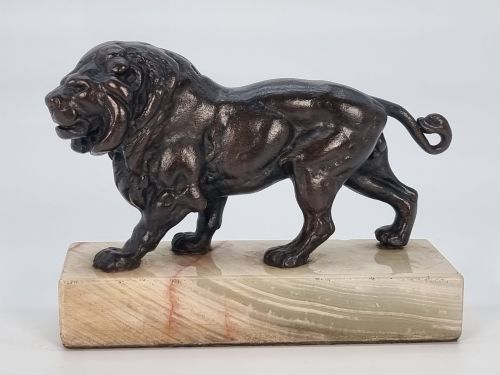
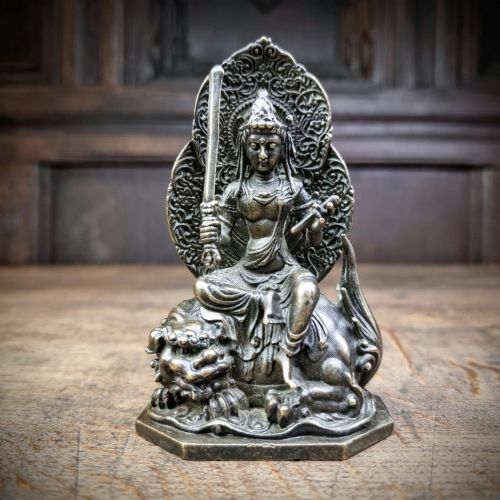
A dark bronze lion encompasses a variety of sculptural forms, ranging from Grand Tour reductions of classical monuments to Asian temple figures and French animalier studies. Buyers encounter pieces spanning several centuries, including Victorian interpretations and earlier scholarly castings from Chinese dynasties.
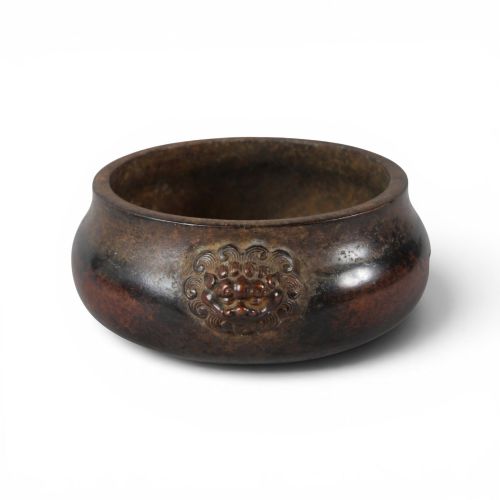
The selections on this page demonstrate distinct regional traditions, such as Venetian winged lions, Burmese temple guardians, and French prowling predators. These objects function variously as freestanding desk sculptures, architectural fountain heads, inkwells, and heavy censers bearing ritual lion masks.
Most examples originate from the nineteenth century, reflecting a European fascination with classical antiquity and exotic fauna. Alongside these stand earlier Ming and Qing dynasty bronzes, which integrate feline motifs into scholarly vessels and incense burners.
Materials and casting methods
Metalworkers employed traditional lost-wax casting techniques to capture the musculature, manes, and alert postures characteristic of a dark bronze lion. The resulting casts often received chemical patination treatments to achieve deep brown, nearly black, or verdigris surface tones.
Many sculptures incorporate secondary elements, resting upon heavy bases carved from white marble, dark onyx, or supported by timber mounts. Certain utilitarian items integrate brass or iron components alongside the primary bronze structure.
The documented periods span from the seventeenth century through the Ming and Qing dynasties up to Art Deco designs of the nineteen-thirties.
Evaluating craftsmanship and age
Superior examples display crisp chiselling after the cast emerges from the mould, defining claws, facial expressions, and fur texture with precision. Lesser pieces often exhibit softened detail where repeated moulding has worn away the original sharpness.
The depth and stability of the chemical patina contribute significantly to the visual weight of the sculpture, whereas unstable surfaces or modern repainting diminish historical integrity. Heavier, dense castings generally indicate superior metal allocation by the foundry or workshop.
G.Gardet·Unno Shomin·Louis Riche·Al Barye·Barbedienne
The Dark Bronze Lion Glossary
- Animalier
- A nineteenth-century artistic movement focused on the realistic depiction of animals. Sculptors in this tradition studied anatomy closely, often observing live subjects in menageries.
- Grand Tour
- The traditional trip undertaken by European aristocrats to classical sites in Italy and Greece. Travellers frequently purchased bronze reductions of famous monuments as souvenirs.
- Medici Lion
- A marble sculpture of a lion guarding a sphere, originating in classical antiquity and placed in the Villa Medici in Rome. Numerous bronze copies were cast during the eighteenth and nineteenth centuries.
- Censer
- A vessel designed for burning incense, frequently cast in bronze with foo lion or shishi finials. These objects served ritual and scholarly purposes in Asian traditions.
- Patinated Bronze
- Metalwork treated with chemical solutions to alter surface colour. This process creates protective and decorative dark brown or greenish finishes.
Dark Bronze Lion: Frequently Asked Questions
How do I clean a bronze lion sculpture?
Dust the surface gently with a soft, dry brush to prevent particulate buildup within the crevices of the mane and paws.
Avoid using water, chemical solvents, or abrasive polishes, as these treatments strip the historical patination and damage the metal.
Where were these sculptures displayed historically?
Nineteenth-century collectors placed smaller bronzes on library desks, mantelpieces, and cabinet tops as symbols of strength and classical taste.
Larger temple lions and heavy censers stood in prominent architectural entryways or served ritual functions within scholarly studies.
How can I tell a nineteenth-century casting from a later copy?
Examine the underside and seams for casting methods appropriate to the period, such as older sand-casting marks or hand-chased surface details.
Surface patination naturally deepens over decades of handling, whereas modern reproductions often display uniform, artificially applied colouring.
What is the difference between a temple lion and a Medici lion?
Temple lions, often originating from Asian traditions, typically feature stylized manes and serve as protective architectural guardians holding balls or cubs.
Medici lions derive from classical European antiquity, depicting a realistic feline resting one paw upon a spherical ball.