



Bronze Temple Sculpture
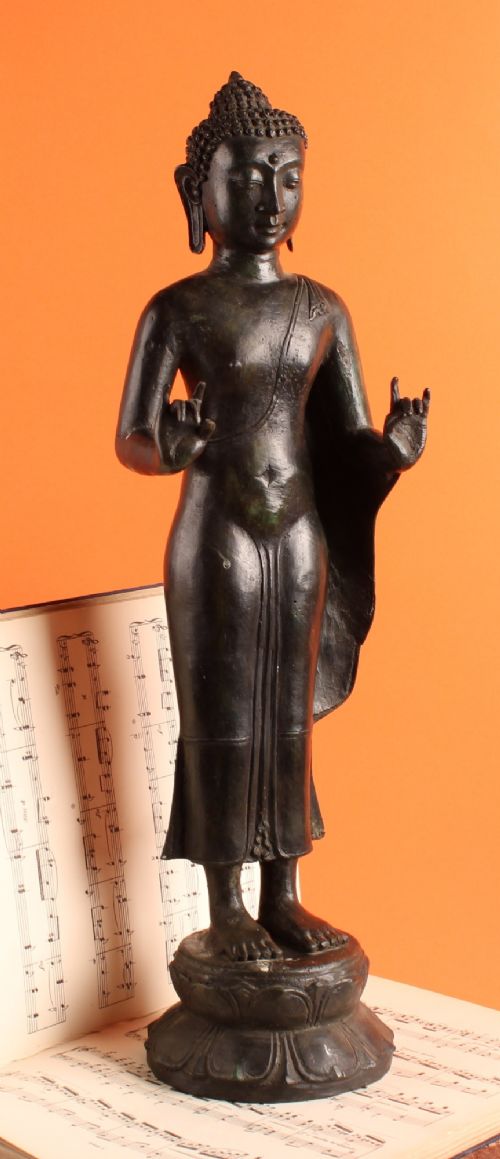
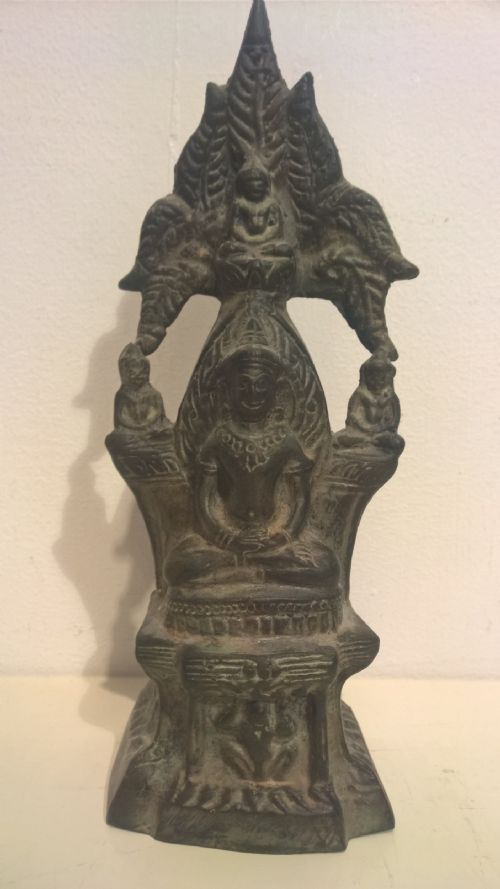
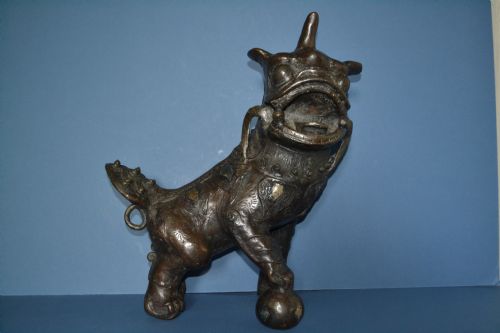
These bronze temple sculpture pieces range from nineteenth century figures to sixteenth century deities, offering profound cultural history and presence.
Bronze Temple Sculpture
When you search for bronze temple sculpture, you encounter a diverse array of sacred figures, guardian animals, and ritual vessels originating from various Asian and European traditions. The listings span multiple centuries, predominantly featuring nineteenth century items alongside notable sixteenth century examples.
The forms vary widely from standing Buddha figures and Bodhisattvas to pairs of temple lions and monumental garden vases. You are most likely to meet nineteenth century cast bronze Buddhas and Tibetan temple lions on this page.
The geographical origins stretch across Thailand, Japan, Java, Tibet, India, and Burma, alongside European academic realism works. Each piece reflects the distinct religious or decorative traditions of its specific period and region of origin.
How They Were Made
The pieces on this page rely primarily on casting techniques utilising bronze, brass, copper alloy, and gilt bronze. Artisans also employed gold inlay to accentuate sacred details on specific figures.
Surface treatments play a vital role in defining the appearance of these works, with patinated bronze and patinated iron appearing alongside polished metal surfaces and marble integrations.
What Varies in Quality
The richness of the original gilding and the quality of the patina significantly influence the visual impact of a sculpture. Surviving material integrity and distinct regional styling further separate ordinary production from important works.
Unno Shomin·Alajos Strobl
The Bronze Temple Sculpture Glossary
- Patina
- The surface sheen and colour developed through age, chemical treatment, or handling. It protects the metal and reveals the history of the object.
- Mudra
- A symbolic or ritual gesture in Hinduism and Buddhism performed with the hands and fingers. Specific mudras identify the spiritual state or action of a depicted deity.
- Bodhisattva
- An enlightened being on the path to Buddhahood who defers full entry into nirvana to aid others. They appear frequently in Asian religious art.
- Okimono
- A Japanese ornamental figurine designed for display on a shelf or in a tokonoma alcove. These pieces demonstrate exceptional metalwork skill.
- Gilt Bronze
- Metal cast in bronze and coated with a thin layer of gold leaf or gold amalgam. This technique imparts a lasting luminous finish.
Bronze Temple Sculpture: Frequently Asked Questions
How do I care for bronze temple sculpture?
Keep your bronze sculpture in a stable environment away from extreme humidity and direct sunlight. Dust the surface gently with a soft, dry cloth without applying modern chemical polishes.
Allow the natural patina to mature undisturbed over time. Aggressive cleaning removes historical surfaces and diminishes the character of the metal.
Where were temple lions placed?
Temple lions traditionally stood in pairs flanking the entrances of sacred buildings or shrines to ward off malevolent spirits. Their distinct postures often signify protection and guardianship.
Collectors today frequently place these pairs in grand entryways or gardens. They serve both as decorative centrepieces and historical artefacts.
What does a double mudra signify?
A double mudra involves both hands performing specific symbolic gestures simultaneously to convey profound spiritual teachings. These gestures originate from Buddhist iconography.
Sculptures featuring this configuration carry heightened ritual significance. They represent specific moments of divine transmission or enlightenment.