


Antique Metal Buddha
These antique metal buddha figures span centuries of Asian casting traditions, offering profound spiritual presence and exceptional craftsmanship for your home.
Antique Metal Buddha
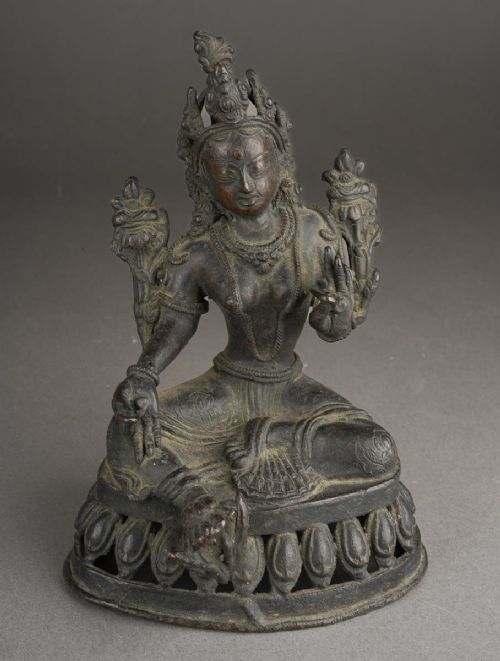
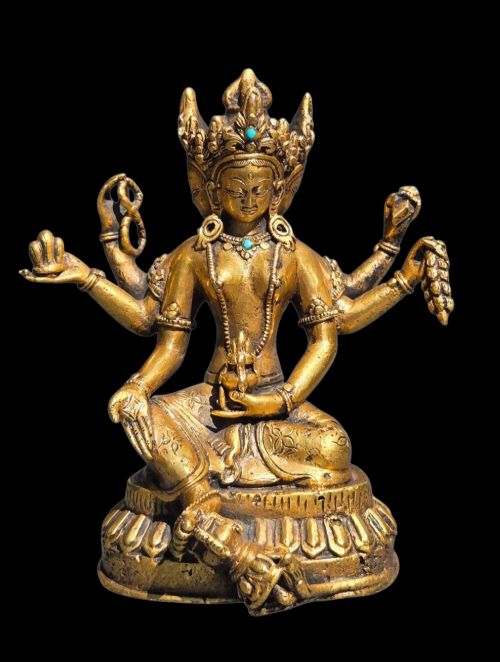
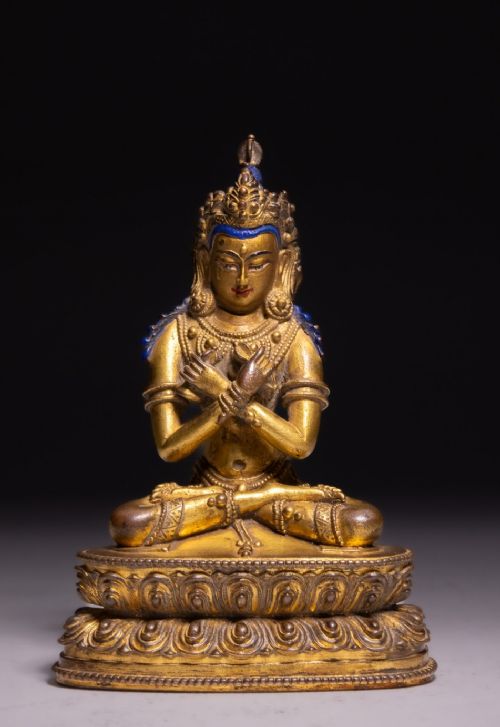
An antique metal buddha brings centuries of devotion into the room, ranging from small devotional shrines to substantial temple figures. When you search for an antique metal buddha, you encounter pieces cast across Asian traditions, including Tibetan, Sino-Tibetan, Thai, and Javanese styles.
The selections on this page most commonly appear as bronze or gilt bronze sculptures from the nineteenth century. Figures take various forms, from seated meditative buddhas and multi-armed deities to standing bodhisattvas and heavy temple busts.
Regional variations define the aesthetic, with Burmese and Thai pieces displaying distinct crowns and patination, while Himalayan works often incorporate turquoise inlays and pigments. Each sculpture reflects the specific iconographic rules of its origin, offering a tangible link to historical ritual practices.
Materials and casting methods
Surface treatments extend beyond simple casting, incorporating cold-painted pigments, enamel work, and turquoise inlays to accentuate jewellery and hair. Iron and copper also appear, alongside specialised patination processes that produce deep brown or aged dark tones over the centuries.
Listings span periods from pre-sixteenth century examples to the early twentieth century, utilising bronze, copper alloy, iron, and turquoise.
Evaluating craftsmanship and detail
Quality rests in the crispness of the cast and the precision of the chiselling applied after the metal cools. Superior pieces retain sharp facial expressions, well-defined fingers, and intricate lotus thrones without smoothing from excessive wear or poor secondary casting.
The application of gilding and the integration of stone inlays separate standard figures from exceptional works of art. Original pigments and undisturbed surface patinas significantly elevate a piece, revealing the genuine age and ritual use of the metal.
The Antique Metal Buddha Glossary
- Bodhisattva
- An enlightened being who delays nirvana to assist others on the spiritual path. These figures often wear elaborate crowns and royal jewellery unlike a traditional buddha.
- Lost-wax casting
- A metalworking method where a wax model is rendered into a mould and replaced with molten bronze. This technique allows for the fine details seen in historical sculptures.
- Gilt bronze
- Metal cast with a thin layer of gold applied to the surface. It provides a luminous finish that endures across centuries.
- Patination
- The natural or induced chemical change on the surface of bronze over time. It creates varied tones ranging from rich browns to dark verdigris.
- Sino-Tibetan
- A stylistic classification combining Chinese manufacturing skill with Tibetan Buddhist iconography. These pieces frequently exhibit precise metalwork and rich gilding.
Antique Metal Buddha: Frequently Asked Questions
How do I clean an antique metal buddha?
Dust the surface gently with a soft, dry brush to remove everyday accumulation. Avoid liquid cleaners, polishes, or abrasive cloths that can strip historical patinas and gilding.
Leaving the metal undisturbed preserves its age and character. If stability or deep cleaning is required, consult a professional conservator rather than attempting home remedies.
Where should I place a bronze buddha sculpture?
Position the sculpture in a stable location away from direct sunlight, high humidity, and heavy foot traffic. Elevated surfaces such as sideboards or dedicated shelves provide secure display.
Ensure the piece rests on a flat, level plane, particularly with heavier items like iron busts or large statues. Respectful placement honours the original devotional purpose of the artwork.
What is the difference between a buddha and a bodhisattva?
A buddha has achieved full enlightenment and liberation from the cycle of rebirth, typically shown in simple monastic robes without ornate jewellery. They embody ultimate spiritual attainment.
A bodhisattva chooses to remain in the world to guide others, represented with royal garments, necklaces, and crowns. This distinction helps identify the specific figure in historical metalwork.