


Seated Bronze Buddha
These seated bronze buddha sculptures carry centuries of ritual devotion, bridging Tibetan, Southeast Asian and Chinese traditions for the collector.
Seated Bronze Buddha
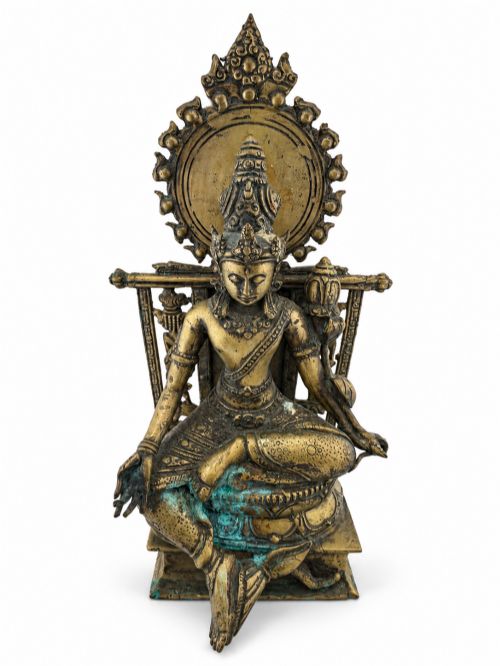
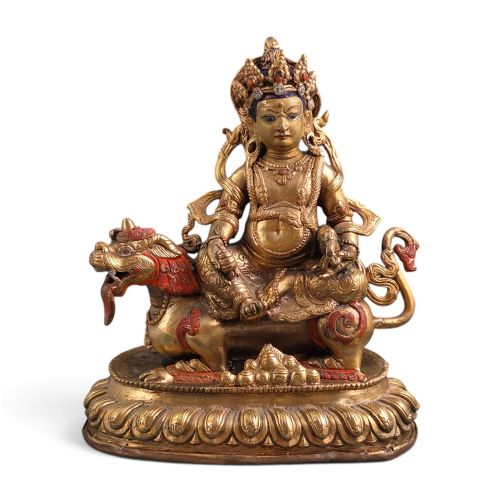
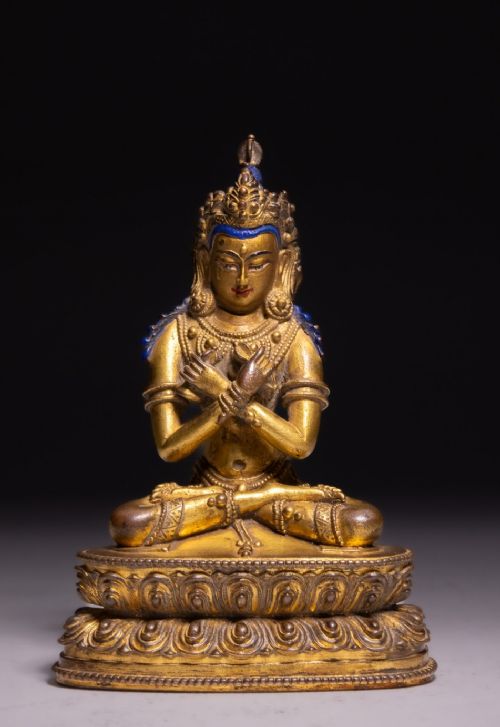
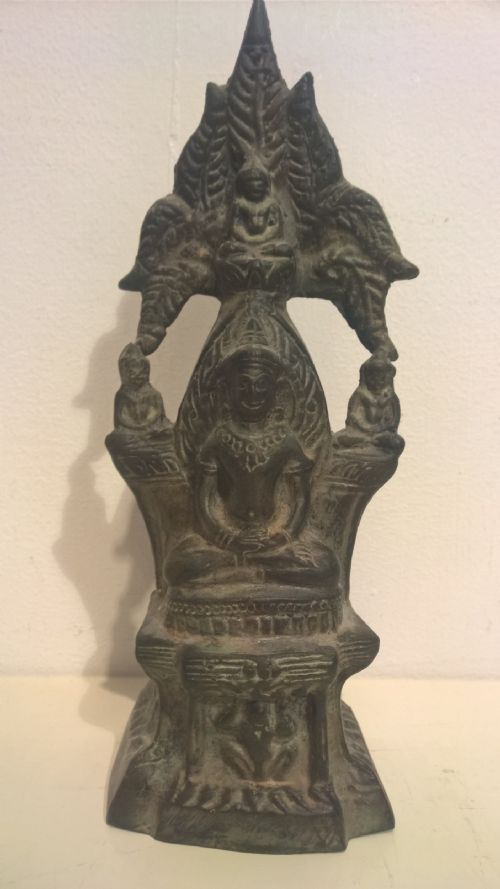
A seated bronze buddha depicts the enlightened figure in meditative posture, commonly taking forms such as Shakyamuni, Green Tara, Jambhala, Vajradhara, Guanyin, Rakan, or Avalokitesvara. The inventory spans regional idioms including Sino-Tibetan, Tibetan, Burmese Mandalay, traditional Chinese, Javanese Buddhist, Rattanakosin, and Gandharan styles.
Pieces range from pre-sixteenth century examples through the sixteenth, eighteenth, and nineteenth centuries into the early twentieth century. Sculptures appear both as standalone figures and as deities seated within lotus flower bases or upon lion thrones.
How they were made
Makers utilised bronze, cast metal, copper alloy, gilt bronze, and gilt metal, often pairing these foundational metals with wood, pigment, and mineral inlays. Molten metal was poured using traditional casting methods to shape the figures and their intricate ornamentation.
Seated Bronze Buddha Retail Price Guide 2026
Typical asking prices for seated bronze buddha among the pieces listed under this phrase on Sellingantiques today, from the lower quarter to the upper quarter. They describe what is for sale here now, not the wider market.
Listings feature bronzes spanning from pre-sixteenth century work through the eighteenth and nineteenth centuries to early twentieth-century examples.
What varies in quality
The preservation of original surface treatments, such as applied pigment, mineral inlays, and gilding, elevates the visual depth and historical integrity of the piece.
The Seated Bronze Buddha Glossary
- Bhumisparsha mudra
- The earth-touching gesture, where the right hand reaches down to touch the ground as a witness to enlightenment. This mudra is frequently seen on Burmese and Thai figures.
- Gilt bronze
- Metal coated with a thin layer of gold or gold amalgam. This finish adds a luminous surface to figures from Tibetan and Sino-Tibetan traditions.
- Bodhisattva
- An enlightened being who delays nirvana to help others. Figures such as Guanyin, Green Tara, and Avalokitesvara belong to this classification.
- Mineral inlays
- Small stones or minerals set into the bronze casting to adorn jewellery, crowns, or sacred focal points. They provide colour and textural contrast against the metal.
Seated Bronze Buddha: Frequently Asked Questions
How do I identify a Tibetan bronze buddha?
Tibetan bronzes often feature distinct regional styling, such as elaborate jewellery, lotus bases, and sometimes mineral inlays or gilding.
They reflect the Vajrayana Buddhist tradition, frequently depicting deities like Green Tara or Vajradhara alongside the historical buddha.
What is a Burmese Mandalay buddha?
A Burmese Mandalay buddha originates from Myanmar and typically displays serene facial expressions with distinct cranial protuberances and flowing robes.
These pieces often date to the nineteenth century and show specific regional casting characteristics.
How should I clean my bronze buddha?
Bronze sculptures require minimal intervention, usually needing only gentle dusting with a soft, dry cloth to protect the patina.
Avoid using water, chemical polishes, or abrasive cleaners, which can strip historic gilding or original pigment.
How do I date an antique bronze buddha?
Dating relies on stylistic analysis of the casting technique, the regional art style, wear patterns, and surviving surface treatments like gilding or pigment.
Pre-sixteenth century pieces differ significantly in proportion and metal composition from nineteenth-century or 1900s examples.