
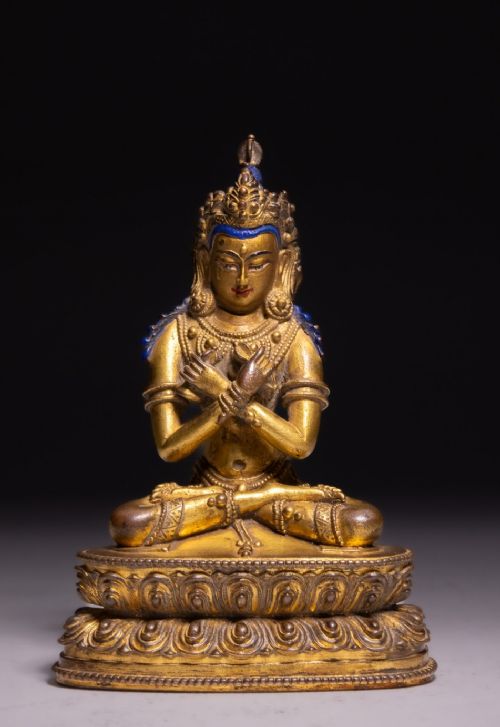
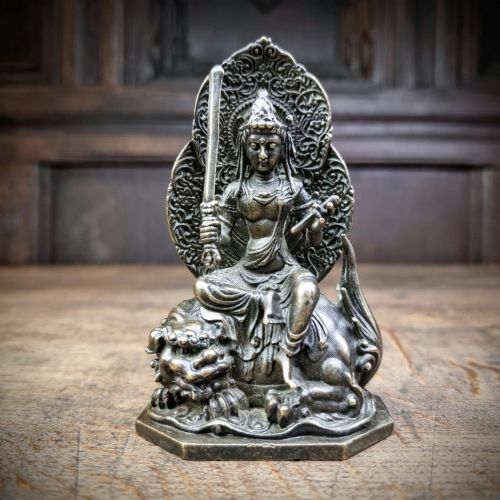


Bronze Buddha Figure
A bronze buddha figure carries centuries of devotion in its cast metal, offering a grounded presence for any room.
Bronze Buddha Figure
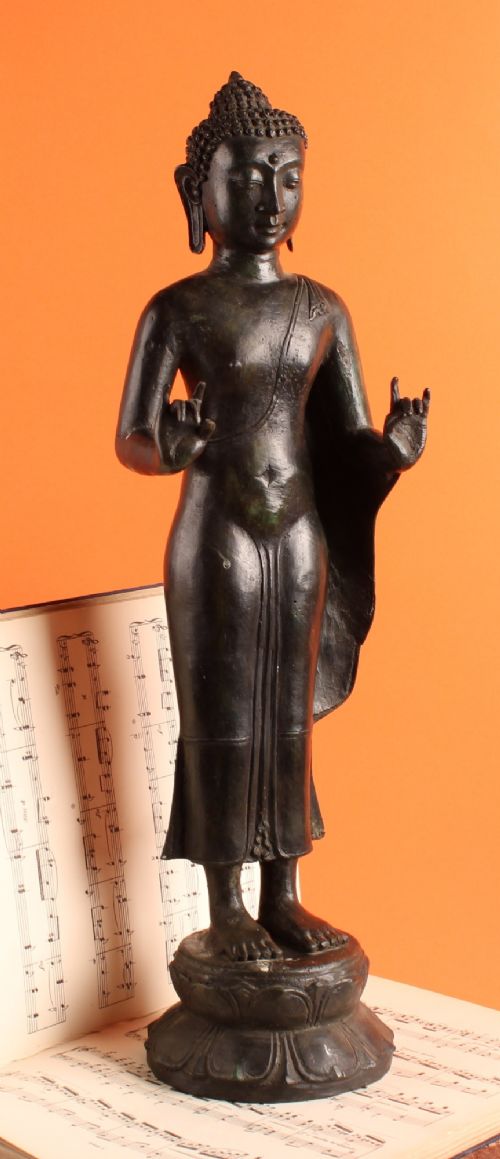
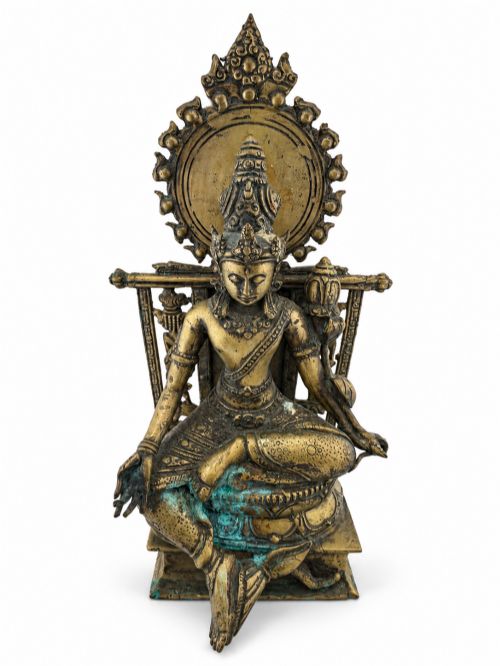
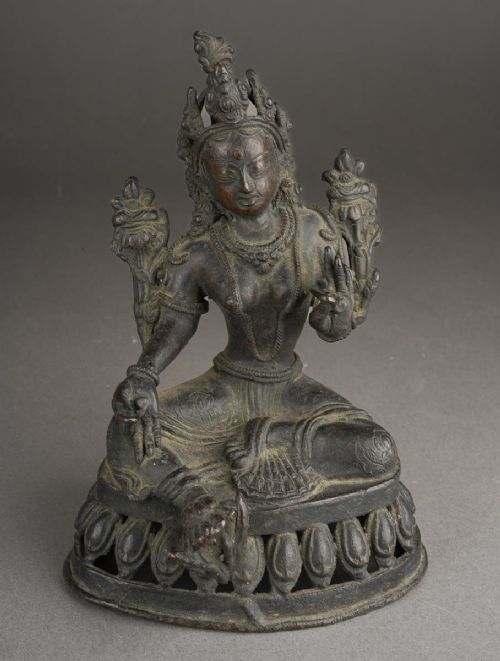
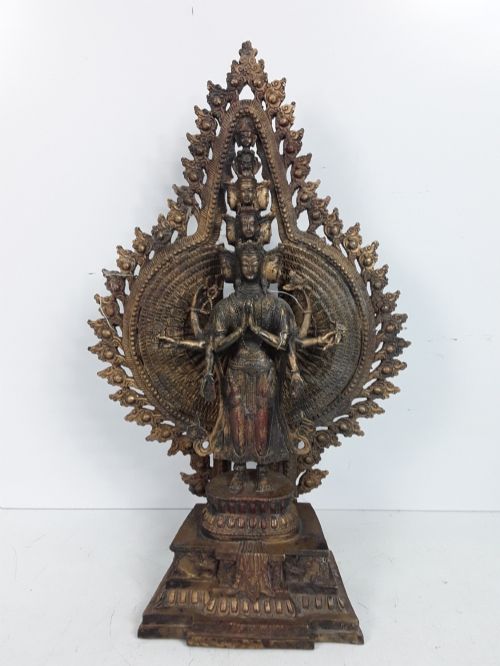
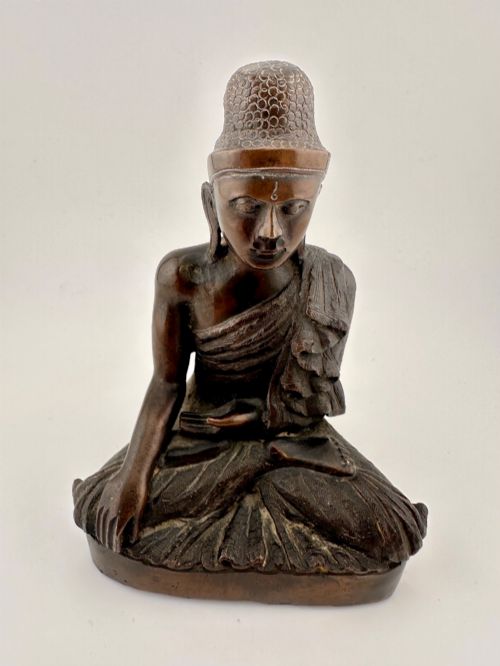
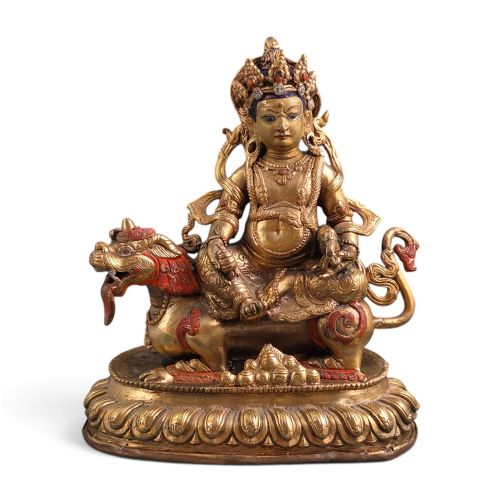
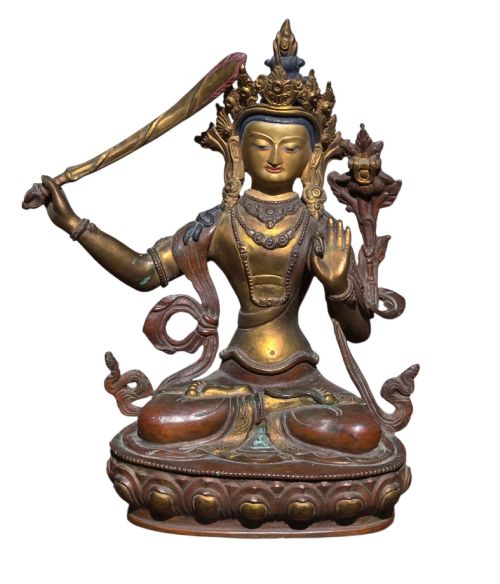
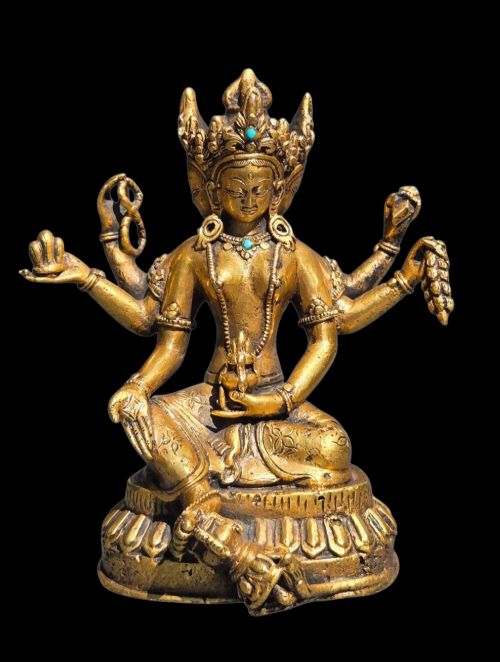
When searching for a bronze buddha figure, buyers encounter sculptural works spanning the sixteenth to the early twentieth centuries, originating from regions such as Tibet, Burma, Thailand, China and Java. These pieces depict revered Buddhist deities, Bodhisattvas and historical figures in various traditional mudras and postures.
The selections on this page lean heavily towards nineteenth-century examples from Southeast Asia and Himalayan traditions, alongside earlier seventeenth and eighteenth-century Sino-Tibetan castings. Forms range from small devotional shrine statues to larger temple sculptures cast in bronze, copper alloy and gilt bronze.
How they were made
Finishing work involved hand-chasing the metal surface to refine the intricate folds of robes and the ornamentation of crowns. Artisans occasionally integrated mineral inlays like turquoise or incorporated wood and silver elements into the final composition.
Several metal laughing buddha statues wait patiently here to bring a lighter, more joyful spirit to the collection.
What varies in quality
The crispness of the casting defines the upper tier of these works, where facial expressions remain serene and garment edges stay sharp despite the passage of time. Softer details and blurred ornamentation often indicate secondary castings or heavy wear.
Surface preservation plays a major role in distinction, with undisturbed original patination or intact fire gilding elevating the character of a piece. Reliquary sealing and the presence of ritual deposits inside the base also distinguish higher-grade ritual sculptures.
The Bronze Buddha Figure Glossary
- Mudra
- A symbolic hand gesture used in Buddhist iconography to convey specific teachings or states of mind. Common examples include the earth-touching gesture and the wheel-turning gesture.
- Bodhisattva
- An enlightened being dedicated to helping others attain liberation before entering nirvana. These figures are typically depicted with elaborate crowns and jewellery.
- Gilt bronze
- Metalwork coated with a thin layer of gold using a mercury amalgamation process or leaf application. This technique imparts a radiant finish that endures across centuries.
- Patination
- The natural or induced coloration on the surface of the metal resulting from age, oxidation and handling. Collectors value stable patinas that show authentic historical wear.
- Lost-wax casting
- A metalworking method where a wax model is rendered into a mould and melted out to create a cavity for molten bronze. This allows for complex forms and undercut details.
Bronze Buddha Figure: Frequently Asked Questions
How do I care for a bronze buddha figure?
Keep the metal dry and dust it gently with a soft, dry brush to protect the surface patination. Avoid using polishes, oils or chemical cleaners that might strip away historical finishes.
Place the sculpture away from direct sunlight and damp environments to maintain the stability of the alloy and any remaining pigment or gilding.
Where were these figures originally displayed?
Many of these pieces stood within domestic shrines, monastic temples or household altars across Asia as focal points for daily meditation and veneration. Larger temple examples often anchored communal worship spaces.
Smaller portable statues travelled with practitioners or served as personal devotional objects within private chambers.
What is the significance of the mudra?
The hand gesture communicates the specific spiritual state or teaching moment represented by the deity. Recognising these gestures helps identify whether the figure portrays a historical teacher or a celestial Bodhisattva.
Certain mudras relate to dispelling fear, granting protection or calling the earth as a witness to enlightenment.