


Chinese Bronze Figure
A chinese bronze figure brings centuries of ritual, myth and scholarship into a room through enduring metalwork.
Chinese Bronze Figure
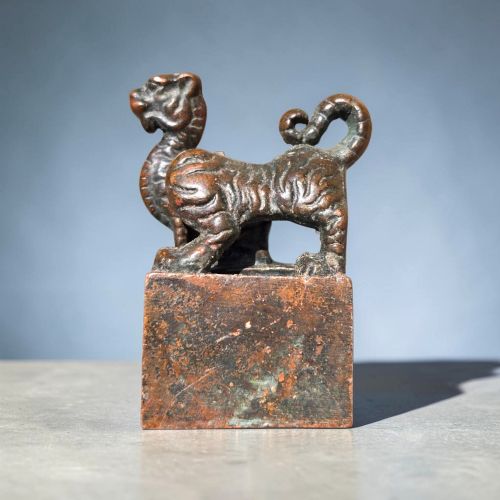
A chinese bronze figure encompasses sculptures, scholar objects and temple ornaments spanning several centuries of Asian metalwork. These pieces range from small desk paperweights and mythical beasts to substantial temple lions and depictions of deities.
The versions most commonly encountered on this page date from the nineteenth and early twentieth centuries, drawing on Qing Dynasty aesthetics and traditional craftsmanship. Alongside these, earlier Ming Dynasty examples occasionally appear, bringing heavier casting and deeper patination.
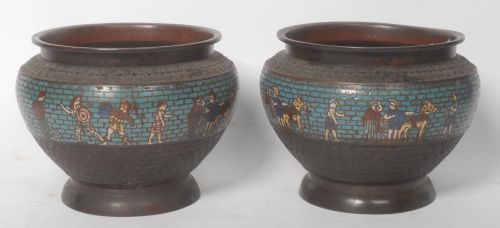
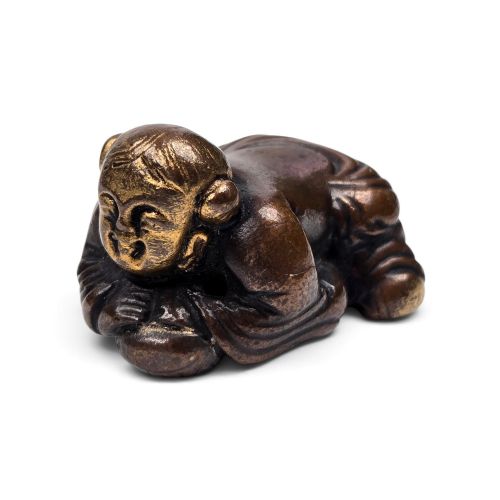
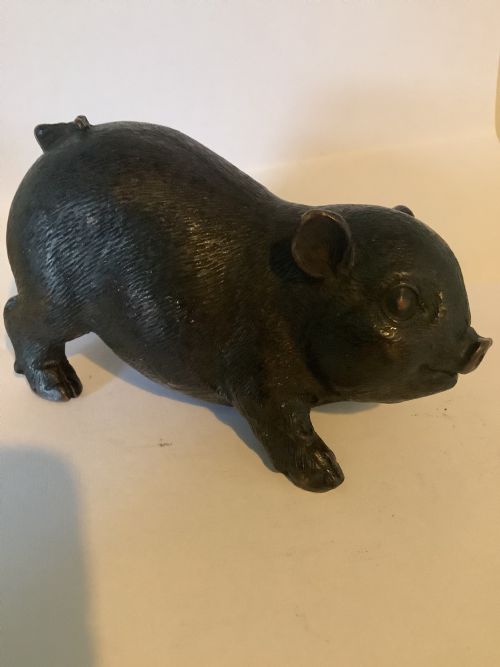
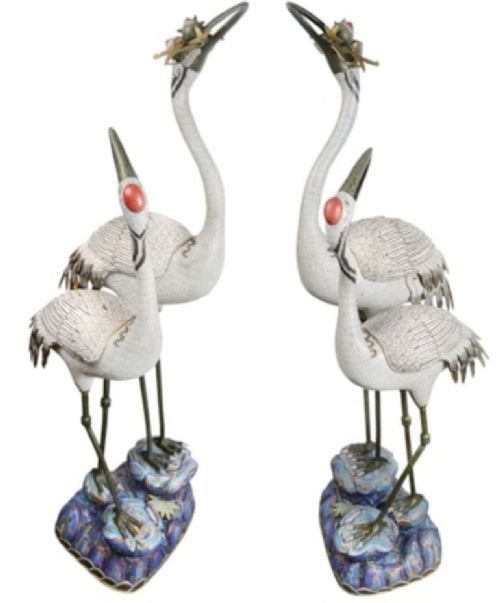
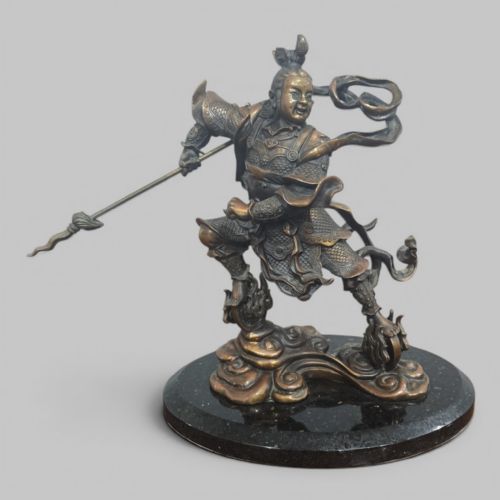
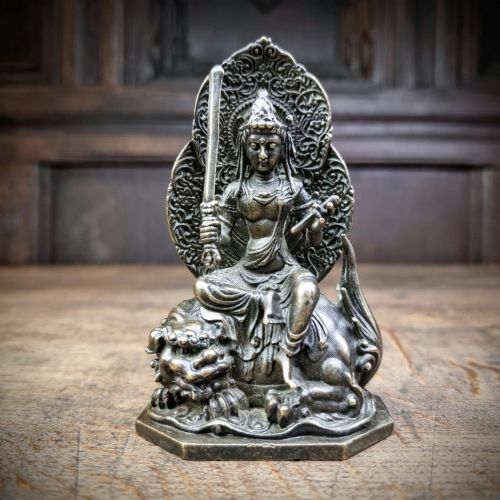
Forms vary widely from religious icons like Guanyin and Buddha to secular subjects such as scholars, warriors and animals including horses, pigs and money toads. Many function as architectural ornaments, cachepots or scholar's desk accessories rather than purely decorative statues.
Assessing quality in bronze sculpture
Quality rests primarily in the crispness of the casting and the finesse of the chasing work applied after the metal cools. Superior pieces display sharply defined facial expressions, intricate drapery folds and well-finished undersides rather than soft or muddy detail.
The integrity of the surface patination and the application of gilding or enamel determine the visual success of the piece. Hand-applied details that integrate smoothly with the underlying metal indicate superior craftsmanship compared to rushed finishing.
Chinese Bronze Figure Retail Price Guide 2026
Typical asking prices for chinese bronze figure among the pieces listed under this phrase on Sellingantiques today, from the lower quarter to the upper quarter. They describe what is for sale here now, not the wider market.
Listings feature items ranging from the sixteenth-century Ming Dynasty up to the 1930s, including both secular scholar pieces and religious icons.
The Chinese Bronze Figure Glossary
- Patina
- The surface sheen and colour developed by bronze over time through oxidation and handling. A rich patina often indicates considerable age and original environmental exposure.
- Guanyin
- The bodhisattva of compassion frequently depicted in Chinese sculpture. These figures typically show serene expressions and elaborate flowing robes.
- Cloisonne
- An enamelwork technique where thin metal wires form compartments on the bronze surface to hold coloured paste. Firing fuses the enamel into decorative patterns.
- Scholar object
- Items created for the desk of a traditional Chinese scholar, including paperweights, brush rests and small bronze figures intended to inspire contemplation.
- Foo dog
- A popular Western term for guardian lions traditionally placed outside temple gates to ward off evil spirits. These powerful figures usually appear in male and female pairs.
Chinese Bronze Figure: Frequently Asked Questions
How do I date a bronze figure?
Dating relies on stylistic markers, casting techniques and the character of the surface metal. Earlier Ming pieces tend to exhibit heavier casting and distinct patination compared to later Qing or twentieth-century works.
Examining wear patterns and construction methods helps distinguish centuries of production. Comparing the piece to documented examples from specific dynasties provides the most reliable timeframe.
What is a scholar object?
Scholar objects are items made for the studio of a traditional Chinese literatus, including desk paperweights, seals and small sculptures. These pieces were designed to aid meditation, writing and scholarly pursuits.
Subjects often included mythical beasts, figures of wise men or auspicious animals. Their compact size allowed scholars to handle them frequently during study.
How should I clean bronze figures?
Maintenance requires only gentle dusting with a soft, dry cloth to preserve the historical surface. Water, oils and chemical cleaners can damage delicate patination or remove historic wax layers.
Leaving the surface undisturbed maintains the natural ageing process valued by collectors. Professional conservation is only necessary if active corrosion appears.
Are these pieces solid bronze?
Composition varies between solid-cast metal and hollow construction depending on the scale and purpose of the sculpture. Smaller desk items and paperweights are frequently solid cast for satisfying weight.
Larger temple lions and statues are typically hollow cast to manage weight and material cost. Both methods represent traditional foundry practices across different periods.
What do guardian lions symbolise?
Guardian lions, often called temple lions or foo dogs, serve as protective symbols for sacred spaces and homes. They traditionally stand in pairs representing yin and yang energies.
The male typically rests a paw on an embroidered ball while the female restrains a playful cub. Placing them near an entrance reflects centuries of protective architectural tradition.