
Oriental Bronze Sculpture
When you search for oriental bronze sculpture, you encounter figures and animals cast across Asian traditions from the sixteenth century to the mid-twentieth century.
Oriental Bronze Sculpture
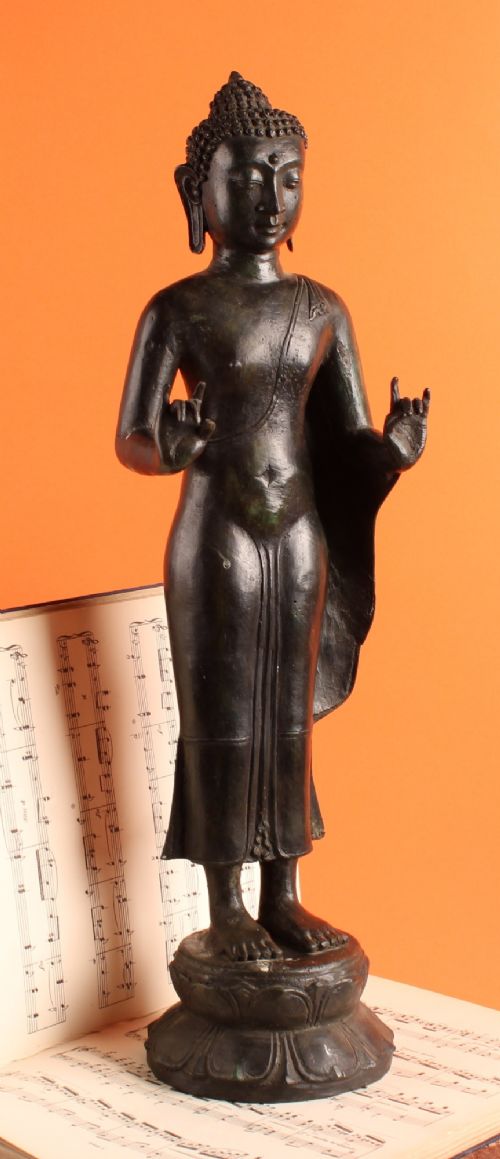
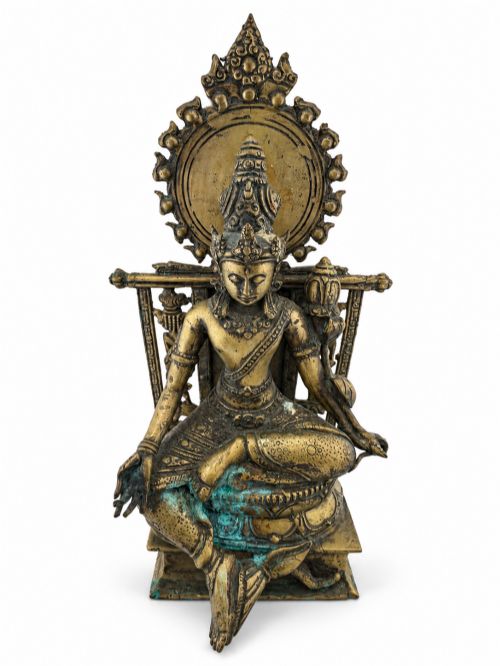
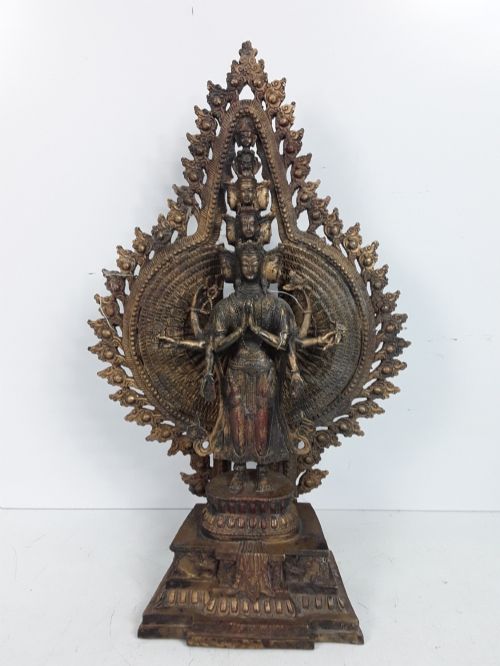
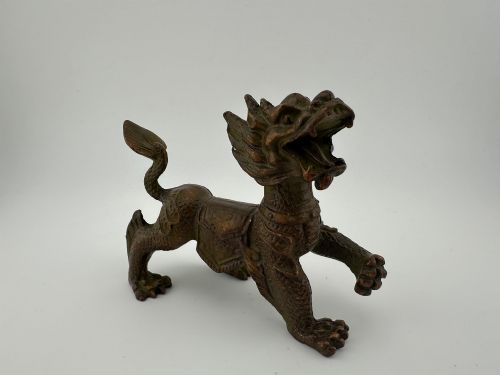
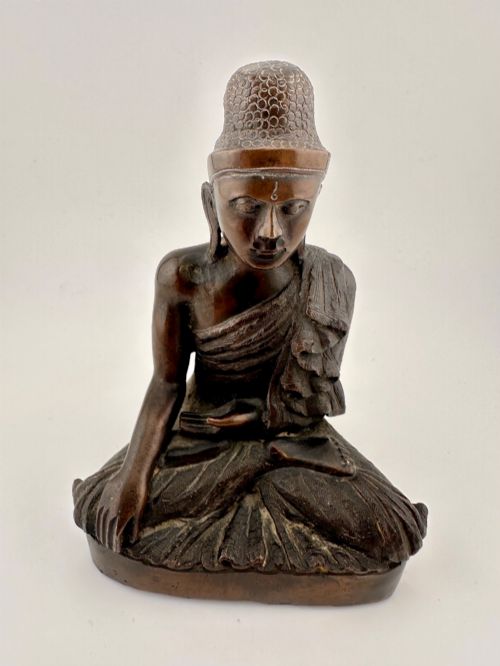
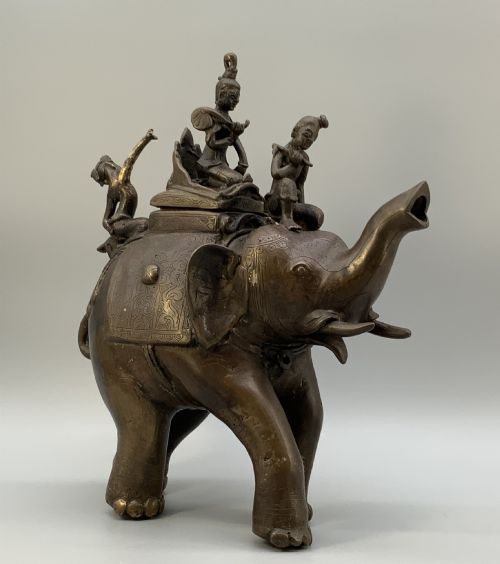
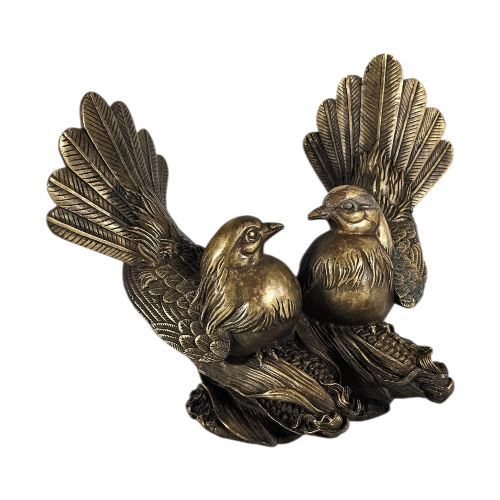
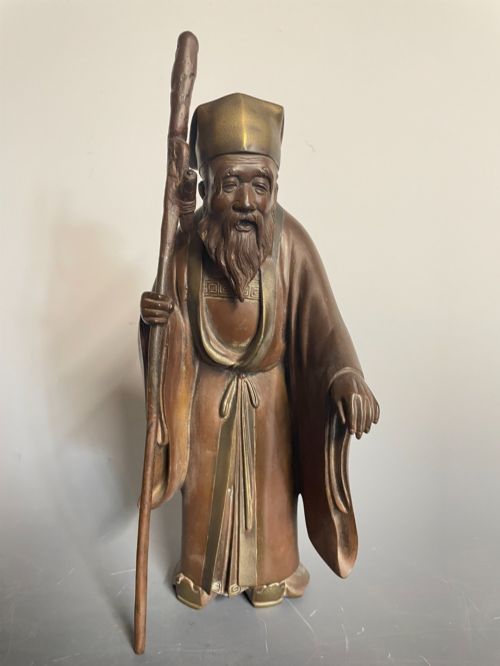
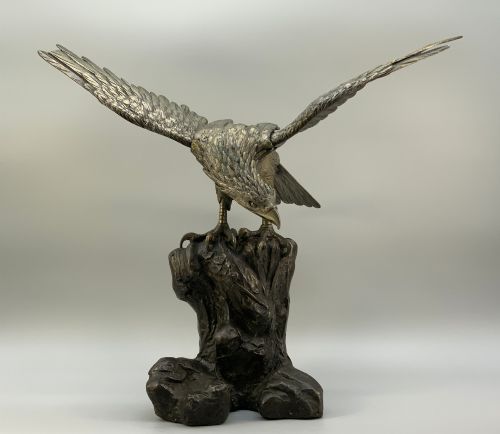
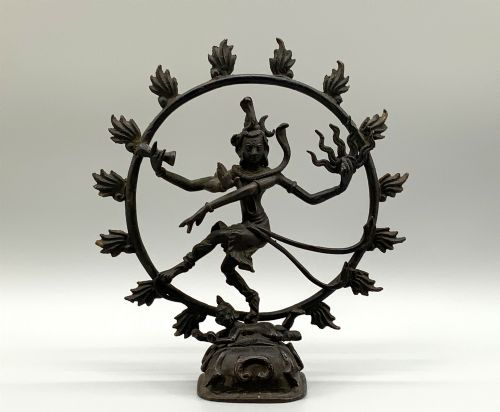
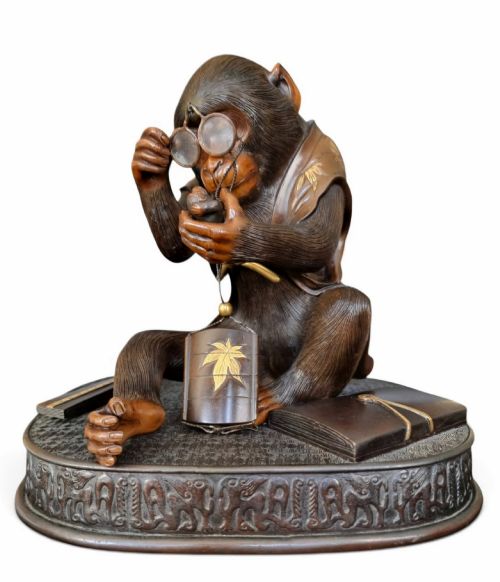
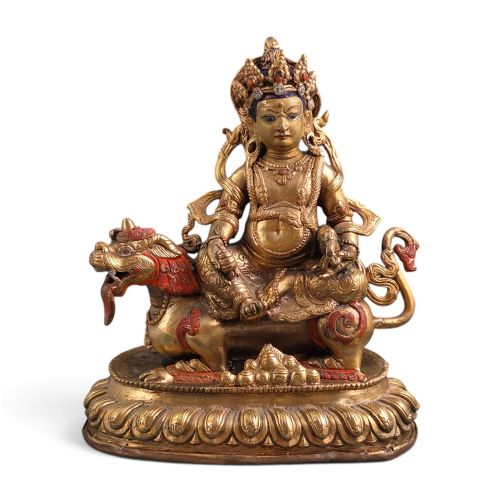
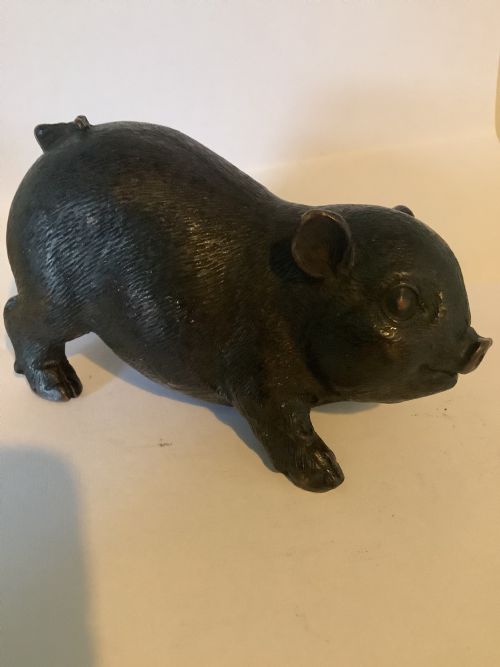
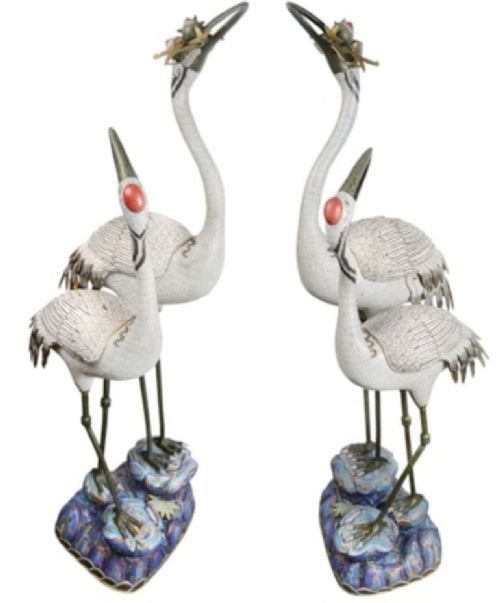
Oriental bronze sculpture encompasses a wide range of forms originating from Japan, China, Tibet, India, Burma, Thailand, and Vietnam, reflecting centuries of diverse cultural production. The selection spans religious deities such as Buddhas, Green Tara, and Shiva Nataraja, alongside secular okimono, mythical beasts, and animal figures including elephants, eagles, and hawks.
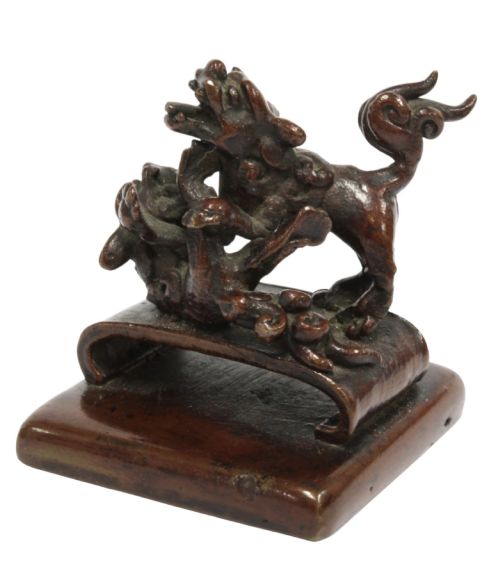
You are most likely to meet Meiji period Japanese bronzes and nineteenth-century Buddhist figures from various Himalayan and Southeast Asian traditions on this page. These pieces range from small scholar's seals and desk paperweights to large garden dragons and multi-figure animal groups.
Forms vary from serene seated deities with intricate mudras to dynamic studies of wildlife, such as elephants fighting tigers or hawks perched on craggy rocks. Each region brings distinct stylistic conventions, whether the naturalistic observation of Japanese metalwork or the ritual iconography of Sino-Tibetan shrines.
How they were made
The majority of these works employ the lost-wax casting technique, allowing artisans to achieve intricate detail in solid-cast or hollow forms. Selected pieces incorporate fire-gilding, where a gold-and-mercury amalgam is applied and heated to bond with the metal surface, creating a lasting golden sheen.
Surface finish is achieved through patination, utilising chemical treatments or natural weathering to produce deep brown, black, or greenish tones. Many Japanese Meiji period examples further integrate mixed-metal elements, adding contrasting alloys, inlay, pigment, or ivory details to heighten visual texture.
Oriental Bronze Sculpture Retail Price Guide 2026
Typical asking prices for oriental bronze sculpture among the pieces listed under this phrase on Sellingantiques today, from the lower quarter to the upper quarter. They describe what is for sale here now, not the wider market.
Materials span patinated bronze, gilt bronze, brass, copper, wood, ivory, and pigment across multiple Asian origins.
What varies in quality
Artistic ambition and anatomical proportion distinguish ordinary production pieces from masterworks created by named artists and established foundries. The complexity of the composition, such as balanced multi-figured animal groups or intricately detailed drapery on deities, marks the upper tier of the range.
Jomi Eisuke·Kaniya Kuniharu·Kunio Itô·Sakai Kōzan
The Oriental Bronze Sculpture Glossary
- Okimono
- A Japanese display piece designed for placement in an alcove or on a cabinet, typically depicting animals, figures, or mythical subjects. These sculptures focus on naturalistic observation and narrative detail.
- Mudra
- A symbolic or ritual gesture used in Buddhist iconography, executed with the hands and fingers. Each specific mudra conveys a particular teaching, state of mind, or aspect of a deity.
- Shishi
- A mythical lion-dog guardian figure derived from Chinese tradition, frequently depicted with swirling mane and muscular form. They often appear protecting doorways, seals, or sacred spaces.
- Lost-wax casting
- A metalworking process where a molten metal is poured into a mould that has been created by means of a wax model. Once the metal cools, the wax mould is melted and drained away.
- Patinated bronze
- A bronze sculpture treated with chemical solutions to alter its surface colour and texture. This process protects the metal while producing aged or decorative tonal variations.
Oriental Bronze Sculpture: Frequently Asked Questions
What is an okimono?
An okimono is a decorative Japanese sculpture created for interior display rather than religious worship. These pieces frequently depict flora, fauna, or human figures in active, naturalistic poses.
Craftsmen produced them in various sizes to sit upon household surfaces or within traditional display alcoves.
How were Buddhist figures used?
Buddhist figures served as focal points for daily devotion, meditation, and offerings within home shrines or monastic complexes. Worshippers directed prayers and contemplation toward these representations of deities and teachers.
Their iconography adhered to strict traditional rules to ensure spiritual efficacy and correct religious symbolism.
What is mixed-metal work?
Mixed-metal work involves combining different metallic alloys, such as copper, silver, and shakudo, within a single decorative object. Artisans utilised these varied colours to create pictorial contrast and highlight specific details.
This technique gained prominence during the Meiji period in Japanese metalwork and decorative arts.
How do I distinguish regional styles?
Regional styles reveal themselves through distinct iconography, posture, and garment treatment unique to each culture's artistic heritage. Himalayan and Tibetan bronzes emphasise sacred proportions and ritual attributes, while Japanese works often prioritize naturalistic animal behaviour and movement.
Examining the casting methods and base materials further clarifies the geographical origin of a piece.