


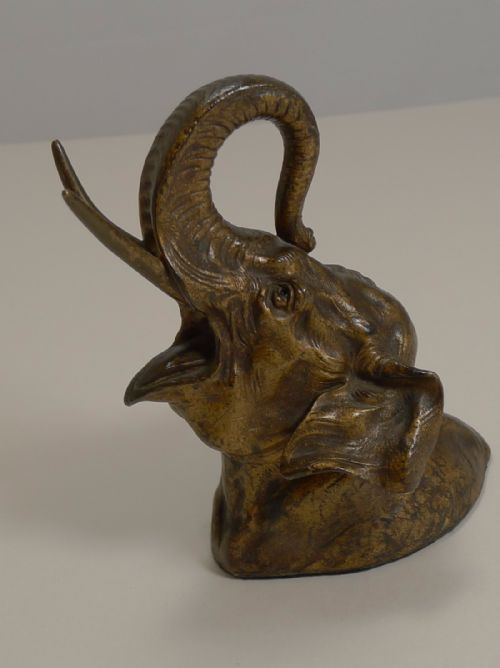
Bronze Elephant Sculpture
A bronze elephant sculpture brings character and substance to a room, cast in solid metal with enduring presence.
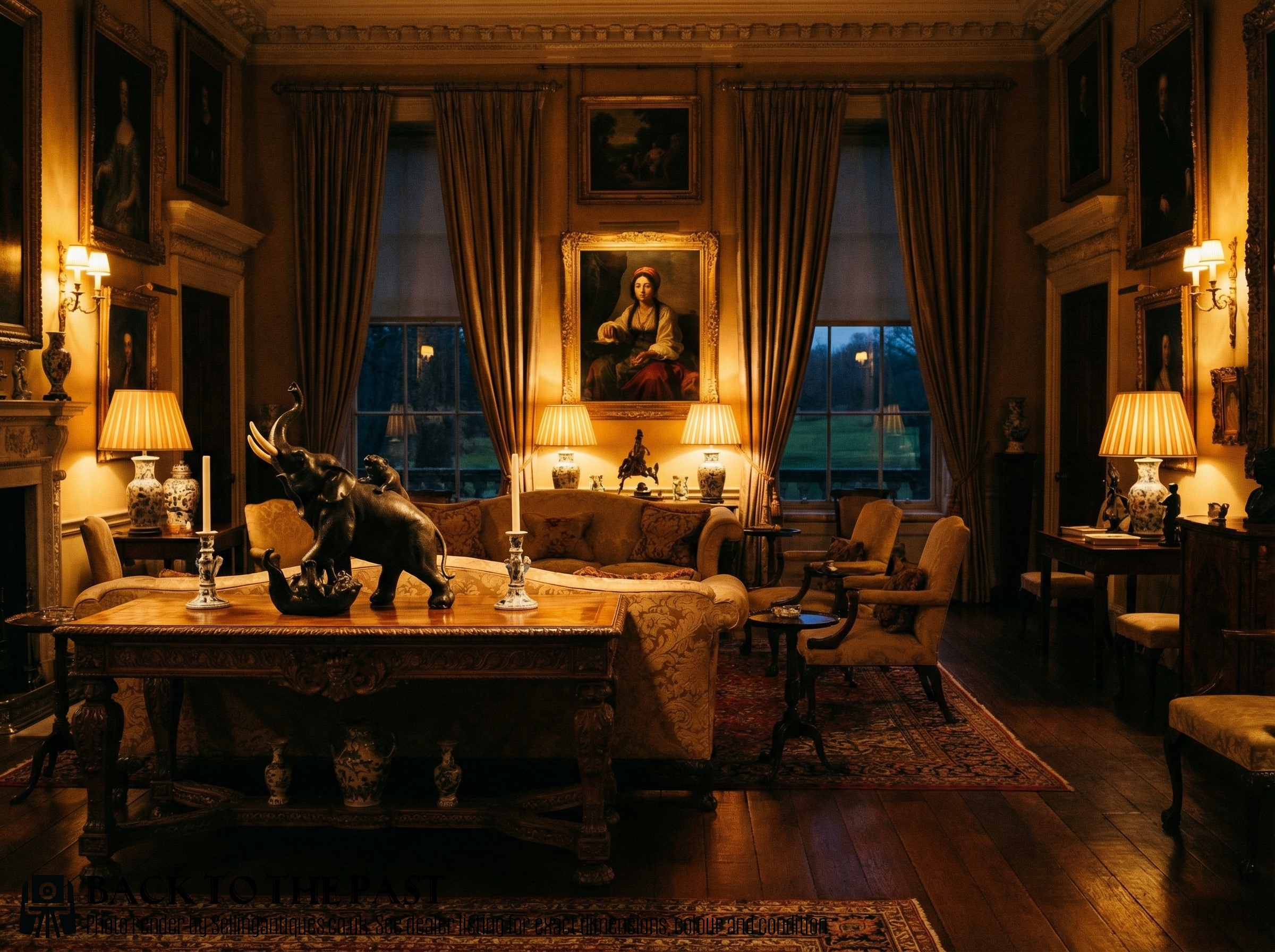
Understanding bronze elephant sculpture
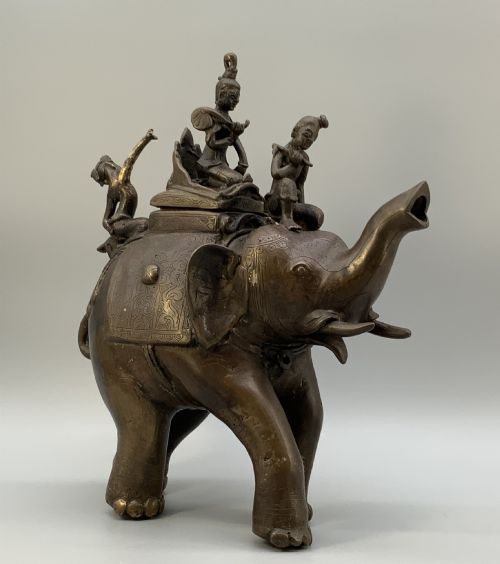
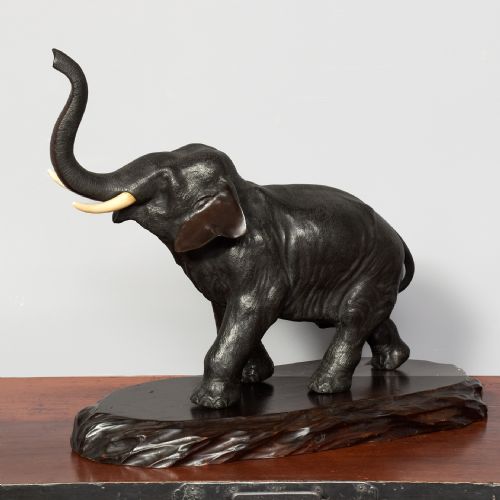
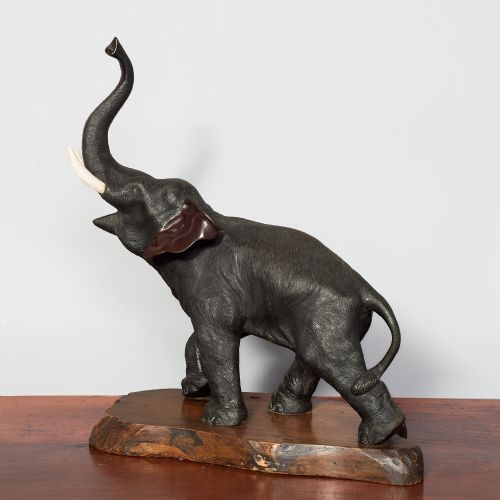
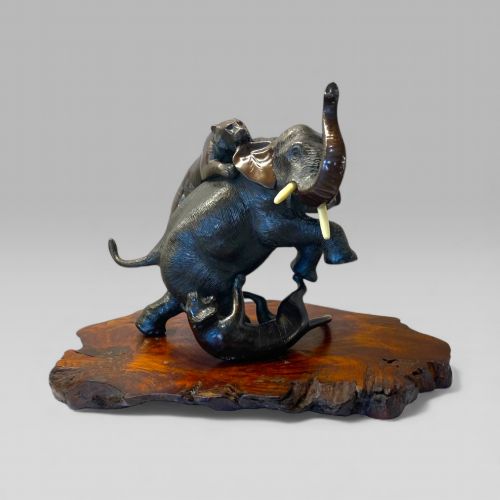
A bronze elephant sculpture represents a significant tradition of animalier art and decorative casting from the nineteenth and early twentieth centuries. These works range from Japanese Meiji period okimono and dynamic studies of combat to Indian engraved figures and European figural inkwells.
The pieces on this page span the nineteenth century, the Meiji period, and the early twentieth century, reflecting diverse cultural approaches to depicting the animal. Buyers encounter large scale sculptures complete with riders, narrative groups featuring tigers, and functional desk pieces.
Originating from distinct international workshops and European studios, these sculptures highlight both naturalistic observation and traditional ornamentation. Each object demonstrates the specific sculptural vocabulary of its period and maker.
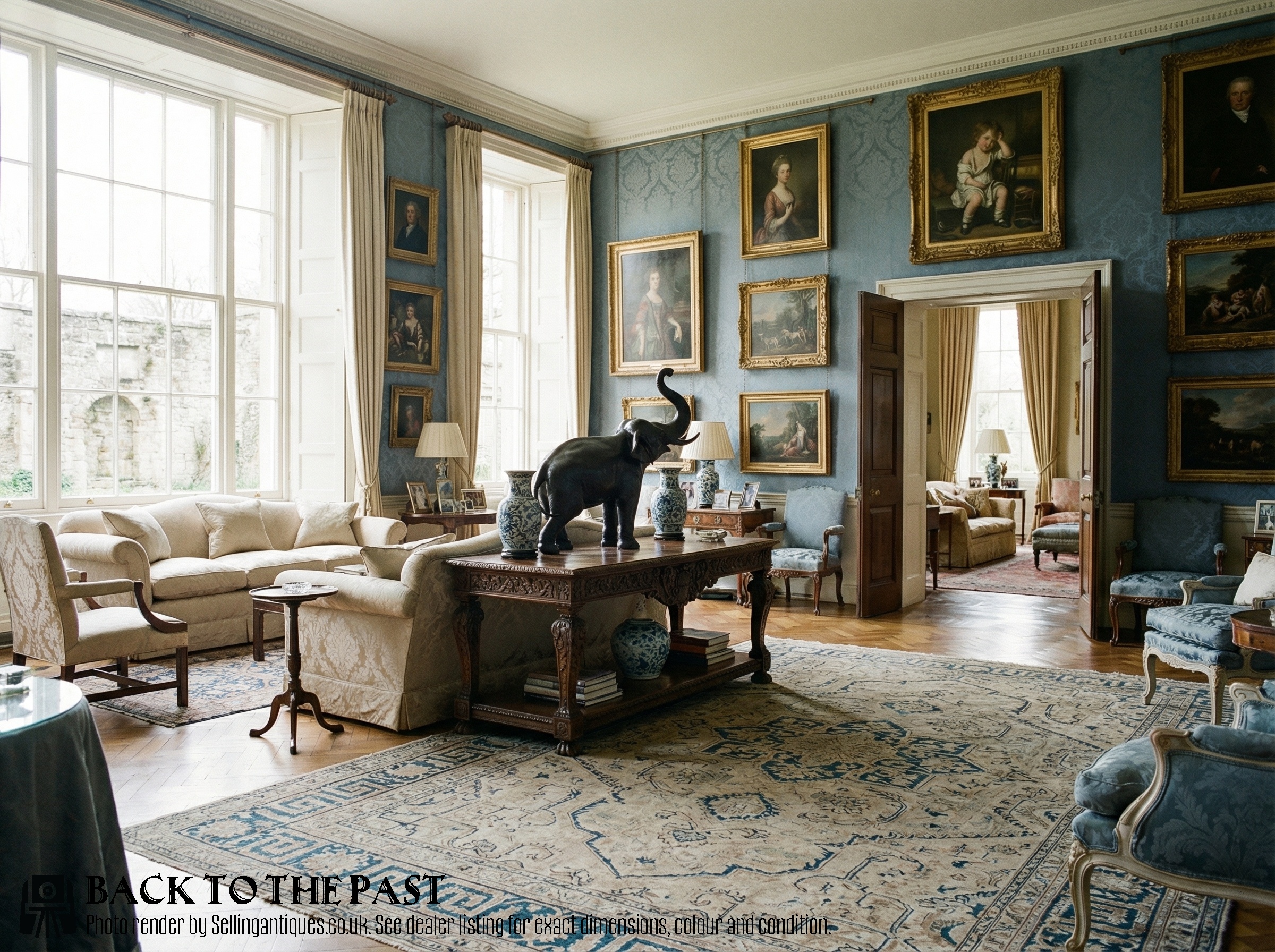
Materials and construction
These pieces are cast in bronze, frequently incorporating mixed media such as ivory, bone, hardwood, and wood for tusks, bases, and accompanying elements. The metalwork involves traditional casting methods capable of rendering fine surface texture, musculature, and engraved patterning.
Detailed chasing and finishing work define the surfaces, whether depicting realistic skin folds or intricate saddle trappings. Supplementary materials like ivory and bone are integrated securely into the bronze structures to create contrast and detail.
Retail Price Guide 2026
Typical UK retail prices for bronze elephant sculpture, calculated from the Sellingantiques database of over a million retail prices indexed since 2003. This retail price guide relies exclusively on Sellingantiques data; no external sources or auction records are used, so the figures do not describe the wider market.
Object types documented in the inventory include sculptures and inkwells, spanning Japanese Meiji, Indian, and French origins.
Assessing quality and execution
Quality in these sculptures rests upon the finesse of the casting and the crispness of the surface detail, distinguishing spirited studies from routine production. The anatomy of the animal, the tension in narrative groups, and the integration of mixed media elements dictate the distinction of a piece.
The sophistication of the engraving and the naturalism of the base work separate exceptional examples from simpler items. The presence of documented maker signatures or distinct period characteristics further establishes the standing of an individual work.
The Bronze Elephant Sculpture Glossary
- Bronze
- An alloy of copper and tin utilised for durable, detailed metal casting. It develops a rich patina over time.
- Okimono
- A Japanese decorative object designed for display on a shelf or tokonoma cabinet during the Meiji period.
- Meiji Period
- The era in Japanese history spanning from eighteen sixty-eight to nineteen twelve, known for exceptional metalwork and ivory carving.
- Inkwell
- A small desk accessory holding liquid ink, sometimes formed as a figural sculpture with a hinged lid.
- Patina
- The surface sheen and colour acquired by bronze through age and handling, prized by collectors for its depth.
Frequently Asked Questions
How do I date a bronze elephant sculpture?
Dating relies on stylistic markers, period attribution, and materials such as ivory or hardwood bases. Meiji period works often display specific casting traits associated with Japanese workshops of the late nineteenth century.
European pieces from the early twentieth century follow different aesthetic conventions, such as the figural designs seen in French desk accessories.
What materials are found alongside the bronze?
Many Japanese and Indian examples incorporate ivory or bone for tusks and details. Hardwood and natural wood are also utilised to form naturalistic bases or structural elements.
These mixed media components are integrated directly into the metal casting to complete the sculptural composition.
Where were these sculptures made?
The pieces originate from Japan during the Meiji period, nineteenth century India, and European studios such as France. Each region employed distinct artistic traditions, from detailed okimono studies to engraved ceremonial figures.
Geographic origin heavily influences the decorative style and overall subject matter of the sculpture.
How should I display my sculpture?
Place the sculpture on a stable surface away from direct heat and strong moisture fluctuations to protect mixed media components like ivory and wood. Stable indoor environments preserve the natural bronze patina over time.
Ensure large or heavy pieces have adequate support, particularly those mounted on naturalistic bases.