


Bronze Elephant Figure
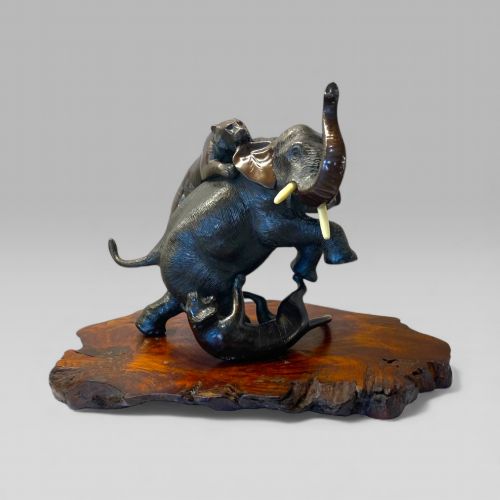
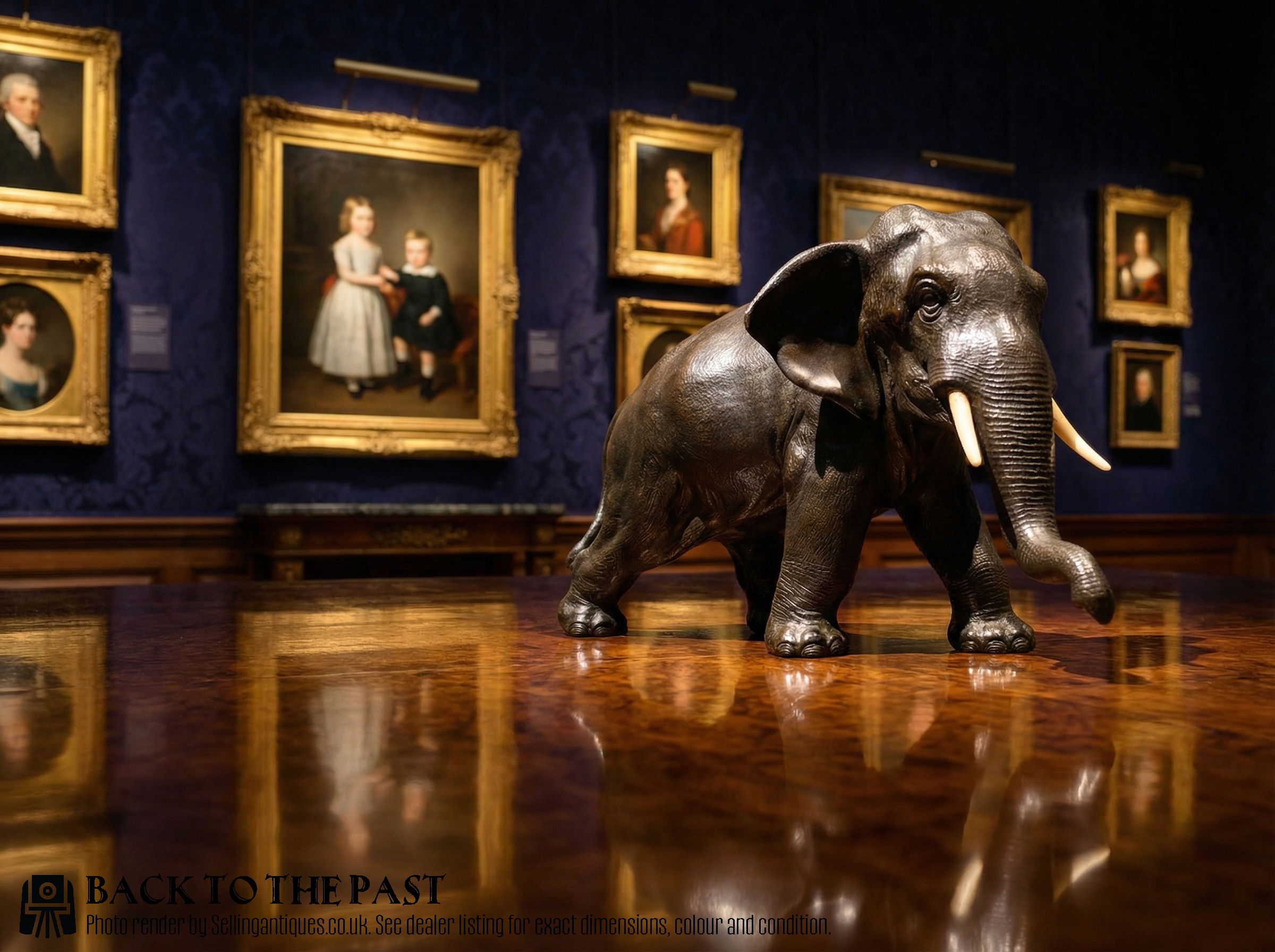
A bronze elephant figure brings heavy sculptural presence to a room, cast in solid metal with remarkable detail from trunk to tail.
Bronze Elephant Figure
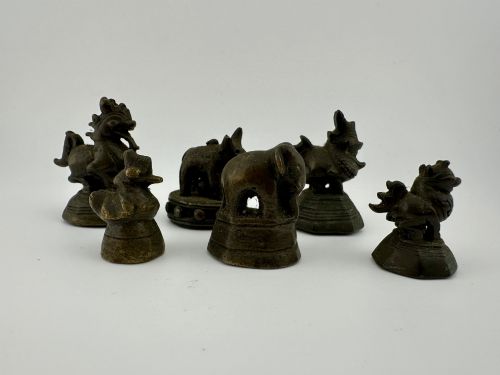
When you search for a bronze elephant figure, you encounter solid metal sculptures cast in distinct regional traditions. The selections span Japanese Meiji works, Southeast Asian animal trade weights, and Indian examples with riders.
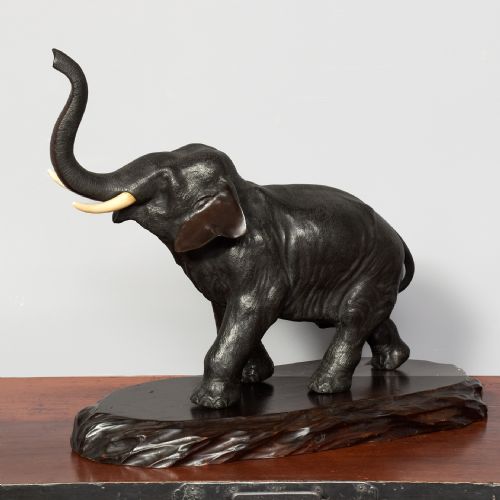
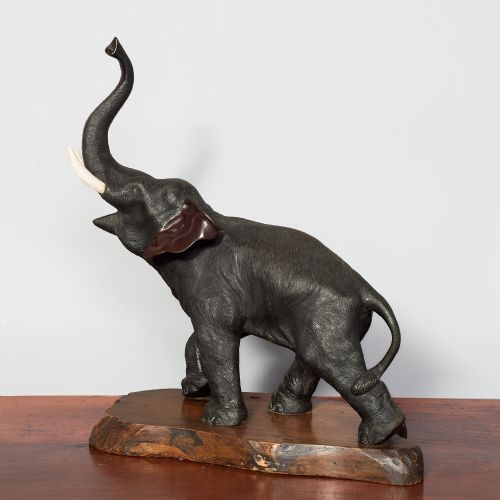
You are most likely to meet Japanese Meiji period pieces on this page, often modelled as standing animals or dramatic scenes involving other creatures. These range from modest figures to very large okimono.
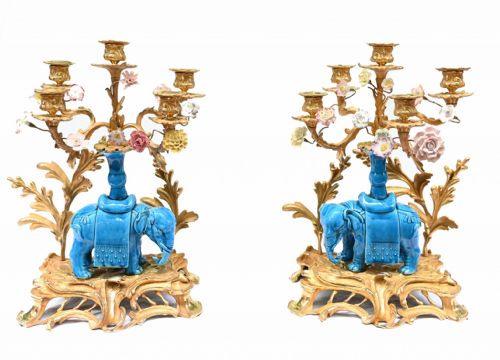
The forms extend beyond single sculptures to include Burmese and Thai opium weights shaped as animals, alongside larger Indian animal figures and European interpretations.
Materials and construction
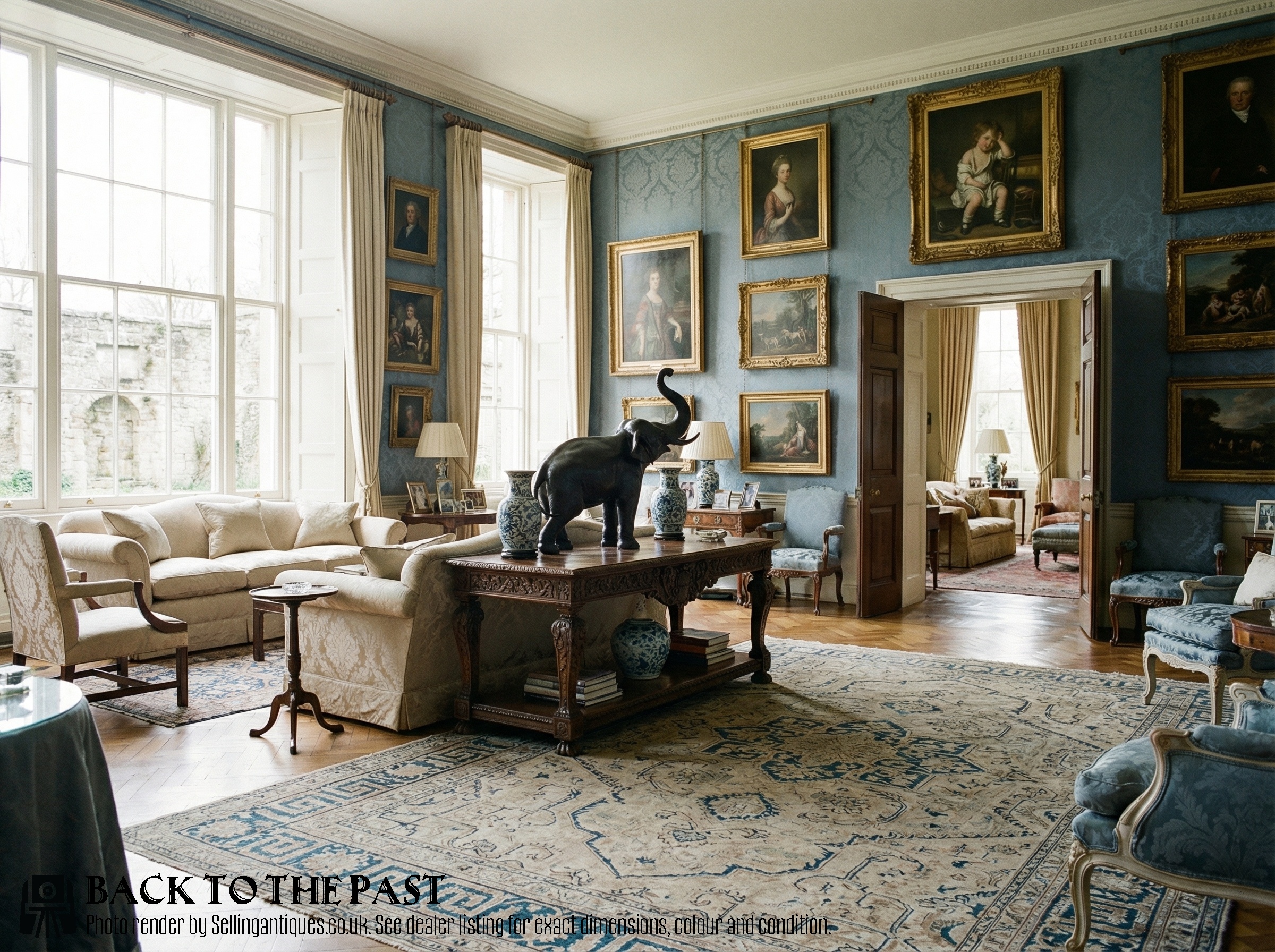
These pieces rely primarily on cast bronze, frequently paired with contrasting materials such as bone and ivory for tusks. Selected Japanese examples incorporate inlaid details like diamond eyes.
Certain Southeast Asian and Indian figures feature engraved surface decoration to denote harness work and caparisons, while others are set upon naturalistic bases or carved hardwood mounts.
Some elephants face determined tigers while others simply carry trade weights, proving that miniature bronze pachyderms have very varied workloads.
Assessing quality and execution
Quality rests upon the fidelity of the casting and the crispness of the chasing across the hide and musculature. Stronger examples display sensitive modelling that captures the weight and movement of the animal.
The presence of intact organic elements such as ivory tusks or original signed work elevates an example, as does dynamic action within the composition rather than a static stance.
Tsunemitsu 常光·Georges Omerth
The Bronze Elephant Figure Glossary
- Okimono
- A Japanese term for a freestanding decorative ornament intended for display in a tokonoma or cabinet. These sculptures were produced in large numbers during the Meiji period.
- Opium weight
- A traditional Southeast Asian cast metal weight, often formed as an animal such as an elephant, used historically for trade and commerce. They were cast in graduated sets known by local units like the tical.
- Chryselephantine
- A term describing a sculpture combining bronze with ivory or bone. This technique is frequently seen in figures where flesh is rendered in metal and extremities or tusks in pale organic material.
- Tical
- A traditional unit of currency and weight used in Southeast Asia. Burmese and Thai trade weights correspond to these standard measures.
Bronze Elephant Figure: Frequently Asked Questions
How do I clean a bronze elephant?
Dust the surface gently with a soft, dry brush to prevent dirt accumulation in the crevices and engraved lines. Avoid using harsh chemical polishes that can strip the historic patina.
Apply a very light coat of microcrystalline wax if the metal requires protection, but leave aged patination intact as it defines the character of the piece.
Were these figures made as toys?
These pieces were produced strictly as decorative ornaments, fine sculptures, or functional trade objects rather than playthings. Japanese okimono served as interior art for display.
Trade weights performed a practical role in 19th-century commerce across Burma and Thailand before entering collections as cabinet curiosities.
How do I identify a Meiji period piece?
Meiji period bronzes typically exhibit meticulous attention to anatomical detail, skin texture, and realistic posture. Many examples from this era are substantial in weight and may feature artist signatures.
They often incorporate naturalistic bases or dramatic narrative elements, such as the animal interacting with other wildlife.
Can I display these outdoors?
These sculptures are designed exclusively for interior display on furniture, desks, or dedicated stands. Exposure to moisture, rain, and fluctuating outdoor temperatures damages the metal and any organic components like ivory.
Keep them away from direct sunlight and heat sources to preserve the wood mounts, bone tusks, and historic surface finishes.