


Dark Bronze Elephant
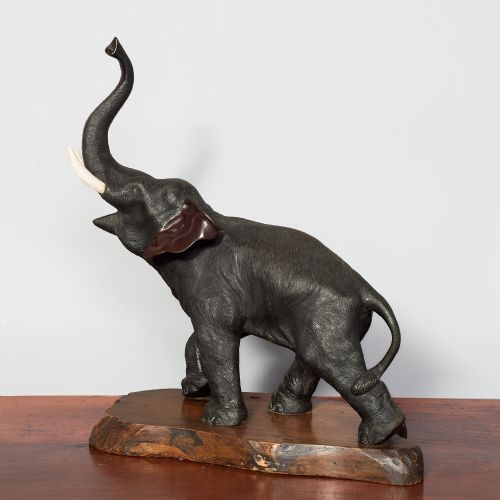
These dark bronze elephant figures range from Japanese Meiji period okimono to Indian sculptures and Chinese censers, bringing centuries of skilled metalwork into your home.
Dark Bronze Elephant
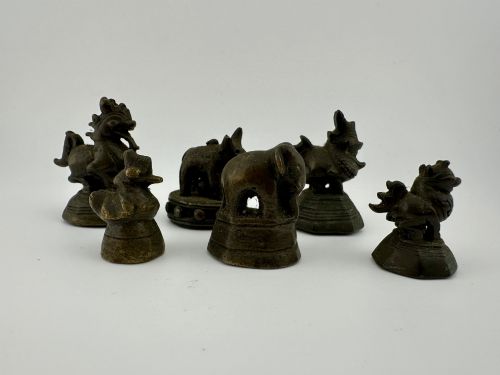
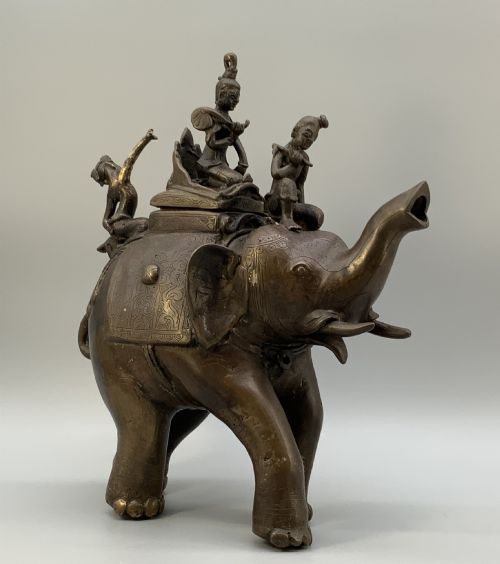
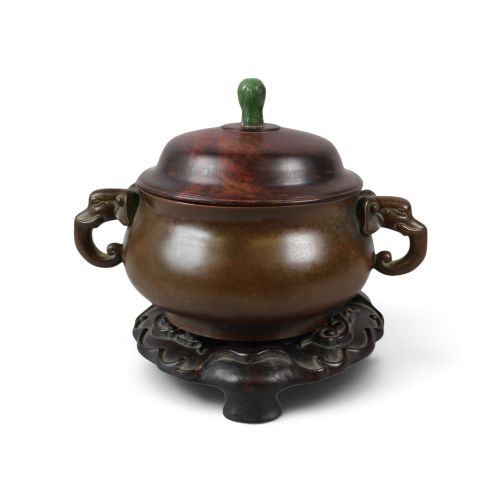
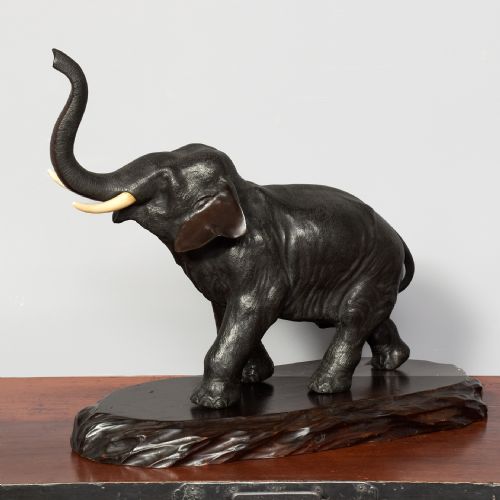
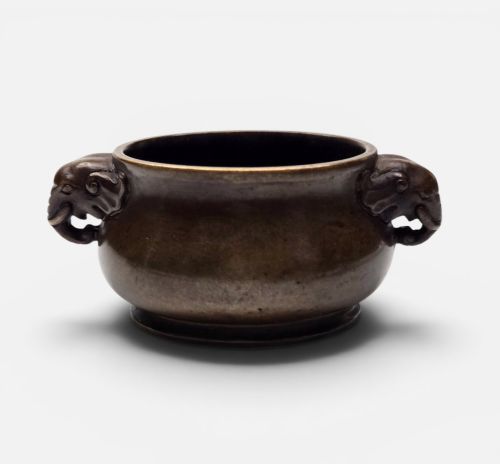
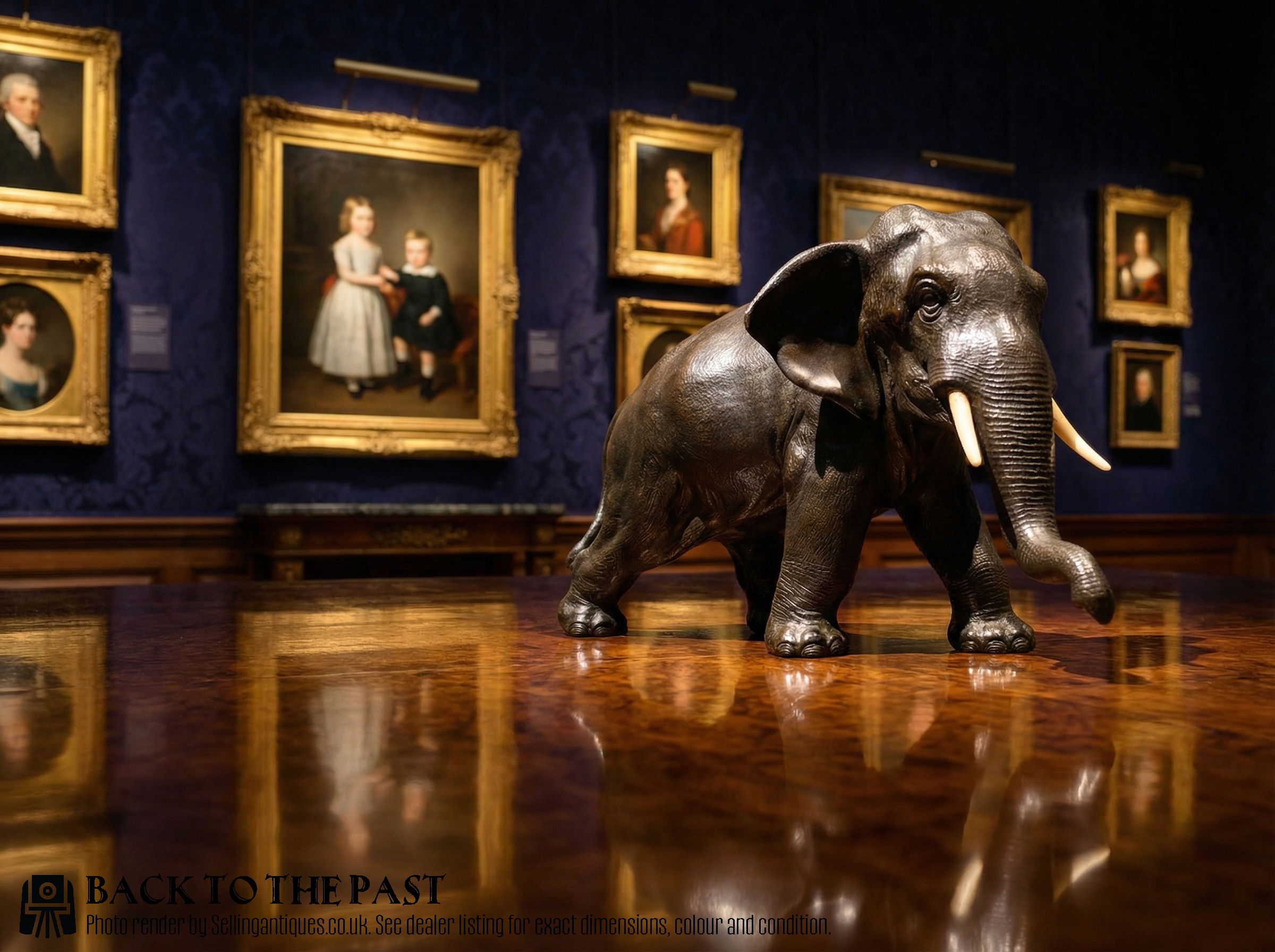
A dark bronze elephant search reveals an international selection of metalwork, with Japanese Meiji period examples forming the majority of the pieces you encounter here alongside Indian sculptures, Southeast Asian trade weights, and Chinese censers.
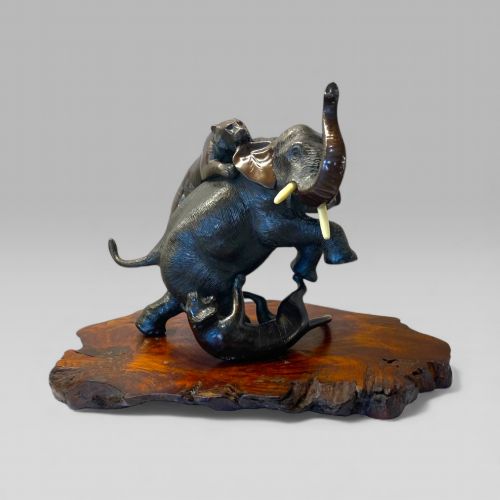
The forms vary widely from realistic studies of elephants fighting tigers to utilitarian vessels like incense burners, vases, and planters that incorporate elephant motifs into their handles or bases.
The material palette extends beyond simple metal to include integrated details in bone, ivory, hardwood, jade, gold, and copper, reflecting diverse craftsmanship across the seventeenth through twentieth centuries.

How they were made
Artisans utilised traditional casting methods to shape the bronze, often combining mixed metals to achieve rich colour variations across the surfaces of the sculptures and vessels.
Fine surface treatment involved hand engraving and careful patination to darken the bronze, creating the deep tones characteristic of these antique animal studies.
Many Japanese Meiji period pieces incorporate delicate organic insertions like ivory tusks or bone elements, fitted securely into the cast metal bodies.
Dark Bronze Elephant Retail Price Guide 2026
Typical asking prices for dark bronze elephant among the pieces listed under this phrase on Sellingantiques today, from the lower quarter to the upper quarter. They describe what is for sale here now, not the wider market.
Japanese Meiji period pieces dominate the bronze elephant listings, alongside nineteenth-century Indian sculptures and Burmese animal trade weights.
What varies in quality
Quality rests in the anatomical precision of the animal form and the crispness of the chased surface details, separating standard decorative casts from masterworks signed by notable founders.
The complexity of the composition influences the standing of a piece, such as multi-figure groups depicting an elephant fighting tigers versus simple static standing models.
The preservation of original supplementary materials, like custom hardwood stands, jade finials, and genuine ivory or bone tusks, elevates the overall integrity of the object.
Tsunemitsu·Genryusai Seiya
The Dark Bronze Elephant Glossary
- Okimono
- A Japanese ornamental statue or sculpture designed for display on a tokonoma alcove or shelf. These small-scale bronze carvings focus on natural subjects and wildlife.
- Censer
- A vessel used for burning incense. Antique examples often feature elaborate lids and handles shaped like elephant heads or mythical beasts.
- Archaistic
- A style in Chinese art that deliberately emulates the forms, motifs, and patination of ancient bronzes from the Shang and Zhou dynasties.
- Mixed metal
- A decorative technique combining different metal alloys such as copper, bronze, and gold to create contrasting colours and surface textures.
- Tical
- A traditional Southeast Asian unit of weight. Animal trade weights cast in bronze from regions like Burma often take the form of elephants.
Dark Bronze Elephant: Frequently Asked Questions
What periods do these bronzes come from?
The listings span several centuries, with the seventeenth-century Ming period and eighteenth-century Chinese pieces representing the earlier end of the scale.
Victoria-era production and the Japanese Meiji period from the late nineteenth into the early twentieth century account for the vast majority of the sculptural works.
How were elephant censers used?
Scholar censers and incense burners served both practical and aesthetic functions in traditional studies and living spaces.
Fragrant resins or woods burned inside the hollow bodies, while the smoke often escaped through cleverly concealed vents or the open trunks of the elephant figures.
Where were Japanese okimono displayed?
These bronze studies were created primarily for interior display on dedicated wooden stands or within traditional Japanese display alcoves.
Collectors placed them where guests could appreciate the fine details of the casting and the dynamic poses from multiple angles.
What are opium weights?
Opium weights are small metal trade weights cast in the forms of animals, including elephants, used in Burma and Thailand for measuring goods.
These functional objects were cast in bronze and formed part of everyday commercial systems before becoming sought-after collector pieces.