


Cast Bronze Elephant
These cast bronze elephant figures and vessels bring remarkable weight and fine detail into a room, spanning centuries of global metalwork.
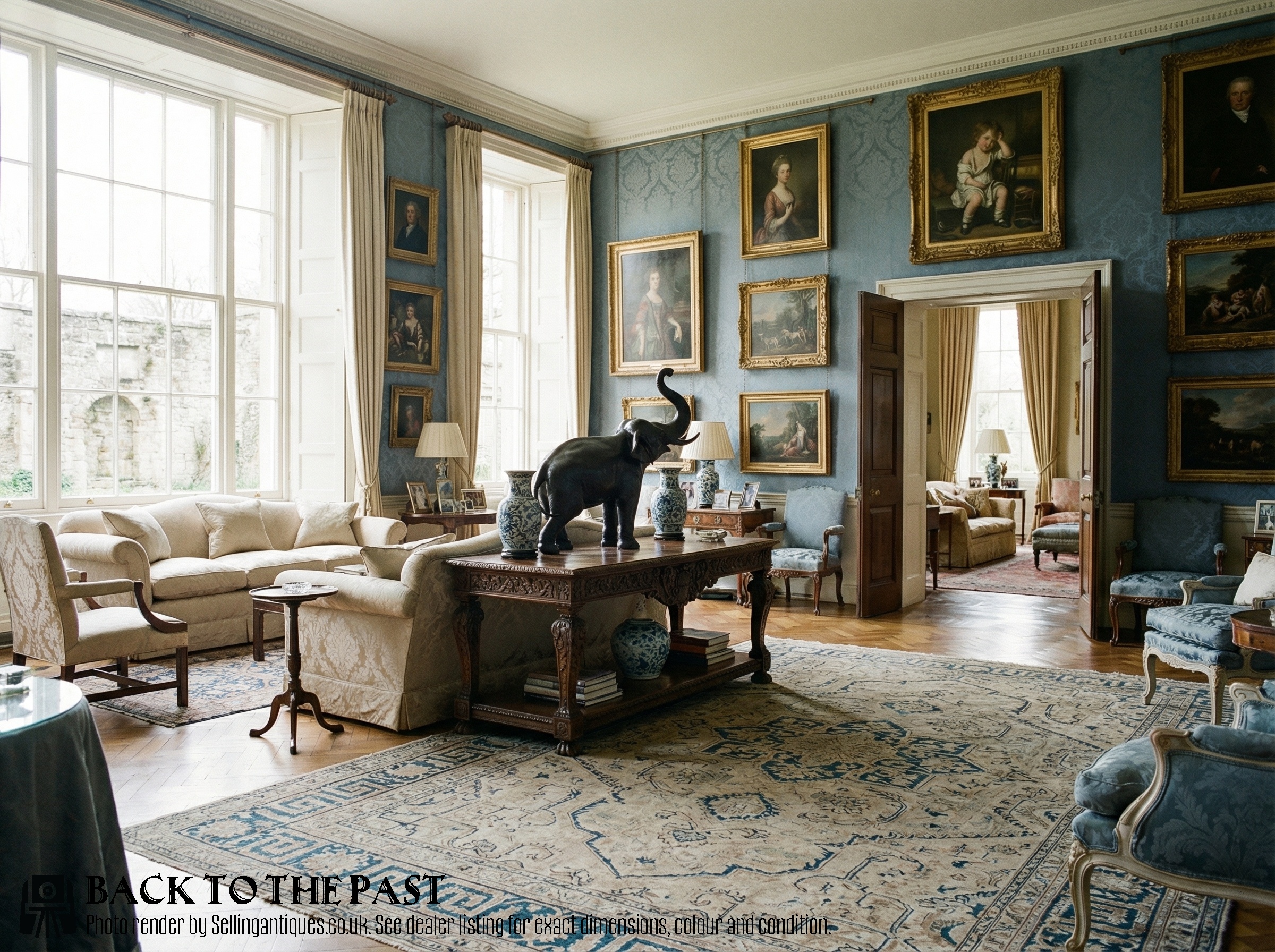
Cast Bronze Elephant
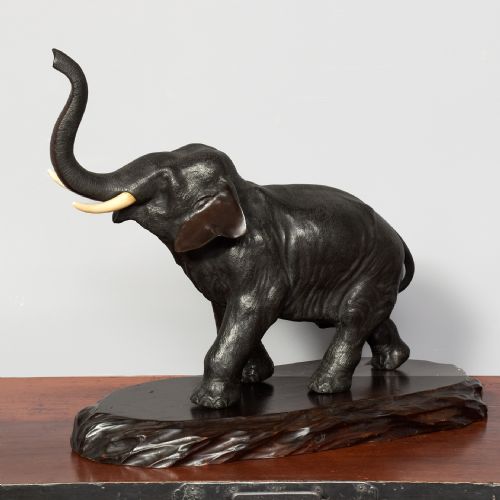
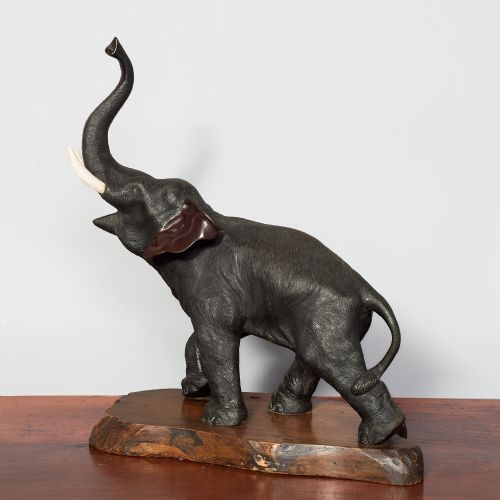
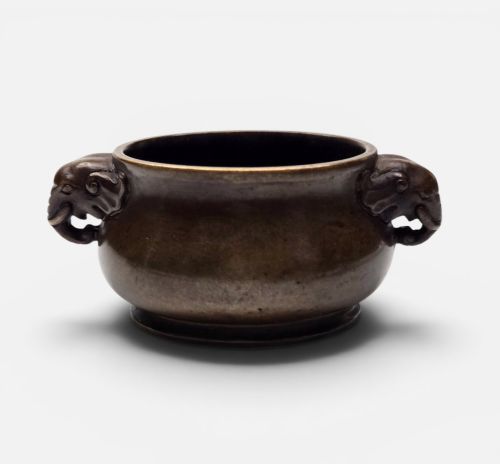
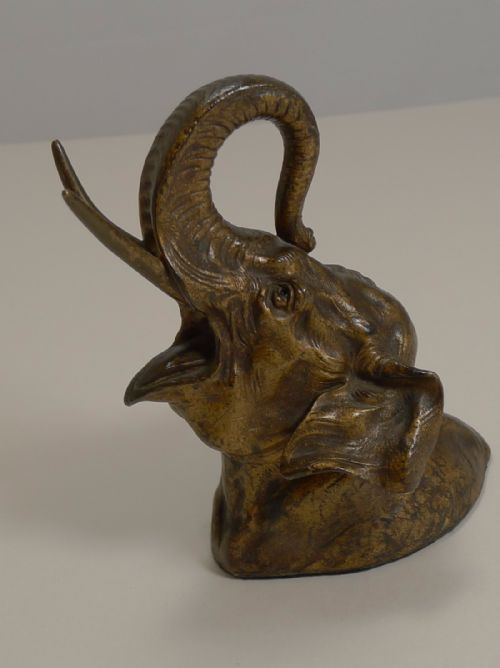
A cast bronze elephant search uncovers a diverse range of objects, from Japanese Meiji period okimono and scholar's censers to European bookends and inkwells. The pieces on this page appear in forms such as sculptures, table lamps, jardinieres, bells, and vases.
Buyers most frequently encounter Japanese Meiji period examples, often depicting naturalistic forms with distinct tusks and bases. These items draw on traditions from the 17th century Ming period through to the early 20th century.
Beyond standalone sculptures, the selection includes functional decorative items like incense burners, inkwells, and planters featuring elephant motifs. Materials frequently accompany the bronze, notably ivory, bone, and wood.
How they were made
Maker utilise bronze casting techniques to shape complex animal forms, sometimes combining the metal with ivory tusks, bone, or diamond eyes for added texture. Naturalistic bases provide stability and context for the animal figures.
Patination and surface finishing give the bronze varying tones, while detailed chiselling defines the skin and harness work on Japanese and European items alike.
Cast Bronze Elephant Retail Price Guide 2026
Typical asking prices for cast bronze elephant among the pieces listed under this phrase on Sellingantiques today, from the lower quarter to the upper quarter. They describe what is for sale here now, not the wider market.
Some bronze elephants peer out at the world with genuine diamond eyes.
What varies in quality
The quality of a cast bronze elephant rests on the sharpness of the casting and the fidelity of the surface chisel work. Superior examples display precise anatomical modelling and careful integration of secondary materials like ivory or wood.
Scale and ambition also divide the range, separating modest domestic accessories from large, substantial okimono or pairs of heavy bookends.
Ernest Louis Adnin
The Cast Bronze Elephant Glossary
- Okimono
- A Japanese ornamental object designed for display on a shelf or in a tokonoma alcove. These sculptures range from small figures to large focal pieces.
- Censer
- A vessel used for burning incense, such as the scholar's censer forms found in Ming period metalwork. They often incorporate animal motifs on the lid or body.
- Jardiniere
- A decorative pot or planter designed to hold plants, frequently cast in bronze during the Victorian and Edo periods. They serve as substantial room ornaments.
- Patina
- The surface coloration and sheen developed naturally over time or applied chemically by the maker. It protects the metal and defines the visual character of the bronze.
- Meiji Period
- The era in Japanese history spanning from 1868 to 1912, noted for accomplished metalwork and decorative arts exported globally.
Cast Bronze Elephant: Frequently Asked Questions
What periods do these pieces come from?
The inventory spans several centuries, including 17th century Ming examples, Victorian items, and numerous pieces from the Japanese Meiji period.
Later Victorian and 1920s European desk accessories and bookends also appear alongside the Asian metalwork.
How were these bronze elephants used?
Many function purely as decorative sculptures or okimono meant for display.
Others served practical roles as incense burners, inkwells, table lamps, planters, and bookends.
What materials are used besides bronze?
Bronze forms the primary structure, but makers frequently incorporated ivory for tusks and bone for contrasting details.
Wood bases, fabric elements, and even diamond eyes appear on select pieces.
How do I care for antique bronze?
Keep the bronze clean with a soft, dry cloth to prevent dust accumulation on the detailed surface.
Avoid harsh chemical polishes that can strip the historic patina.