

Japanese Bronze Statue
When seeking a Japanese bronze statue, collectors find figures ranging from fierce wildlife groups to serene spiritual icons.
Japanese Bronze Statue
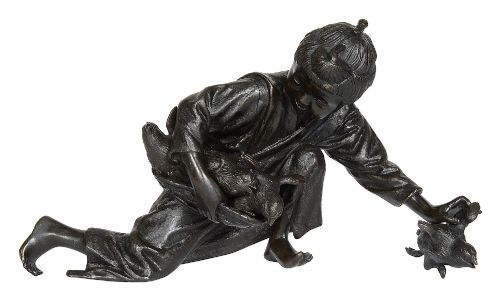
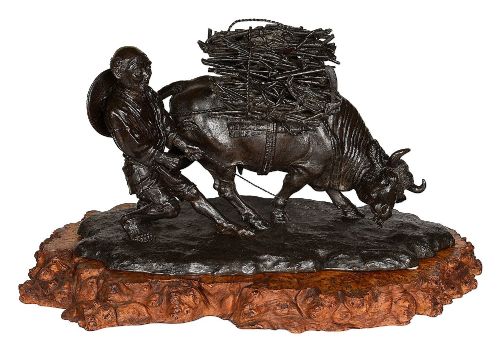
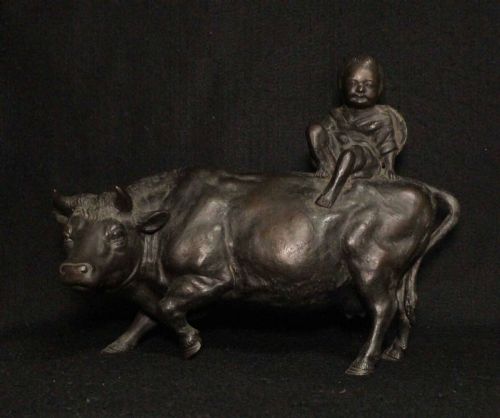
A Japanese bronze statue encompasses sculptural works created during the Meiji, Taisho, and Showa periods, stretching back to the late 19th century and into the early 20th century. These objects frequently take the form of okimono, which are decorative display items placed in homes rather than consecrated religious shrines.
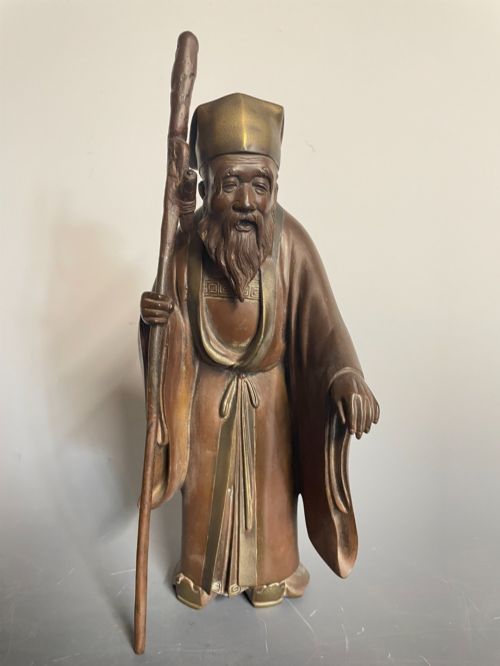
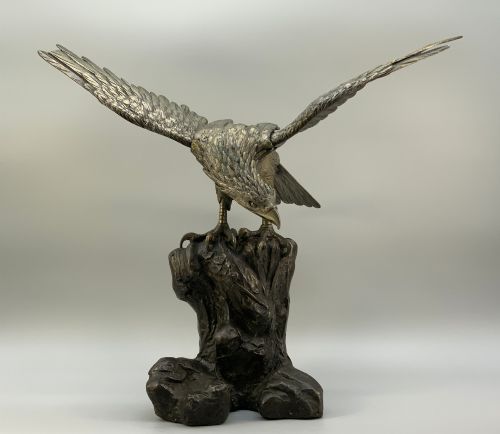
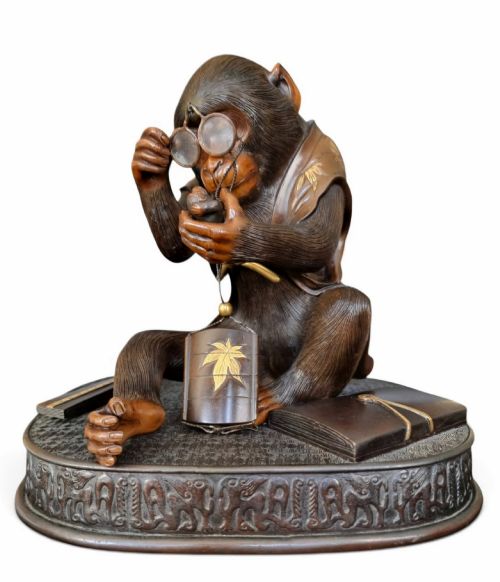
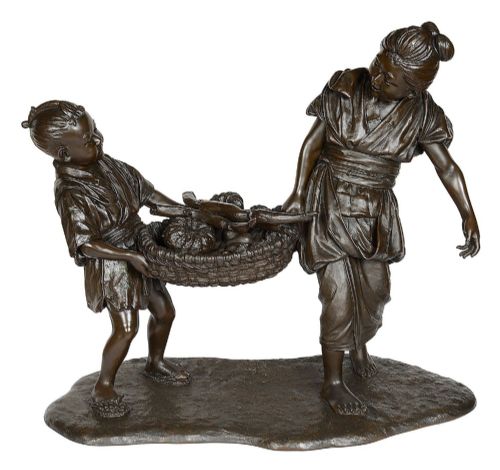
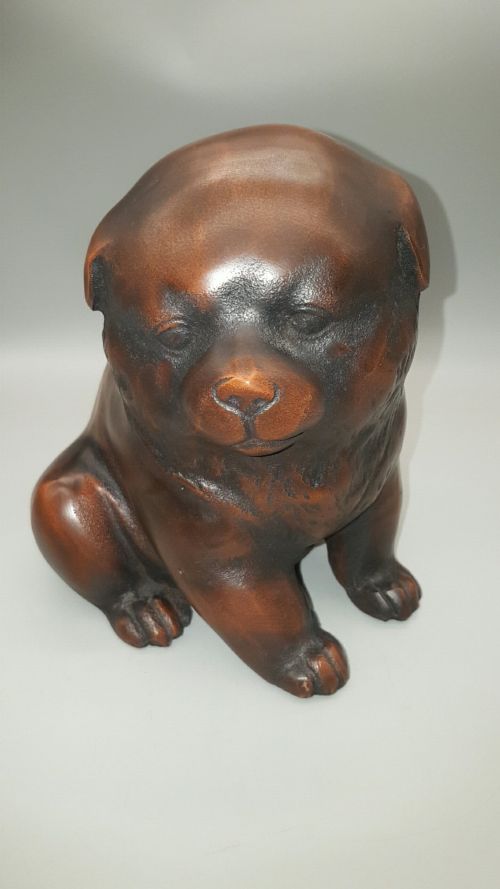
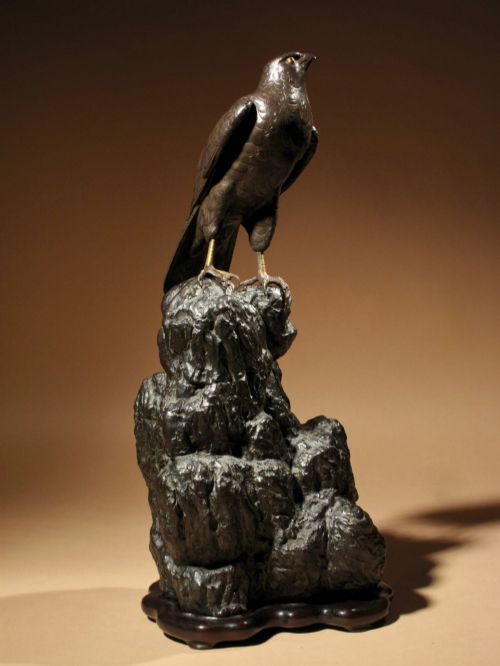
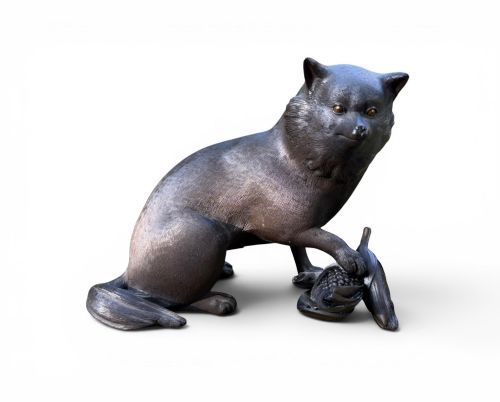
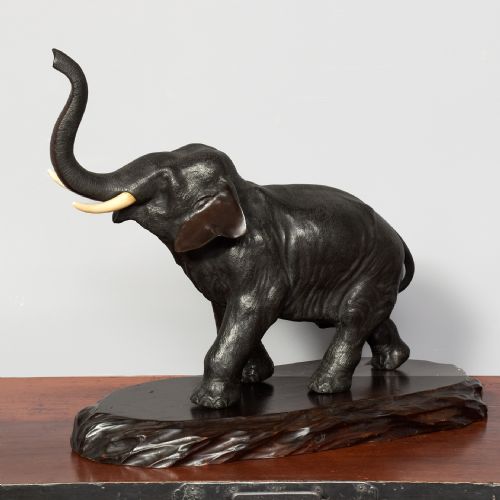
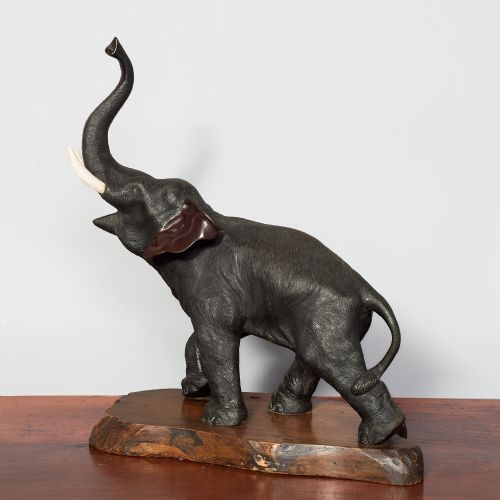
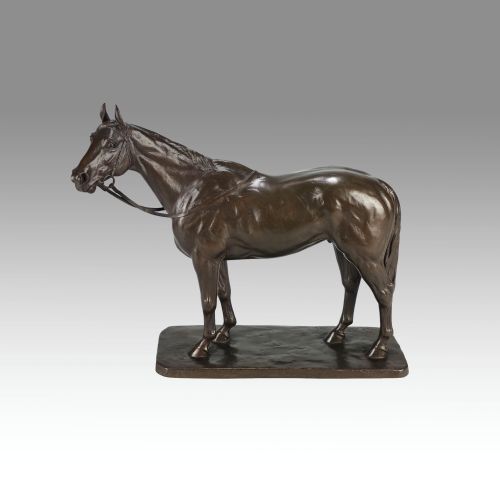
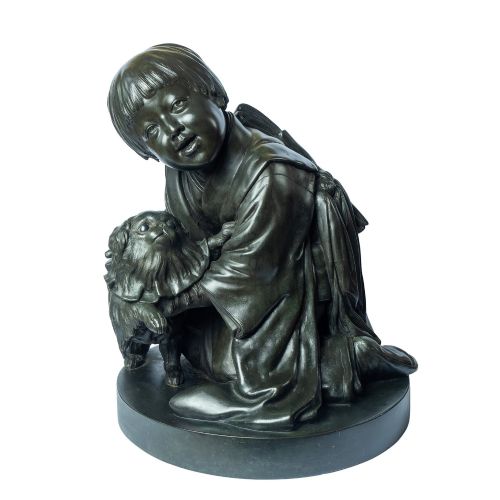
The subjects span human figures such as scholars, blacksmiths, and bodhisattvas alongside an extensive menagerie of animals. Common representations include elephants, tigers, horses, monkeys, and eagles, often captured in dynamic action or natural repose.
Pieces on this page originate predominantly from Japanese workshops and foundries active during the late 19th and early 20th centuries. Buyers encounter both small tabletop figurines and large garden statuary designed for exterior display.
Materials and Technique
Foundries utilised traditional lost-wax casting methods to shape molten bronze into intricate forms, often incorporating patination to achieve deep brown, black, or greenish surface tones. Skilled metalworkers applied varied chemical treatments to bring out contrasting textures across feathers, fur, and skin.
Japanese Bronze Statue Retail Price Guide 2026
Typical asking prices for japanese bronze statue among the pieces listed under this phrase on Sellingantiques today, from the lower quarter to the upper quarter. They describe what is for sale here now, not the wider market.
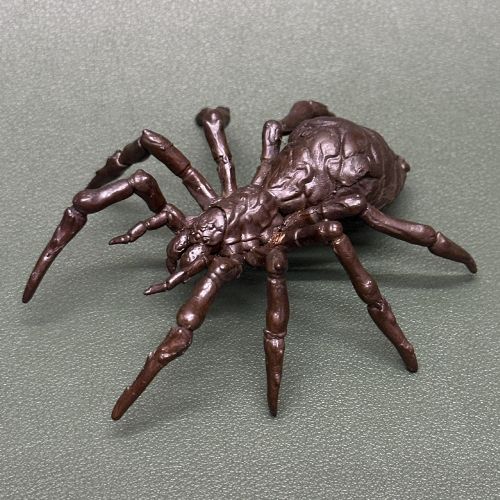
Japanese metalworkers frequently turned their attention to tiny subjects, casting surprisingly detailed rhinoceros beetles and tarantula spiders in solid bronze.
The Spectrum of Quality
Quality reveals itself in the anatomical precision of the subject and the subtlety of the surface finish. Master metalworkers achieved lifelike tension in muscle structures and feather arrangements, whereas lesser pieces display rigid postures and uniform surface textures.
The sophistication of mixed-metal enrichment also separates standard castings from exceptional ones. Finer sculptures integrate inlaid metals and organic materials seamlessly, demonstrating advanced metallurgical skill rather than relying on surface paint.
Jomi Eisuke·Tsunemitsu·Kunio Itô·Masaaki·Kaniya Kuniharu·Sakai Kōzan·Unno Shomin·Takamura Koun
The Japanese Bronze Statue Glossary
- Okimono
- An ornamental object for display, typically placed in a traditional tokonoma alcove or on a shelf. These standalone sculptures focus on decorative subjects rather than religious worship.
- Shakudo
- A Japanese billon alloy of copper and a small amount of gold that turns a dark purple-black colour when treated. Artisans used it to create contrasting details on metalwork.
- Patinated Bronze
- Bronze treated with chemical solutions to produce a specific surface colour and aged appearance. This process enhances the visual depth of the metal.
- Bodhisattva
- An enlightened being revered in Buddhism, frequently depicted in statues of a spiritual nature. These figures often appear with serene expressions and gilded or silvered surfaces.
Japanese Bronze Statue: Frequently Asked Questions
What is an okimono?
An okimono is a decorative Japanese sculpture designed for interior display in a home rather than for religious rituals.
These pieces range from small animal figures to complex human groups created during the Meiji period.
How do I identify a signature?
Signatures on these bronzes are usually incised directly into the metal surface or cast into the underside during production.
They often name the individual artist or the specific foundry responsible for the work.
Where were these statues placed?
Smaller figures were traditionally displayed inside homes on wooden bases or within decorative alcoves. Larger pieces, such as geese or dragons, were cast specifically for placement in gardens.
What is mixed-metal work?
Mixed-metal work involves combining bronze with other materials like gold inlay, silver, or shakudo to create colour contrast.
This technique highlights specific details such as eyes, harness decorations, or clothing patterns.