
Bronze Animalier Figure
A bronze animalier figure captures the raw power and motion of wildlife, offering collectors a striking study in nineteenth and early twentieth-century realism.
Defining the bronze animalier figure
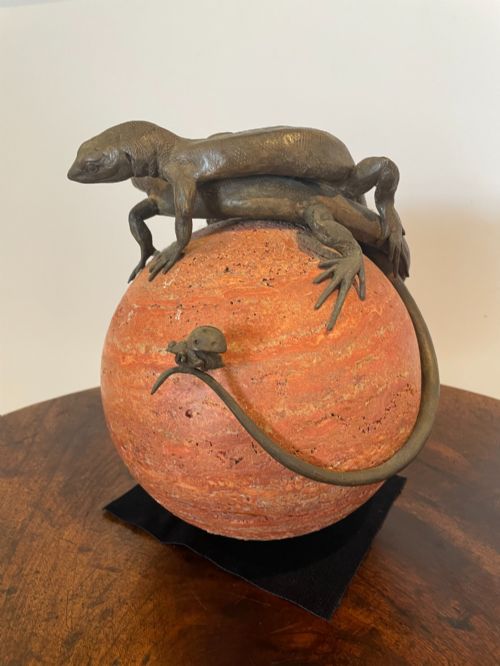
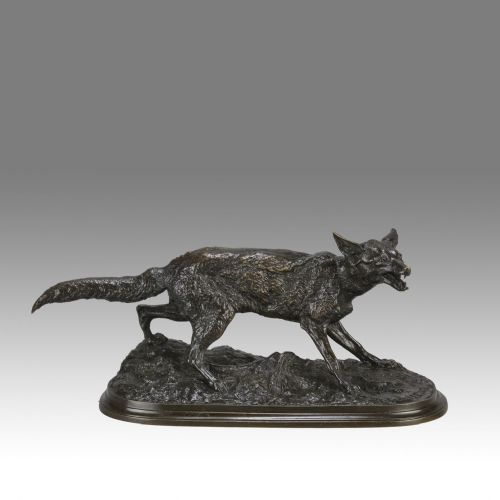
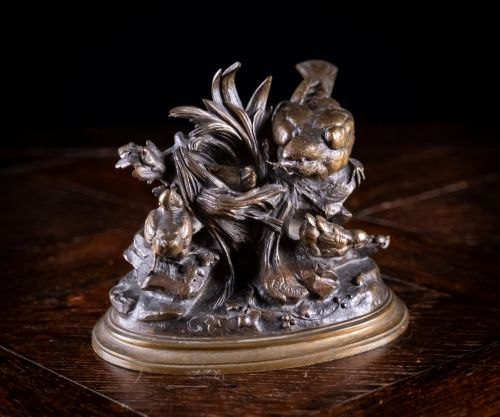
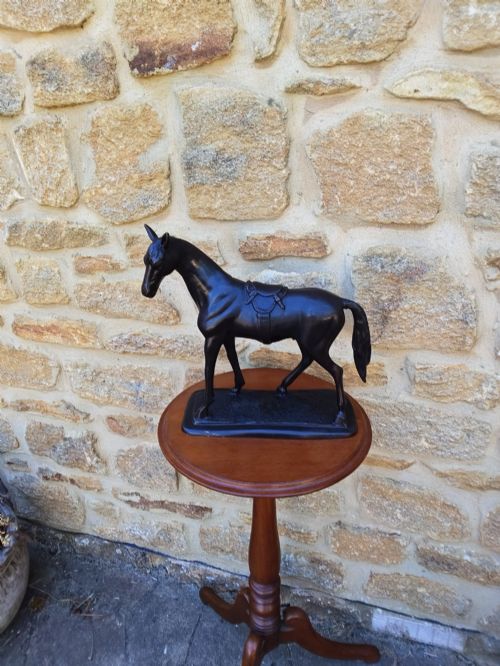
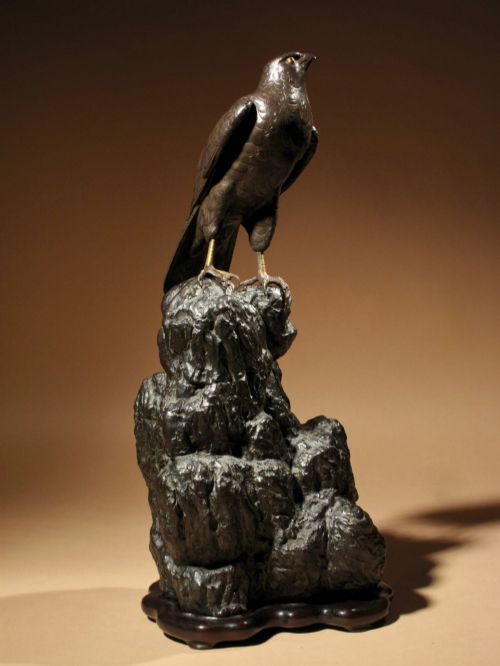
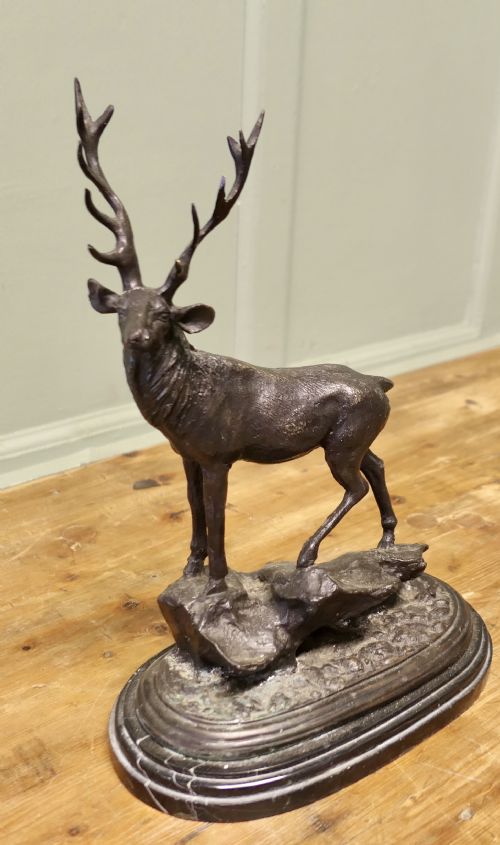
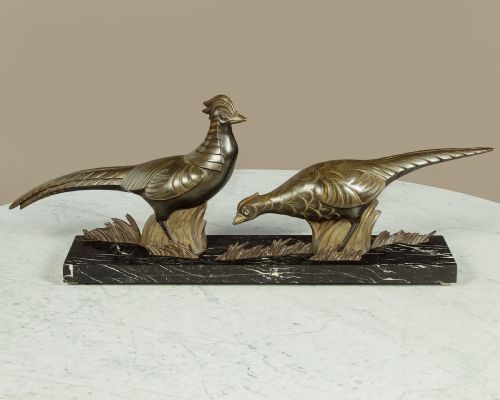
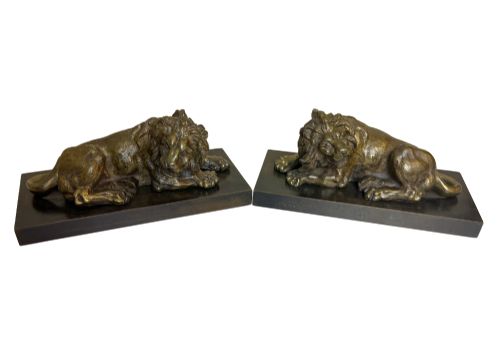
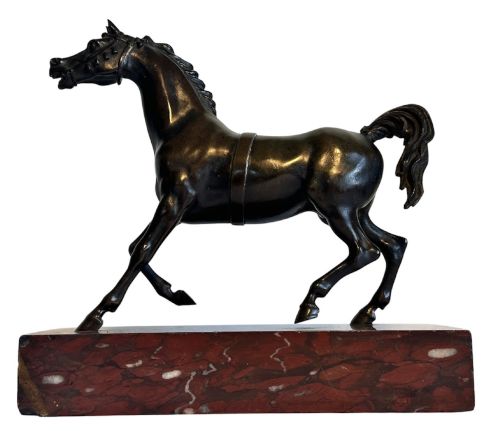
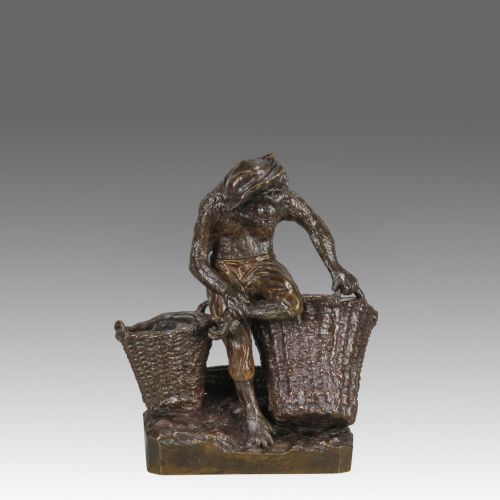
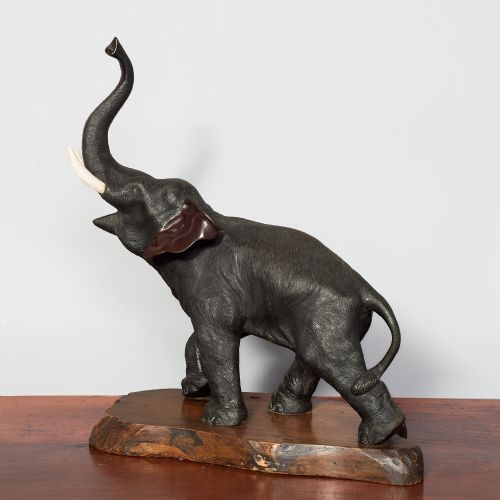
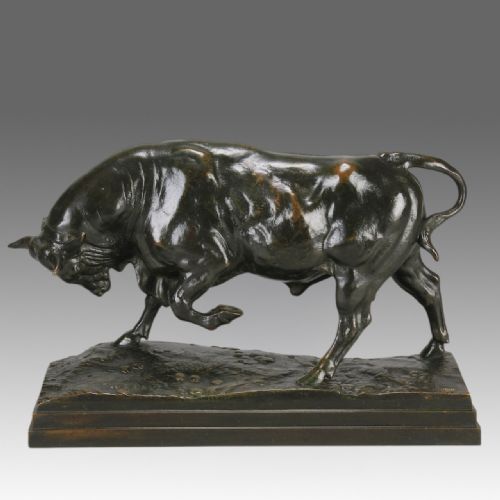
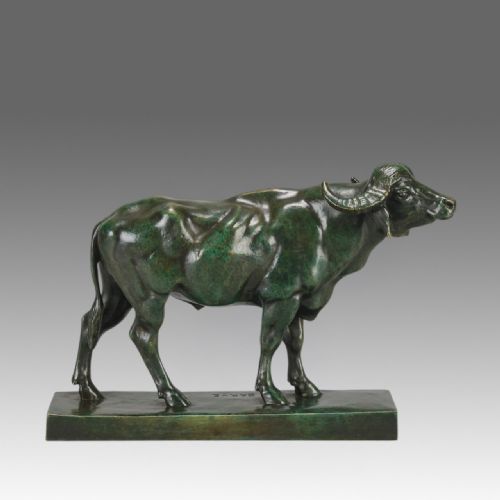
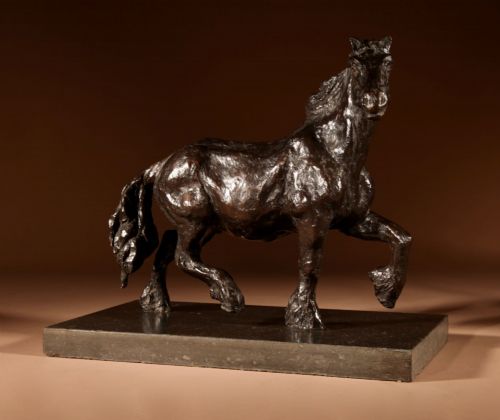
A bronze animalier figure portrays animals in dynamic postures, ranging from the predatory tension of a panther and python to the steady grace of an Arab horse or stag. These sculptures span the nineteenth century and the early decades of the twentieth century, reflecting both French animalier traditions and Japanese Meiji period metalwork.
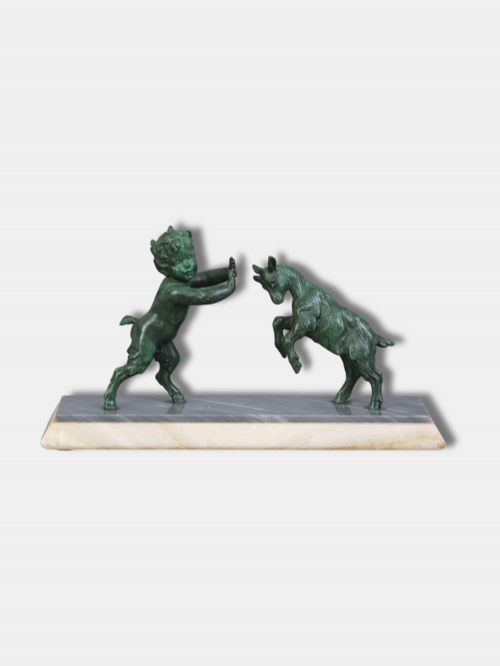
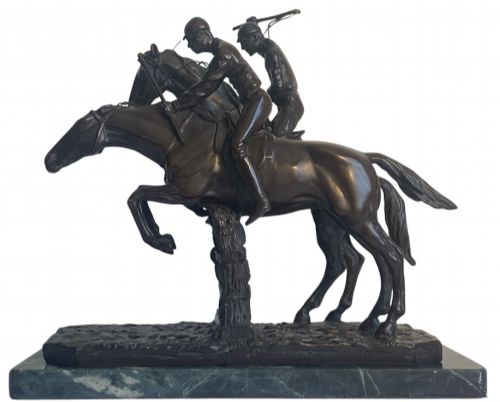
The pieces on this page appear as freestanding sculptures and statues, utilising materials such as patinated bronze, dark patina, wood, and ivory. Collectors encounter works representing domestic and wild creatures, modelled with acute attention to anatomical detail and natural behaviour.
Construction and material techniques
Each bronze animalier figure relies on metal casting techniques to render complex organic forms in durable bronze and patinated bronze. Foundries such as Barbedienne and the Siot Foundry managed the delicate transformation of modelled clay or wax into lasting metal sculptures.
Selected works incorporate mixed media elements, pairing cast bronze with carved ivory tusks and inlaid diamond eyes. Surfaces receive patination treatments to produce dark patina finishes that highlight musculature and texture.
Retail Price Guide 2026
Typical UK retail prices for bronze animalier figure, calculated from the Sellingantiques database of over a million retail prices indexed since 2003. This retail price guide relies exclusively on Sellingantiques data; no external sources or auction records are used, so the figures do not describe the wider market.
Materials represented across the current inventory include bronze, patinated bronze, dark patina, wood, and ivory.
Judging quality and execution
The distinction between tiers of quality rests upon the sharpness of the cast and the fidelity of the anatomical modelling. Master sculptors and established foundries achieve a lifelike tension in muscle and sinew that lesser workshops miss.
Surface finish and chasing also dictate the standing of a piece, where crisp detailing in the fur, feather, or scale elevates the sculpture. The involvement of recognised makers and prominent foundries adds considerable weight to the execution.
P. J. Mêne·Antoine Louis Barye·Barbedienne·Isidore Jules Bonheur·Pierre Jules·Georges Gardet·Siot Foundry·Louis Riché·Pierre Jules Mêne
The Bronze Animalier Figure Glossary
- Animalier
- A nineteenth-century artistic movement dedicated to the realistic portrayal of animals. Sculptors in this tradition focused closely on anatomical precision and natural behaviour.
- Patina
- The surface coloration or sheen developed on bronze through chemical treatment or age. This finish emphasises the sculptural contours and texture of the metal.
- Cast bronze
- Metal poured into a mould to create a solid or hollow sculpture. This method allows for intricate detailing and lasting durability.
- Meiji Period
- A Japanese historical era lasting from eighteen sixty-eight to nineteen twelve. Metalworkers during this time produced highly detailed bronze sculptures for international markets.
Frequently Asked Questions
What is an animalier bronze?
An animalier bronze is a nineteenth or early twentieth-century sculpture dedicated specifically to portraying animals in realistic or dramatic poses. These pieces capture creatures in motion or repose, reflecting a deep fascination with natural history and wildlife.
Created by specialised sculptors, these works utilise durable metal casting techniques and often feature careful patination to enhance texture and form. They stand as enduring examples of naturalist art from French and Japanese traditions.
How do I identify periods?
Periods are identified through stylistic cues, foundry marks, and the specific approach to realism favoured by the artist. Nineteenth-century French works often emphasise muscular tension and narrative action, while later pieces adopt Art Deco or Meiji period aesthetics.
Examining the treatment of the bronze surface and any accompanying signatures provides further clues to the date of creation. Comparing the subject matter against known historical portfolios helps narrow down the manufacturing era.
How were these sculptures displayed?
These sculptures were designed as tabletop or mantelpiece ornaments for nineteenth and early twentieth-century interiors. Their compact scale allowed collectors to appreciate the fine details and patination up close within a domestic setting.
Owners typically placed them in studies, libraries, or parlours where the dynamic forms could be viewed from multiple angles. They served as conversation pieces that demonstrated the owner's appreciation for naturalism and fine metalwork.