
Oriental Bronze Figure
When you search for an oriental bronze figure, you enter a diverse world of cast metal artistry spanning distant centuries and traditions.
Oriental Bronze Figure
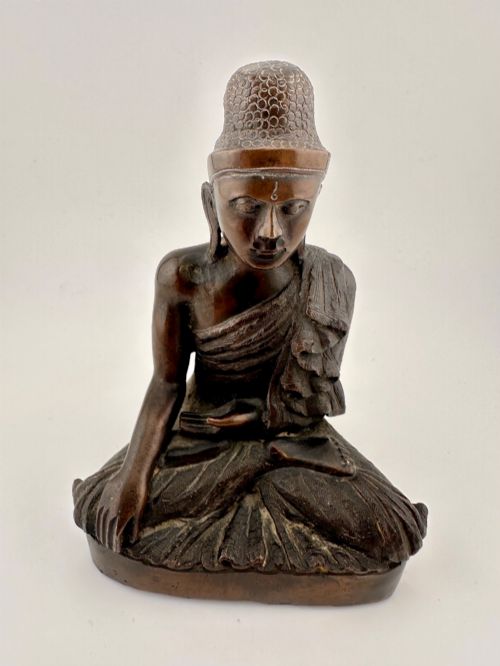
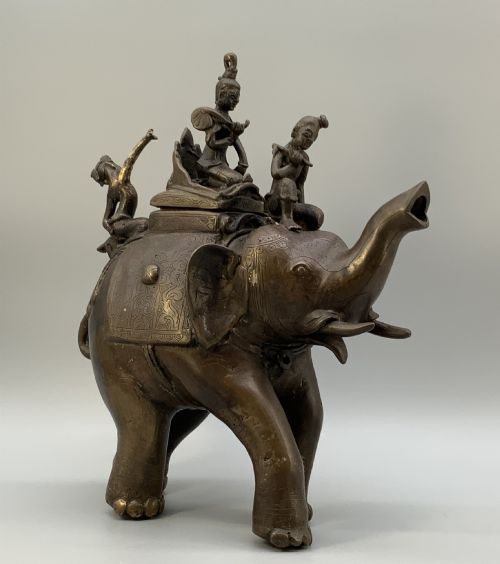
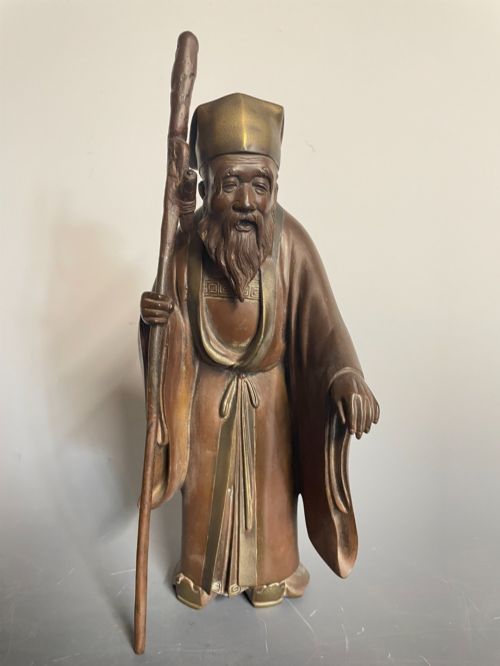
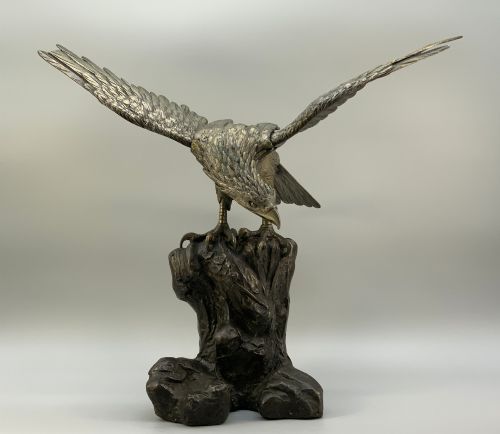
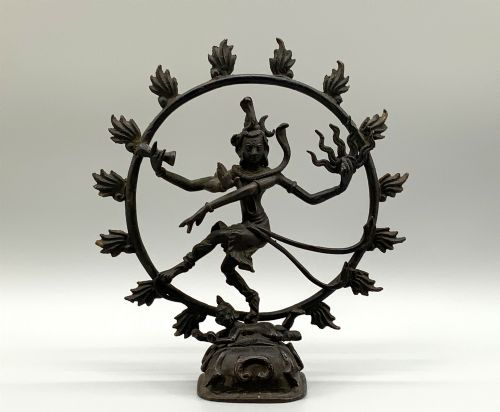
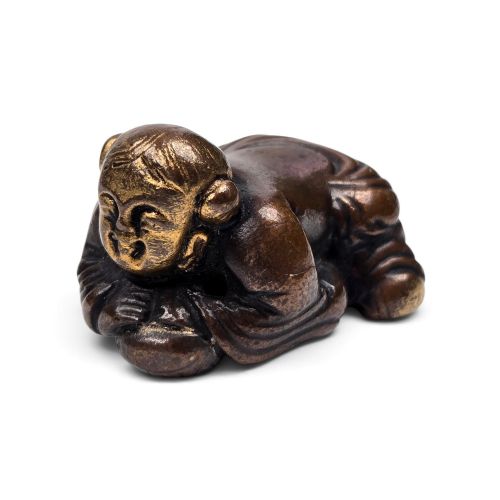
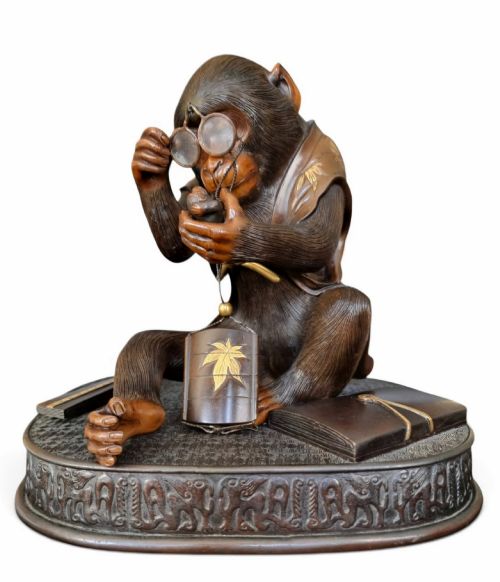
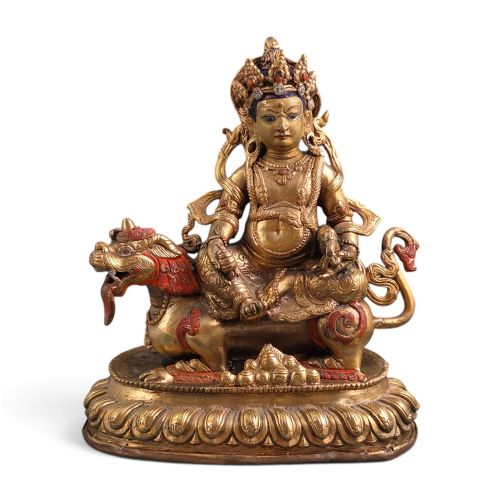
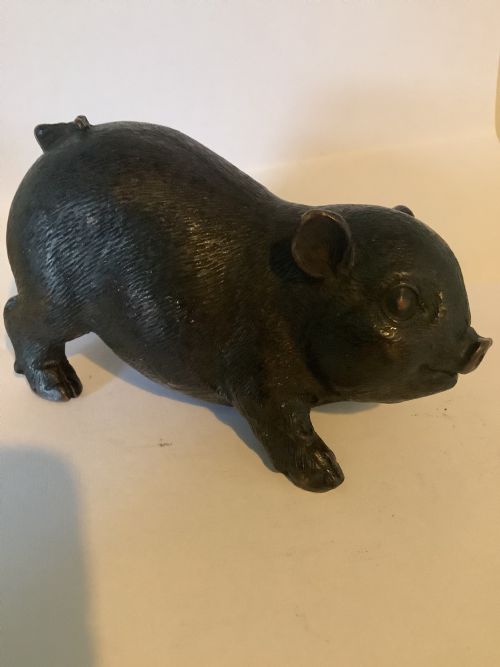
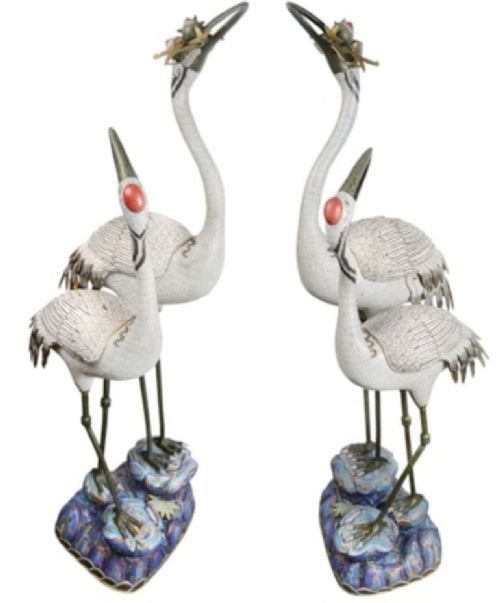
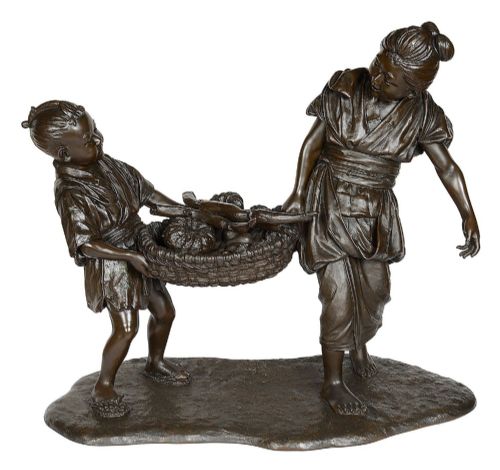
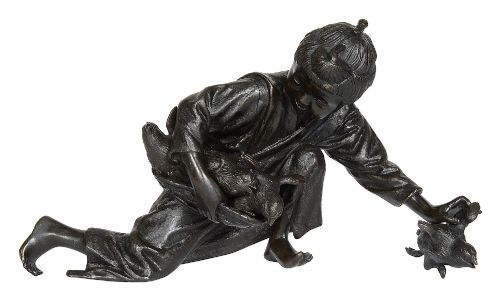
An oriental bronze figure encompasses a wide array of cast metal sculptures, statuary, and okimono originating from various Asian cultures and traditions. When searching for an oriental bronze figure, buyers encounter everything from serene Buddhist deities to intricate depictions of animals, mythical beasts, and human subjects.
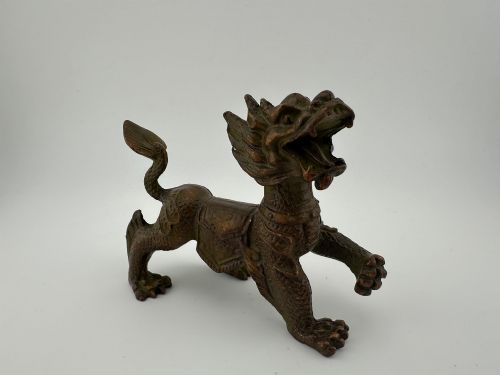
The pieces appearing on this page stretch across multiple eras, with the nineteenth century and the Meiji period strongly represented alongside earlier Ming dynasty works. Forms range from monumental garden dragons and temple deities down to small scholar desk paperweights and animal studies.
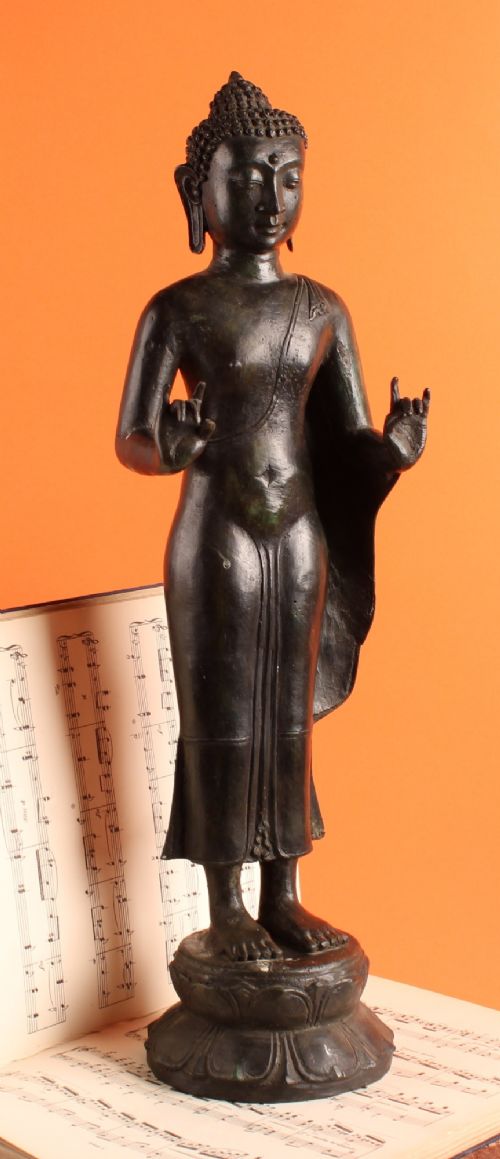
Geographic origins vary significantly, taking in Japanese, Chinese, Tibetan, Indian, Thai, and Burmese workshops. Each regional tradition brings distinct aesthetic conventions, whether in the serene posture of a standing Buddha or the dynamic realism of a Meiji period animal sculpture.
How they were made
Makers utilised traditional lost-wax casting methods to achieve complex, highly detailed forms in copper alloy and bronze. Many pieces show careful finishing through hand chiselling, engraving, and applied patination.
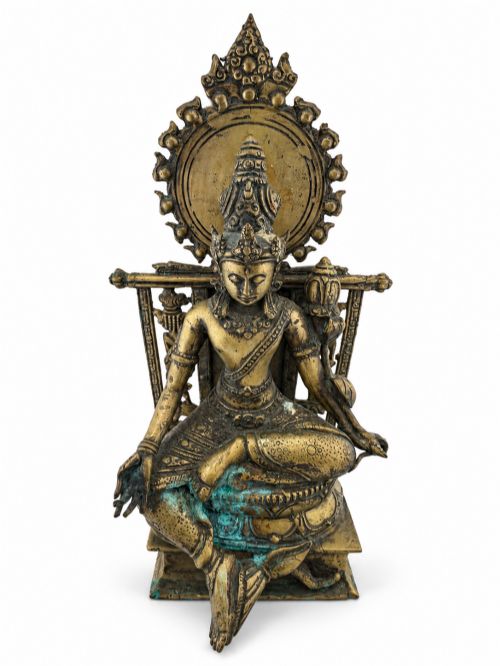
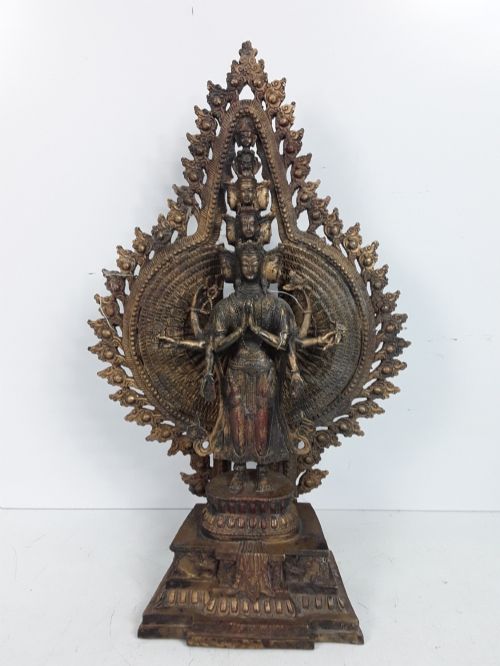
Gilding techniques appear frequently, ranging from fire-gilding to applied gilt surfaces that highlight the garments and attributes of religious figures. Select pieces incorporate mixed metals or inlay work utilising materials such as bone and turquoise.
Oriental Bronze Figure Retail Price Guide 2026
Typical asking prices for oriental bronze figure among the pieces listed under this phrase on Sellingantiques today, from the lower quarter to the upper quarter. They describe what is for sale here now, not the wider market.
Listings span multiple centuries, ranging from sixteenth-century Ming dynasty scholar items to twentieth-century temple sculptures.
What varies in quality
The integrity and depth of the original patination or gilding significantly influence the visual impact of a piece. Finer works often bear signature marks from recognised artists or prominent foundries, marking them out from unsigned commercial production.
Masaaki·Kunio Ito·Tsunemitsu·Kaniya Kuniharu·Sakai Kozan·Seiunsai Miyamoto Sei
The Oriental Bronze Figure Glossary
- Okimono
- A Japanese freestanding display sculpture intended for interior decoration. These pieces typically depict animals, figures, or legendary subjects from daily life.
- Mudras
- Symbolic hand gestures displayed by Buddha figures in Buddhist art. Each specific gesture communicates a particular teaching or state of mind.
- Lost-wax casting
- A metalworking process where a molten metal is poured into a mould that has been created by means of a wax model. This technique allows for exceptional detail and undercut forms.
- Patination
- The chemical or natural process that alters the surface colour of bronze over time. Artists often encourage this process to create dark, lustrous tones on the metal.
Oriental Bronze Figure: Frequently Asked Questions
How do I identify a Meiji period piece?
Meiji period works often display a high level of naturalistic detail, particularly in animal and human subjects, reflecting the opening of Japan to Western artistic influences during that era.
Look for signature cartouches on the base or body, dynamic compositions such as animals in combat, and the use of mixed-metal highlights.
What is the difference between a deity and an okimono?
Deities represent religious figures from Buddhist or Hindu traditions, such as Buddhas, Taras, and Bodhisattvas, created for shrine worship or personal devotion. Their postures and hand gestures follow strict iconographic rules.
Okimono are secular decorative sculptures created primarily during the Meiji period for display in homes, focusing on genre scenes, animals, and folklore.
How should I clean my bronze figure?
Bronze requires very little maintenance beyond occasional dusting with a soft, dry cloth to prevent dust accumulation.
Avoid using water, chemical polishes, or abrasive cleaners, as these can strip away the historical patina and damage the metal surface permanently.
Are all these figures solid cast?
While smaller items like paperweights are often solid cast, many larger figures and sculptures are hollow cast using the lost-wax method to save weight and metal.
Hollow casting is a standard historical technique and does not indicate a lesser quality piece.