
Japanese Animal Sculpture
Japanese animal sculpture captures bears, elephants, and monkeys in bronze, wood, and ivory across the Meiji and Showa periods.
Japanese Animal Sculpture
When you search for Japanese animal sculpture, you encounter figures fashioned across the 19th and early 20th centuries, spanning the Edo, Meiji, Taisho, and Showa periods.
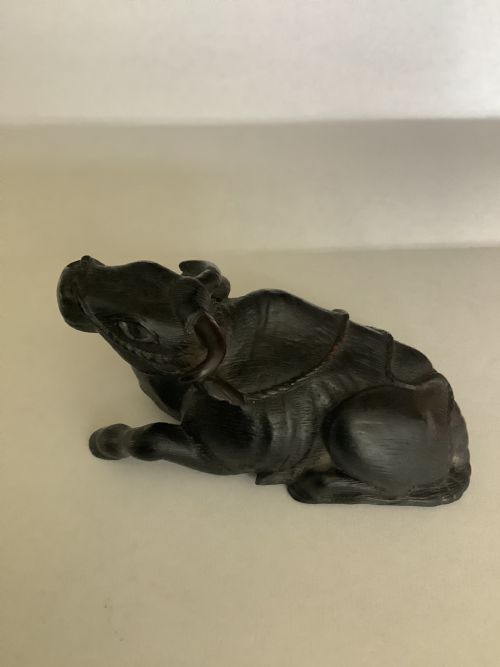
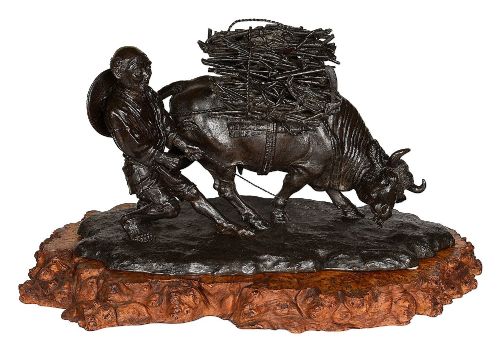
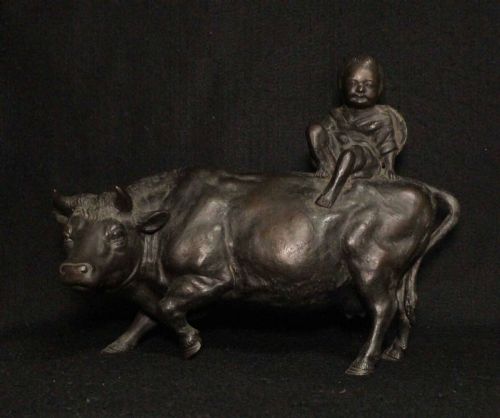
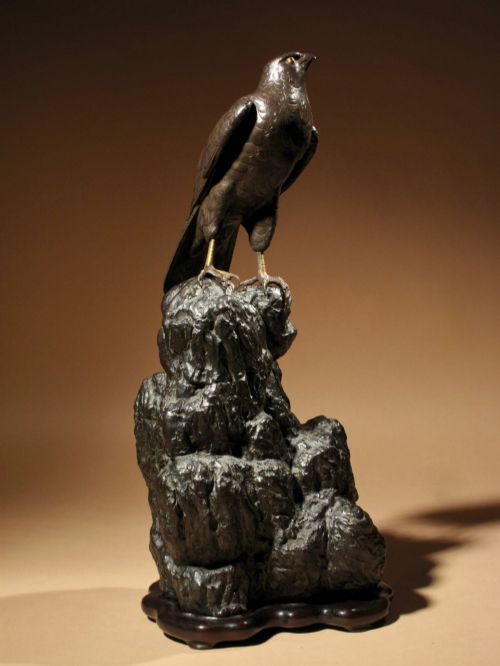
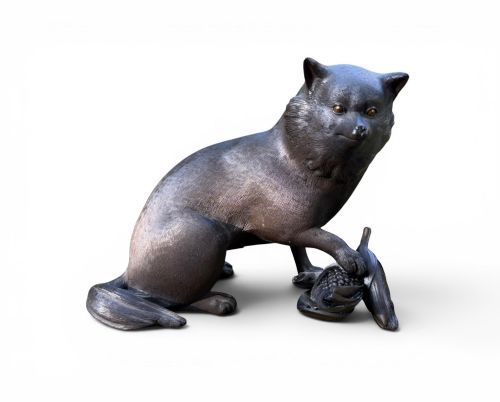
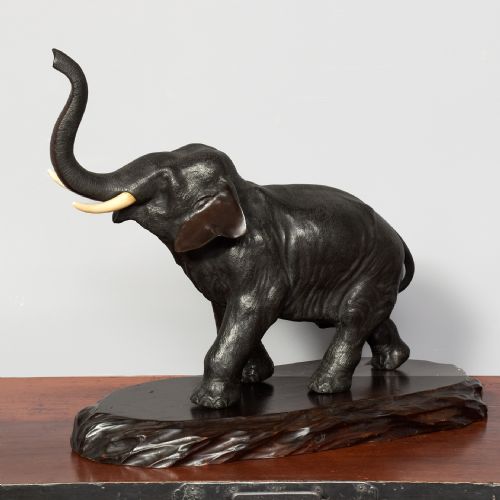
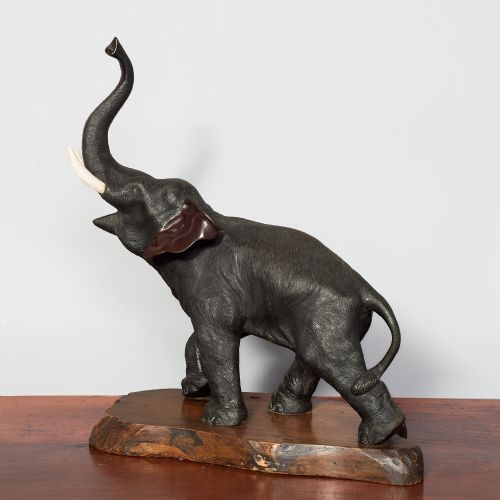
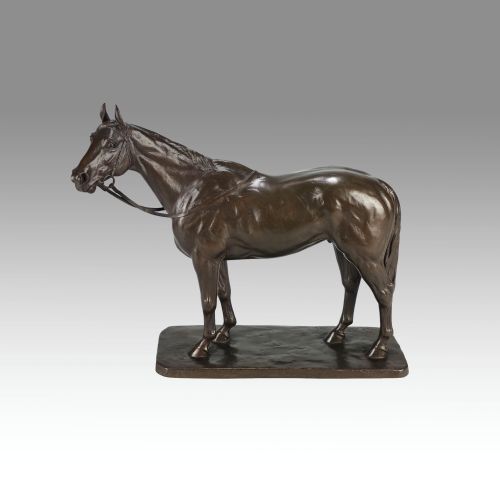
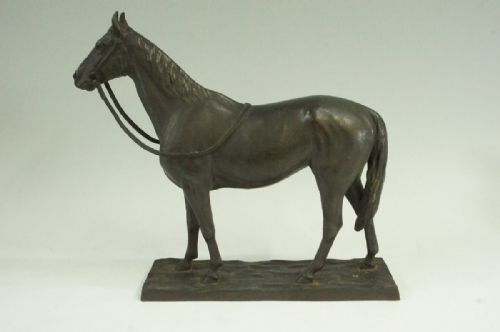
The objects take many forms, including okimono, netsuke, and standalone statues depicting bears, elephants, horses, and tigers.
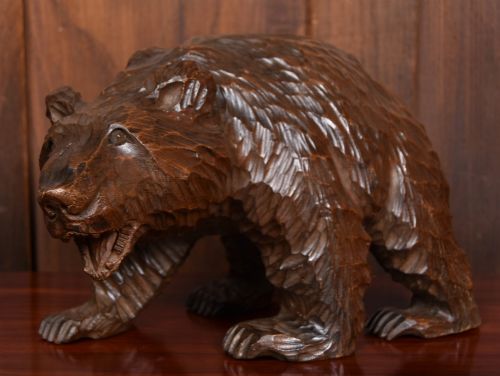
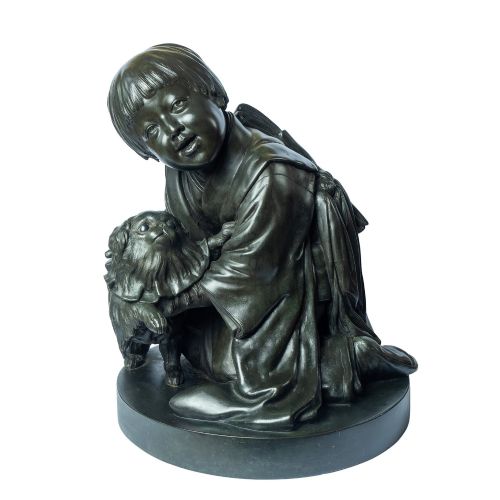
You are most likely to meet bronze okimono and hand-carved wooden bears from the Meiji period on this page.
Materials and construction methods
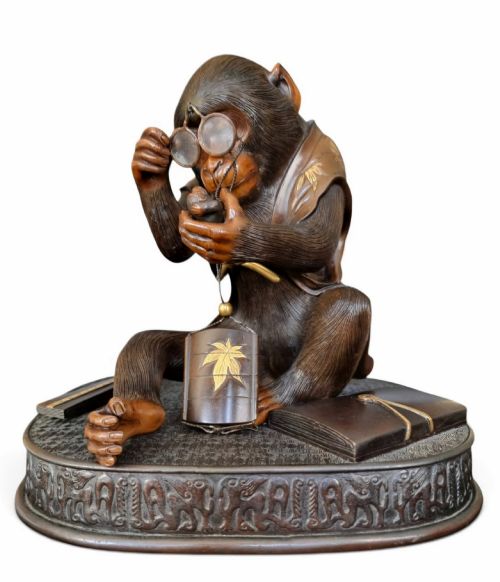
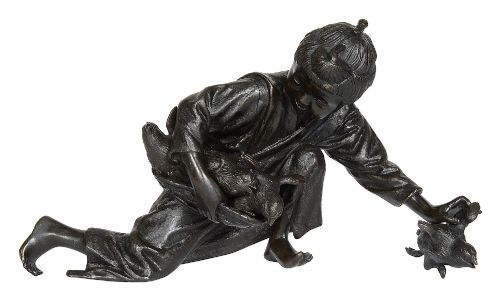
Maker utilise cast bronze, sometimes incorporating mixed metals, ivory tusks, and diamond eyes to achieve realistic textures.
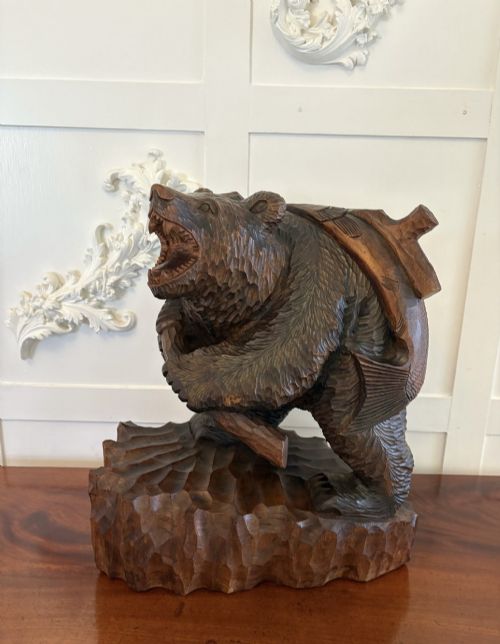
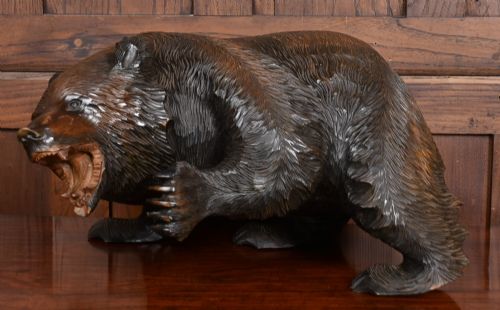
Carvers work in linden wood, hardwood, and bone, producing detailed figures like the traditional Kibori Kuma bears.
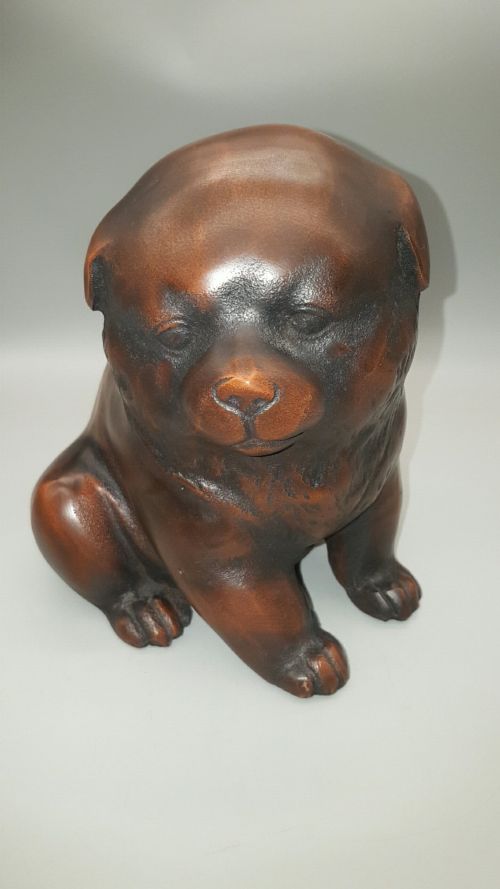
Kilns produce porcelain recumbent horses and puppy sets, demonstrating mastery across multiple media.
Japanese Animal Sculpture Retail Price Guide 2026
Typical asking prices for japanese animal sculpture among the pieces listed under this phrase on Sellingantiques today, from the lower quarter to the upper quarter. They describe what is for sale here now, not the wider market.
The object types include okimono, netsuke, statues, and figurines depicting domestic and wild animals.
Factors of distinction
The success of a piece rests on the precision of the carving or casting, particularly in musculature, fur texture, and dynamic posture.
Signed works by known makers command attention through superior anatomical observation and fine surface finishing.
Kunio Itô·Tsunemitsu·Masaaki·Kaniya Kuniharu·Sakai Kōzan·Seiunsai Miyamoto Sei·Shosai
The Japanese Animal Sculpture Glossary
- Okimono
- A standalone decorative ornament intended for display on a tokonoma or shelf. These objects range from small bronze figures to large animal studies.
- Netsuke
- A small carved toggle fastened to the end of a cord to secure a pouch or box worn on a kimono sash. They often depict animals like frogs and rodents.
- Meiji Period
- The era spanning from 1868 to 1912, characterised by intense artistic production and technical refinement in metalwork and sculpture.
- Kibori Kuma
- A traditional style of hand-carved wooden bear originating from Hokkaido, often depicted carrying a fish in its jaws.
- Showa Period
- The historical period running from 1926 to 1989, during which artists continued traditional bronze casting techniques.
Japanese Animal Sculpture: Frequently Asked Questions
What is an okimono?
An okimono is a decorative object designed for display in a Japanese home rather than for ritual use.
These sculptures often portray animals with lively realism, capturing birds, elephants, and monkeys in bronze or wood.
Where were wooden bears made?
Wooden bear sculptures, known as Kibori Kuma, originate primarily from the northern region of Hokkaido.
Carvers utilised local timber like linden wood to portray bears carrying fish or walking on naturalistic bases.
Are these sculptures signed?
Many bronze okimono and wood carvings bear artist signatures or foundry marks inscribed directly into the material.
Signatures help attribute works to skilled artisans and specific workshops operating during the late 19th and early 20th centuries.